How To Use Automatic Coffee Machine And Make Great Coffee
Using an automatic coffee machine is easier than you think. This guide walks you through setup, brewing, and maintenance so you can enjoy great coffee daily. You will learn the right settings, the best beans, and common mistakes to avoid.
There is nothing quite like walking into the kitchen and smelling fresh coffee brewing automatically. An automatic coffee machine makes this possible every single morning without the hassle. Whether you are a busy parent, a student, or a coffee lover who wants consistency, these machines deliver.
But knowing how to use one properly makes a huge difference. A machine that is set up wrong or not cleaned regularly will give you weak or bitter coffee. This guide covers everything you need to know. You will learn setup, brewing, troubleshooting, and maintenance in simple steps.
By the end, you will feel confident using your machine every day. You will also discover tricks that take your coffee from average to amazing. Let us get started.
Key Takeaways
- Setup matters: Proper initial setup ensures your machine runs smoothly from day one.
- Water quality affects taste: Use filtered water for the best flavor in every cup.
- Grind size is key: Match your grind to the brew type for optimal extraction.
- Clean regularly: Descaling and routine cleaning extend your machine’s lifespan.
- Experiment with settings: Adjust strength, temperature, and brew time to find your perfect cup.
- Avoid common mistakes: Overfilling, using stale beans, and skipping maintenance hurt your coffee.
📑 Table of Contents
What Is An Automatic Coffee Machine?
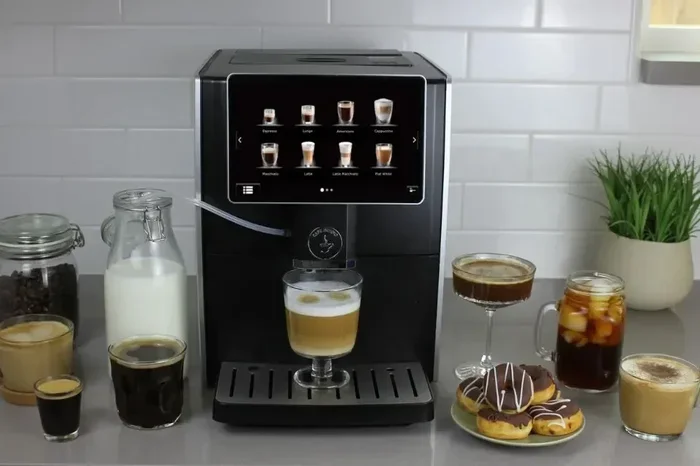
An automatic coffee machine is a device that brews coffee with minimal human effort. You add water, add grounds or beans, and press a button. The machine handles the rest. It heats the water, runs it through the coffee, and drips it into your cup.
These machines come in several types. A drip coffee maker is the most common. It heats water and drips it over a filter filled with grounds. A programmable coffee maker lets you set a timer so coffee is ready when you wake up. Some models even grind beans automatically before brewing.
The beauty of an automatic machine is consistency. Every cup tastes the same if you use the same settings. This is very different from manual methods like a French press or pour-over, where technique changes the outcome each time.
How Does It Work?
Inside the machine, a heating element warms water from the reservoir. The hot water is pushed through a shower head or drip area. It passes through a filter holding coffee grounds. The water extracts flavor and oils from the grounds as it drips through. The brewed coffee collects in a carafe or mug below.
Most machines have a coffee reservoir on the back or side. This holds the water you will use. The size varies. Some hold enough for one cup while others hold 12 or more cups. The larger the reservoir, the more coffee you can brew at once.
How To Set Up Your Automatic Coffee Machine
Setting up a new machine is straightforward. But doing it right from the start prevents problems later. Think of it like setting up a brand new oven — you want to make sure everything is in place before you start using it.
Step 1: Unbox And Inspect
Remove the machine from its packaging. Check for any damage during shipping. Look at all the parts. You should have the main unit, a carafe or mug, a filter basket, and sometimes a measuring scoop. Keep the manual handy for reference.
Step 2: Clean Before First Use
Wash the carafe, filter basket, and any removable parts with warm soapy water. Rinse them well. This removes dust and factory residue. Just like you would clean the bottom tray of a toaster oven before using it, you want your coffee machine parts spotless before the first brew.
Step 3: Run A Water-Only Cycle
Fill the reservoir with clean water. Do not add coffee grounds. Run the machine through a full cycle. This flushes out any internal residue. Throw away the water that comes out. Repeat once if the water tastes or smells off.
Step 4: Set The Clock And Program
Most programmable machines let you set the current time. This is essential if you want the auto-brew feature to work. You can also set the brew strength and the number of cups. Take a few minutes to explore the buttons and settings. Adjusting the clock and programs is similar to changing the time on a Whirlpool oven — just follow the display prompts.
How To Brew The Perfect Cup Of Coffee
Now that your machine is ready, let us talk about brewing. The goal is a cup that tastes balanced, smooth, and flavorful. A few simple choices make this happen every time.
Choose The Right Coffee
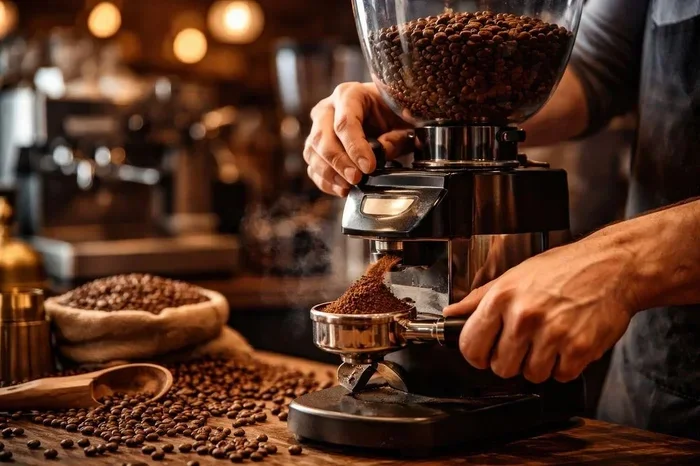
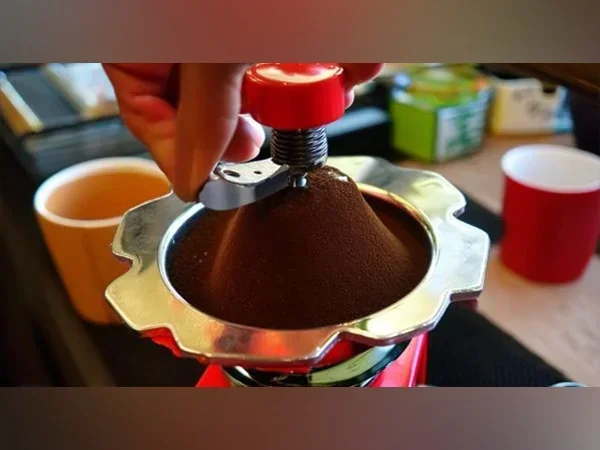
Start with fresh coffee beans. Beans that were roasted within the last two weeks give the best flavor. You can use pre-ground coffee, but grinding your own beans just before brewing makes a noticeable difference. The coffee grind size matters too. For drip machines, use a medium grind. Too fine and the coffee becomes bitter. Too coarse and it tastes weak.
Use The Right Water
Water makes up over 98 percent of your cup of coffee. If your water tastes bad, your coffee will too. Use filtered or bottled water when possible. Avoid distilled water because it lacks minerals that help extract flavor. Room temperature or cold water works best in the reservoir.
Measure Correctly
Most machines come with a scoop. A standard ratio is two tablespoons of grounds per six ounces of water. Adjust this to your taste. Want stronger coffee? Add a little more grounds. Want it milder? Use a little less. The coffee brewing time is controlled by the machine, so your main lever is the amount of grounds you use.
Select Your Brew Strength
Many modern machines have a strength selector. This controls how much water passes through the grounds. A stronger setting uses more water or slows the brew, extracting more flavor. A milder setting does the opposite. Play around with this feature until you find your preferred coffee taste.
Start Brewing
Place a filter in the basket. Add your measured grounds. Fill the reservoir with the right amount of water. Place your mug or carafe on the warming plate. Press the brew button and wait. A typical automatic coffee machine takes about five to ten minutes for a full pot.
Tips For Making Great Coffee Every Time
Once you understand the basics, these tips will elevate your coffee game. They are simple but powerful.
Keep Your Beans Fresh
Store beans in an airtight container away from sunlight. Do not keep them in the fridge because moisture affects flavor. Buy beans in small batches so they stay fresh longer. Fresh beans give you the best coffee extraction and a richer flavor profile.
Preheat Your Machine
Run a cycle with just water before you brew your first cup of the day. This warms up the internal parts. It ensures the water temperature is correct when the actual coffee starts brewing. Proper coffee temperature is between 195 and 205 degrees Fahrenheit for optimal flavor.
Clean The Filter Basket Regularly
Coffee oils build up in the filter basket over time. These oils turn rancid and affect taste. Remove the basket after each use and rinse it. Give it a deeper clean with warm water and a soft brush once a week.
Use The Right Filter
Check if your machine uses a paper filter or a reusable mesh filter. Paper filters produce a cleaner cup by catching more oils. Mesh filters let more oils through for a fuller body. Choose based on your preference. Always match the filter size to your machine.
Do Not Overfill The Reservoir
Every machine has a maximum water line. Filling past it can cause leaks or overflow. It can also dilute the coffee because the machine cannot process all the water properly. Stick to the marked levels for consistent results.
Experiment With Ratios
Everyone has different taste preferences. Start with the standard ratio and adjust from there. Keep a log of what you try. Note the amount of grounds, water, and brew strength. Over time, you will find your personal sweet spot for the perfect brew coffee experience.
Common Mistakes To Avoid
Even experienced coffee drinkers make errors. Here are the most common ones and how to fix them.
Using Stale Coffee Grounds
Old grounds lose their flavor quickly. Coffee starts to go stale within 15 to 30 minutes of grinding. If you use pre-ground coffee, store it in a sealed container. Better yet, grind beans fresh each morning. Stale grounds produce flat, lifeless coffee.
Ignoring The Cleaning Schedule
Mineral deposits build up inside the machine over time. This is called scale. It clogs the internal tubes and affects brewing temperature. A machine covered in scale brews coffee that tastes off. Descale your machine every one to three months depending on how often you use it and how hard your water is.
Using Too Much Or Too Little Water
Too much water weakens the coffee. Too little water can cause the machine to overheat or produce a very concentrated, bitter brew. Always measure your water against the grounds. Follow the markings on the carafe or reservoir for guidance.
Skipping The Pre-Brew Rinse
Some people skip the water-only rinse. This is a mistake. The rinse ensures the brewing system is clean and ready. It also brings the water temperature to the right level. Skipping it can result in the first few cups tasting slightly off.
Not Reading The Manual
Every machine is different. The manual contains specific instructions for your model. It tells you how to descale, which filters to use, and how to troubleshoot problems. Spend 10 minutes reading it. It will save you time and frustration in the long run.
Cleaning And Maintenance Guide
A clean machine brews better coffee. Maintenance also extends the life of your appliance. Here is a simple routine to follow.
Daily Cleaning
After each use, remove the filter basket and rinse it. Empty the used grounds. Wipe down the exterior with a damp cloth. Wash the carafe with warm soapy water. These quick steps take less than five minutes and keep your machine in great shape.
Weekly Cleaning
Once a week, remove the filter basket and wash it more thoroughly. Use a soft brush to scrub away coffee oils. Wipe the inside of the machine with a damp cloth. Check the water reservoir for any buildup or residue.
Monthly Descaling
Descaling removes mineral buildup from the heating element and internal tubes. Use a descaling solution or a mix of white vinegar and water. Fill the reservoir with the solution, run a brew cycle, then run two to three cycles with plain water to rinse. This keeps your machine running efficiently and your coffee tasting clean.
Replacing Parts
Over time, filters, carafe lids, and seals wear out. Check these parts regularly. Replace them when they show signs of damage. Using worn parts can cause leaks or affect the brewing process. Most replacement parts are affordable and easy to find.
Proper maintenance is similar to caring for any kitchen appliance. Just as you would clean the bottom tray of a toaster oven to keep it working well, regular care keeps your coffee machine performing at its best for years.
Frequently Asked Questions
How long does an automatic coffee machine last?
With proper care, most machines last five to ten years. Regular cleaning, descaling, and using quality parts all contribute to longevity. Avoid letting mineral buildup go unchecked. Treat your machine well and it will serve you daily for many years.
Can I use regular tap water in my coffee machine?
You can, but filtered water produces better-tasting coffee and reduces mineral buildup. Tap water varies in quality depending on your location. If your water has a strong chlorine taste or smell, it will affect your coffee. Using filtered water is a simple upgrade that makes a real difference.
Why is my coffee tasting bitter?
Bitter coffee usually comes from over-extraction. This happens when the grind is too fine, the water is too hot, or the brew time is too long. Try using a coarser grind and check your machine settings. Also make sure you are using fresh beans and clean water for the best results.
How often should I descale my coffee machine?
Descale every one to three months. If you use hard water, do it more frequently. Signs that descaling is needed include slower brewing, strange noises, or a change in coffee taste. Check your machine manual for specific descaling instructions.
Can I brew coffee with milk instead of water?
No, you should not put milk in the water reservoir. The machine is designed to heat water, not milk. Milk can curdle, spoil, and damage the internal components. If you want a milk-based coffee, brew the coffee first and then add heated milk separately.
What is the best grind size for an automatic drip coffee machine?
A medium grind works best for drip machines. It is similar in texture to sea salt. Too fine and the coffee over-extracts and becomes bitter. Too coarse and the water passes through too quickly, giving you weak coffee. If your machine has a built-in grinder, select the medium setting.
Conclusion
Using an automatic coffee machine is one of the simplest ways to enjoy great coffee at home. Once you understand the setup, brewing, and maintenance steps, the process becomes second nature. You will be able to make a fresh cup in minutes every single morning.
Remember the key points. Use fresh beans and filtered water. Measure your grounds correctly. Clean your machine regularly. Adjust the settings to match your taste. Avoid common mistakes like using stale grounds or skipping the descale cycle. These habits transform a basic machine into a coffee-making powerhouse.
The difference between ordinary coffee and great coffee comes down to small details. Now that you know how to use your machine properly, you are ready to enjoy every cup. Make your morning routine better with a perfect brew every time.