How To Reheat Spaghetti In The Oven Perfectly
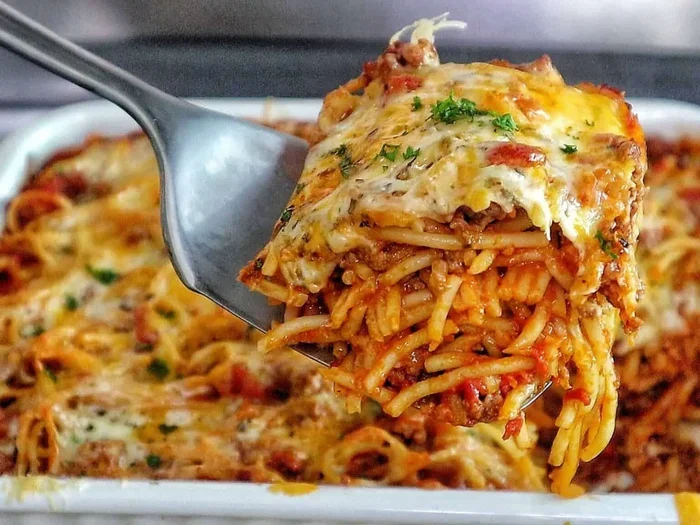
Reheating spaghetti in the oven is the best way to keep your leftover pasta moist, flavorful, and perfectly textured. This guide will show you exactly how to reheat spaghetti in the oven so you get crispy edges and creamy noodles every time. Follow our simple steps and say goodbye to dry, rubbery leftovers forever.
There’s something deeply satisfying about a big bowl of spaghetti leftovers. Whether you cooked too much for dinner or saved a portion from a restaurant, how to reheat spaghetti in the oven is a skill that transforms cold, sad noodles into a delicious meal again. That first bite of warm, saucy pasta can feel like a warm hug after a long day.
Many people reach for the microwave because it’s fast, but the microwave often turns spaghetti into a gummy, uneven mess. The oven, on the other hand, gently warms every strand while keeping the sauce intact and the texture just right. It’s the difference between a quick fix and a real meal revival.
In this guide, I’ll walk you through the exact steps to reheat spaghetti in the oven perfectly. You’ll learn the ideal temperature, how to add moisture, and the little tricks that make leftover pasta taste almost as good as fresh. By the end, you’ll never waste another plate of leftover spaghetti again.
Key Takeaways
- Use 350°F (175°C): This oven temperature heats spaghetti evenly without drying it out.
- Add a splash of water or sauce: Moisture prevents the noodles from becoming tough and sticky.
- Cover with foil for the first half: Traps steam to keep the spaghetti moist and reheated through.
- Remove foil for crispiness: Uncover for the last few minutes to get those delicious crispy edges.
- Check internal temperature: Ensure the spaghetti reaches 165°F (74°C) for safe reheating.
- Avoid the microwave when possible: The oven gives superior texture and flavor compared to microwaving.
📑 Table of Contents
- Why Reheating Spaghetti in the Oven Is the Best Method
- How To Reheat Spaghetti In The Oven: Step-by-Step Guide
- The Ideal Oven Temperature and Timing
- Tips for Perfectly Moist Leftover Spaghetti
- Common Mistakes That Ruin Reheated Spaghetti
- Expert Insights: How Chefs Reheat Pasta in the Oven
- How to Store Spaghetti for the Best Reheating Results
- Conclusion
Why Reheating Spaghetti in the Oven Is the Best Method
When it comes to oven reheating spaghetti, the results are miles ahead of any other method. The oven uses dry, circulating heat that warms the pasta evenly from edge to center. This slow process prevents the shock that cold spots cause in a microwave. The gentle warmth allows the sauce to re-emulsify and the starches to relax, giving you a creamy reheated spaghetti texture that feels freshly made.
The oven’s dry heat also promotes the Maillard reaction, a chemical process that browns the surface of the sauce and creates complex, deep flavors. Microwaves simply cannot brown food or develop those caramelized notes. When you reheat spaghetti in the oven, you are essentially giving the dish a second chance to build flavor.
The Science Behind Even Heating
Ovens heat food by surrounding it with hot air. This means every surface of your spaghetti gets touched by warmth. As the temperature rises, the sauce thickens slightly and clings to the noodles. The starches in the pasta gently rehydrate, giving you a creamy reheated spaghetti texture that feels freshly made.
In contrast, microwaves fire microwaves at water molecules, which creates steam pockets. Those pockets burst and leave your noodles rubbery. The oven avoids this entirely because there’s no sudden steam explosion. Additionally, the oven’s dry heat promotes the Maillard reaction on the surface of the sauce, creating complex flavors that microwaving simply cannot achieve.
Oven vs. Microwave: Why the Oven Wins
Let’s compare the two methods side by side.
| Method | Texture | Moisture Retention | Time | Best For |
|---|---|---|---|---|
| Oven | Crispy edges, tender center | Excellent – adds moisture if you follow the steps | 20–40 minutes | Large portions, sauce-heavy pasta |
| Microwave | Soft, often rubbery or soggy | Poor – steam escapes, dries edges | 2–5 minutes | Quick single serving when texture doesn’t matter |
| Stovetop | Slightly crispy bottom if pan-fried | Good – you control the moisture | 5–10 minutes | Small portions, adding fresh ingredients |
For those who care about quality, reheating spaghetti in the oven is the clear winner. It takes a bit longer, but the texture and flavor payoff is enormous.
How To Reheat Spaghetti In The Oven: Step-by-Step Guide
Now that you know why the oven works best, let’s dive into the exact process. Follow these steps and you’ll get perfect results every time.
Step 1: Preheat and Prep Your Dish
First, preheat your oven to 350°F (175°C). While it’s warming up, grab an oven-safe dish. A glass baking dish or a ceramic casserole works beautifully. If your spaghetti is already in a single layer, you can use the same dish. Otherwise, spread the leftovers out so they’re not piled more than two noodles deep. A wider, shallower dish is better than a deep one because it allows heat to reach the noodles evenly.
Step 2: Add Moisture to Prevent Drying
This is the secret most people miss. Dry spaghetti reheats into a stiff, unappetizing brick. To avoid that, add a small amount of moisture before baking.
- Splash of water: Drop 1–2 tablespoons of water over the noodles and gently toss them with a fork.
- Extra sauce: If you have leftover marinara or cream sauce, drizzle a thin layer over the top. This adds flavor and moisture.
- Olive oil or butter: A tiny drizzle of olive oil or a pat of butter coats the strands and prevents sticking.
The goal is just enough moisture to create steam, not enough to make the dish soupy. Think of it as a light mist, not a pour.
Step 3: Cover and Bake for Even Heat
Cover the dish tightly with aluminum foil. The foil traps steam, which acts as a gentle heating blanket. This ensures the spaghetti warms all the way through without the top drying out. If you don’t have foil, a tight-fitting oven-safe lid works just as well. Place the dish on the center rack of the oven. The center rack provides the most even heat distribution, avoiding the intense top heat of the upper element and the bottom heat of the heating element.
Step 4: Uncover for Crispy Edges
After the covered baking time, remove the foil. This is where the magic happens. The exposed surface will brown slightly and develop those satisfying crispy edges that make reheated spaghetti so delicious. Bake for an additional 5–10 minutes uncovered. Keep an eye on it to prevent burning. The sauce may bubble and sputter a little, which is normal and indicates the moisture is reducing to the perfect level.
Once the internal temperature reaches 165°F (74°C), your spaghetti is ready. Let it rest for a couple of minutes before serving. The residual heat will continue to warm the center, and the sauce will settle into a beautiful, cohesive consistency.
What If Your Spaghetti Is Frozen?
If you froze your spaghetti, you have two options. You can thaw it overnight in the refrigerator and then follow the regular steps. Or, you can reheat it from frozen by adding an extra 5–10 minutes to the covered baking time. Make sure to add a little extra moisture because frozen pasta releases more water during thawing. Stir gently before covering to break up any ice crystals.
The Ideal Oven Temperature and Timing
Getting the temperature right is crucial for oven reheating spaghetti. Too low and the pasta takes forever. Too high and the edges burn before the center warms up. The sweet spot is 350°F (175°C) for almost all types of spaghetti, whether it’s plain noodles, meat sauce, or creamy Alfredo.
Why 350°F (175°C) Is the Sweet Spot
350°F is the gold standard for reheating pasta. At this temperature, the heat is hot enough to warm the food efficiently but not so hot that it dries out the noodles. The sauce gently bubbles under the foil, infusing the pasta with flavor. If you set the oven to 400°F or higher, the top will crisp too quickly while the inside remains cold. On the other hand, 300°F is too low and can leave the spaghetti lukewarm in the center after 30 minutes.
If you have a convection oven, you can reduce the temperature by 25°F (to 325°F) because the fan circulates hot air more efficiently. Convection ovens also cut the baking time by about 25%. Just watch the spaghetti a few minutes earlier than the standard time to avoid overcooking.
How Long to Bake Based on Portion Size
The baking time depends on how much spaghetti you’re reheating. Here’s a general guide:
- Single serving (1–2 cups): 15–20 minutes covered, then 5–8 minutes uncovered.
- Family-sized portion (4–6 cups): 25–30 minutes covered, then 10–12 minutes uncovered.
- Large batch (8+ cups): 35–40 minutes covered, then 15 minutes uncovered.
Always use a food thermometer to check the internal temperature. The spaghetti should be steaming hot all the way through. If you’re unsure, pull the dish out and check the center with a fork. It should feel hot to the touch and the sauce should be bubbling gently.
Tips for Perfectly Moist Leftover Spaghetti
Even with the right temperature, a few extra tricks can elevate your leftover spaghetti from good to outstanding. These tips come from professional kitchens and home cooks alike.
The Splash of Water Trick
Before you cover the dish with foil, sprinkle 1–2 tablespoons of water directly over the noodles. Don’t pour it on; just a light sprinkle. As the oven heats the water, it turns into steam that penetrates the pasta. This rehydrates the starches and restores that just-cooked softness. Without this step, even the best oven can leave your spaghetti a bit stiff. The steam also helps loosen any sauce that has tightened up during storage.
Use Sauce to Your Advantage
If your spaghetti was originally coated in a thin sauce, it will dry out faster during storage. When reheating, add a little extra sauce or even a splash of pasta water. The starchy water not only adds moisture but also helps the sauce cling to the noodles again. This is especially helpful for creamy reheated spaghetti dishes like carbonara or Alfredo, where the sauce can separate when reheated. A splash of pasta water emulsifies the sauce, bringing it back to a silky consistency.
Don’t Overcrowd the Baking Dish
Packing the spaghetti tightly into a small dish traps steam unevenly. The bottom layers become mushy while the top stays cold. Use a wider, shallower dish if you have a large portion. Spreading the noodles out in a single layer allows hot air to circulate around every strand. This is one of the simplest ways to ensure even oven-baked spaghetti results. If you must stack the noodles, limit the layers to two and add a little extra moisture between them.
Quick Tips for Perfect Reheated Spaghetti
- Store properly: If you know you’ll be reheating later, store the spaghetti with a little extra sauce. This prevents it from drying out in the fridge.
- Stir gently: Before covering with foil, gently stir the spaghetti with a fork to separate any clumps. This ensures even heat distribution.
- Use a thermometer: Don’t guess the internal temperature. A quick-read thermometer takes the guesswork out of food safety.
- Rest before serving: Let the dish sit for 2–3 minutes after removing it from the oven. This allows the heat to settle and the sauce to thicken slightly.
- Fresh herbs at the end: Add basil, parsley, or oregano after baking. The oven’s heat will wilt them just enough to release their oils without turning them brown and bitter.
Common Mistakes That Ruin Reheated Spaghetti
Knowing what not to do is just as important as knowing the right steps. Avoid these pitfalls to keep your leftover pasta perfect every time.
Skipping the Moisture Additive
This is the number one mistake. People take cold spaghetti straight from the fridge, place it in a dish, and throw it in the oven. Without any added moisture, the pasta absorbs the residual steam and dries out. The noodles become chewy and the sauce turns into a thick, clumpy crust. Always add water, sauce, or oil before baking. It takes just five seconds and makes a world of difference.
Using Too High a Temperature
It’s tempting to crank up the heat to save time. But high temperatures cause the sauce to burn on the outside while the center remains cold. The spaghetti edges turn brown and bitter before the middle reaches a safe temperature. Stick to 350°F and be patient. Good food can’t be rushed.
Leaving the Foil On the Entire Time
Covering the dish with foil is essential for the first half of baking. But if you leave the foil on the whole time, you’ll end up with steamed, pale spaghetti that lacks any texture. The final uncovered phase is what gives you those crispy edges and concentrates the flavors. Don’t skip it. The last 5–10 minutes uncovered are what transform okay reheated spaghetti into something truly delicious.
Not Stirring Before Reheating
Cold spaghetti often clumps together in the container. If you don’t break up those clumps before placing it in the oven, you’ll end up with some noodles that are burning hot and others that are still cold. Gently separate the strands with a fork right before you add the moisture and cover. This simple step ensures every strand gets equal treatment.
Reheating Frozen Spaghetti Without Adjusting Time
Putting a solid block of frozen spaghetti straight into a hot oven leads to a cold center and overcooked edges. Always allow extra time or thaw it first. The gradual thawing in the fridge is the safest method because it keeps the spaghetti at a consistent temperature while reducing ice crystal formation that damages the noodle structure.
Expert Insights: How Chefs Reheat Pasta in the Oven
Professional kitchens use specific techniques to reheat pasta without compromising quality. These leftover pasta methods come from years of experience in restaurants and test kitchens.
The “Sizzle” Method for Restaurant-Quality Results
Many Italian chefs finish reheated pasta in a hot skillet on the stovetop, but the oven version works similarly. They preheat the oven-safe dish until it’s very hot before adding the spaghetti. This gives an immediate sizzle that sears the bottom slightly and prevents the noodles from sticking. You can do this at home by placing your empty dish in the oven while it preheats. Then carefully remove it with oven mitts, add the spaghetti and a splash of water, and return it to the oven. The sizzle indicates the pan is hot enough to start the cooking process immediately, which helps the sauce re-emulsify.
Finishing Touches: Fresh Herbs and Cheese
A simple finishing touch can make your reheated spaghetti taste like it was just made. After removing the dish from the oven, sprinkle fresh basil, parsley, or grated Parmesan on top. The residual heat will wilt the herbs just enough to release their aroma. For a richer finish, add a drizzle of high-quality olive oil or a few shavings of pecorino romano. These small touches elevate reheated spaghetti from a mere leftover to a deliberate, delicious meal. Don’t overlook the power of a finishing ingredient—it’s what separates a reheated meal from a fresh one.
How to Store Spaghetti for the Best Reheating Results
Reheating starts long before you turn on the oven. How you store your spaghetti the first time directly affects the final result. Proper storage keeps the noodles from sticking together and the sauce from separating.
Cool It Down Quickly
Never leave cooked spaghetti sitting at room temperature for more than two hours. Bacteria grow rapidly between 40°F and 140°F. Spread the leftovers in a thin layer on a baking sheet to cool them fast, then transfer to a container. Rapid cooling also prevents the starch from becoming overly gummy.
Choose the Right Container
Use an airtight container or a shallow pan covered with plastic wrap. Glass containers are excellent because they don’t absorb odors and heat evenly. If you have a lot of sauce, store it separately if possible. This gives you more control when you’re ready to reheat spaghetti in the oven. You can add just the right amount of sauce at reheating time, preventing a soggy mess.
Reheat Within Three Days
Cooked spaghetti stays safe in the fridge for up to four days, but the texture starts to decline after the second day. For the best results, plan to reheat your leftovers within three days. After that, the noodles may have absorbed too much moisture and lost their springy bite.
Conclusion
Reheating spaghetti in the oven doesn’t have to be a guessing game. With the right temperature, a little moisture, and a bit of patience, you can enjoy leftover spaghetti that tastes just as good as the first time around. Remember to preheat to 350°F, cover with foil for even heat, and uncover for those perfect crispy edges.
Now that you know exactly how to reheat spaghetti in the oven, you can save your leftovers with confidence. No more dry, rubbery noodles or sad microwave meals. Your oven will become your best tool for bringing yesterday’s dinner back to life. Give it a try tonight, and you’ll never go back to the microwave again.
Frequently Asked Questions
Can I reheat spaghetti in the oven without foil?
Yes, you can. If you don’t have aluminum foil, use a tight-fitting oven-safe lid or even a layer of parchment paper. The key is to trap steam during the first half of baking. Just keep an eye on the moisture level and add a splash of water if the noodles look dry.
What is the best temperature to reheat spaghetti in the oven?
The best temperature is 350°F (175°C). This moderate heat warms the spaghetti evenly without drying out the edges or burning the sauce. If your oven runs hot, you can drop it to 325°F and add a couple of extra minutes.
How long does it take to reheat spaghetti in the oven?
It depends on the portion size. A single serving takes about 15–20 minutes covered and 5–8 minutes uncovered. A large family-sized batch may need 35–40 minutes covered and 15 minutes uncovered. Always check that the center is steaming hot before serving.
Can I reheat frozen spaghetti directly in the oven?
Yes, but you should add extra time—about 10 minutes more than thawed spaghetti. For the best results, let it thaw in the refrigerator overnight first. If you reheat from frozen, make sure to add a little extra moisture to compensate for the ice crystals.
Why is my reheated spaghetti dry and sticky?
Dryness usually happens because no moisture was added before baking. Sticking occurs when the noodles were stored without a little oil or sauce. To fix this, always toss your spaghetti with a splash of water, olive oil, or extra sauce before covering it with foil and placing it in the oven.
Can I reheat spaghetti with meatballs in the oven?
Absolutely. The same method works perfectly for spaghetti and meatballs. Just make sure the meatballs are fully reheated to 165°F in the center. The sauce will help keep everything moist, and you may want to add a little extra sauce or water to keep the meatballs from drying out.