How To Make Pour Over Coffee Bodum Perfectly At Home
Making pour over coffee with a Bodum is one of the simplest ways to brew a rich, smooth cup at home. This guide walks you through every step, from choosing the right beans to mastering the pour. You will learn the exact coffee ratio, water temperature, and technique that brings out the best flavor in your Bodum brewer.
There is something truly special about a morning cup of coffee made with a Bodum pour over brewer. It is quiet, simple, and the result is a clean, rich cup that tastes far better than most drip machines produce. If you have been wondering how to make pour over coffee Bodum style at home, you are in the right place.
This method has grown in popularity because it gives you full control over every part of the brewing process. You choose the beans, the grind size, the water temperature, and the pour speed. That level of control means you can customize every cup to match your personal taste. Whether you are a complete beginner or a coffee lover looking to refine your routine, this guide will help you brew Bodum pour over coffee like a pro.
The beauty of the Bodum system is its simplicity. There are no buttons to press, no timers to set, and no complicated parts. Just hot water, ground coffee, a filter, and your Bodum dripper. In this article, we will walk you through every single step. You will learn what equipment you need, the best coffee-to-water ratio, the ideal water temperature, and common mistakes to avoid. By the end, you will be making restaurant-quality coffee in your own kitchen.
Key Takeaways
- Bodum pour over coffee makers are easy to use: They produce clean, flavorful coffee with minimal effort.
- Use fresh, medium-fine grounds: The grind size plays a huge role in the taste and strength of your coffee.
- Water temperature matters: Aim for 195°F to 205°F for the best extraction.
- The right coffee-to-water ratio is key: A 1:15 to 1:17 ratio gives a balanced and enjoyable cup.
- Clean your Bodum regularly: Proper maintenance keeps your coffee tasting fresh and your brewer lasting longer.
- Pouring technique affects flavor: A slow, steady spiral pour ensures even extraction.
- You can make pour over coffee without a machine: The Bodum method is simple, affordable, and delivers café-quality results at home.
📑 Table of Contents
What Is a Bodum Pour Over Coffee Maker
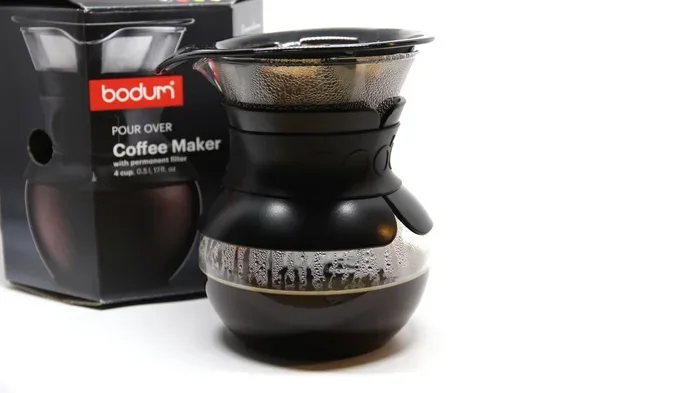
A Bodum pour over coffee maker is a simple brewing device made up of two main parts. The top piece holds the coffee grounds and filter, and the bottom piece is a glass carafe that catches the brewed coffee. Hot water is poured over the grounds manually, and gravity does the rest of the work. The water passes through the coffee and filter, dripping into the carafe below.
The most popular model is the Bodum Melior. It has a sleek glass design and a built-in filter holder that makes brewing effortless. The Bodum Santos is another well-known option that uses a permanent metal filter instead of paper filters. Both models produce excellent coffee, but they do so in slightly different ways.
Why Choose a Bodum for Pour Over Brewing
There are many reasons people choose a Bodum over other brewing methods. First, it is affordable. You do not need an expensive machine to make great coffee. Second, it is portable. You can use a Bodum dripper at home, in the office, or while traveling. Third, it gives you complete control over the brewing process.
Unlike automatic drip machines, a Bodum lets you decide exactly how much water touches the grounds and how fast it flows through. This means you can adjust the brew to suit your mood. Want a stronger cup? Use a finer grind and a slower pour. Want a lighter cup? Use a coarser grind and a faster pour. The Bodum brewing method puts you in charge of every cup.
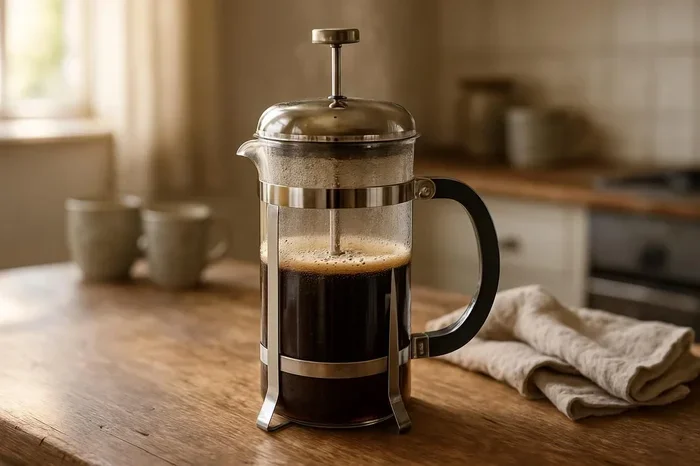
Many coffee enthusiasts also love that Bodum makers are easy to clean. The glass carafe can be washed by hand, and the filter holder removes quickly. If you are comparing methods, Bodum pour over coffee sits right between French press and espresso in terms of effort and control. It gives you more clarity and cleanliness than a French press, without the complexity and cost of an espresso machine.
What You Need to Get Started
Before you start brewing, you need a few basic items. The good news is that you probably already have most of them in your kitchen. Here is a simple list of everything you need to make pour over coffee Bodum style.
- A Bodum pour over dripper: This is the main tool. The Melior model is the most popular choice for home use.
- Bodum glass carafe or mug: The dripper sits on top of the carafe or a sturdy mug to catch the brewed coffee.
- Coffee filters: Use either paper filters or a permanent metal filter, depending on your Bodum model.
- Fresh coffee beans: Whole beans give the best flavor. Look for beans roasted within the last two weeks.
- A burr grinder: A burr grinder gives you a consistent grind size, which is essential for even extraction.
- Hot water: You will need water heated to the right temperature, which we will cover in detail.
- A gooseneck kettle (optional but recommended): A gooseneck kettle gives you better control over the pour speed and direction.
Choosing the Right Coffee Beans
The beans you choose have a big impact on the final taste. For Bodum pour over coffee, medium roast beans work best for most people. They offer a balanced flavor with notes of chocolate, caramel, and nuts. If you prefer a brighter, fruitier taste, try a light roast. If you like bold and smoky flavors, go for a dark roast.
Always buy whole beans and grind them just before brewing. Pre-ground coffee loses its flavor quickly. The moment coffee is ground, the oils and aromas start to fade. Grinding fresh is the single easiest way to improve your cup of coffee. If you are curious about how grind size affects strength, check out this guide on will grinding coffee beans finer make it stronger to understand the science behind it.
Step-by-Step Guide to Making Pour Over Coffee
Now that you have everything ready, let us walk through the actual brewing process. Follow these steps carefully, and you will notice a big difference in the taste of your coffee.
Step 1: Heat Your Water
Fill your kettle with fresh, cold water and bring it to a boil. Once the water reaches a full boil, remove it from the heat and let it sit for about 30 seconds. This brings the temperature down to the ideal range of 195°F to 205°F (90°C to 96°C). Water that is too hot will over-extract the coffee and make it bitter. Water that is too cool will under-extract it and leave it weak and sour.
If you do not have a thermometer, a good rule of thumb is to let boiling water rest for 30 to 45 seconds before pouring. This simple trick works every time and is used by professional baristas around the world.
Step 2: Grind Your Coffee
Measure out your coffee beans. For a standard Bodum dripper, use about 2 to 3 tablespoons of coffee (roughly 15 to 20 grams) for every 8 ounces of water. The ideal grind size for a Bodum pour over is medium-fine. Think of the texture of sea salt or sand. It is not as fine as espresso powder, but it is finer than the grind you would use for a French press.
Using a burr grinder ensures a consistent grind, which leads to even extraction. Avoid using a blade grinder if possible, as it creates an uneven mix of fine and coarse particles. This inconsistency can cause some parts of the coffee to over-extract and others to under-extract, resulting in a flat or bitter taste.
Step 3: Prepare the Filter
Place a paper filter into the Bodum dripper. If you are using a new paper filter, rinse it with hot water first. This removes any papery taste and also preheats the dripper and carafe. After rinsing, discard the rinse water and place the dripper on top of your carafe or mug.
Add the ground coffee to the filter and give it a gentle shake to level the surface. This creates an even bed of grounds, which helps the water flow through consistently.
Step 4: Bloom the Coffee
The bloom is one of the most important steps in pour over brewing. Start by pouring just enough hot water to saturate the grounds evenly. Use about twice the weight of the coffee. For example, if you used 20 grams of coffee, pour about 40 grams of water. Wait for 30 to 45 seconds.
During the bloom, you will see the coffee grounds puff up and release gas. This is carbon dioxide escaping from freshly roasted beans. The bloom allows the coffee to degas before the full pour begins, which leads to a more even and flavorful extraction. Skipping this step can result in uneven brewing and a less satisfying cup.
Step 5: Pour the Remaining Water
After the bloom, slowly pour the remaining hot water over the coffee grounds. Use a circular motion, starting from the center and working your way outward. Avoid pouring directly on the filter paper, as this can cause channeling and uneven extraction.
Pour in stages rather than all at once. A slow, steady pour gives the coffee more time to extract properly. The entire brewing process should take about 3 to 4 minutes from start to finish. If it finishes much faster, your grind may be too coarse. If it takes longer, the grind may be too fine.
Step 6: Serve and Enjoy
Once all the water has passed through the coffee, remove the dripper and discard the used filter and grounds. Give the carafe a gentle swirl to mix the coffee evenly. Pour into your favorite mug and enjoy it while it is hot. Bodum pour over coffee tastes best when consumed fresh, so try to drink it within 15 to 20 minutes of brewing.
Perfecting Your Pour Over Technique
Once you have the basic steps down, you can start fine-tuning your technique to get the exact flavor profile you love. Small adjustments can make a big difference in the final cup.
The Right Coffee-to-Water Ratio
The coffee-to-water ratio is the foundation of a great cup. A ratio of 1:15 to 1:17 works well for most Bodum pour over setups. This means 1 gram of coffee for every 15 to 17 grams of water. If you prefer a stronger cup, try a 1:15 ratio. For a lighter, more delicate taste, go with 1:17.
Using a kitchen scale is the best way to get consistent results. Scoops and tablespoons can be inaccurate, and even small differences in the amount of coffee can change the flavor noticeably. Once you find a ratio you love, stick with it and adjust only when you want to change the strength.
Water Temperature and Quality
Water temperature is one of the most overlooked factors in coffee brewing. The ideal range is 195°F to 205°F. Water that boils (212°F at sea level) is too hot and will extract bitter compounds from the grounds. Cold or lukewarm water will not extract enough flavor, leaving the coffee weak and sour.
The quality of your water also matters. Use filtered water whenever possible. Tap water can contain chlorine and minerals that affect the taste of your coffee. Clean, fresh water lets the true flavors of the beans shine through.
Pouring Technique Matters
How you pour the water has a direct impact on the extraction. A slow, steady, circular pour is the gold standard. Start in the center and spiral outward, then spiral back in. This ensures all the grounds are evenly saturated.
Avoid pouring too fast or too aggressively. A rushed pour can cause channeling, where water finds the path of least resistance and bypasses some of the coffee grounds. This leads to uneven extraction and a cup that tastes both weak and bitter at the same time. Patience is your best friend when making pour over coffee Bodum style.
Experimenting with Grind Size
If your coffee tastes too bitter or too strong, try using a slightly coarser grind. If it tastes too weak or sour, go a bit finer. Small adjustments make a big difference, so change the grind size in small increments. Keep notes on what you try so you can repeat what works.
Remember that the grind size also affects the brew time. A finer grind slows the water down, while a coarser grind speeds it up. If your coffee is dripping through too quickly, the grind is likely too coarse. If it is dripping too slowly, it may be too fine. Adjusting the grind is the most effective way to troubleshoot your brew.
Common Mistakes to Avoid
Even experienced coffee makers make mistakes from time to time. Here are the most common errors people make when brewing with a Bodum and how to fix them.
- Using boiling water: Boiling water scorches the coffee grounds and creates a bitter taste. Always let the water cool slightly before pouring.
- Grinding too fine or too coarse: The wrong grind size is the number one cause of bad-tasting pour over coffee. Aim for a medium-fine consistency.
- Skipping the bloom: The bloom allows gases to escape and prepares the grounds for even extraction. Do not skip this step.
- Pouring too much water at once: Flooding the grounds causes channeling and uneven brewing. Pour in slow, controlled stages.
- Using old or stale beans: Coffee beans start losing flavor within two weeks of roasting. Always use fresh beans for the best taste.
- Not cleaning the dripper regularly: Oils and residue build up over time and can affect the flavor of your coffee. Clean your Bodum after every use.
Cleaning and Maintaining Your Bodum
Keeping your Bodum clean is essential for making great coffee every time. Old coffee oils and residue can build up and make your next cup taste stale or rancid. The good news is that cleaning a Bodum is quick and easy.
After each use, remove the filter and discard the grounds. Rinse the dripper and carafe with warm water. If you use a permanent metal filter, give it a gentle scrub with a soft brush to remove any trapped grounds. For paper filters, simply throw them away and rinse the dripper.
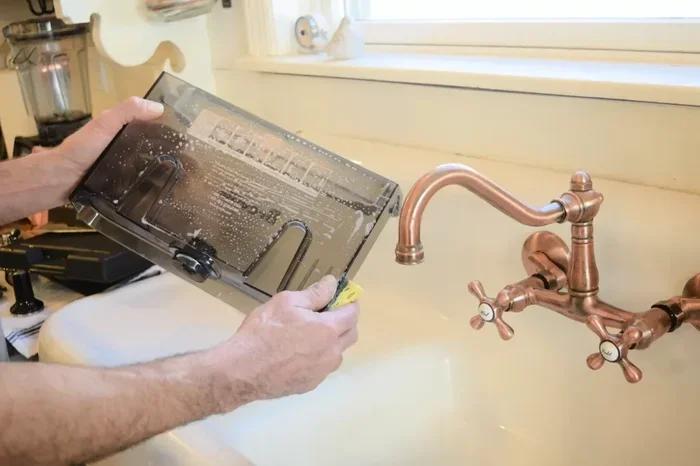
Once a week, give your Bodum a deeper clean. Wash all parts with warm water and mild dish soap. Dry everything thoroughly before storing. If you notice any stubborn stains or buildup, a mixture of baking soda and water works wonders. For more tips on keeping your coffee equipment in top shape, you can also check out how to clean a coffee machine water tank for additional advice.
Regular maintenance not only keeps your coffee tasting fresh but also extends the life of your Bodum brewer. A well-cared-for Bodum can last for years, making it a smart investment for any coffee lover. If you want to explore other simple coffee methods that do not require a machine, take a look at this guide on how to make coffee without a filter or machine for some easy alternatives.
Frequently Asked Questions
What type of coffee is best for a Bodum pour over?
Medium roast whole beans work best for a Bodum pour over. They provide a balanced flavor with notes of chocolate, caramel, and nuts. Light roasts offer brighter, fruitier flavors, while dark roasts give a bolder, smokier taste. Always grind your beans fresh just before brewing for the best results.
How do I know if my grind size is correct for a Bodum?
The ideal grind size for a Bodum pour over is medium-fine, similar to the texture of sea salt or sand. If your coffee tastes bitter or over-extracted, try a coarser grind. If it tastes weak or sour, go slightly finer. Adjusting the grind size is the easiest way to fine-tune your brew.
Can I use a Bodum pour over without a paper filter?
Yes, you can. The Bodum Santos model comes with a permanent metal filter that you can reuse. Metal filters let more of the natural oils through, which gives the coffee a fuller body. Paper filters produce a cleaner, brighter cup by catching more of the oils and fine particles.
How long does it take to brew pour over coffee with a Bodum?
The entire brewing process takes about 3 to 4 minutes. This includes the bloom phase, which takes 30 to 45 seconds, and the main pour, which takes about 2 to 3 minutes. If your brew finishes much faster or slower than this, check your grind size and adjust accordingly.
Is pour over coffee stronger than drip coffee?
Pour over coffee is often cleaner and more flavorful than standard drip coffee because the brewing process gives you more control. The strength depends on your coffee-to-water ratio and grind size. By adjusting these variables, you can make a cup that is stronger, lighter, or exactly how you like it.
Can I make multiple cups at once with a Bodum pour over?
Yes, the standard Bodum Melior dripper makes one large cup or two smaller cups at a time. For larger batches, you can repeat the process or use multiple drippers. Some people also use the Bodum carafe to brew a full pot by pouring the brewed coffee back and re-brewing, though this is not the recommended method for the best flavor.
Final Thoughts
Making pour over coffee Bodum style at home is easier than most people think. With just a few simple tools and a little practice, you can brew a cup of coffee that rivals anything you would find in a specialty café. The key is to pay attention to the details: fresh beans, the right grind size, proper water temperature, and a steady, patient pour.
Once you get the hang of it, you will not want to go back to automatic machines. The Bodum pour over method is quiet, satisfying, and gives you full control over every cup. Start with the basic steps in this guide, and then experiment to find your perfect brew. The more you practice, the better your coffee will get.
Remember, great coffee does not require expensive equipment. It requires good beans, the right technique, and a little bit of patience. Your Bodum dripper is all you need to start enjoying café-quality coffee in the comfort of your own home. So go ahead, grab your favorite beans, and make your next cup the best one yet.