Does Coffee Elevate Blood Pressure Here Is What Experts Say
Does coffee elevate blood pressure? The answer is yes, but only temporarily for most people. Caffeine can cause a short-term spike in both systolic and diastolic numbers, yet regular drinkers often develop a tolerance. Experts agree that moderate coffee consumption is generally safe for heart health, provided you monitor your response and avoid excess sugar.
For millions of people, a morning cup of coffee is non-negotiable. It kickstarts the day, sharpens focus, and offers a comforting ritual. Yet a persistent question lingers: does coffee elevate blood pressure? Many coffee lovers worry that their daily habit might harm their heart. The good news is that research paints a nuanced picture. Short-term spikes are real, but long-term risks are minimal for most healthy adults. This article breaks down the science, shares expert insights, and gives you practical steps to enjoy your brew without compromising heart health.
The relationship between caffeine and blood pressure is more complex than a simple yes or no. Factors like genetics, tolerance, and overall diet play a huge role. Does coffee elevate blood pressure in a dangerous way? For the average person, the answer is reassuringly no. However, if you have existing hypertension, the story changes slightly. Understanding the mechanics helps you make informed choices. Let’s dive into what the experts say and how you can keep your numbers in check.
Key Takeaways
- Temporary Spike: Coffee can raise blood pressure within 30 minutes, but the effect usually fades within a few hours.
- Tolerance Builds: Habitual drinkers may see a smaller rise than occasional consumers.
- Moderation Is Key: Limiting intake to 3–4 cups per day aligns with most heart-healthy guidelines.
- Watch the Additives: Sugar, cream, and flavored syrups can undermine cardiovascular benefits.
- Timing Matters: Drinking coffee after a meal blunts the blood pressure response.
- Sensitive Groups: People with hypertension or caffeine sensitivity should monitor their numbers closely.
📑 Table of Contents
- What Is Blood Pressure and How Does Coffee Affect It?
- What the Research Says About Caffeine and Blood Pressure
- How Much Coffee Is Too Much?
- Common Mistakes People Make with Coffee and Heart Health
- Expert Tips to Enjoy Coffee Without Spiking Blood Pressure
- Quick Tips for Coffee Drinkers
- Final Thoughts
What Is Blood Pressure and How Does Coffee Affect It?
Understanding Systolic and Diastolic Numbers
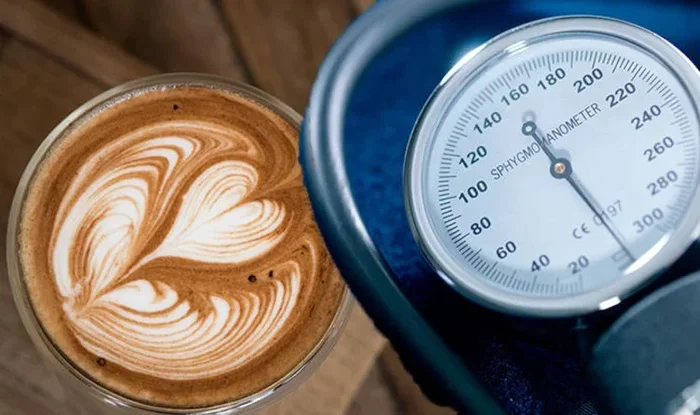
Blood pressure measures the force of blood pushing against your artery walls. It consists of two numbers. Systolic pressure is the top number, representing pressure when your heart beats. Diastolic pressure is the bottom number, showing pressure when your heart rests between beats. A normal reading sits around 120/80 mmHg. When does coffee elevate blood pressure, it often nudges both numbers upward for a brief period. This temporary increase happens because caffeine constricts blood vessels and stimulates the nervous system.
Just like a baking pan can bend in the oven due to uneven heat, your blood vessels may temporarily stiffen after a hot cup of coffee. The metal expands under stress, and similarly, your arteries react to the chemical stimulus of caffeine. This parallel helps illustrate why a short-term rise is a normal physiological response, not necessarily a sign of damage.
The Immediate Rise After a Cup
Studies show that caffeine can raise systolic pressure by 5 to 10 mmHg within 30 minutes of consumption. Diastolic pressure may climb by 3 to 5 mmHg. The effect peaks around 1 to 2 hours later. For a healthy person, this spike is fleeting. Blood pressure usually returns to baseline within 3 hours. If you check your blood pressure monitor right after drinking coffee, you might see a higher reading. That does not mean your heart is in danger. It simply means caffeine is doing its job as a mild stimulant.
What the Research Says About Caffeine and Blood Pressure
Short-Term Spike vs. Long-Term Effects
Many people ask, does coffee elevate blood pressure over time? The long-term data is reassuring. Large meta-analyses find no strong link between habitual coffee drinking and chronic hypertension. In fact, some studies suggest that moderate coffee intake is associated with a lower risk of heart disease. The short-term spike does not translate into sustained high blood pressure for most individuals. Your body adapts. Regular caffeine consumers develop a partial tolerance, blunting the pressor effect.
If you compare occasional drinkers to daily coffee lovers, the difference is striking. Occasional consumers often experience a noticeable jump in blood pressure after a cup. Daily drinkers show a much smaller response. This tolerance develops because the adenosine receptors in your brain become less sensitive to caffeine. The heart and blood vessels adjust as well. So the next time you wonder if your morning brew is hurting you, remember that consistency is your friend.
Who Is Most Sensitive?
Not everyone reacts the same way to caffeine. Genetics play a major role in how fast you metabolize coffee. Some people are slow metabolizers and experience a prolonged blood pressure elevation. Others are fast metabolizers and see little to no effect. Age, weight, and baseline heart health also matter. Older adults and those with existing high blood pressure tend to be more sensitive. If you fall into these groups, paying attention to how you feel after a cup is essential.
Interestingly, if you have ever noticed a baking pan bending in the oven after repeated heating cycles, you know metal expands under stress—similar to how arterial walls react to caffeine. The comparison is not perfect, but it highlights that repeated exposure changes how materials respond. Your blood vessels become less reactive over time, just as a seasoned baking pan might show less warping after many uses.
How Much Coffee Is Too Much?
Safe Caffeine Limits for Blood Pressure
Most health organizations agree that up to 400 milligrams of caffeine per day is safe for adults. That equals roughly 3 to 4 standard cups of brewed coffee. Staying within this limit helps you enjoy the benefits without overstimulating your cardiovascular system. If you drink more than 5 cups daily, you may notice jitters, insomnia, and a more persistent rise in blood pressure. The key is moderation.
For people with hypertension, the safe limit may be lower. Many experts recommend capping caffeine at 200 milligrams per day, or about 2 cups. Always consult your doctor if you have a heart condition. They can help you determine your personal threshold. A simple blood pressure monitor at home can track how different amounts of coffee affect you throughout the day.
Comparing Brew Methods
Not all coffee is created equal when it comes to caffeine intake. Brew methods influence the final caffeine content. A standard drip coffee contains about 80 to 100 milligrams per 8-ounce cup. Espresso packs more caffeine per ounce, but a single shot is only 1 ounce, so total intake is often lower. Cold brew tends to be higher in caffeine because of the long steeping time. French press coffee offers a full-bodied flavor with a caffeine level similar to drip. Understanding these differences helps you make choices that support stable blood pressure.
| Brew Method | Caffeine per 8 oz (approx.) | Effect on Blood Pressure |
|---|---|---|
| Drip Coffee | 80–100 mg | Mild, temporary spike |
| Espresso (1 shot) | 63 mg | Slight, short rise |
| Cold Brew | 100–200 mg | Stronger spike if consumed in large amounts |
| French Press | 80–135 mg | Moderate, similar to drip |
| Decaf Coffee | 2–5 mg | Negligible effect |
Common Mistakes People Make with Coffee and Heart Health
Ignoring the Sugar and Cream Factor
Black coffee has minimal calories and no added sugar. Yet many people turn their cup into a dessert. Flavored syrups, whipped cream, and whole milk can add significant sugar and saturated fat. These additives contribute to weight gain and insulin resistance, which are indirect drivers of high blood pressure. The coffee itself may not be the culprit; the extras are. Switching to a splash of milk or a natural sweetener in small amounts can protect your heart while preserving flavor.
Drinking Coffee on an Empty Stomach
Consuming coffee first thing in the morning before eating can amplify the blood pressure response. An empty stomach absorbs caffeine faster, leading to a sharper spike. Pairing your coffee with a balanced meal that includes protein, healthy fats, and fiber slows absorption and smooths out the effect. A simple breakfast like oatmeal with nuts or whole-grain toast with avocado can make a big difference. This small habit helps you enjoy your morning coffee without the jittery, elevated readings.
Expert Tips to Enjoy Coffee Without Spiking Blood Pressure
Timing Your Coffee Intake
When you drink coffee matters as much as how much you drink. Cortisol, your body’s natural stress hormone, peaks in the early morning. Drinking coffee during this peak can blunt cortisol production and cause a sharper blood pressure rise. Waiting 60 to 90 minutes after waking allows your cortisol to settle naturally. Then a cup of coffee provides a smoother energy boost without the harsh cardiovascular jolt. Many coffee lovers find that mid-morning or after lunch is the sweet spot.
Pair It with a Balanced Meal
As mentioned, food slows caffeine absorption. A meal rich in magnesium and potassium, such as a banana with yogurt or a spinach salad with salmon, can help counteract the mild pressor effect of caffeine. These minerals support healthy blood vessel relaxation. Think of your coffee habit as part of a broader heart-healthy pattern. When you combine it with nutrient-dense foods, the overall impact on cardiovascular health remains positive.
Stay Hydrated and Monitor Your Response
Caffeine is a mild diuretic, which means it can increase urine output. Dehydration thickens the blood and can raise pressure. Drinking a glass of water alongside your coffee helps maintain fluid balance. Keeping a simple log of your coffee intake and blood pressure readings over a week can reveal your personal sensitivity. Some people find that switching to decaf coffee in the afternoon eliminates late-day spikes entirely.
Quick Tips for Coffee Drinkers
- Limit caffeine to 400 mg per day, or about 3–4 cups of brewed coffee.
- Wait an hour after waking before your first cup to avoid cortisol interference.
- Choose black coffee or use minimal low-fat milk and natural sweeteners.
- Drink water alongside your coffee to stay hydrated.
- Check your blood pressure 30 minutes after drinking to understand your personal response.
- Opt for decaf in the late afternoon and evening to protect sleep quality.
Final Thoughts
So, does coffee elevate blood pressure? Yes, temporarily, and for most people, that is a harmless effect. The short-term rise in systolic and diastolic numbers does not translate into long-term heart damage for healthy adults. Moderation, timing, and mindful additions are your best tools. If you have hypertension or caffeine sensitivity, a little extra care goes a long way. Listen to your body, use a blood pressure monitor, and enjoy your coffee with confidence. The ritual can remain a joyful part of your day without compromising your heart health.
The science is clear. Coffee is not the villain many once feared. With the right approach, you can savor every sip and keep your numbers in a healthy range. Share these tips with a fellow coffee lover and make informed choices together.
Frequently Asked Questions
Can drinking coffee cause long-term high blood pressure?
For most people, no. Habitual coffee consumption does not cause chronic hypertension. The temporary spike fades, and tolerance develops. Long-term studies even link moderate intake to a lower risk of heart disease.
How long does caffeine affect blood pressure after drinking coffee?
The effect usually peaks within 1 to 2 hours and subsides within 3 hours. If you are sensitive, the rise may last longer. Monitoring your numbers with a blood pressure monitor can clarify your personal timeline.
Is decaf coffee safe for people with high blood pressure?
Yes. Decaf contains only 2 to 5 milligrams of caffeine per cup, which is negligible. It offers the flavor and antioxidants of coffee without the stimulant effect on blood pressure.
Does adding sugar to coffee raise blood pressure indirectly?
Yes, indirectly. Excess sugar can lead to weight gain and insulin resistance, which are risk factors for high blood pressure. Keeping additives minimal supports better heart health.
How many cups of coffee can I drink if I have hypertension?
Most experts recommend limiting caffeine to 200 milligrams per day, or about 2 standard cups. Always discuss your intake with your doctor, as individual tolerance varies.
Will quitting coffee lower my blood pressure significantly?
If caffeine is causing a noticeable spike, quitting may lower your readings by a few points. However, lifestyle factors like diet, exercise, and stress management have a much larger impact on long-term blood pressure control.