How To Make Coffee With No Filter And Still Get A Perfect Cup
Making coffee with no filter is easier than you think. You can brew a delicious cup using everyday household items like cloth, metal mesh, or even a clean sock. This guide covers the best how to make coffee with no filter methods so you never have to worry about running out of paper filters again.
There is nothing worse than waking up and realizing you are out of coffee filters. But here is the good news — you can still brew a fantastic cup. How to make coffee with no filter is a skill every coffee lover should know. Whether you are camping, traveling, or just out of supplies, these methods work beautifully. You do not need fancy equipment. A few simple household items can give you a clean, rich cup of coffee every single time.
Brewing coffee without a traditional filter has been around for centuries. People all over the world have been making coffee this way long before paper filters became popular. From cowboy coffee to Turkish coffee, the techniques are tried and true. In this guide, we will walk you through every method in detail. You will learn what works best, what to avoid, and how to get the perfect coffee taste every time.
Key Takeaways
- Multiple No-Filter Methods Exist: You can use cloth, metal mesh, a clean sock, or even a French press alternative to brew coffee without a standard paper filter.
- Household Items Work Great: Common kitchen items like cheesecloth, clean handkerchiefs, and mesh strainers can replace coffee filters effectively.
- Temperature Matters: Using water between 195°F and 205°F gives you the best extraction and a clean, rich coffee taste.
- Grind Size Is Key: A medium to coarse grind prevents over-extraction and keeps your coffee from tasting bitter when brewing without a filter.
- Cleaning Reusable Filters Is Easy: Regular washing and occasional boiling keeps your DIY coffee strainer hygienic and long-lasting.
- No Special Equipment Needed: You can make excellent coffee at home with items you already have in your kitchen.
📑 Table of Contents
- Why You Might Need To Brew Coffee Without A Filter
- The Best Methods For Making Coffee Without A Filter
- Step-By-Step Guide To The Most Popular No-Filter Methods
- Tips For Getting The Perfect Cup Every Time
- Common Mistakes To Avoid When Brewing Without A Filter
- Expert Insights On No-Filter Coffee Brewing
- Frequently Asked Questions
- Conclusion
Why You Might Need To Brew Coffee Without A Filter
There are many reasons you might find yourself without a coffee filter. Maybe you ran out of paper filters and the store is closed. Perhaps you are camping or traveling and forgot to pack them. Sometimes, you simply want a quicker, more sustainable way to brew your morning cup. Whatever the reason, knowing how to make coffee with no filter is a handy life skill.
Using alternative methods also reduces waste. Paper filters create trash every single day. Reusable options like cloth and metal mesh filter alternatives are better for the environment. They also save you money over time. Many coffee lovers discover that paperless brewing actually brings out different flavor notes in their coffee. The result can be a fuller body and a richer mouthfeel compared to paper-filtered coffee.
Common Situations Where You Need No-Filter Brewing
- Running out of paper filters: This happens to the best of us. A quick trip to the store might not be an option.
- Camping or outdoor trips: Packing extra supplies adds weight. A clean cloth or mesh strainer weighs almost nothing.
- Emergency preparedness: Having backup brewing methods keeps your coffee routine going when things get unpredictable.
- Sustainability goals: Reducing single-use items is a great reason to switch to reusable DIY coffee filter options.
- Curiosity and experimentation: Some brewers simply want to try new methods and explore different flavor profiles.
The Best Methods For Making Coffee Without A Filter
Not all coffee brewing methods without filters are created equal. Some produce a cleaner cup, while others leave more sediment. Below, we break down the most popular and effective methods for coffee without filter brewing. Each one has its own charm and unique results.
Method 1: The Cloth Filter Technique
A clean cloth is one of the best alternatives to a paper filter. Think of a cloth coffee filter like a handkerchief, cheesecloth, or even a clean cotton t-shirt piece. The cloth catches most of the grounds while letting the liquid pass through. This method produces a smooth cup with minimal sediment.
Here is how you do it. Place your cloth over a mug or carafe. Make sure it is secure and has no holes. Add your coffee grounds to the cloth. Pour hot water slowly over the grounds. The water will drip through into your mug below. The cloth holds back the grounds and gives you a clean brewing coffee experience.
After you are done, rinse the cloth thoroughly. You can even boil it to remove any oils. A well-maintained cloth filter can last for months. This is one of the most sustainable options for coffee without paper filter brewing.
Method 2: The Metal Mesh Strainer Approach
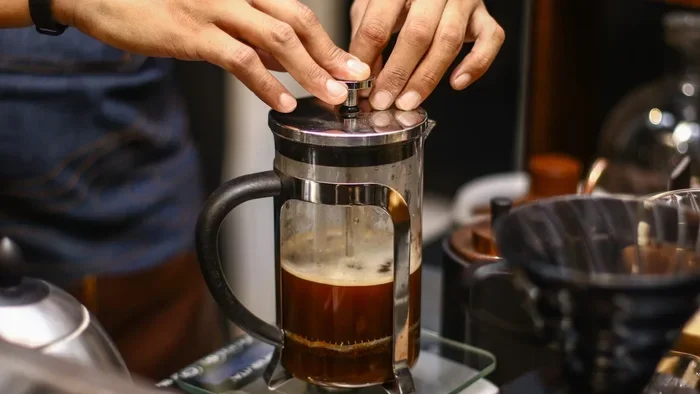
A metal mesh filter works similarly to what you find in a French press. You can use a small fine-mesh strainer or even a tea infuser. The metal catches the larger grounds while letting the liquid pass through. This method is quick and easy.
Place your mesh strainer over your mug. Add the coffee grounds. Pour hot water slowly and evenly over the grounds. Let it steep for about three to four minutes. Then gently press down or remove the strainer. You will notice a bit more sediment than with a paper filter, but the coffee taste is bold and full.
This method works especially well for stovetop coffee enthusiasts. If you are heating water on the stove, you can use the same pot to brew. Just remove the pot from heat, let the grounds settle, and pour carefully. Many people who love cowboy coffee swear by this approach.
Method 3: The Clean Sock Method
This might sound strange, but brewing coffee in a clean sock is a real thing. It has been used by campers and travelers for generations. The sock acts as a makeshift DIY coffee filter that catches the grounds while letting the liquid through.
Here is what you need to do. Take a brand-new or very clean cotton sock. Place your coffee grounds inside the sock and tie it off. Hang the sock over your mug or carafe. Pour hot water over the sock and let the coffee drip through. The result is a surprisingly clean cup of coffee with very little sediment.
Make sure the sock is completely clean and free of any detergent residue. Use only cotton socks. Synthetic materials can affect the coffee taste and might not hold up to hot water. This method is perfect for camping coffee or any situation where you need a quick solution.
Method 4: The Settling Method (Turkish Style)
This ancient method comes from Turkish coffee tradition. It requires no filter at all. Instead, you let the grounds settle to the bottom of the cup naturally. The result is a strong, rich, and unfiltered coffee experience that is full of flavor.
Boil very finely ground coffee in water for about two to three minutes. Pour the liquid into your cup slowly, leaving the grounds behind in the pot. The grounds will settle to the bottom of the cup. You drink the coffee carefully, avoiding the sediment at the bottom. This method produces an incredibly rich and intense coffee taste that many coffee lovers enjoy.
The key here is the grind size. Turkish coffee uses a very fine grind. If you are using a regular grind, the settling will not work as well. Adjust your hot water extraction time based on your grind size for the best results.
Step-By-Step Guide To The Most Popular No-Filter Methods
Now that you know the main methods, let us walk through the step-by-step process for the two most popular approaches. These will give you the best results every time you brew coffee with no filter.
Step-by-Step: Cloth Filter Brewing
- Boil your water and let it cool for about 30 seconds. The ideal temperature for hot water extraction is between 195°F and 205°F.
- Place a clean cloth or cheesecloth over your mug or carafe. Secure it with a rubber band if needed.
- Add two tablespoons of medium-coarse coffee grounds per six ounces of water.
- Pour the hot water slowly over the grounds. Start with a small amount and let it bloom for 30 seconds.
- Continue pouring the rest of the water evenly over the grounds.
- Let it drip through for about three to four minutes.
- Remove the cloth and rinse it immediately. You can reuse the cloth for future brews.
- Enjoy your fresh, clean cup of brewing coffee.
Step-by-Step: Metal Mesh Strainer Brewing
- Heat your water to the proper temperature range of 195°F to 205°F.
- Place a fine-mesh metal strainer or tea infuser over your mug.
- Add two tablespoons of medium-coarse coffee grounds to the strainer.
- Pour hot water over the grounds slowly and evenly.
- Let the coffee steep for three to four minutes.
- Remove the strainer and give the coffee a gentle stir.
- Let the remaining grounds settle for one to two minutes before drinking.
- Enjoy your rich, bold cup of coffee without filter brewing.
Tips For Getting The Perfect Cup Every Time
Brewing coffee with no filter is simple, but a few tips can make a huge difference in the final cup. These practical suggestions will help you get the best possible coffee taste every time you try these methods.
Use the Right Water Temperature
Water temperature is one of the most important factors in brewing great coffee. Too hot and you will over-extract, making the coffee bitter. Too cool and you will under-extract, resulting in a weak and sour cup. The sweet spot is between 195°F and 205°F. If you do not have a thermometer, just bring your water to a boil and let it sit for about 30 seconds before pouring.
Interestingly, if you are using a kitchen oven to heat water, you can check out how to use a brand new oven for temperature guidance. The same principles of controlled heating apply to brewing great coffee.
Grind Size Makes All the Difference
When you are not using a paper filter, the grind size becomes even more important. A medium to coarse grind works best for most no-filter methods. Fine grounds will slip through cloth and mesh and create a gritty cup. Coarse grounds extract more slowly and give you a cleaner result.
Think of it this way. If you were using a paper filter, the paper catches even very fine particles. Without that filter, you need the grounds to be large enough to be caught by your cloth or mesh alternative. A good rule of thumb is to grind slightly coarser than you normally would for drip coffee.
Ratio Matters for Consistent Results
Getting the right ratio of coffee to water ensures every cup tastes great. A standard ratio is two tablespoons of coffee grounds for every six ounces of water. You can adjust this based on your personal preference. Like it stronger? Add more grounds. Prefer a lighter cup? Use a bit less.
Keep Your Equipment Clean
Clean equipment is essential for great-tasting coffee. Residual oils and old grounds can make your coffee taste off. If you are using a kitchen appliance like a toaster oven to heat water or warm up your mug, make sure it is clean. Learn how to clean the bottom tray of your toaster oven to keep your kitchen appliances in top shape for all your coffee-making needs.
Store Your Reusable Filters Properly
If you are using a cloth or mesh filter, proper storage matters. After each use, rinse the filter thoroughly and let it air dry. Do not store it damp, as this can lead to mold and bacteria growth. Every few weeks, give your reusable filter a deep clean by boiling it in water for a few minutes. This keeps it fresh and ensures your clean coffee tastes great every time.
Common Mistakes To Avoid When Brewing Without A Filter
Even though brewing without a filter is straightforward, there are a few common pitfalls. Avoiding these mistakes will help you get the best possible results every time.
Using Water That Is Too Hot
Boiling water can scorch your coffee grounds and create a bitter taste. Many people make the mistake of pouring boiling water directly onto the grounds. Always let your water cool slightly after boiling. The ideal range is 195°F to 205°F. This gives you the best extraction without burning the coffee.
Using the Wrong Grind Size
Using too fine a grind is the most common mistake in no-filter brewing. Fine grounds will pass through cloth and mesh and end up in your cup. This creates a gritty, unpleasant drinking experience. Always go with a medium to coarse grind when you are not using a paper filter. The larger particles are much easier to separate from the liquid.
Rushing the Process
Good coffee takes time. Many people try to speed up the brewing process by pouring water too quickly or not letting the coffee steep long enough. Patience is key. Give your coffee the time it needs to extract properly. A slow, steady pour produces the best results.
Skipping the Pre-Wet Step
Before you brew, wet your coffee grounds first. This step is called blooming. It allows the grounds to release carbon dioxide and begin the extraction process. Skipping this step can lead to uneven extraction and a less flavorful cup. Simply pour a small amount of hot water over the grounds and wait 30 seconds before continuing.
Not Cleaning Your Reusable Filter
If you are using a cloth or mesh alternative, cleaning it properly is essential. Old coffee oils build up over time and can go rancid. This affects the coffee taste of your next brew. Always rinse your filter after each use and give it a deep clean regularly. A well-maintained filter lasts a long time and produces excellent coffee.
Expert Insights On No-Filter Coffee Brewing
Professional baristas and coffee experts agree that brewing without a filter can produce outstanding coffee. The key is understanding the fundamentals of extraction and using the right tools. Many coffee competitions feature brewing methods that do not rely on paper filters. This shows just how versatile and effective no-filter brewing can be.
One important insight from coffee professionals is that the method you choose affects the flavor profile significantly. Cloth filters remove some oils but let more body through. Metal mesh filters let more oils and fine particles through, creating a richer, fuller cup. The settling method produces the most intense flavor since no barrier exists between the grounds and the water.
If you are interested in using your kitchen appliances for more than just brewing coffee, a versatile tool like a Farberware air fryer toaster oven can serve many purposes in the kitchen. From reheating leftovers to warming up beverages, these multi-function appliances are incredibly useful.
Another tip from the experts is to experiment with different coffee beans. No-filter methods tend to highlight different flavor notes compared to paper-filtered coffee. Try a light roast one day and a dark roast the next. You might be surprised at how the coffee taste changes with each method. The lack of a paper filter allows more of the natural oils to shine through in your cup.
Finally, do not be afraid to get creative. Some of the best coffee brewing methods were invented by people who simply did not have the right equipment on hand. A clean sock, a piece of cloth, or a metal strainer can all produce amazing results. The beauty of how to make coffee with no filter is that there is no single right way. Find what works best for you and enjoy the process.
Frequently Asked Questions
Can I use a paper towel as a coffee filter?
Yes, you can use a paper towel as a makeshift coffee filter in a pinch. Place the paper towel inside your mug or dripper, add the coffee grounds, and pour hot water over them slowly. Paper towels work similarly to paper filters and catch most of the grounds. Just make sure the paper towel is clean and free of any chemicals or fragrances. This is one of the easiest coffee without filter solutions you can try at home.
Is cowboy coffee the same as coffee made without a filter?
Yes, cowboy coffee is a type of coffee made without a filter. It involves boiling coffee grounds directly in water and then letting the grounds settle to the bottom before pouring. The method gets its name from cowboys who brewed coffee over a campfire using this simple technique. It is one of the oldest and most straightforward coffee brewing methods that requires no special equipment.
How do I clean a reusable cloth coffee filter?
Rinse your cloth filter thoroughly with warm water after each use to remove coffee oils and grounds. For a deeper clean, boil the cloth in water for five to ten minutes every few weeks. You can also add a small amount of white vinegar to the boiling water to remove any built-up oils. Let the cloth air dry completely before storing it. Proper cleaning ensures your clean coffee tastes great and your filter lasts for months.
Does coffee made without a filter taste different?
Yes, coffee made without a filter often tastes different from paper-filtered coffee. Without a paper barrier, more of the natural oils from the coffee grounds end up in your cup. This creates a fuller body and a richer mouthfeel. Some people prefer this taste, while others find it too heavy. The coffee taste also depends on your grind size, water temperature, and brewing time. Experiment with these variables to find your perfect cup.
Can I use a tea strainer to make coffee without a filter?
Absolutely. A tea strainer or tea infuser works well as a coffee strainer alternative. The fine mesh catches most of the coffee grounds while allowing the liquid to pass through. Use a medium to coarse grind to prevent grounds from slipping through the mesh. This method gives you a clean cup with minimal sediment and is one of the quickest ways to brew coffee with no filter at home.
What is the best grind size for no-filter coffee brewing?
A medium to coarse grind works best for most no-filter brewing methods. Fine grounds will pass through cloth, mesh, and other alternatives and create a gritty cup. Coarse grounds extract more slowly and stay behind in your filter or strainer. If you are using the settling method, a finer grind can work since the grounds sink to the bottom. Adjust your grind size based on the method you choose for the best coffee taste and texture.
Conclusion
How to make coffee with no filter is a simple and rewarding skill that every coffee lover should have. Whether you are using a cloth filter, a metal mesh strainer, a clean sock, or the traditional settling method, you can brew a delicious cup of coffee with items you already have at home. The key is to use the right water temperature, choose the proper grind size, and take your time with the process.
Remember that practice makes perfect. Each method produces a slightly different flavor profile, so do not be afraid to experiment. Try different coffee beans, adjust your ratios, and find the technique that works best for your taste. With a little patience and the right approach, you can enjoy a perfect cup of coffee every single morning — no filter required. Embrace these coffee brewing methods and never let a missing filter ruin your day again.