How To Grind Coffee With Mortar And Pestle At Home
Grinding coffee with a mortar and pestle at home is one of the simplest ways to get fresh coffee without a machine. This method gives you full control over grind size, flavor, and freshness. Whether you prefer a coarse grind for French press or a fine powder for Turkish coffee, a mortar and pestle handles it all. You only need a few minutes, some whole beans, and a basic kitchen tool. Read on to learn the exact steps, tips, and tricks for perfect hand grinding every time.
There is something deeply satisfying about grinding your own coffee beans by hand. The aroma that fills your kitchen as you crush whole beans is unlike anything else. How To Grind Coffee With Mortar And Pestle is a skill that has been around for centuries. Long before electric grinders existed, people used this simple tool to prepare their daily cup of coffee. Today, many coffee lovers are going back to this traditional method. It is quiet, affordable, and gives you complete control over your brew.
If you have ever wondered whether a mortar and pestle can really replace a coffee grinder, the answer is yes. It might take a little more effort, but the results are worth it. You get to decide exactly how coarse or fine your coffee grounds are. This matters a lot for the taste of your final cup. In this guide, we will walk you through everything you need to know. From choosing the right tool to mastering the grinding technique, we have you covered.
Key Takeaways
- Full Control: Grinding with a mortar and pestle lets you adjust the texture exactly how you like it.
- No Electricity Needed: This is a manual method that works anywhere, even during power outages.
- Fresh Flavor: Hand grinding releases more oils and aroma compared to pre ground coffee.
- Affordable: You do not need an expensive grinder. A simple mortar and pestle works great.
- Versatile: This tool can also grind spices, herbs, and other ingredients for your kitchen.
- Quick Cleanup: A quick rinse keeps your mortar and pestle ready for the next use.
📑 Table of Contents
- Why Grind Coffee With Mortar And Pestle At Home
- Choosing The Right Mortar And Pestle For Coffee
- Step By Step Guide To Grinding Coffee Beans
- Getting The Perfect Grind Size For Your Brew Method
- Cleaning And Maintaining Your Mortar And Pestle
- Tips And Tricks For Perfect Hand Ground Coffee
- Expert Insights On Hand Grinding Coffee
- Key Takeaways
Why Grind Coffee With Mortar And Pestle At Home
More and more people are choosing to grind their own coffee at home. There are many good reasons for this. First, fresh ground coffee tastes better. The flavors stay locked inside whole beans until you break them open. Once you grind them, the oils and aromas start to release right away. This means your coffee will taste richer and more complex.
Using a mortar and pestle also gives you something that electric grinders cannot. You feel the process. You can hear the beans cracking and changing texture. This hands on approach connects you to your coffee in a deeper way. It is almost meditative. Many people find the repetitive motion calming and enjoyable.
No Electricity Required
One of the biggest advantages of using a mortar and pestle is that it does not need power. You can grind your coffee anywhere. During a power outage, while camping, or in a tiny apartment with limited outlets, this tool still works perfectly. It is one of the most reliable kitchen tools you can own.
Save Money Over Time
Electric coffee grinders can be expensive. A good one might cost you fifty dollars or more. A basic mortar and pestle costs much less. You can find a decent set for under twenty dollars. Plus, there are no moving parts to break or replace. A good mortar and pestle can last you for years, even decades, with proper care.
Better Than Pre Ground Coffee
Store bought pre ground coffee loses its freshness fast. Within two weeks of opening the bag, much of the flavor is gone. When you grind your own beans just before brewing, you get the full flavor profile. Every cup tastes better and more vibrant. This is why so many coffee experts recommend grinding at home.
Choosing The Right Mortar And Pestle For Coffee
Not all mortars and pestles are created equal. The material, size, and shape all matter when you are grinding coffee beans. Let us look at what to look for so you can pick the best one for your needs.
Material Matters Most
The material of your mortar and pestle affects how well it grinds coffee. Here are the most common options:
- Granite: This is the best choice for grinding coffee. Granite is hard and rough, which helps break down beans quickly. It does not absorb flavors easily either.
- Marble: Marble works well but is smoother than granite. You might need to grind a bit longer to get a fine texture.
- Ceramic: Ceramic mortars are lighter and easier to handle. They work fine for small batches of coffee.
- Wood: Wooden mortars are not ideal for coffee. They can absorb oils and flavors over time, which may affect taste.
For the best results, go with a granite mortar and pestle. It is the most popular choice among home coffee enthusiasts. The rough surface helps grind beans faster and more evenly.
Size Considerations
Choose a mortar that is large enough for your needs. A small mortar works fine if you only grind coffee for one cup at a time. A larger mortar lets you grind more beans in one session. For most households, a mortar that is about six to eight inches wide works well. The pestle should feel comfortable in your hand and be heavy enough to do the work without too much effort.
Can You Use A Spice Mortar For Coffee
Yes, you can use a spice mortar for coffee. Many kitchens already have one. The key is to make sure it is made of a hard material like granite or marble. Avoid plastic mortars, as they can scratch and wear down quickly. Also, make sure the mortar has a rough interior surface. Smooth surfaces make grinding slower and less effective.
Step By Step Guide To Grinding Coffee Beans
Now let us get into the process. Grinding coffee with a mortar and pestle is simple, but there is a technique to it. Follow these steps for the best results every time.
Step One: Measure Your Beans
Start by measuring out the coffee beans you need. A good rule of thumb is two tablespoons of whole beans per cup of coffee. If you are making coffee for more people, adjust the amount accordingly. It is better to grind in small batches. This gives you more control over the texture and prevents the beans from overheating.
Step Two: Add a Small Amount of Salt (Optional)
Here is a tip many experienced grinders use. Add a small pinch of salt to the mortar before adding the beans. The salt helps absorb moisture and prevents the beans from sticking to the sides. It also helps break down the beans faster. You only need a tiny pinch, so do not add too much.
Step Three: Start Grinding
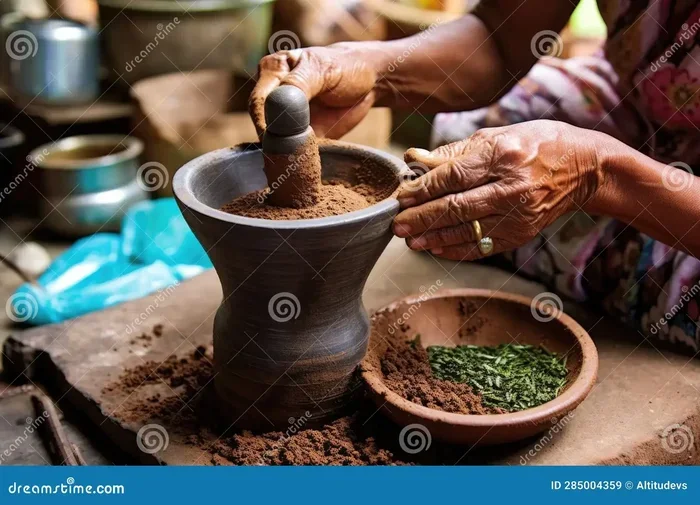
Place the pestle in the mortar and begin pressing down and twisting. Use a steady circular motion. Do not rush this process. Let the pestle do the work. If you press too hard, you might crack the beans instead of grinding them evenly.
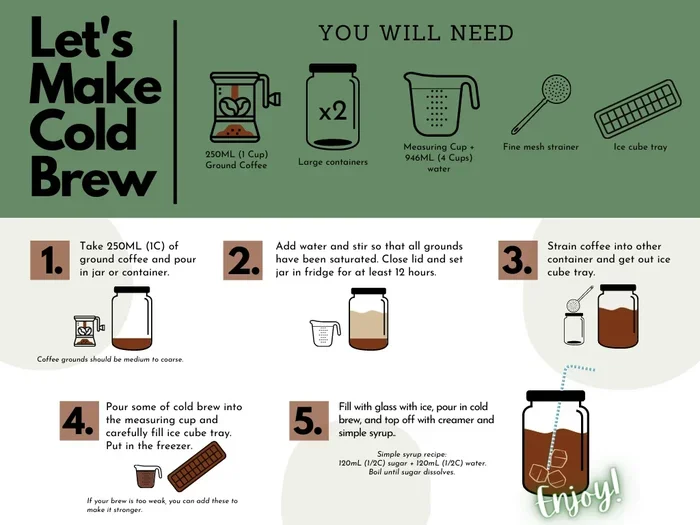
For a coarse grind, which works best for French press or cold brew, grind for about one to two minutes. Check the texture often by pinching some grounds between your fingers. For a fine grind, which is better for pour over coffee or espresso, you will need to grind for three to five minutes. Keep going until you reach the texture you want.
Step Four: Check the Grind Size
Stop regularly to check your progress. The grind size matters a lot for the final taste of your coffee. Here is a quick guide:
- Extra Coarse: Looks like rough sea salt. Best for cold brew.
- Coarse: Similar to kosher salt. Ideal for French press.
- Medium Coarse: Like rough sand. Good for drip coffee makers.
- Medium: Like regular sand. Works well for pour over coffee.
- Fine: Like table salt. Best for espresso or Turkish coffee.
- Extra Fine: Like flour. Used for very strong, traditional coffee styles.
When you find the right texture, stop grinding. Over grinding can make the coffee taste bitter because the coffee extraction happens too fast.
Step Five: Transfer and Brew
Once you have reached your desired grind size, pour the grounds into your brewing device. Tap the mortar gently to get all the grounds out. You can now brew your coffee however you prefer. Whether you use a French press, a pour over cone, or a simple mug, hand ground coffee gives you a wonderful cup every time.
Getting The Perfect Grind Size For Your Brew Method
The grind size you choose changes everything about your coffee. Different brewing methods need different textures. Let us break this down so you can match your grind to your favorite way of making coffee.
Coarse Grind For French Press
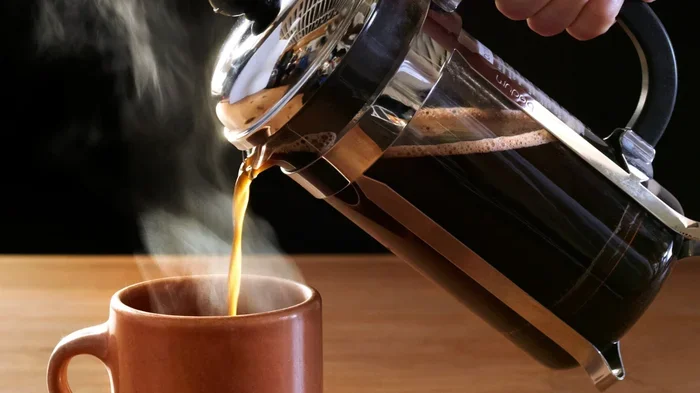
A French press needs a coarse grind because the coffee steeps in water for several minutes. If the grounds are too fine, they will pass through the filter and make your coffee gritty. Coarse grounds also extract more slowly, which gives you a smooth, full bodied cup. Aim for a texture that looks like breadcrumbs or rough sea salt.
Medium Grind For Drip Coffee
For a standard drip coffee maker, a medium grind works best. It is not too coarse and not too fine. This size allows water to flow through the grounds at the right speed. The result is a balanced cup with good flavor and a clean finish.
Fine Grind For Pour Over And Espresso
Pour over coffee and espresso require a finer grind. The water passes through the grounds quickly, so a finer texture increases the surface area. This leads to better extraction and a stronger, more flavorful cup. When grinding by hand, achieving a fine texture takes more time and effort. Be patient and keep grinding until the consistency is uniform.
If you want to explore more ways to prepare coffee without a machine, check out How To Make Coffee Without Filter Or Machine. It is a great companion guide for coffee lovers who enjoy simple methods.
Turkish Coffee: The Finest Grind
Turkish coffee requires the finest grind possible. The grounds should be almost powdery, like flour. This style of coffee is brewed directly in water, so the particles need to be as small as they can be. Grinding coffee to this level with a mortar and pestle takes the longest. Expect to spend five to ten minutes on a small batch. But the result is a rich, thick, and incredibly flavorful cup that is worth the effort.
Cleaning And Maintaining Your Mortar And Pestle
Taking care of your mortar and pestle is important. A well maintained grinding tool lasts longer and produces better results. Coffee oils can build up over time, which may affect the taste of future batches. Here is how to keep your tool in top shape.
Daily Cleaning Routine
After each use, tap out the remaining coffee grounds. Rinse the mortar and pestle with warm water. Do not use soap. Soap can leave a residue that absorbs into the material and affects the flavor of your coffee. Use a soft brush or cloth to remove any stubborn particles. Dry the pieces thoroughly before storing them.
Deep Cleaning Once A Week
Once a week, give your mortar and pestle a deeper clean. You can grind a small amount of uncooked rice in the mortar. The rice acts as a natural abrasive and helps remove built up oils. After grinding the rice, throw it away and rinse the mortar thoroughly with warm water. This simple trick keeps your tool fresh and ready for the next use.
Dealing With Stains And Odors
If your mortar develops stains or absorbs strong odors, there is an easy fix. Grind some lemon zest or a few cloves of garlic in the mortar. These natural ingredients help neutralize smells. Afterward, rinse well and dry completely. For tough stains, make a paste of baking soda and water, spread it inside the mortar, and let it sit for a few minutes before rinsing.
Keeping your kitchen tools clean is important for overall kitchen hygiene. If you are looking for more kitchen cleaning tips, you might find useful information on how to clean bottom tray of toaster oven, which covers maintaining another essential kitchen appliance.
Storing Your Mortar And Pestle
Store your mortar and pestle in a dry place. Moisture can cause damage over time, especially to wooden or ceramic tools. Granite and marble are more durable, but they still benefit from a dry storage spot. Avoid placing heavy items on top of your mortar, as this can cause cracks or chips.
Tips And Tricks For Perfect Hand Ground Coffee
Grinding coffee with a mortar and pestle is easy once you get the hang of it. Here are some extra tips that will help you get the best results.
- Use room temperature beans: Cold beans from the fridge can be harder to grind and may not break down as evenly. Let them sit at room temperature for a few minutes before grinding.
- Grind in small batches: Overfilling the mortar makes the process harder and less effective. Stick to small amounts for the best texture.
- Use a rocking motion: Instead of just twisting, try a gentle rocking motion with the pestle. This helps break down the beans more evenly.
- Keep your pestle dry: Moisture can make the grounds stick to the mortar. Make sure both the pestle and mortar are dry before you start.
- Experiment with roast levels: Dark roasted beans grind differently than light roasted beans. Dark roasts are more brittle and break down faster, while light roasts need more time and effort.
- Store beans properly: Keep your whole coffee beans in an airtight container in a cool, dark place. Fresh beans grind better and produce a more flavorful cup.
Common Mistakes To Avoid
Even experienced home baristas make mistakes when grinding coffee by hand. Here are a few to watch out for:
- Grinding too fast: Rushing the process leads to uneven grounds. Take your time and let the tool do the work.
- Using a damaged mortar: If your mortar has chips or cracks, the grounds may mix with small pieces of material. Always inspect your tool before use.
- Adding too many beans at once: Overloading the mortar makes it impossible to grind evenly. Stick to small batches.
- Skipping the cleaning: Old coffee oils build up and can make your next batch taste stale or off. Clean your mortar after every use.
For those who enjoy exploring different kitchen tools and techniques, learning how to use various appliances can be rewarding. If you are curious about other kitchen equipment, check out How To Use Farberware Air Fryer Toaster Oven for tips on getting the most from your kitchen gadgets.
Expert Insights On Hand Grinding Coffee
Many professional baristas and coffee roasters recommend hand grinding as a way to truly understand your coffee. When you grind by hand, you become more aware of the beans, the roast level, and the grind size. This awareness translates into better brewing decisions and a better cup of coffee.
According to coffee experts, the key to great hand ground coffee is consistency. Try to grind all the beans to the same size. Uneven grounds lead to uneven extraction, which means some parts of your coffee taste over extracted and bitter, while other parts taste under extracted and sour. Taking your time and grinding evenly makes a big difference in the final cup.
Another expert tip is to smell your beans before grinding. Fresh coffee beans should have a strong, pleasant aroma. If they smell flat or stale, they are past their prime. Always use beans that were roasted within the last two to four weeks for the best flavor.
Some coffee lovers also like to experiment with blending different beans before grinding. You can mix a light roast with a dark roast to create a custom flavor profile. Hand grinding makes this easy because you can control the process step by step. It is a fun way to develop your own signature coffee blend at home.
Remember that practice makes perfect. The first few times you grind coffee with a mortar and pestle, it might feel slow or awkward. That is completely normal. After a few sessions, you will develop a rhythm and the process will become second nature. Before long, you will not want to go back to pre ground coffee.
Key Takeaways
- Full Control Over Grind Size: You decide exactly how coarse or fine your coffee grounds are, giving you the perfect cup every time.
- No Electricity Needed: A mortar and pestle works anywhere, making it a reliable backup or primary grinding method.
- Fresh Flavor Every Time: Grinding just before brewing preserves the natural oils and aromas of the coffee beans.
- Affordable and Durable: A good mortar and pestle costs very little and lasts for years with proper care.
- Versatile Kitchen Tool: Beyond coffee, you can use it to grind spices, herbs, and other ingredients for cooking.
- Easy to Clean: A quick rinse and occasional deep clean with rice keeps your tool in excellent condition.
Frequently Asked Questions
Can I grind flavored coffee beans in a mortar and pestle?
Yes, you can grind flavored coffee beans with a mortar and pestle. The process works the same way as grinding regular beans. However, flavored beans may leave a stronger residue in your mortar. Make sure to clean it thoroughly after each use to prevent the flavor from transferring to your next batch of coffee.
How long does it take to grind coffee with a mortar and pestle?
It typically takes about one to five minutes depending on how fine you want the grind. A coarse grind for French press takes about one to two minutes. A fine grind for Turkish coffee can take five to ten minutes. The more beans you add, the longer it will take. Working in small batches gives you the best results.
Is grinding coffee with a mortar and pestle better than using an electric grinder?
Both methods have their advantages. A mortar and pestle gives you more control and does not require electricity. Electric grinders are faster and more convenient for larger batches. The best choice depends on your needs, budget, and how much time you want to spend on your morning routine.
What type of mortar and pestle is best for grinding coffee?
Granite mortar and pestle sets are the best choice for grinding coffee. Granite is hard, durable, and has a rough surface that helps break down beans quickly. Marble and ceramic are also good options. Avoid wood or plastic mortars, as they do not grind effectively and can absorb coffee oils over time.
Can I use my mortar and pestle for both coffee and spices?
Yes, a mortar and pestle is very versatile. You can use it for grinding coffee, spices, herbs, garlic, and more. Just make sure to clean it thoroughly between uses, especially if you switch from strong spices to coffee. This prevents flavor transfer and keeps your coffee tasting pure.
Does grinding coffee fresh make a noticeable difference in taste?
Absolutely. Freshly ground coffee tastes significantly better than pre ground coffee. The natural oils and aromas are preserved until the moment you grind the beans. This results in a richer, more flavorful cup of coffee. Once you start grinding fresh at home, it is hard to go back to store bought grounds.
=== CONCLUSION ===
How To Grind Coffee With Mortar And Pestle At Home is a simple yet rewarding skill that every coffee lover should try. It gives you fresh, flavorful coffee with full control over the grind size. You do not need expensive equipment or electricity. All you need is a good mortar and pestle and a handful of whole beans. The process takes just a few minutes, and the results are far superior to pre ground coffee.
Whether you prefer a coarse grind for your French press or a fine powder for Turkish coffee, a mortar and pestle delivers every time. It is an affordable, durable, and versatile kitchen tool that has stood the test of time. Start experimenting with different grind sizes and brewing methods today. You will be amazed at how much better your morning coffee tastes when you grind it fresh by hand.
Take your time, enjoy the process, and savor every sip of your perfectly hand ground coffee. Happy brewing!