How To Bake Perfect Crispy Fries In Convection Oven
Baking fries in a convection oven is the easiest way to get crispy, golden potatoes at home. This guide shows you how to bake fries in convection oven with simple steps, the right temperature, and a few pro tricks. You will learn how to make frozen fries or fresh-cut potatoes turn out perfectly crispy on the outside and soft on the inside. Whether you want snack fries or a full side dish, this method works every time. Follow along and turn your convection oven into a fries-making machine.
Key Takeaways
- Use 400°F to 425°F: This temperature range gives you the best crispy fries in a convection oven.
- Preheat always: A hot oven is the secret to fries that crisp up fast and evenly.
- Don’t crowd the pan: Spread fries in a single layer so hot air flows around each one.
- Flip halfway through: This simple step ensures even browning on all sides.
- A little oil goes a long way: Tossing fries with olive oil or avocado oil adds crunch and flavor.
- Fresh fries beat frozen: But frozen fries work great too with the right technique.
- Season right after baking: Salt and seasonings stick better when fries are still hot.
📑 Table of Contents
Why Convection Oven Is Best For Baking Fries
Let’s talk about why a convection oven is the best tool for making fries at home. A regular oven has one heating element, usually at the bottom. A convection oven has a fan that blows hot air all around the food. This means fries cook faster and more evenly.
When you bake fries in convection oven, the hot air wraps around each fry. It pulls moisture away from the surface. This is exactly what creates that crispy golden shell everyone loves. The inside stays soft and fluffy while the outside turns perfectly crunchy.
Many people also use an air fryer oven for fries. These work on the same principle. A countertop convection oven with a fan does the job beautifully. You don’t need a deep fryer or a lot of oil. Just a light coating and a hot oven.
The fan also helps fries bake without turning. Well, you should still flip them once. But the hot air circulation does most of the work. You get restaurant-quality fries with far less effort than you’d expect.
Here is a quick look at why convection baking beats regular baking for fries:
- Faster cooking time: Fans move hot air, so fries bake 15-20% faster.
- Even browning: No hot spots. Every fry gets the same golden color.
- Crispier texture: Moving air removes surface moisture quickly.
- Less oil needed: You get crunch without deep frying.
- Flexible batch sizes: Convection ovens come in many sizes to fit your needs.
The Science Behind Crispy Fries
Here is a fun fact. When starch in potatoes hits high heat, something called the Maillard reaction happens. This is a chemical reaction that turns the surface brown and crunchy. It also creates amazing flavor compounds.
For this reaction to work well, two things matter. Heat must be high enough. And moisture must be low enough on the surface. A convection oven handles both of these perfectly. The fan dries the surface faster. The high heat triggers that golden browning.
This is why people who love crispy fries swear by convection baking. You simply cannot get the same results in a regular oven without extra steps. The fan does the heavy lifting for you.
Choosing The Right Potatoes For Your Fries
Not all potatoes are equal when it comes to baking fries. The type of potato you pick affects texture, crispiness, and taste. Let’s break down the best options.
Russet Potatoes
Russet potatoes are the gold standard for homemade fries. They have high starch content and low moisture. This means they puff up nicely inside while the outside turns crispy. Most restaurant fries are made from russet or russet-type potatoes.
If you want fries crispy outside and soft inside, reach for russets. They are easy to find at any grocery store. They also absorb seasonings well, which adds great flavor.
Yukon Gold Potatoes
Yukon Gold potatoes are a great alternative. They have a buttery flavor and creamy texture. They are medium-starch, so they hold their shape better than russets. Some people prefer Yukon Gold for thinner fries or oven-baked fries that stay tender.
Fresh vs Frozen Fries
You can make fries from scratch or use frozen ones. Both work well in a convection oven. Fresh fries give you more control over size and seasoning. Frozen fries are super convenient and still turn out crispy.
Here is a quick comparison to help you decide:
| Feature | Fresh Fries | Frozen Fries |
|---|---|---|
| Prep Time | 15-20 minutes | Zero prep |
| Texture Control | High | Good |
| Flavor | Best natural taste | Slightly processed |
| Convenience | Lower | Very high |
| Cost | Lower per serving | Slightly higher |
| Best For | Fancy homemade fries | Quick weeknight snacks |
If you use frozen fries, do not thaw them first. Put them straight from the freezer onto the baking sheet. Frozen fries already have some oil on them. This helps with crispiness right out of the oven.
Step-By-Step Guide To Baking Fries In Convection Oven
Now let’s get into the heart of the matter. Here is a simple, foolproof method for making perfect crispy fries in your convection oven. Follow these steps and you will never go back to soggy fries again.
Step 1: Preheat Your Oven
Always preheat your convection oven before baking fries. Set it to 400°F to 425°F (200°C to 220°C). Preheating is crucial. A hot oven immediately starts crisping the outside of the fries. If you put fries in a cold oven, they will steam and turn out soft.
Give your oven at least 10-15 minutes to reach the right temperature. Most ovens beep when they are ready. Do not skip this step. It makes a huge difference in the final result.
Step 2: Prep Your Potatoes
If you are using fresh potatoes, start by washing them well. Cut them into uniform sticks about 1/4 to 1/2 inch thick. Uniform size means even cooking. No more biting into a raw piece while another is burnt.
Soak the cut potatoes in cold water for 30 minutes to an hour. This removes excess surface starch. Less starch means less sticking and crispier results. After soaking, dry them thoroughly with a clean towel or paper towels. Moisture is the enemy of crispy fries.
If you are using frozen fries, skip the prep work. Just take them out of the bag and move to the next step.
Step 3: Season And Oil
Put your fries in a large bowl. Drizzle with olive oil or avocado oil. Use about 1-2 tablespoons per pound of potatoes. Toss well so every fry gets a light coating.
Now add your seasonings. Salt is essential. But you can also add garlic powder, paprika, black pepper, or dried herbs. Be creative with your fries recipe. The seasoning options are endless.
Quick Tip: Do not add too much oil. A light coating is all you need. Too much oil makes fries greasy instead of crispy. You want them to look slightly glossy, not dripping wet.
Step 4: Arrange On The Baking Sheet
This step is super important. Line a large baking sheet with parchment paper or a silicone baking mat. This prevents sticking and makes cleanup a breeze.
Spread the fries in a single layer. Do not overlap them. Leave space between each fry so hot air can circulate freely. Crowding the pan is the number one mistake people make when baking fries. It leads to steamed, soggy fries instead of crispy ones.
If you have a lot of fries, use two baking sheets or bake in batches. It is worth the extra effort. Your crispy potatoes will thank you.
Step 5: Bake And Flip
Place the baking sheet on the middle rack of your convection oven. Bake at 400°F to 425°F for about 20-25 minutes. Set a timer so you do not forget about them.
After 10-12 minutes, open the oven and flip the fries. Use a spatula or tongs to turn each fry over. This ensures both sides get crispy and golden brown. It is a small step that makes a big difference.
Continue baking for another 10-15 minutes after flipping. The total cooking time usually ranges from 20 to 30 minutes depending on thickness and oven model.
Step 6: Check For Doneness
Look for golden brown color all around. Pull one fry out and let it cool for a minute. Bite into it. The outside should be crunchy and the inside should be soft and fluffy.
If they need more time, put them back for 3-5 more minutes. Check again. Do not walk away from the oven entirely during the last few minutes. Fries can go from perfectly done to burnt quickly.
Step 7: Season And Serve Immediately
Once the fries are done, remove them from the oven right away. While they are still hot, add a final sprinkle of salt and any extra seasonings you like. Salt sticks better to hot fries.
Serve immediately. Fries are at their best right out of the oven. They start to lose crispiness as they cool. If you must hold them for a few minutes, keep them on a wire rack instead of a plate. This prevents steam from building up underneath.
Tips For Maximum Crispiness
Want to take your oven-baked fries to the next level? Here are some expert tips that make a real difference.
Use The Right Pan
A light-colored baking sheet works best. Dark pans can over-brown the bottoms of fries before the tops are done. If you only have a dark pan, raise the rack to the upper third of the oven. This keeps the bottoms from burning.
Some people swear by using a wire cooling rack placed over a baking sheet. This allows air to flow underneath the fries too. The result is even crispier potato fries all around.
Double Fry Method For Extra Crunch
Here is a pro trick. Bake the fries once at 400°F for 15 minutes. Pull them out and let them rest for 5 minutes. Then bake again at 425°F for another 10-12 minutes. This double bake method creates an incredibly crispy shell.
This works because the rest period lets moisture redistribute. When you bake again, the surface dries out fast and crisps up beautifully. Try this method once and you will never go back to a single bake.
Keep Fries At Room Temperature Before Baking
If using frozen fries, take them out of the freezer 10 minutes before baking. Letting them warm up slightly helps them cook more evenly. Cold fries straight from the freezer can cook unevenly in the center.
Do Not Skip The Parchment Paper
Parchment paper prevents sticking without adding extra grease. It also creates a tiny buffer between the fry and the hot pan. This helps the bottom of the fry crisp up without burning.
Experiment With Temperature
Every convection oven is slightly different. If your fries are not crispy enough, try raising the temperature by 10-15 degrees next time. If they brown too fast, lower it slightly. Keep notes so you can replicate your perfect batch every time.
Common Mistakes To Avoid
Even with the best recipe, some mistakes can ruin your fries. Here are the most common ones and how to avoid them.
Overcrowding The Pan
This is the biggest mistake home cooks make. When fries are piled on top of each other, steam gets trapped. Steam makes fries soft and soggy. Always give each fry space to breathe.
Skipping The Preheat
A cold oven means fries start cooking slowly. They absorb too much oil and turn greasy. Always preheat for at least 10 minutes before the fries go in.
Not Drying Potatoes After Soaking
If you soak fresh-cut fries, dry them completely before seasoning. Water on the surface creates steam in the oven. Steam is the enemy of crispiness. Pat them dry with a towel or let them air dry for a few minutes.
Using Too Much Oil
A light coating is perfect. Too much oil makes fries heavy and greasy. You want just enough to help seasonings stick and promote browning. Less is more when it comes to oil.
Opening The Oven Door Too Often
Every time you open the door, heat escapes. This slows down cooking and can affect crispiness. Check on your fries quickly and close the door fast. Trust the process and let the oven do its work.
Seasoning Too Early
Add salt and seasonings after the fries come out of the oven. Salt draws moisture from the fries while they bake. This moisture prevents crispiness. Season right before serving for the best flavor and texture.
Best Seasoning Ideas For Homemade Fries
Seasoning is what turns plain fries into something amazing. Here are some delicious combinations to try with your fries crispy outside and soft inside.
Classic Salt And Pepper
Never underestimate the power of good old salt and pepper. Use coarse sea salt for the best crunch. Freshly cracked black pepper adds a subtle warmth. This classic combo never gets old.
Garlic Parmesan
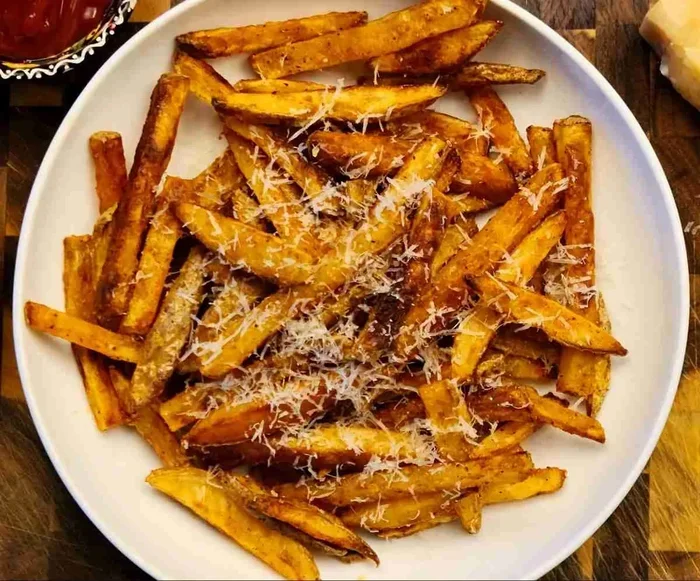
Toss hot fries with grated parmesan cheese and garlic powder. Add a tiny pinch of Italian seasoning. This combination tastes like your favorite restaurant appetizer. Kids and adults both love it.
Smoky Paprika And Cumin
For a savory, slightly spicy kick, mix smoked paprika, cumin, and a pinch of cayenne. This seasoning blend pairs perfectly with dipping sauces. It adds a warm, smoky flavor that is hard to resist.
Ranch Seasoning
Mix ranch dry seasoning mix with a little garlic powder. Sprinkle over hot fries right out of the oven. This is a crowd-pleaser for parties and family dinners.
Truffle Oil And Sea Salt
For a fancy touch, drizzle a tiny bit of truffle oil over your fries. Add flaky sea salt and fresh parsley. This elevates simple fries into a gourmet snack. Perfect for special occasions.
Curry Spice Blend
Try turmeric, garam masala, and a touch of chili powder for an Indian-inspired twist. This seasoning works amazingly well with both potato fries and sweet potato fries. Add a squeeze of lime for extra brightness.
Expert Insights On Baking Fries
Professional chefs and home cooking experts share a few insights that can elevate your fries game significantly.
Chef’s Tip: “The single most important factor in making crispy fries is the surface moisture. Dry your potatoes thoroughly, and your fries will be crispy every time.” This advice holds true whether you are baking in a regular oven or a convection oven.
Another expert tip involves the type of oil you use. Oils with a high smoke point work best for high-heat baking. Avocado oil, refined olive oil, and grapeseed oil all handle high temperatures well without burning or smoking.
Some cooks also recommend adding a tiny bit of cornstarch to fresh-cut fries before baking. The cornstarch absorbs surface moisture and promotes extra crunch. It is a small addition that yields surprisingly crispy results.
For those who love snack fries, consider serving them with a homemade dipping sauce. A simple mix of mayo, ketchup, and a dash of hot sauce takes fries from good to great. The right dip can completely transform the eating experience.
Remember that fresh fries taste best within 10-15 minutes of coming out of the oven. If you need to keep them warm for a short time, place them on a wire rack in a warm oven set to 200°F. This keeps them crispy while you finish preparing the rest of the meal.
Key Takeaways
- Preheat your convection oven to 400-425°F for the best crispy results.
- Spread fries in a single layer on a parchment-lined baking sheet.
- Flip fries halfway through baking for even golden browning.
- Dry potatoes thoroughly to remove surface moisture for maximum crispiness.
- Season after baking while fries are still hot for the best flavor.
- Avoid overcrowding the pan to allow proper air circulation.
- Experiment with seasonings to find your perfect fries recipe.
Conclusion
Baking fries in a convection oven is one of the simplest and most rewarding cooking skills you can learn. You do not need fancy equipment or years of experience. Just a hot oven, a little oil, and some good potatoes.
With the right oven temperature, proper spacing, and a few smart tips, you can make fries that rival any fast-food restaurant. The convection oven does the hard work for you. Its fan circulates hot air evenly around every fry, creating that perfect crispy exterior and soft interior.
Whether you prefer fresh-cut russet fries or convenient frozen ones, this method works beautifully. The key is patience and attention to detail. Do not rush the preheat. Do not crowd the pan. And always flip your fries halfway through.
Now that you know how to bake fries in convection oven, it is time to put this knowledge into action. Try the recipe this weekend. Experiment with different seasonings. Share your crispy creations with family and friends. Once you taste homemade crispy fries fresh from the oven, you will never want to go back to store-bought frozen ones again.
So preheat that oven, grab some potatoes, and get ready to enjoy the best fries you have ever made. Happy baking!
Frequently Asked Questions
What temperature should I bake fries in a convection oven?
Set your convection oven to 400°F to 425°F for the best results. This temperature range ensures fries turn crispy on the outside while staying soft on the inside. Always preheat the oven before adding your fries for even cooking.
How long do you bake fries in a convection oven?
Most fries bake in 20 to 30 minutes in a convection oven. The exact time depends on the thickness of your fries and whether they are fresh or frozen. Flip them once halfway through for even browning and crispiness.
Do I need to thaw frozen fries before putting them in the convection oven?
No, do not thaw frozen fries before baking. Place them directly from the freezer onto your prepared baking sheet. Thawing adds moisture, which makes fries less crispy. A hot convection oven will cook them perfectly straight from frozen.
Can I use aluminum foil instead of parchment paper for baking fries?
Yes, you can use aluminum foil, but parchment paper works better. Foil can cause the bottom of fries to over-brown or stick. Parchment paper provides a non-stick surface and allows better air circulation for crispier results.
Why are my baked fries soggy instead of crispy?
Soggy fries usually happen for three reasons: overcrowded pan, too much moisture, or not enough heat. Make sure to spread fries in a single layer, dry them thoroughly after washing, and always preheat your convection oven properly before baking.
What is the best oil to use for baking fries in a convection oven?
Avocado oil, refined olive oil, and grapeseed oil work best for high-heat baking. These oils have high smoke points and add minimal flavor. Avoid unrefined olive oil or butter, which can burn at the high temperatures needed for crispy fries.