How Many Ounces Is a 12 Cup Coffee Maker Capacity Guide
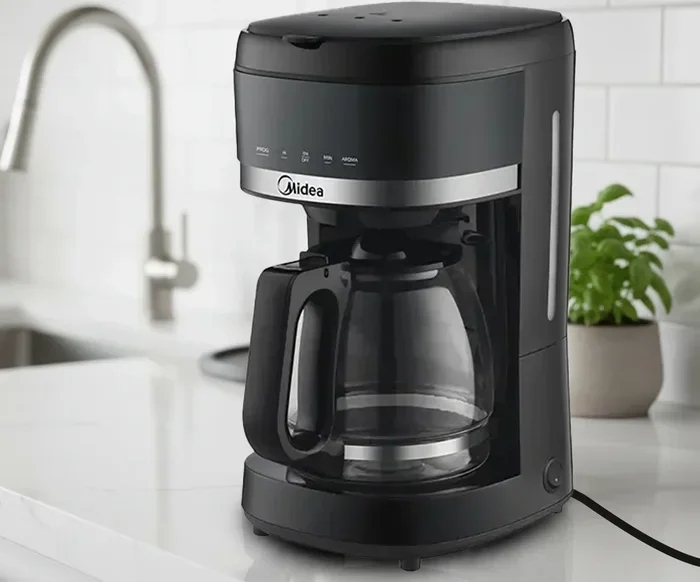
A 12 cup coffee maker holds about 60 ounces of water, which equals roughly 12 standard 5-ounce cups. Understanding your coffee maker capacity helps you brew the right amount of coffee for your household. This guide covers everything from ounces and measurements to brewing ratios and tips for the perfect cup.
A 12 cup coffee maker is one of the most popular kitchen appliances in homes across the country. But here is the question that trips up so many people: how many ounces is a 12 cup coffee maker, really? The answer might surprise you. Most people assume a 12 cup machine makes 12 mugs of coffee. But that is not quite how it works.
In this guide, we will break down the coffee maker capacity in plain, simple terms. You will learn exactly how many ounces your machine holds, why the numbers can be confusing, and how to brew the perfect pot every single time. Whether you are a casual coffee drinker or someone who brews multiple pots a day, this guide has you covered.
Key Takeaways
- A 12 cup coffee maker typically holds 60 ounces: This is based on the standard 5-ounce coffee cup measurement used by manufacturers.
- The actual serving size varies: A 12 cup machine can serve anywhere from 6 to 12 people depending on cup size preferences.
- Use the right coffee-to-water ratio: Aim for about 12 tablespoons of coffee grounds for a full 12 cup brew.
- Measurements matter for taste: Overfilling or underfilling your machine can lead to weak or bitter coffee.
- Regular cleaning keeps your machine running well: Just like you would clean the bottom tray of a toaster oven, your coffee maker needs routine maintenance too.
- Know your cup size: The standard coffee cup is 5 ounces, but mugs hold 8 to 12 ounces, which changes how many servings you actually get.
📑 Table of Contents
- What Does 12 Cup Mean on a Coffee Maker?
- How Many Ounces Is a 12 Cup Coffee Maker?
- Understanding Coffee Cup Sizes
- The Right Coffee-to-Water Ratio for Your 12 Cup Machine
- Tips for Getting the Best Brew From a 12 Cup Coffee Maker
- Common Mistakes People Make With 12 Cup Coffee Makers
- How a 12 Cup Coffee Maker Compares to Other Brewing Methods
- How to Choose the Right 12 Cup Coffee Maker for Your Needs
- Frequently Asked Questions
What Does 12 Cup Mean on a Coffee Maker?
When you see the number 12 on your coffee maker, it refers to the number of standard coffee cups the machine can brew. But here is the catch. A standard coffee cup in the coffee maker world is not the same as the mug sitting on your kitchen counter.
Coffee makers use a 5-ounce cup as their baseline. So a 12 cup machine is designed to brew 12 cups of 5 ounces each. That gives you a total of 60 ounces of water capacity. This is the industry standard set by coffee maker manufacturers for decades.
Now, if you pour that 60 ounces of coffee into 12-ounce mugs, you will only get 5 full mugs. That is a big difference from what you might expect. This is why so many people wonder whether their coffee maker is broken or not making enough coffee. It is not broken. It is just using a different cup measurement.
Understanding this basic fact is the first step to mastering your coffee maker measurements. Once you know the math, you can adjust your brewing to match your actual cup size and household needs.
How Many Ounces Is a 12 Cup Coffee Maker?
The short answer is 60 ounces. But let us dig deeper into why this number matters and how it affects your daily brew.
The Standard Measurement
Coffee maker manufacturers design their machines to brew 5-ounce cups. This has been the standard since the mid-20th century. A 12 cup coffee maker is built to hold 60 ounces of water in its reservoir. When you fill it to the max line, you are adding 60 ounces of water.
Here is a quick breakdown of common coffee maker sizes:
- 4 cup coffee maker: 20 ounces
- 6 cup coffee maker: 30 ounces
- 8 cup coffee maker: 40 ounces
- 10 cup coffee maker: 50 ounces
- 12 cup coffee maker: 60 ounces
- 14 cup coffee maker: 70 ounces
These numbers are based on the 5-ounce cup standard. If you want to know how many actual mugs your machine can serve, divide the total ounces by the size of your mugs. A 12 cup machine with 8-ounce mugs gives you about 7 to 7 and a half servings.
Why Manufacturers Use 5-Ounce Cups
You might wonder why manufacturers do not just use 8-ounce cups. The reason comes down to tradition and marketing. A 12 cup coffee maker sounds more impressive than a 60-ounce coffee maker. The smaller cup number makes the machine seem larger and more capable.
Also, the 5-ounce cup size dates back to the early days of drip coffee makers. At that time, cups were smaller, and coffee was often served in smaller portions. The standard stuck around even as mug sizes grew over the years.
Knowing this helps you plan your brewing. If you have a family of four and everyone drinks a full 12-ounce mug, a 12 cup machine will only make enough for about 5 servings. You might want to brew two pots or consider a larger machine.
Understanding Coffee Cup Sizes
Cup sizes are one of the most confusing parts of buying and using a coffee maker. The word cup means different things in different contexts. Let us clear up the confusion.
The Coffee Maker Cup
As we mentioned, a coffee maker cup is 5 ounces. This is the measurement used on the water reservoir and in the product specifications. When a box says 12 cups, it means 12 servings of 5 ounces each.
This is important to remember when you are shopping for a new machine. If you need to serve a crowd, look at the total ounces rather than the cup number. A machine labeled 12 cups might not be enough for a brunch party.
The Mug Cup
A standard coffee mug holds 8 to 12 ounces of liquid. Some oversized mugs go even bigger, up to 16 ounces. If you drink your coffee from a large mug, you will get fewer servings from a 12 cup machine than the number on the box suggests.
For example, if you use 10-ounce mugs, a full 60-ounce pot gives you 6 mugs of coffee. That is half the number printed on the machine. Keep this in mind when you are entertaining guests or brewing for a family breakfast.
The Espresso Cup
Espresso cups are much smaller, typically holding 2 to 3 ounces. If you were to serve espresso from a 12 cup coffee maker, you would get about 20 to 30 espresso cups. But of course, drip coffee makers are not designed for espresso.
The point is simple. The type of cup you use changes everything. Always think in ounces when you want to know how much coffee your machine actually makes.
The Right Coffee-to-Water Ratio for Your 12 Cup Machine
Now that you know your machine holds 60 ounces, the next question is: how much coffee should you use? Getting the ratio right is the key to a great cup of coffee.
The Golden Ratio
Most coffee experts recommend a ratio of about 1 to 16. That means 1 part coffee grounds to 16 parts water. For a full 12 cup brew of 60 ounces, you would need about 3 and 3 quarters ounces of coffee grounds. In tablespoons, that is roughly 12 level tablespoons.
Here is a simple breakdown for different brew sizes:
- Full 12 cup pot (60 oz): 12 tablespoons of coffee grounds
- Half pot (30 oz): 6 tablespoons of coffee grounds
- Quarter pot (15 oz): 3 tablespoons of coffee grounds
These numbers are a great starting point. You can adjust them based on your personal taste. Like your coffee stronger? Add an extra tablespoon or two. Prefer it milder? Use a little less.
Does the Grind Size Matter?
Yes, it does. The grind size affects how much flavor is extracted from the coffee grounds. A medium grind works best for most drip coffee makers. If your grind is too fine, the coffee can taste bitter and over-extracted. If it is too coarse, the brew might taste weak and watery.
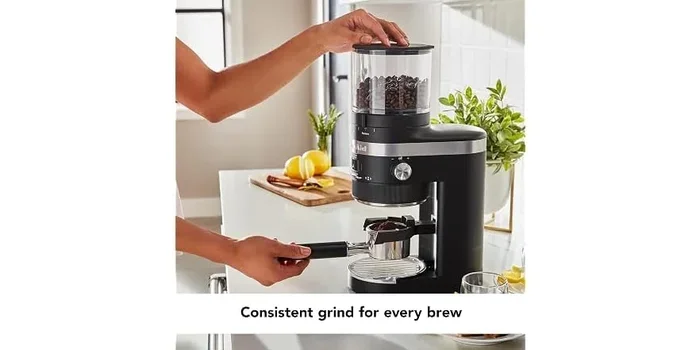
For the best results, use a burr grinder to get a consistent medium grind. This simple step can transform the taste of your coffee. Freshly ground coffee also has more flavor than pre-ground options, so try to grind just before brewing.
Water Quality Matters Too
Do not overlook the water you use. Since your 12 cup machine uses 60 ounces of water per brew, the quality of that water directly affects the taste. Use filtered water whenever possible. It removes chlorine and other impurities that can make your coffee taste off.
If your tap water tastes good on its own, it will probably make good coffee too. But if your water has a strong smell or taste, consider using a simple water filter. Your taste buds will thank you.
Tips for Getting the Best Brew From a 12 Cup Coffee Maker
Now that you understand the ounces, the measurements, and the ratios, let us talk about how to get the best results from your machine. These practical tips will help you brew better coffee every day.
Preheat Your Machine
Before you add coffee grounds and water, run a cycle with just plain water. This warms up the internal parts of the machine and helps the water reach the right brewing temperature. Hotter water extracts more flavor from the grounds, giving you a richer cup.
Do Not Overfill the Grounds Basket
It can be tempting to pack the grounds basket full, especially when you want a strong pot. But overfilling can block water from flowing through evenly. This leads to uneven brewing and a cup that tastes sour in some parts and bitter in others.
Stick to the recommended amount. Your machine is designed to work with a specific amount of grounds. Trust the process.
Clean Your Machine Regularly
Just as you would clean the bottom tray of a toaster oven to keep it working well, your coffee maker needs regular cleaning too. Mineral deposits from water build up inside the machine over time. This can affect the taste of your coffee and the performance of the machine.
Run a vinegar and water solution through a brew cycle once a month. Then follow up with two or three cycles of plain water to rinse out any vinegar taste. Your machine will last longer and your coffee will taste fresher.
Use Fresh Coffee Grounds
Coffee grounds start losing flavor almost immediately after grinding. For the best taste, grind your beans right before brewing. If you use pre-ground coffee, store it in an airtight container away from light and heat.
Whole bean coffee stays fresh longer than pre-ground. Invest in a simple grinder and you will notice a big difference in flavor. It is one of the easiest upgrades you can make to your morning routine.
Store Your Coffee Properly
Where you store your coffee matters more than you might think. Keep beans or grounds in a cool, dark place. Avoid storing them near the stove or in the refrigerator, where moisture and odors can affect the flavor.
A sealed container is your best friend. It keeps the coffee fresh and preserves the oils that give coffee its rich aroma and taste.
Common Mistakes People Make With 12 Cup Coffee Makers
Even experienced coffee drinkers make mistakes. Here are the most common ones and how to avoid them.
Assuming the Cup Number Equals Mug Servings
This is the number one mistake. As we covered earlier, 12 cups does not mean 12 mugs. It means 12 servings of 5 ounces each. If you pour into 10-ounce mugs, you will only get 6 servings from a full pot.
Always measure your mug size if you are unsure. This simple step helps you plan how many pots to brew for gatherings or family breakfast.
Using the Wrong Amount of Coffee
Too much coffee grounds can clog the filter and slow down brewing. Too little grounds results in weak, watery coffee. Stick to the recommended ratio and adjust from there based on your taste.
A good rule of thumb is two tablespoons of grounds per 5-ounce cup. For a full 12 cup pot, that is 24 tablespoons or 12 ounces of grounds. Some people prefer a slightly lighter brew, so 10 tablespoons works well too.
Ignoring the Water Filter
Many 12 cup coffee makers come with a charcoal water filter. This filter removes impurities from the water and improves the taste of your coffee. But many people forget to replace it regularly.
Change your water filter every 60 days or as recommended by the manufacturer. A clean filter means better-tasting coffee and a longer-lasting machine.
Brewing on a Timer Without Fresh Grounds
Programmable timers are convenient. But if you set the timer the night before and leave the grounds in the basket until morning, the coffee will taste stale. The grounds start oxidizing as soon as they are exposed to air.
For the best flavor, use the timer only if you are brewing fresh grounds. Better yet, set the timer and add the grounds just before the brew cycle starts if your machine allows it.
How a 12 Cup Coffee Maker Compares to Other Brewing Methods
If you are exploring different ways to make coffee, it helps to know how a 12 cup drip machine stacks up against other methods. Each method has its own strengths and ideal use cases.
For instance, if you are interested in making coffee without a traditional machine or filter, you might enjoy learning about alternative coffee brewing methods. These can be great for camping trips or when your machine is in the wash.
Some people also use a multi-function air fryer toaster oven in the kitchen for various tasks, though it is not a substitute for a coffee maker. The key is understanding what each appliance does best and using them for their intended purposes.
A 12 cup drip coffee maker excels at making large batches of consistent coffee with minimal effort. It is perfect for families, offices, or anyone who hosts gatherings regularly. Other methods like French presses or pour-over systems give you more control over the brewing process but take more time and attention.
Espresso machines produce concentrated, strong coffee but require more skill and investment. Single-serve pod machines are convenient but can be expensive per cup. The 12 cup drip machine strikes a great balance between capacity, convenience, and cost.
How to Choose the Right 12 Cup Coffee Maker for Your Needs
If you are in the market for a new machine, there are a few things to keep in mind. Not all 12 cup coffee makers are created equal.
- Brand reputation: Look for brands with good customer reviews and solid warranties.
- Programmable features: A timer lets you wake up to fresh coffee without thinking about it.
- Water filter: A built-in filter improves taste and protects the machine from mineral buildup.
- Carafe material: Glass carafes are common but break easily. Thermal carafes keep coffee hot longer without a warming plate.
- Brew strength settings: Some machines let you choose between regular and bold brewing.
- Easy cleaning: Removable parts and dishwasher-safe components make maintenance much simpler.
Take your time when choosing a machine. Read reviews, compare features, and pick one that fits your budget and brewing habits. A good 12 cup coffee maker can last for years with proper care.
Frequently Asked Questions
Is a 12 cup coffee maker enough for a family of four?
Yes, a 12 cup coffee maker can handle a family of four easily. Since the machine brews 60 ounces total and a standard mug holds 8 to 12 ounces, each person can get one to two mugs from a single pot. If everyone drinks more than two mugs, you might want to brew a second round or consider a larger machine.
Can I use a 12 cup coffee maker to make less than 12 cups?
Absolutely. You can brew any amount up to the full 60-ounce capacity. Simply fill the reservoir with the amount of water you need and use the corresponding amount of coffee grounds. The machine will work just fine with a partial load.
How often should I clean my 12 cup coffee maker?
You should rinse the carafe and filter basket after every use. For a deeper clean, run a vinegar and water cycle once a month to remove mineral buildup. Replace the water filter every 60 days or as the manufacturer recommends. Regular cleaning keeps your coffee tasting fresh and your machine running smoothly.
Does the type of coffee grounds affect the brew size?
The type of grounds does not change the machine’s capacity. A 12 cup coffee maker will always hold 60 ounces of water. However, the grind size and coffee-to-water ratio do affect the strength and flavor of the brew. Use the recommended ratio for the best results regardless of the grind type.
Can I use a 12 cup coffee maker to make cold brew?
While you can technically use the machine to heat water for cold brew, it is not the most efficient method. Cold brew works best with cold or room temperature water steeped over 12 to 24 hours. A 12 cup coffee maker is designed for hot brewing, so stick to hot coffee for the best results from this machine.
Why does my coffee taste different when I fill the machine halfway?
When you brew less than a full pot, the water passes through the grounds faster. This can result in under-extraction, which makes the coffee taste weak or sour. To improve the taste of a partial brew, try using slightly less water or adjusting the grounds-to-water ratio. Some machines also have a strength setting that helps with this.