How Long To Roast A Duck In The Oven For Perfect Crispy Skin
How long to roast a duck in the oven depends on the size of the bird, but most whole ducks need about 2 to 2.5 hours at 375°F. The key to perfect crispy duck skin is drying the skin thoroughly, scoring it properly, and roasting low and slow. This guide walks you through every step so you get restaurant-quality roast duck at home.
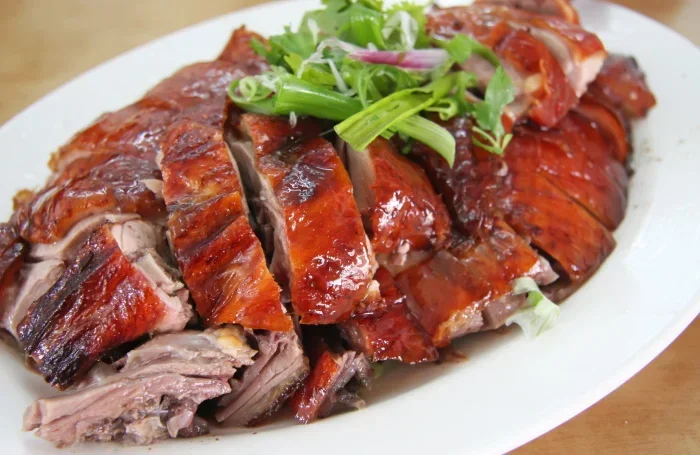
Roasting a whole duck in the oven might feel intimidating. But it is actually one of the most rewarding things you can cook at home. The smell alone will make your kitchen feel like a fancy restaurant. And the result? Crispy duck skin that shatters when you bite through it, paired with tender, juicy meat underneath.
So how long to roast a duck in the oven? That is the question we answer in full today. Whether you are a beginner or a seasoned home cook, this guide covers everything you need to know. We will walk you through timing, temperature, preparation, and all the little tricks that make the difference between good duck and great duck.
Key Takeaways
- Roast time: A whole duck typically takes 2 to 2.5 hours at 375°F, depending on weight.
- Internal temperature: The duck is done when the thickest part of the thigh reaches 165°F.
- Crispy skin secret: Pat the duck dry, score the skin, and let it air-dry uncovered in the fridge overnight.
- Resting matters: Always rest your duck for 15 to 20 minutes after roasting to keep the juices inside.
- Basting helps: Baste the duck every 30 minutes for even browning and moisture.
- Use a rack: A roasting rack elevates the duck and allows hot air to circulate evenly.
- Leftovers: Store cooked duck in the fridge for up to 3 days and reheat gently.
📑 Table of Contents
Why Roasting Duck In The Oven Is Worth The Effort
Duck is a cut above your average weeknight chicken dinner. It has a richer flavor, a higher fat content, and a texture that is hard to replicate with other meats. When you roast duck in the oven, the fat renders slowly, basting the meat from the inside out. This creates a beautiful contrast between the crispy outer skin and the moist, flavorful meat.
Many people avoid cooking duck because they think it is too complicated. But the truth is simple. Once you understand the basics of duck cooking time and oven temperature, the process is straightforward. You do not need fancy equipment. You just need patience and a good oven.
The beauty of oven-roasted duck is its versatility. Serve it for a holiday dinner, a special weekend meal, or even a casual Sunday lunch. It pairs beautifully with roasted vegetables, potatoes, and fresh salads. Once you master this dish, it will become a go-to recipe in your kitchen.
How Long To Roast A Duck In The Oven
The Basic Timing Rule
The general rule for how long to roast a duck in the oven is about 20 to 25 minutes per pound at 375°F. So a 4-pound duck will take roughly 1 hour and 20 minutes to 1 hour and 40 minutes. A 6-pound duck might need closer to 2.5 hours.
But timing is not the only factor. The shape of the duck, the starting temperature, and even your oven’s accuracy all play a role. This is why using a meat thermometer is so important. It removes the guesswork entirely.
Temperature Guide For Different Duck Sizes
Here is a quick reference for roasting duck at different sizes. Keep in mind these are approximate times and can vary based on your specific oven and the duck’s shape.
- 3 to 4 pounds: About 1 hour 30 minutes to 2 hours at 375°F.
- 4 to 5 pounds: About 2 to 2 hours 20 minutes at 375°F.
- 5 to 6 pounds: About 2 hours 15 minutes to 2 hours 45 minutes at 375°F.
- Over 6 pounds: Plan for 2.5 to 3 hours at 375°F.
Some cooks prefer to start the duck at a higher temperature, around 425°F, for the first 15 minutes. This helps jump-start the rendering of fat and the crisping of the skin. Then they reduce the heat to 375°F for the remainder of the duck cooking time. This method works well if you want extra crispy skin.
Roasting Duck Breast Separately
If you are only cooking the duck breast, the time drops significantly. A boneless duck breast typically takes about 20 to 30 minutes in a hot oven at 400°F. You want to sear it first on the stovetop, skin side down, until the fat renders. Then transfer it to the oven to finish cooking.
For a medium-rare duck breast, aim for an internal temperature of 135°F to 140°F. This gives you a beautiful pink center that is tender and juicy. Let the breast rest for 5 to 8 minutes before slicing against the grain.
How To Prepare Your Duck Before Roasting
Start With A Quality Duck
The foundation of a great roast duck is the bird itself. Look for a fresh or properly thawed whole duck from a trusted source. Moulard or Pekin ducks are popular choices for oven roasting. They have a good balance of meat and fat, which is exactly what you want.
If you buy a frozen duck, make sure it is fully thawed before cooking. The safest way is to place it in the refrigerator for 24 to 48 hours. Never thaw a duck on the counter. This can lead to uneven thawing and food safety issues.
Score The Skin Properly
Scoring the duck skin is one of the most important steps. Use a sharp knife to make shallow cuts across the skin and fat, being careful not to cut into the meat. This helps the fat render out during roasting and gives the skin an even, crispy texture.
Make your cuts about a quarter-inch apart. Work in a crosshatch pattern for the best results. Scoring also gives you more surface area for seasoning to penetrate the skin.
Pat It Dry And Let It Air-Dry
This is the secret most people skip. After patting the duck completely dry with paper towels, place it uncovered on a rack in the refrigerator for at least 4 hours, or ideally overnight. This step draws moisture out of the skin, which is the single biggest factor in achieving crispy duck skin.
Moisture is the enemy of crispiness. The drier the skin before it hits the oven, the better the result. If you do not have time for the overnight dry, at least pat the duck thoroughly dry right before roasting.
Season Generously
Season the inside of the duck with salt, pepper, and any aromatics you like. Thyme, rosemary, and star anise are classic choices that complement duck beautifully. Some cooks also stuff the cavity with oranges, apples, or onions. These add flavor and help keep the meat moist.
Rub a little oil or softened butter over the scored skin and season with salt. This helps the salt stick and promotes even browning during roasting.
Tips For Getting Perfectly Crispy Duck Skin
Use A Roasting Rack
Place your duck on a roasting rack set inside a large roasting pan. The rack lifts the duck off the bottom of the pan, allowing hot air to circulate all around it. This promotes even cooking and prevents the bottom from steaming, which would make the skin soggy.
If you do not have a rack, you can fashion one out of crumpled aluminum foil. It is not as effective, but it works in a pinch.
Baste Regularly
Every 30 minutes or so, open the oven and baste the duck with the rendered fat from the pan. Use a spoon or a basting bulb to spoon the hot fat over the skin. This adds flavor and helps the skin brown evenly.
Be careful when you open the oven door. Duck fat can splatter, so use oven mitts and tilt the pan away from you. The rendered fat is also fantastic for cooking vegetables or potatoes on the side.
Do Not Skip The Rest
Once the duck comes out of the oven, resist the urge to cut into it right away. Let it rest for at least 15 to 20 minutes, tented loosely with foil. This allows the juices to redistribute throughout the meat. If you cut too early, the juices will run out and the meat will dry out.
During resting, the internal temperature will continue to rise slightly. This carryover cooking brings the duck up to its final safe temperature of 165°F at the thickest part of the thigh.
Quick Tips For Crispy Skin
- Always start with a dry skin. Moisture equals steam, and steam equals soggy skin.
- Score the skin deeply enough to reach the fat but not the meat.
- Refrigerate the duck uncovered for at least 4 hours before roasting.
- Baste every 30 minutes with rendered duck fat.
- Do not cover the duck with foil during roasting, or the skin will steam.
- If the skin is not crispy enough after roasting, finish under the broiler for 2 to 3 minutes.
Checking When Your Duck Is Done
The Meat Thermometer Method
The most reliable way to tell if your duck is done is with a meat thermometer. Insert it into the thickest part of the thigh, being careful not to touch the bone. The internal temperature should read 165°F for a fully cooked duck.
Some cooks prefer their duck at a slightly lower temperature for more tender meat. 155°F to 160°F will give you a juicier result with a hint of pink. This is perfectly safe for duck if you trust the quality and freshness of the bird.
The Juice Test
If you do not have a meat thermometer, you can check the juices. Pierce the thickest part of the thigh with a knife or skewer. The juices should run clear, not pink or bloody. If they are still cloudy, the duck needs more time.
The Wiggle Test
Gently wiggle the leg. If it moves freely and feels loose in the joint, the duck is likely done. A tight, stiff leg means the meat still needs more time in the oven.
Remember that the duck cooking time is a guideline. Always rely on internal temperature for accuracy. Every oven is different, and every bird is a slightly different size and shape.
Serving And Storing Your Roast Duck
How To Serve Roast Duck
Carve your duck into portions and serve it with the sides of your choice. Classic pairings include roasted root vegetables, mashed potatoes, and a fresh green salad. Duck sauce, made from apricots and vinegar, is a traditional accompaniment that adds a sweet and tangy contrast.
Do not throw away the duck carcass. Simmer it with vegetables and herbs to make a rich, flavorful stock. This is one of the best ways to use every part of the bird and add depth to soups, stews, and risottos.
Storing Leftover Duck
Store leftover roast duck in an airtight container in the refrigerator. It will keep for up to 3 days. Reheat gently in the oven at 300°F to keep the skin from getting soggy. Microwaving can make the skin rubbery, so the oven is always the better option.
You can also freeze cooked duck for up to 3 months. Wrap it tightly in plastic wrap and foil, or store it in a freezer-safe bag. Thaw overnight in the refrigerator before reheating.
Common Mistakes To Avoid
- Not drying the skin: This is the number one reason for soggy duck skin. Always pat the duck dry and air-dry it in the fridge.
- Cooking at too high a temperature: A very hot oven will burn the outside before the inside is cooked. Stick to 375°F for even results.
- Skipping the resting period: Cutting into the duck too early releases all the juices and dries out the meat.
- Not scoring the skin: Unscored skin traps fat and steams instead of crisping.
- Using a pan without a rack: The duck will sit in its own fat and steam, preventing crispy skin.
- Guessing the doneness: Always use a meat thermometer for accuracy and food safety.
Expert Insights On Roasting Duck
Professional chefs will tell you that roast duck is all about patience. The low and slow approach at 375°F renders the fat gently and gives the skin time to crisp up without burning the meat. Rushing the process with high heat is the most common mistake home cooks make.
Chef Thomas Keller, known for his perfect roast duck at The French Laundry, emphasizes the importance of drying the skin thoroughly. He also recommends seasoning the duck well in advance and letting it sit at room temperature for about 30 minutes before it goes into the oven. This small step helps the bird cook more evenly.
Another expert tip is to prick the duck with a fork or skewer in a few places if you do not want to score the skin. This still allows some fat to escape and prevents the skin from bursting during roasting. However, scoring remains the preferred method for the best texture.
Many chefs also suggest starting the duck breast-side up for most of the cooking time and then flipping it breast-side down for the last 15 to 20 minutes. This lets the breast meat stay moist while the leg meat continues to cook and the skin on the breast gets even crispier.
The rendered duck fat you collect in the pan is liquid gold. Do not discard it. Strain it and store it in the fridge. You can use it for frying potatoes, roasting vegetables, or even making popcorn. It adds incredible flavor to anything you cook with it.
Key Takeaways
- Roast time: A whole duck typically takes 2 to 2.5 hours at 375°F, depending on weight.
- Internal temperature: The duck is done when the thickest part of the thigh reaches 165°F.
- Crispy skin secret: Pat the duck dry, score the skin, and let it air-dry uncovered in the fridge overnight.
- Resting matters: Always rest your duck for 15 to 20 minutes after roasting to keep the juices inside.
- Basting helps: Baste the duck every 30 minutes for even browning and moisture.
- Use a rack: A roasting rack elevates the duck and allows hot air to circulate evenly.
- Leftovers: Store cooked duck in the fridge for up to 3 days and reheat gently.
Conclusion
So, how long to roast a duck in the oven? The answer is about 2 to 2.5 hours for a typical whole duck at 375°F. But the real secret lies in the preparation. Dry the skin, score it, let it air-dry, and roast it low and slow. These steps transform a simple bird into a show-stopping roast duck with perfectly crispy duck skin and tender, flavorful meat.
Do not be afraid to try this recipe. Once you see how easy it is and how impressive the results are, you will want to make roast duck a regular part of your cooking rotation. The process is forgiving, and even small imperfections still yield a delicious meal.
Gather your ingredients, preheat your oven, and give yourself the gift of a slow, satisfying cooking experience. A perfectly roasted duck is one of those dishes that makes the whole house smell amazing and fills the table with something truly special. Enjoy every bite.
Frequently Asked Questions
Can I roast a duck at a lower temperature for longer?
Yes, you can roast a duck at 325°F, but it will take longer, usually around 3 to 3.5 hours for a 5-pound bird. Lower temperatures cook the meat more gently but may not crisp the skin as well. If you choose this method, finish under the broiler for a few minutes to crisp up the skin.
How do I know if the duck is done without a meat thermometer?
You can check by piercing the thickest part of the thigh. The juices should run clear, not pink. Also, wiggle the leg gently. If it moves freely in the socket, the duck is likely done. However, a meat thermometer is the most accurate and recommended method.
Should I cover the duck with foil while roasting?
No, you should not cover the duck with foil. Covering traps steam and prevents the skin from crisping. Leave the duck uncovered for the entire roasting time. If the skin is browning too quickly, you can loosely tent it with foil for the last 20 minutes only.
Can I use the duck fat for other cooking?
Absolutely. Rendered duck fat is incredibly flavorful and can be used for frying potatoes, roasting vegetables, or even making pie crusts. Strain it through a fine mesh sieve, store it in the refrigerator, and it will keep for several weeks.
What is the best way to thaw a frozen duck?
The best way is to thaw it in the refrigerator for 24 to 48 hours. Place the duck on a plate or tray to catch any drips. Never thaw a duck at room temperature, as this can allow bacteria to grow on the outer surface while the inside is still frozen.
How long can I store cooked roast duck?
Cooked roast duck keeps in the refrigerator for up to 3 days when stored in an airtight container. For longer storage, wrap it tightly and freeze it for up to 3 months. Always reheat leftover duck in the oven at a low temperature to preserve the crispy skin.