How Long To Cook Thin Sausages In Oven The Easy Way
Cooking thin sausages in the oven is quick, easy, and hands-free. Most thin sausages take 20 to 25 minutes at 400°F to cook through and turn golden brown. This guide covers temperatures, times, and tips so you can cook thin sausages in the oven perfectly every single time.
There is nothing quite like the smell of sausages sizzling in the oven. Whether you are cooking for a busy weekday dinner or a relaxed weekend brunch, thin sausages in the oven offer a simple and satisfying meal. They require very little prep, minimal cleanup, and deliver consistently great results.
If you have ever wondered how long to cook thin sausages in oven, you are in the right place. This guide walks you through everything from temperatures and timing to the best types of sausages for oven baking. By the end, you will feel confident enough to whip up a batch of oven-baked sausages any night of the week.
Cooking sausages in the oven is one of the easiest methods out there. You simply place them on a tray, set the timer, and let the heat do the work. No flipping constantly, no standing over a hot pan, and no worrying about splatter. It is a set-it-and-forget-it approach that works beautifully for thin sausage links.
Key Takeaways
- Quick Cook Time: Thin sausages cook in just 20 to 25 minutes at 400°F, making them a fast weeknight meal option.
- Right Temperature Matters: Cooking at 400°F ensures even browning and a crispy outer casing while keeping the inside juicy.
- Internal Temperature Is Key: Always check that sausages reach 160°F internally to make sure they are fully cooked and safe to eat.
- Flip Halfway Through: Turning sausages midway promotes even cooking and a uniform golden color on all sides.
- Type Affects Timing: Pork, chicken, and beef thin sausages may need slight adjustments to time and temperature.
- Rest Before Serving: Letting sausages rest for a few minutes after cooking keeps the juices locked in.
📑 Table of Contents
- Why Oven-Baked Thin Sausages Are a Great Choice
- What Temperature To Cook Thin Sausages In Oven
- Step-by-Step Guide To Cooking Thin Sausages In Oven
- Different Types of Thin Sausages and Their Cook Times
- Tips for Perfectly Cooked Thin Sausages Every Time
- Common Mistakes To Avoid When Cooking Sausages In Oven
- Serving Ideas for Oven-Baked Thin Sausages
- Frequently Asked Questions
- Conclusion
Why Oven-Baked Thin Sausages Are a Great Choice
Oven-baking is one of the most popular ways to prepare thin sausages. There are many reasons why home cooks love this method. Let us explore what makes oven-baked sausages such a great option for everyday meals.
Hands-Off Cooking
Once you place the sausages in the oven, you are free to do other things. You can prep sides, set the table, or simply relax. Unlike stovetop cooking, there is no need to stand and watch them. The oven handles the heat evenly, so your sausages cook without much effort from you.
Even Cooking Results
Ovens distribute heat around the food consistently. This means every sausage on the tray gets the same amount of warmth. You avoid the common problem of some sausages being burnt on the outside while still raw inside. Cooking sausages evenly in the oven is one of its biggest advantages.
Easy Cleanup
When you bake sausages on a sheet pan, cleanup is a breeze. A quick wipe or a pop in the dishwasher, and you are done. Compare that to scrubbing a greasy skillet after stovetop cooking, and the oven method wins every time.
Batch Cooking Made Simple
Need to cook sausages for a crowd? The oven makes it easy to scale up. You can fit multiple trays of thin sausage links in at once. This makes oven-baking ideal for parties, family gatherings, or meal prep sessions.
What Temperature To Cook Thin Sausages In Oven
Temperature is the single most important factor when you are cooking thin sausages in oven. Getting it right ensures the sausages cook through properly, develop a nice golden crust, and stay juicy inside. Let us break down the best temperature settings for different types of thin sausages.
The Standard 400°F Setting
For most thin sausages, 400°F is the sweet spot. This temperature is hot enough to brown the casing beautifully but not so hot that the outside burns before the inside is done. At 400°F, thin sausages typically need about 20 to 25 minutes. This applies to pork, beef, and chicken varieties alike.
Lower Temperature for Thinner Links
If your sausages are extremely thin, you might want to drop the temperature slightly to 375°F. This gives the heat more time to penetrate the center without over-browning the outside. Thin sausages at 375°F usually take 22 to 28 minutes. Keep an eye on them and use a meat thermometer to check doneness.
Higher Temperature for Extra Crispiness
Some people love their sausages extra crispy. If that sounds like you, try 425°F for a shorter cook time of about 15 to 20 minutes. The higher heat creates a crunchier sausage browning effect. Just be careful not to let them dry out. Thin sausages can go from perfectly crispy to overcooked quickly at this temperature.
What Internal Temperature Should Sausages Reach?
The internal temperature is the ultimate indicator of doneness. All sausages should reach 160°F at the center. For chicken or turkey sausages, aim for 165°F. Using a meat thermometer takes the guesswork out of cooking. Insert it into the thickest part of the sausage, avoiding the casing.
Quick Tip: Always let your sausages come to room temperature for about 10 minutes before placing them in the oven. This helps them cook more evenly and reduces the overall cooking time slightly.
Step-by-Step Guide To Cooking Thin Sausages In Oven
Now that you know the right temperature, let us walk through the process step by step. Following these simple instructions will help you achieve perfectly cooked thin sausages every time.
Step 1: Preheat Your Oven
Start by preheating your oven to 400°F. Give it at least 10 to 15 minutes to reach the target temperature. A properly preheated oven ensures the sausages start cooking immediately, which helps with even browning and consistent results.
Step 2: Prepare the Baking Sheet
Line a sheet pan with parchment paper or aluminum foil. This makes cleanup much easier. Lightly grease the surface with a thin layer of oil or cooking spray. You can also use a wire rack placed over the sheet pan for even airflow around the sausages.
Step 3: Arrange the Sausages
Place the thin sausages on the prepared sheet. Leave a small gap between each sausage. Do not overcrowd the pan. Overcrowding traps steam and prevents proper browning. Cooking sausages evenly requires enough space for hot air to circulate around each link.
Step 4: Cook for 20 to 25 Minutes
Place the tray in the center of the oven. Set a timer for 20 minutes. At the halfway mark, open the oven and flip each sausage using tongs. This promotes even sausage browning on all sides. After flipping, continue cooking for another 10 to 15 minutes.
Step 5: Check the Internal Temperature
Use a meat thermometer to check the internal temperature. It should read 160°F for pork and beef sausages, and 165°F for chicken sausages. If they are not quite there yet, give them a few more minutes and check again.
Step 6: Rest and Serve
Remove the sausages from the oven and let them rest on the tray for 3 to 5 minutes. This resting period allows the juices to redistribute throughout the meat. The result is a juicier, more flavorful bite. Serve with your favorite sides and enjoy.
Different Types of Thin Sausages and Their Cook Times
Not all sausages are the same. Different types of thin sausage links have slightly different cooking needs. Here is a closer look at the most common varieties and how long to cook each one.
Pork Thin Sausages
Pork sausages are the most popular variety for oven baking. They are flavorful, juicy, and widely available. At 400°F, pork thin sausages take about 20 to 25 minutes. They develop a beautiful golden-brown sausage casing when done correctly.
Chicken and Turkey Thin Sausages
Poultry sausages are a lighter option and cook a bit faster than pork. They need to reach an internal temperature of 165°F. At 400°F, chicken thin sausages usually take 18 to 22 minutes. Because they are leaner, they can dry out faster, so keep an eye on them.
Beef Thin Sausages
Beef sausages bring a rich, robust flavor to the table. They take about 22 to 27 minutes at 400°F. Beef sausages tend to shrink a bit more during cooking, which is normal. The fat content helps keep them moist and tender throughout the baking process.
Plant-Based Thin Sausages
Plant-based sausages have become very popular in recent years. They cook similarly to meat sausages but may need a slightly shorter time. Check the package instructions for specific guidance. Plant-based oven-baked sausages usually take 15 to 20 minutes at 400°F.
Breakfast Sausage Links
Breakfast sausages are typically thin and designed for quick cooking. They are often pre-seasoned with sage, thyme, and other classic breakfast spices. These sausages cook in about 18 to 22 minutes at 400°F. They are perfect for a weekend brunch spread.
| Sausage Type | Oven Temp | Cook Time | Internal Temp |
|---|---|---|---|
| Pork Thin Sausages | 400°F | 20-25 min | 160°F |
| Chicken/Turkey Thin Sausages | 400°F | 18-22 min | 165°F |
| Beef Thin Sausages | 400°F | 22-27 min | 160°F |
| Plant-Based Thin Sausages | 400°F | 15-20 min | 165°F |
| Breakfast Sausage Links | 400°F | 18-22 min | 160°F |
Tips for Perfectly Cooked Thin Sausages Every Time
Even though cooking thin sausages in oven is straightforward, a few pro tips can take your results from good to great. Here are some tried-and-true methods that make a real difference.
Use a Wire Rack
Placing sausages on a wire rack set over a sheet pan allows hot air to flow underneath. This promotes even sausage browning on all sides. The grease drips away, resulting in less greasy and crispier sausages. It is a small change that makes a big impact.
Do Not Skip the Flip
Flipping the sausages halfway through cooking is essential. Without turning, one side can become overly browned while the other stays pale. Use tongs to gently turn each sausage. This simple step ensures evenly cooked sausages with a uniform golden color.
Add Vegetables for a Complete Meal
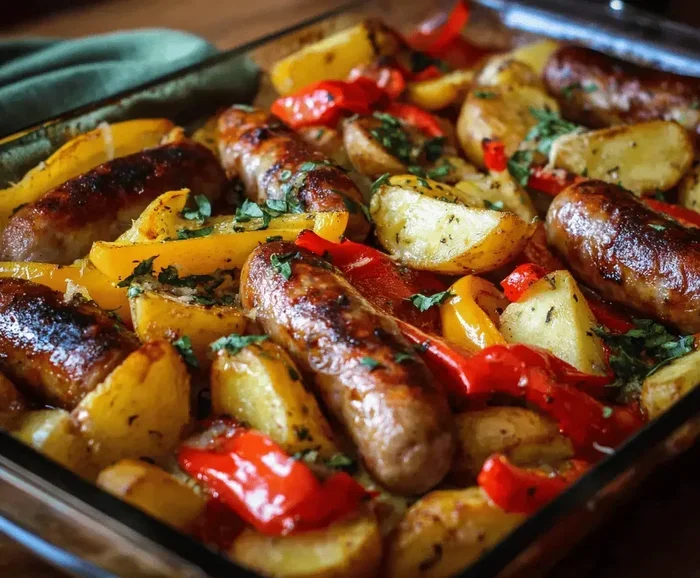
Try adding sliced bell peppers, onions, or cherry tomatoes to the same tray. The vegetables roast alongside the sausages and pick up wonderful flavors. Just make sure to cut them into similar-sized pieces so they cook at the same rate. This turns a simple sausage dinner into a full, balanced meal.
Par-Bake for Meal Prep
If you meal prep, you can par-bake the sausages and reheat them later. Cook them for about 15 minutes, then let them cool and store in the fridge. When ready to eat, reheat in the oven at 375°F for 8 to 10 minutes. This saves time on busy mornings or lunch breaks.
Season Before Baking
While many sausages come pre-seasoned, a light drizzle of olive oil and a sprinkle of garlic powder or fennel seeds can elevate the flavor. Be gentle with seasoning. Thin sausages have a delicate sausage casing that can become tough if over-seasoned or over-rubbed.
Let Them Rest
Resting sausages after they come out of the oven is just as important as resting a steak. The internal temperature continues to rise slightly during the resting phase. This carryover cooking brings the sausages to the perfect doneness. Five minutes is all you need.
Common Mistakes To Avoid When Cooking Sausages In Oven
Even simple tasks like baking sausages in oven can go wrong if you are not careful. Here are some common pitfalls and how to avoid them.
Overcrowding the Pan
One of the most frequent mistakes is placing too many sausages on one tray. Overcrowding creates steam pockets that prevent proper browning. The sausages end up soggy instead of crispy. Give each sausage enough space, and use multiple trays if needed.
Skipping the Preheat
Putting sausages into a cold oven leads to uneven cooking. The sausages spend too much time in the low-heat zone, which can dry them out before they properly brown. Always preheat your oven and wait for it to reach the target temperature before adding the food.
Not Using a Thermometer
Relying on color alone to judge doneness is risky. Some sausages can look done on the outside while still being undercooked inside. A meat thermometer is the only reliable way to confirm that your sausages are safe to eat. Make it a habit to check the internal temperature every time.
Cooking at Too High a Temperature
Cranking the heat up to speed things along is tempting, but it backfires. High temperatures burn the outside while leaving the inside raw. Stick to 400°F for most thin sausages and let the oven do the work at a steady, consistent pace.
Forgetting to Flip
Leaving sausages untouched for the entire cook time results in one-sided browning. The bottom side gets dark and crispy while the top side stays pale and uneven. Set a timer to remind yourself to flip them at the halfway point. It takes just a few seconds and makes a noticeable difference.
Serving Ideas for Oven-Baked Thin Sausages
Once your thin sausages in oven are done, the fun part is serving them. There are so many delicious ways to enjoy them. Here are some ideas to inspire your next meal.
Serve them alongside roasted potatoes and a fresh salad for a classic dinner. For breakfast, pair them with scrambled eggs, toast, and some fruit. Sliced sausages also make great additions to sandwiches, wraps, or pizza. You can even chop them up and toss them into pasta or grain bowls.
The versatility of oven-baked sausages is what makes them such a staple in many kitchens. They work for lunch, dinner, or even a quick snack. Once you master the basic technique, you can experiment with different flavors and pairings endlessly.
Frequently Asked Questions
Can I cook thin sausages from frozen in the oven?
Yes, you can cook thin sausages directly from frozen. Simply increase the cooking time by about 5 to 10 minutes. Make sure the internal temperature reaches 160°F before serving. It is best to thaw them slightly if possible, but it is not required for safe cooking.
How do I know when thin sausages are done in the oven?
The best way to tell is by using a meat thermometer. Thin sausages are done when they reach 160°F internally for pork and beef, or 165°F for chicken. The outside should be golden brown, and the juices should run clear when you pierce the sausage with a fork.
Can I bake sausages at 350°F instead of 400°F?
Yes, you can bake thin sausages at 350°F, but they will take longer. Expect an additional 5 to 10 minutes of cooking time. The lower temperature results in less browning but can produce a more gently cooked sausage. Keep an eye on them and check the internal temperature frequently.
Is it better to bake or pan-fry thin sausages?
Both methods have their merits. Baking is easier and more hands-off, while pan-frying gives a crispier texture with more control over browning. If you are cooking for a crowd or prefer minimal effort, oven-baking is the better choice. For a richer flavor and crunchier finish, pan-frying works well for smaller batches.
Do I need to poke holes in sausages before baking?
It is generally not recommended to poke holes in sausages before baking. The casing helps retain moisture and juices during cooking. Poking holes can cause the sausages to dry out and lose flavor. If you are concerned about bursting, simply make sure to cook at the right temperature and flip them halfway through.
How long can cooked sausages be stored in the fridge?
Cooked sausages can be stored in an airtight container in the refrigerator for up to 4 days. Reheat them in the oven at 350°F for about 5 to 8 minutes to restore their texture. Avoid storing them for longer than recommended to ensure food safety and the best quality.
Conclusion
How long to cook thin sausages in oven is a simple question with a straightforward answer. Most thin sausages need just 20 to 25 minutes at 400°F to turn out perfectly golden, juicy, and safe to eat. By following the right temperature, checking the internal temperature with a thermometer, and giving the sausages a flip halfway through, you can consistently achieve excellent results.
Oven-baking thin sausages is one of the easiest and most reliable cooking methods available. It is hands-off, produces minimal cleanup, and works beautifully for any type of thin sausage. Whether you prefer pork, chicken, beef, or plant-based varieties, the process remains the same and the results are always satisfying.
Now that you have all the tips and techniques, it is time to put them into practice. Preheat your oven, line a tray, and cook up a batch of delicious oven-baked sausages tonight. With a little patience and attention to temperature, you will enjoy perfectly cooked thin sausages every single time.