How Long To Cook Foil Packs In The Oven Made Simple
Cooking foil packs in the oven is one of the easiest ways to prepare delicious, low-effort meals for your family. Most foil packets cook in 20 to 40 minutes depending on the ingredients and oven temperature. This guide covers everything you need to know about foil packet cooking times, temperatures, and pro tips for perfect results every single time.
Key Takeaways
- Standard cooking time: Most foil packs take 20 to 40 minutes at 400°F, depending on what you are cooking.
- Thickness matters: Thicker cuts of meat need more time, while thin veggies cook fast.
- Seal properly: A tight foil seal traps steam and cooks food evenly inside the pouch.
- Check doneness: Use a meat thermometer to make sure proteins reach safe internal temperatures.
- Meal prep friendly: Foil packs are great for batch cooking and easy cleanup-free dinners.
- Customize freely: You can swap proteins, veggies, and seasonings to match any diet or taste.
📑 Table of Contents
- How Long To Cook Foil Packs In The Oven: A Complete Guide
- Why Foil Packs Work So Well In The Oven
- How Long To Cook Foil Packs In The Oven By Ingredient
- Best Oven Temperature For Foil Packs
- Step-By-Step: Making Perfect Foil Packs Every Time
- Common Mistakes To Avoid With Foil Packs
- Expert Tips For Better Foil Pack Results
- Quick Tips For Perfect Foil Packs
- How Long To Cook Foil Packs In The Oven: Quick Reference Chart
- Conclusion
How Long To Cook Foil Packs In The Oven: A Complete Guide
There is something truly magical about throwing ingredients into a foil packet, sealing it up, and letting the oven do all the work. How long to cook foil packs in the oven is a question many home cooks ask, and the answer is simpler than you might think.
Foil packet meals have exploded in popularity, and for good reason. They are easy, they clean up fast, and they lock in flavor like nothing else. Whether you are cooking for two or feeding a whole family, these oven-baked foil dinners save time and taste amazing.
The general rule of thumb is 20 to 40 minutes at around 400°F. But the exact cooking time for foil packs depends on what goes inside, how thick your ingredients are, and whether you are using chicken, fish, beef, or pork. Let us break it all down so you can cook with confidence.
If you have never tried foil packet recipes before, you are in for a treat. These one-pan meals are a game changer for busy weeknights. They also work beautifully for meal prep on Sundays, making your weekday dinners a breeze.
Why Foil Packs Work So Well In The Oven
Before we dive into timing, let us talk about why aluminum foil cooking works so well. When you seal food in a foil pouch, you create a little steam chamber. The trapped steam cooks the food gently while keeping it juicy and tender.
The Science Behind Foil Packet Cooking
The foil reflects heat evenly around the food. This means no hot spots and no burning. The steam trapped inside the foil sealed packets helps vegetables stay crisp-tender and keeps meats moist. It is basically a self-contained cooking environment right on your baking sheet.
Another big win? Cleanup-free cooking. Once your meal is done, you toss the foil and wash just one pan. For anyone who hates doing dishes after dinner, this alone is worth trying.
Foil pouch cooking also lets you combine flavors beautifully. Herbs, spices, butter, and citrus all steam together inside the packet. The result is food that tastes like it simmered all day, even though you spent five minutes prepping it.
How Long To Cook Foil Packs In The Oven By Ingredient
This is where things get really useful. Different ingredients need different amounts of time. Here is a detailed breakdown to help you nail the timing every time.
Chicken Foil Packs
Foil packet chicken is one of the most popular dinner ideas, and for good reason. Boneless chicken breasts or thighs cook through nicely in about 25 to 30 minutes at 400°F. If you are using bone-in pieces, add 5 to 10 extra minutes.
Make sure the thickest part of the chicken reaches 165°F internally. Cutting the chicken into smaller pieces speeds up cooking time significantly. Thinly sliced chicken strips can be done in as little as 15 to 20 minutes.
Fish and Seafood Foil Packs
Fish is delicate and cooks fast. Most fish fillets need only 15 to 20 minutes at 400°F. Thin fillets like tilapia or cod may be ready in 12 to 15 minutes.
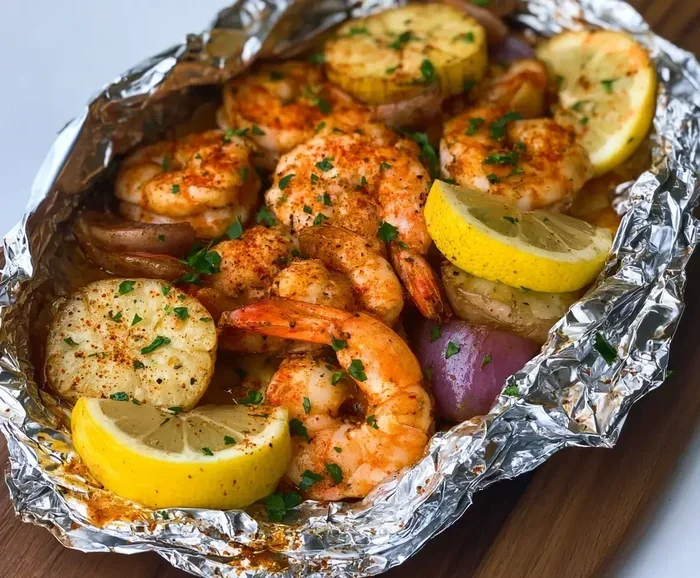
Thicker fish like salmon or swordfish steaks take closer to 20 to 25 minutes. Shrimp cooks in just 10 to 12 minutes. The key is to check early and often. Overcooked fish in a foil packet dries out quickly because the steam intensifies the heat.
Beef and Pork Foil Packs
Beef and pork need a bit more time. Ground beef patties cook in about 20 to 25 minutes at 400°F. Steak cubes work well in 25 to 30 minutes.
Pork chops, especially bone-in ones, may need 30 to 35 minutes. Thinly sliced pork tenderloin cooks faster, around 20 to 25 minutes. Always use a meat thermometer to check that your oven-baked meals reach safe temperatures. Ground beef should hit 160°F, and pork should reach 145°F.
Vegetable-Only Foil Packs
Not every foil pack needs meat. Veggie-only packets are fantastic for vegetarian dinners. Root vegetables like potatoes, carrots, and beets take 30 to 40 minutes at 400°F because they are dense.
Softer vegetables like zucchini, bell peppers, and asparagus cook in 15 to 20 minutes. You can mix hard and soft veggies together, but cut them into similar sizes so they cook evenly. Tossing them with olive oil and seasoning before sealing the foil pack dinner makes a huge difference in flavor.
Best Oven Temperature For Foil Packs
The sweet spot for most foil pack recipes is 400°F. This temperature cooks food evenly without burning the foil or drying out ingredients. But depending on what you are making, you might adjust the heat up or down.
Here is a quick reference for oven temperature settings:
- 400°F: The go-to temperature for most foil packs. Great for chicken, vegetables, and mixed meals.
- 375°F: Best for delicate fish and slower-cooking root vegetables.
- 425°F: Works well if you want faster cooking and a little extra browning on veggies.
- 350°F: Good for thicker meat cuts that need gentler, longer cooking.
Preheating your oven before placing the foil packs inside is important. A hot oven starts cooking immediately, which helps lock in moisture and reduces overall cooking time. Always give your oven at least 10 to 15 minutes to reach the target temperature.
Step-By-Step: Making Perfect Foil Packs Every Time
Now that you know the timing and temperature, let us walk through the process. Making foil packs is dead simple once you get the hang of it.
Step 1: Choose Your Foil
Use heavy-duty aluminum foil for the best results. Regular foil tears easily and can develop holes that let steam escape. Heavy-duty foil holds up better under the heat and keeps your foil sealed packets intact.
Step 2: Prep Your Ingredients
Cut your meat and vegetables into similar-sized pieces. This ensures everything cooks at the same rate. Add your seasonings, a drizzle of oil, and any liquid like broth or lemon juice. The liquid creates extra steam inside the pouch, which speeds up cooking and adds flavor.
Step 3: Seal the Packet
Fold the foil over the ingredients and crimp the edges tightly. You want a sealed pouch with no gaps. The steam needs to stay trapped for proper cooking. A loose seal lets steam escape and can lead to dry food.
Step 4: Place on a Baking Sheet
Put the foil packs on a baking sheet before sliding them into the oven. This catches any drips and makes transfer easy. If you are cooking multiple packs, leave space between them so hot air circulates properly.
Step 5: Cook and Check
Set your timer based on the guidelines above. At the halfway mark, carefully open one packet and check doneness. Meat should be cooked through, and vegetables should be tender but not mushy. Use tongs to flip or rearrange ingredients if needed.
Common Mistakes To Avoid With Foil Packs
Even though foil packs are forgiving, a few common mistakes can ruin your results. Here is what to watch out for.
Overfilling the Packet
It is tempting to stuff as much food as possible into one packet. But overfilling prevents the foil from sealing properly. Leave at least two inches of foil at the top so you can fold and crimp tightly. Overstuffed packets also cook unevenly because the heat cannot reach the center.
Skipping the Resting Time
When the timer goes off, resist the urge to open the packet right away. Let the foil pack rest for 3 to 5 minutes. The residual steam continues to cook the food gently. Opening too early releases steam and can make your meal less flavorful.
Using the Wrong Foil Thickness
Thin foil tears easily, especially when you are folding and crimping. It also conducts heat too aggressively in spots, which can cause burning. Always reach for heavy-duty foil when making foil packet dinner meals. It costs a little more but saves you from ruined dinners.
Not Accounting for Different Cooking Times
If you mix ingredients with very different cook times, you will end up with some food overdone and some underdone. Add quick-cooking ingredients like spinach or shrimp later in the process. Or pre-cook dense vegetables like potatoes before sealing them in the foil pack.
Expert Tips For Better Foil Pack Results
Want to take your foil pack game to the next level? These expert insights will help you get restaurant-quality results at home.
Add Aromatics for Deeper Flavor
Toss in a few sprigs of fresh herbs like rosemary or thyme. Add garlic cloves, ginger slices, or lemon wedges. These aromatics steam inside the packet and infuse every bite with incredible flavor. It is an easy upgrade that makes a big difference.
Use Butter or Olive Oil
A small pat of butter or a drizzle of good olive oil keeps meats and vegetables from drying out. The fat also helps seasonings stick to the food. This simple step takes your easy oven recipes from good to great.
Try Different Foil Pack Shapes
You do not have to fold everything into a rectangle. Try making individual packets for each person. This is perfect for dinner for family nights because everyone gets their own custom meal. You can also make larger family-style packs for sharing.
Meal Prep With Foil Packs
Meal prep and foil packs are a match made in heaven. You can assemble several packets on Sunday, store them in the fridge, and pop them in the oven throughout the week. Label each packet with the contents and cook time. This saves enormous time on busy weeknights.
Finish With a Broil
For extra browning and crispiness, open your foil pack and place it under the broiler for 2 to 3 minutes. This adds a nice char to vegetables and gives chicken skin a crispy finish. Watch it closely so it does not burn.
Quick Tips For Perfect Foil Packs
- Use heavy-duty foil to prevent tears and steam leaks.
- Preheat your oven before placing the packets inside.
- Cut ingredients evenly so they cook at the same rate.
- Add a small amount of liquid like broth, wine, or lemon juice for extra steam.
- Do not overfill — leave room to seal properly.
- Let packets rest for a few minutes after cooking.
- Use a meat thermometer to check internal temperatures for safety.
- Experiment with seasonings to keep meals exciting all week long.
How Long To Cook Foil Packs In The Oven: Quick Reference Chart
Here is a handy summary of average cooking times for common foil pack ingredients at 400°F:
- Chicken breasts (boneless): 25 to 30 minutes
- Chicken thighs (bone-in): 30 to 35 minutes
- Fish fillets (thin): 12 to 15 minutes
- Fish fillets (thick like salmon): 20 to 25 minutes
- Shrimp: 10 to 12 minutes
- Ground beef patties: 20 to 25 minutes
- Steak cubes: 25 to 30 minutes
- Pork chops (boneless): 25 to 30 minutes
- Potatoes (chunked): 30 to 40 minutes
- Mixed vegetables: 20 to 25 minutes
- Veggie-only packs: 25 to 35 minutes
These times are starting points. Always check your food for doneness. The best foil packet recipes account for your specific oven, the size of your ingredients, and how many packets you are cooking at once.
Conclusion
How long to cook foil packs in the oven really comes down to what you are cooking and the temperature you use. Most meals fall into the 20 to 40 minute range at 400°F, which makes foil packs one of the fastest and easiest dinner options you can prepare.
The beauty of aluminum foil cooking is that it requires almost no effort but delivers incredible results. You get tender, flavorful food with virtually no cleanup. Once you master the basic timing and temperature guidelines, you can customize endless dinner ideas to suit your taste and schedule.
Start with the recipes and times in this guide, and then experiment with your own combinations. Try different proteins, swap in seasonal vegetables, and adjust seasonings to keep things fresh. Before long, foil pack dinners will become a regular part of your weekly routine. They are simple, delicious, and perfect for anyone who wants great food without the fuss.
So grab some heavy-duty foil, pile in your favorite ingredients, and let the oven work its magic. You will be amazed at how easy and satisfying foil pack dinner cooking can be.
Frequently Asked Questions
Can I cook foil packs at 350°F instead of 400°F?
Yes, you can. Cooking at 350°F will add about 5 to 10 extra minutes to the total cooking time. Lower temperatures work well for thicker meat cuts and denser vegetables. Just check for doneness a few minutes earlier than the standard guidelines suggest.
How do I know when a foil pack is done?
The best way is to use a meat thermometer. Chicken should reach 165°F, ground beef 160°F, and pork 145°F. Vegetables should be fork-tender. You can also carefully open the packet and check that the food is cooked through with no raw spots remaining.
Can I prepare foil packs ahead of time and refrigerate them?
Absolutely. Assembling foil packs the night before is a great meal prep strategy. Store them in the fridge until you are ready to bake. You may need to add 5 extra minutes of cooking time if the ingredients are cold from the fridge.
Is it safe to cook food in aluminum foil in the oven?
Yes, cooking with aluminum foil in the oven is safe. The foil can withstand high temperatures without releasing harmful substances. Just avoid using foil with acidic ingredients like tomatoes for extended periods, as the acid can break down the foil slightly and affect taste.
Can I reuse foil packets if they are not torn?
It is best to use fresh foil for food safety reasons. Reusing foil that has had raw meat on it can spread bacteria. However, if the foil is clean and was only used for vegetables, you can reuse it for non-raw ingredients.
What are the best vegetables for foil packs?
Root vegetables like potatoes, carrots, and sweet potatoes work wonderfully because they hold their shape during oven-baked meals. Bell peppers, zucchini, asparagus, and broccoli are also excellent choices. Cut all vegetables into similar sizes so they cook evenly inside the foil sealed packets.