How Long Does Sealed Coffee Last Compared to Ground
Sealed coffee can last anywhere from 6 to 9 months past its roast date when stored properly, while ground coffee typically stays fresh for only 1 to 2 weeks after opening. The key difference comes down to exposure to air, moisture, and light, which all accelerate flavor loss. Understanding the sealed coffee shelf life helps you get the most out of every bag and cup.
Coffee is one of the most beloved drinks in the world. Whether you brew it every morning or enjoy it occasionally, freshness matters. But have you ever wondered how long your coffee really lasts? The answer depends on whether it is sealed or already ground. In this guide, we will break down the sealed coffee shelf life and compare it to ground coffee so you can always enjoy the best cup.
Many people toss their coffee bags based on the printed date without really thinking about it. But that date is not always the full story. Sealed whole bean coffee can stay fresh for months, while ground coffee starts losing its flavor within days. Knowing the difference helps you save money and enjoy better-tasting coffee every single day.
We will cover everything you need to know. From storage tips to freshness indicators, this article gives you practical advice you can use right away. Let us dive in and explore the world of coffee freshness together.
Key Takeaways
- Sealed whole bean coffee stays fresh for 6 to 9 months when kept in its original packaging away from heat and light.
- Ground coffee loses its aroma much faster, usually within 1 to 2 weeks after opening the bag.
- Storage method matters a lot airtight containers, cool temperatures, and dry environments all extend freshness.
- The roast date is more important than the expiration date printed on the bag for determining true coffee quality.
- Sealed coffee in valve bags can maintain freshness even longer because the one-way valve releases carbon dioxide without letting air in.
- Freezing sealed coffee is not recommended unless it is unopened and you plan to store it for several months.
- Taste is the best freshness indicator if your coffee smells flat or tastes bitter, it has likely gone stale.
📑 Table of Contents
- What Is Sealed Coffee and Why Does Freshness Matter?
- How Long Does Sealed Coffee Last?
- Sealed Coffee vs Ground Coffee: The Shelf Life Comparison
- Factors That Affect Coffee Freshness
- How to Store Sealed Coffee for Maximum Freshness
- How to Tell If Your Coffee Has Gone Stale
- Common Mistakes That Shorten Coffee Freshness
- Final Thoughts on Sealed Coffee Shelf Life
What Is Sealed Coffee and Why Does Freshness Matter?
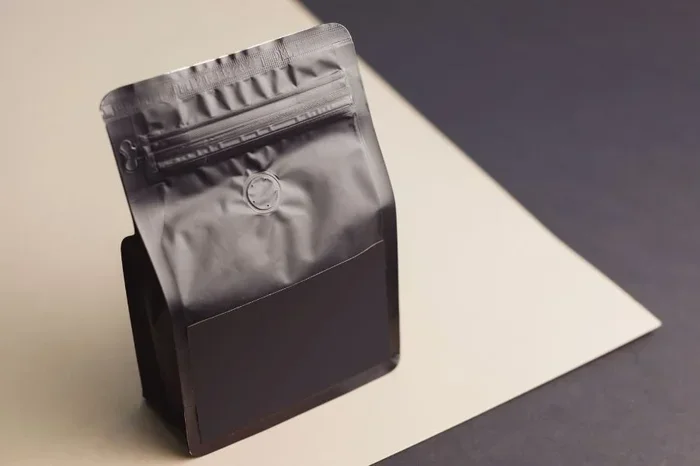
Sealed coffee refers to whole bean or ground coffee that has not been opened from its original packaging. The bag is typically sealed with a one-way valve that lets carbon dioxide escape without letting oxygen in. This design is crucial for preserving the coffee bean freshness that you love.
Freshness matters because coffee is a natural product. Once roasted, the beans begin to degas and slowly lose their aromatic oils. These oils are what give coffee its rich flavor and inviting smell. Without proper coffee storage, oxidation kicks in fast and strips away everything that makes coffee enjoyable.
The Role of the One-Way Valve
The small valve on most quality coffee bags is not just for looks. It serves a real purpose. After roasting, coffee beans release carbon dioxide for days or even weeks. If the bag were completely sealed without a valve, it would swell up and potentially burst. The valve releases that gas while keeping fresh air out. This is why sealed coffee in valve bags lasts significantly longer than coffee stored in a regular container.
Why Ground Coffee Degrades Faster
When coffee beans are ground, the surface area increases dramatically. More surface area means more exposure to oxygen. This speeds up the oxidation process significantly. That is why ground coffee freshness window is so much shorter than whole beans. Even in a sealed bag, pre-ground coffee will not last as long as whole beans.
How Long Does Sealed Coffee Last?
The short answer is that sealed coffee can last 6 to 9 months past its roast date under ideal conditions. However, several factors influence this timeline. Let us look at the different types of sealed coffee and their expected shelf life.
Whole Bean Sealed Coffee
Whole bean coffee that remains sealed in its original bag has the longest sealed coffee shelf life. When stored in a cool, dark, and dry place, you can expect it to taste great for up to 9 months. Some high-quality beans with specialized packaging can even last a bit longer. The key is keeping the bag sealed until you are ready to use it.
Here are some general guidelines for whole bean sealed coffee:
- Best flavor window: 2 to 4 weeks after the roast date
- Good quality window: 3 to 6 months after the roast date
- Acceptable quality window: 6 to 9 months after the roast date
- Maximum shelf life: Up to 12 months if stored perfectly
Sealed Ground Coffee
Sealed ground coffee does not last as long as whole beans. The increased surface area causes faster flavor degradation. Even in a sealed bag, ground coffee is best used within 3 to 6 months of the roast date. After opening the bag, you should use it within 1 to 2 weeks for the best taste.
If you buy pre-ground coffee, check the roast date on the bag. This is usually printed on the back or bottom. The closer the roast date is to your purchase date, the longer your coffee will stay fresh at home.
Instant Coffee and Freeze-Dried Coffee
Instant coffee and freeze-dried coffee have the longest sealed coffee shelf life of all types. Because the moisture has been removed, these products can last 2 years or more past their expiration date. They do not taste as fresh as brewed whole bean coffee, but they are very convenient and still safe to consume well past the printed date.
Sealed Coffee vs Ground Coffee: The Shelf Life Comparison
The difference between sealed whole bean coffee and ground coffee comes down to one simple science fact: surface area. More surface area means more contact with air, which means faster degradation. Let us compare the two side by side.
| Factor | Sealed Whole Bean Coffee | Sealed Ground Coffee |
|---|---|---|
| Unopened shelf life | 6 to 9 months | 3 to 6 months |
| Opened shelf life | 1 to 2 weeks (if transferred to airtight container) | 1 to 2 weeks |
| Peak flavor window | 2 to 4 weeks after roast | 1 to 2 weeks after opening |
| Aroma retention | Excellent for months | Good for weeks |
| Oxidation speed | Slow | Fast |
| Best storage method | Cool, dark, dry place in original bag | Airtight container in cool dark place |
As you can see from the table, whole bean sealed coffee has a clear advantage when it comes to longevity. The whole bean protects the interior from air and moisture much better than ground coffee does. This is one of the main reasons coffee experts always recommend buying whole beans and grinding them just before brewing.
If you prefer the convenience of ground coffee, try to buy smaller bags that you can finish within a few weeks. This way, you always get the best ground coffee freshness possible.
Factors That Affect Coffee Freshness
Several factors determine how long your sealed coffee will actually last. Understanding these can help you make smarter buying and storage decisions.
Oxygen Exposure
Oxygen is the number one enemy of fresh coffee. It causes oxidation, which breaks down the aromatic compounds that give coffee its wonderful flavor. This is why airtight coffee storage is so important. Even a sealed bag with a valve will eventually let in small amounts of air over time. That is why it is best to consume sealed coffee within the recommended window.
Moisture and Humidity
Moisture can ruin coffee quickly. Coffee beans are porous and will absorb moisture from the air. This leads to mold growth and flavor loss. Keep your sealed coffee in a dry place away from the stove, dishwasher, or any source of steam. A cool pantry or cupboard works perfectly.
Light and Heat
Direct sunlight and heat accelerate the breakdown of coffee oils. Never store coffee on a windowsill or near a heat source. A dark cupboard at room temperature is ideal for maintaining coffee bean freshness. If your kitchen runs hot, consider storing sealed coffee in a pantry that stays cooler.
Roast Date vs Expiration Date
Many people confuse the roast date with the expiration date. The roast date tells you when the coffee was roasted and is the best indicator of freshness. The expiration date is a rough estimate of when the coffee may start to taste off. Always look for the roast date first when buying coffee. A fresh roast date means better flavor and a longer remaining shelf life.
How to Store Sealed Coffee for Maximum Freshness
Proper storage makes a huge difference in how long your coffee stays fresh. Follow these simple tips to get the most out of every bag.
Keep It Sealed Until Use
Do not open the bag until you are ready to use the coffee. The original packaging is designed to protect the beans. Every time you open and close the bag, you introduce fresh air and moisture. If you have already opened a bag, squeeze out the extra air and seal it tightly, or transfer the coffee to an airtight coffee storage container.
Store in a Cool, Dark Place
A cool pantry or cupboard away from direct sunlight is the best spot for sealed coffee. Avoid storing it near the oven or any appliance that generates heat. Consistent temperature helps maintain quality over time.
Avoid the Refrigerator and Freezer
You might have heard that you can freeze coffee to extend its life. While this works for unopened, long-term storage, it is generally not recommended for everyday use. The fridge and freezer introduce moisture every time you open them. Temperature fluctuations cause condensation, which can damage the beans. If you must freeze sealed coffee, make sure the bag is completely airtight and only take it out once.
Use the Right Container After Opening
Once you open a bag of ground coffee, transfer it to an airtight container. A container with a rubber seal works best. This slows down oxidation and keeps the aroma locked in. Avoid clear containers that let light in. Opaque containers are ideal for coffee freshness after opening.
How to Tell If Your Coffee Has Gone Stale
Even with the best storage, coffee will eventually go stale. Learning to recognize the signs helps you avoid a disappointing cup. Here are the most common indicators that your coffee has passed its prime.
- Loss of aroma: Fresh coffee has a strong, inviting smell. If you open the bag and barely notice any scent, the coffee has likely gone stale.
- Flat taste: Stale coffee tastes flat and lifeless. It lacks the bright, complex flavors that fresh coffee has.
- Bitter or hollow aftertaste: If your coffee leaves a harsh or empty feeling in your mouth, it may be too old.
- Oily surface on beans: Very oily beans can indicate that the coffee has been sitting too long and the oils have started to break down.
- No visible carbon dioxide release: Fresh coffee releases CO2. If you do not see any bubbles when you grind or brew, the coffee may be stale.
If you notice any of these signs, it is best to get fresh coffee. Stale coffee will not make you sick, but it will not taste good either. The good news is that buying fresh sealed coffee with a recent roast date solves this problem easily.
Quick Tips to Keep Coffee Fresh
- Buy coffee in smaller quantities so you finish it faster
- Always check the roast date before purchasing
- Store sealed coffee away from strong-smelling foods, as beans can absorb odors
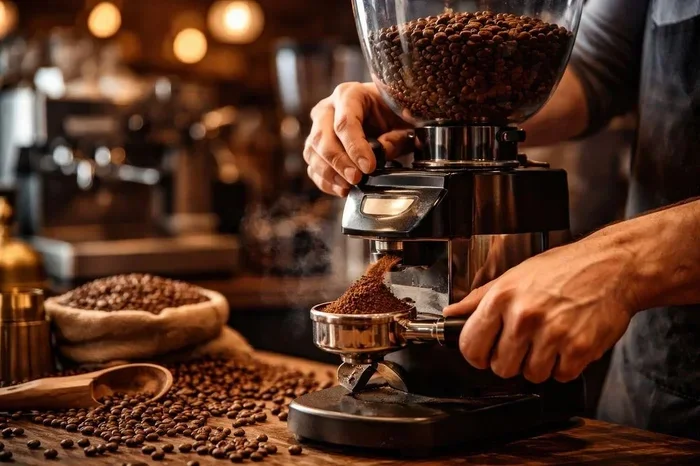
- Grind only what you need for each brew
- Use a burr grinder for the most consistent grind and best flavor extraction
For those who enjoy making coffee at home without special equipment, you can explore how to make coffee without a filter or machine using simple household items. This way, even if your coffee is slightly past its peak, you can still enjoy a decent cup.
Common Mistakes That Shorten Coffee Freshness
Many people unknowingly shorten the life of their coffee. Avoid these common mistakes to keep your coffee tasting fresh for as long as possible.
Storing Coffee in the Original Bag After Opening
The original bag is great for sealed coffee, but it is not designed for long-term storage after opening. The fold-over clip does not create an airtight seal. Transfer your coffee to a proper container after opening.
Buying in Bulk Without Proper Storage
Buying large bags of coffee on sale can backfire if you cannot store them properly. If you do buy in bulk, keep the main sealed bag in a cool, dark place and only open one bag at a time. This way, the sealed portion stays fresh while you use the opened bag.
Ignoring the Roast Date
Relying only on the expiration date is a mistake. The roast date gives you much better information about freshness. Always try to buy coffee with a roast date that is within the last 2 to 4 weeks.
Grinding Too Early
If you grind your beans too far in advance, the coffee loses its freshness rapidly. Grind only what you need for the current brew. This single habit can dramatically improve the taste of your coffee.
Final Thoughts on Sealed Coffee Shelf Life
Sealed coffee offers a much longer freshness window than ground coffee, making it a smart choice for anyone who wants to enjoy great-tasting coffee over time. Whole bean sealed coffee can last 6 to 9 months unopened, while ground coffee is best within 3 to 6 months. After opening, both types should be used within 1 to 2 weeks for optimal flavor.
The secret to great coffee is simple: buy fresh, store properly, and use it before it goes stale. Pay attention to the roast date, keep your coffee in a cool dark place, and invest in an airtight container for opened bags. These small steps make a big difference in every cup you brew.
Remember that coffee is a natural product, and its quality changes over time. By understanding the sealed coffee shelf life and following the tips in this guide, you will always have delicious coffee ready when you need it. Fresh coffee tastes better, smells better, and makes your morning routine that much more enjoyable.
Take what you have learned here and put it into practice today. Check the roast date on your next bag of coffee, store it properly, and notice the difference in flavor. Your taste buds will thank you.
Frequently Asked Questions
Can you drink coffee past the expiration date if it is still sealed?
Yes, you can drink sealed coffee past the expiration date as long as it has been stored properly. The expiration date is a rough estimate, and sealed coffee often remains safe and usable for months beyond that date. Check for signs of staleness like loss of aroma or flat taste before brewing.
How can you tell if sealed coffee is still good?
The best way to tell is by checking the aroma and taste. Fresh sealed coffee has a strong, pleasant smell. If you open the bag and notice little to no scent, or if the brewed coffee tastes flat and bitter, it has likely gone stale. Always check the roast date for the best indicator of freshness.
Does sealed coffee go bad if left unopened for too long?
Sealed coffee does not technically go bad in a dangerous sense, but it loses its flavor and aroma over time. After 9 to 12 months of sitting sealed, the coffee will still be safe to drink but will taste significantly worse. It is best to use sealed coffee within the recommended freshness window.
Is it better to buy whole bean or ground coffee for longer freshness?
Whole bean coffee lasts much longer than ground coffee because it has less surface area exposed to air. Sealed whole bean coffee can stay fresh for 6 to 9 months, while sealed ground coffee is best within 3 to 6 months. For maximum freshness, buy whole beans and grind them just before brewing.
What is the best container for storing opened ground coffee?
The best container is an airtight, opaque container with a rubber or silicone seal. This keeps out oxygen, moisture, and light, all of which degrade coffee quality. Avoid clear jars or containers that sit on countertops exposed to light and heat.
Can you freeze sealed coffee to extend its shelf life?
Freezing unopened sealed coffee can extend its shelf life for long-term storage. However, for everyday use, freezing is not recommended because temperature changes introduce moisture that can damage the beans. If you freeze coffee, keep it in an airtight bag and only thaw it once.