Filet Mignon Roast Oven Temperature for Perfect Results
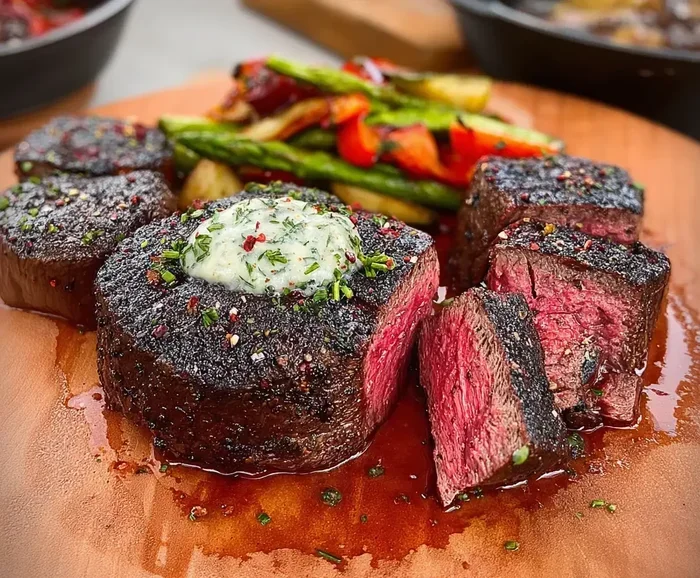
Cooking a filet mignon roast in the oven comes down to nailing the right temperature and timing. This guide covers the ideal filet mignon roast oven temperature for every level of doneness, from rare to well done. You will learn how to sear, roast, and rest your steak like a pro. Whether you are a beginner or a seasoned cook, these tips will elevate your beef roast game.
There is nothing quite like a perfectly cooked filet mignon roast sitting on your plate. The outside is golden brown and crispy, while the inside is tender, juicy, and cooked exactly how you like it. But achieving that level of perfection is not always easy. One wrong move with the oven temperature, and you end up with a tough, dry steak that nobody wants to eat.
If you have been struggling to get your beef roast just right, you are not alone. Many home cooks overthink the process or simply guess at the temperature. The truth is, there is a science behind roasting filet mignon in the oven. Once you understand the basics, it becomes second nature. This guide will walk you through everything you need to know about the filet mignon roast oven temperature for perfect results every single time.
We will cover the best temperatures to use, how long to cook your roast, and the simple steps that separate a good steak from a great one. Whether you are cooking for a special dinner or just treating yourself, this article has you covered. Let us dive in and make your next roast beef dinner unforgettable.
Key Takeaways
- Ideal Oven Temperature: 400°F to 425°F is the sweet spot for roasting filet mignon to perfection.
- Internal Temperatures Matter: Use a meat thermometer to hit 130°F for medium rare, 140°F for medium, and 150°F for medium well.
- Searing First Is Key: Always sear your beef tenderloin roast in a hot skillet before moving it to the oven.
- Resting Time Is Non-Negotiable: Let your steak rest for at least 5 to 10 minutes after cooking to lock in juices.
- Thickness Affects Cooking Time: A thicker roast needs more time, while thinner cuts cook faster at higher heat.
- Avoid Common Mistakes: Skipping the thermometer, overcooking, and not resting the meat are the top errors home cooks make.
📑 Table of Contents
- Why Oven Temperature Matters for Filet Mignon Roast
- Best Filet Mignon Roast Oven Temperature Settings
- How to Cook Filet Mignon Roast in the Oven
- Common Mistakes to Avoid When Roasting Filet Mignon
- Expert Tips for the Perfect Roast
- How Long to Cook Filet Mignon Roast at Different Temperatures
- Comparing Oven Roasting vs. Other Cooking Methods
- Final Thoughts on Filet Mignon Roast Oven Temperature
Why Oven Temperature Matters for Filet Mignon Roast
The oven temperature you choose has a huge impact on the final result of your filet mignon roast. Too hot, and the outside burns before the inside cooks evenly. Too low, and the steak takes forever to reach the right internal temperature. Finding the balance is the key to a perfect roast in oven every time.
When you roast beef tenderloin in the oven, the heat surrounds the meat evenly. This is different from grilling, where one side gets direct flame. Oven roasting gives you more control over the cooking process. You can focus on the oven-baked steak without worrying about hot spots or flare ups.
The right temperature also affects how the steak crust forms. A higher oven setting helps create that beautiful golden brown exterior. This crust locks in moisture and adds flavor. Without the correct heat level, you might end up with a pale, bland surface instead of a flavorful sear.
Understanding Heat and Steak Doneness
Different oven temperatures work better for different levels of doneness. If you like your steak rare, a slightly lower temperature helps prevent the center from cooking too fast. For those who prefer medium or well done, a higher temperature ensures the heat reaches the center without overcooking the outer layers.
Here is a simple breakdown of how temperature affects steak doneness:
- Rare: Cook at 400°F for a shorter time. The center stays cool and red.
- Medium Rare: 425°F works well. This is the most popular choice for filet mignon.
- Medium: A slightly longer cook time at 425°F gives you a pink center.
- Well Done: Lower the temperature slightly and cook longer to avoid drying out.
Using a meat thermometer is the best way to track your progress. It removes all the guesswork and tells you exactly when your roast beef is ready. This small tool can completely transform your oven-baked beef experience.
Best Filet Mignon Roast Oven Temperature Settings
Now let us get into the specific temperatures you should use. The ideal filet mignon roast oven temperature depends on a few factors, including the thickness of your cut and how you like your steak cooked. Below are the recommended settings for the best results.
400°F: The Versatile Choice
Setting your oven to 400°F is one of the most popular approaches for roasting filet mignon. This temperature strikes a great balance between cooking time and crust formation. At 400°F, the steak cooks evenly without drying out too quickly.
This temperature works especially well for thicker cuts of beef tenderloin roast. A roast that is about 2 to 3 inches thick benefits from the moderate heat. It gives the oven time to penetrate to the center while building a nice crust on the outside.
For a medium rare finish at 400°F, plan on cooking for about 20 to 25 minutes. Always use a meat thermometer to check the internal temperature. Remember that the temperature will rise a few degrees after you remove the steak from the oven.
425°F: For Faster Cooking and a Crisp Crust
If you want a beautifully seared crust and a slightly faster cook time, 425°F is your go-to temperature. This higher heat creates a more intense Maillard reaction on the surface of the steak. The result is a deep, caramelized flavor that makes every bite delicious.
At 425°F, a 2-inch thick filet mignon roast will be done in about 15 to 20 minutes for medium rare. This is ideal for weeknight dinners when you want a restaurant-quality meal without spending hours in the kitchen.
The higher temperature also works great for thinner cuts. If your beef roast is less than 2 inches thick, 425°F prevents it from overcooking. You get a perfect edge-to-edge doneness with minimal effort.
375°F: The Low and Slow Approach
Some cooks prefer a lower temperature for a more gentle cooking process. At 375°F, the roast cooks slowly and evenly. This method is excellent for larger cuts of beef tenderloin that need more time to reach the center.
The low and slow approach reduces the risk of overcooking the outer layers. Your steak stays moist and tender throughout. It is a great option if you are new to roasting beef in the oven and want a forgiving cooking method.
At 375°F, plan for a longer cook time, usually 25 to 35 minutes for a thick roast. The tradeoff is a slightly less pronounced crust. However, you can always sear the steak in a hot skillet after it comes out of the oven to add that extra flavor.
How to Cook Filet Mignon Roast in the Oven
Now that you know the best temperatures, let us walk through the actual cooking process. Following these steps will help you achieve a perfect roast every time. The process is simple, but each step plays an important role in the final outcome.
Step One: Prep Your Steak
Start by taking your filet mignon roast out of the refrigerator about 30 minutes before cooking. Letting it come to room temperature helps it cook more evenly. Cold steak going into a hot oven leads to uneven cooking, with the outside overcooked and the center still cold.
Pat the roast dry with paper towels. Dry surfaces sear better and create a superior crust. Season generously with salt, pepper, and any other spices you enjoy. A simple blend of garlic powder and fresh herbs works wonders on beef tenderloin.
Step Two: Sear Before Roasting
Searing is one of the most important steps in the process. Heat a cast iron skillet over high heat and add a small amount of oil. Once the pan is smoking hot, place the steak in the skillet and sear each side for about 1 to 2 minutes.
This step creates the flavorful crust that makes oven-roasted steak so special. The Maillard reaction happens quickly at high heat, developing complex flavors you cannot get from the oven alone. Do not skip this step if you want the best possible results.
After searing, transfer the skillet directly into the preheated oven. This saves time and keeps the steak hot during the transition. Alternatively, you can transfer the steak to a baking sheet if you prefer.
Step Three: Roast and Monitor
Place the skillet or baking sheet in the oven and let the roast cook. Use a meat thermometer to check the internal temperature regularly. This is the single most important tool for nailing the filet mignon roast oven temperature.
Here is a helpful guide for target internal temperatures:
- 120°F: Rare
- 130°F: Medium Rare
- 140°F: Medium
- 150°F: Medium Well
- 160°F: Well Done
Remember that the temperature will rise about 5 degrees after you pull the steak out. This is called carryover cooking. So if you want a medium rare finish, pull the roast at 125°F and let it rest.
Step Four: Rest Your Steak
Resting is just as important as cooking. Once your roast reaches the target temperature, remove it from the oven and let it sit for at least 5 to 10 minutes. During this time, the juices redistribute throughout the meat.
If you cut into the steak immediately, all those juices will run out onto the cutting board. The result is a dry, less flavorful piece of beef. Giving it time to rest ensures every bite is moist and delicious.
Tent the roast loosely with aluminum foil while it rests. This keeps it warm without trapping too much steam, which could soften the crust you worked so hard to build.
Common Mistakes to Avoid When Roasting Filet Mignon
Even experienced cooks sometimes make mistakes that affect the quality of their roast. Knowing what to avoid can save you from a disappointing dinner. Here are the most common errors and how to fix them.
Skipping the Meat Thermometer
The biggest mistake home cooks make is guessing doneness by time alone. Every oven is different, and every cut of meat varies in thickness. Without a thermometer, you are essentially flying blind. Invest in a good instant-read meat thermometer and use it every single time.
Cooking from Cold
Putting a cold steak straight into the oven leads to uneven cooking. The outside overcooks while the center struggles to reach temperature. Always let your beef roast sit at room temperature for at least 20 to 30 minutes before cooking. This small step makes a massive difference.
Not Resting the Meat
We cannot stress this enough. Resting your steak after cooking is essential. The juices need time to settle back into the muscle fibers. Cutting too early means losing all that hard work to a puddle of liquid on your plate.
Using the Wrong Pan
The pan you choose matters more than you might think. Thin baking sheets warp in high heat and cause uneven cooking. A cast iron skillet distributes heat evenly and retains it well. It is the best choice for searing and roasting beef tenderloin in the oven.
Expert Tips for the Perfect Roast
Want to take your filet mignon roast to the next level? These expert tips will help you achieve restaurant-quality results at home. They are simple, effective, and easy to implement in your next cooking session.
Use a Rack for Even Cooking: Placing your roast on a wire rack set inside a baking sheet allows hot air to circulate around the meat. This promotes even cooking on all sides and prevents the bottom from steaming.
Add Aromatics for Extra Flavor: Toss some garlic cloves, fresh rosemary, and thyme into the pan before roasting. As the steak cooks, the aromatic compounds infuse into the surrounding heat and gently flavor the meat.
Butter Baste for Richness: After searing, add a knob of butter and fresh herbs to the pan before putting it in the oven. As the butter melts, spoon it over the steak every few minutes. This technique adds incredible richness and flavor to your roast beef.
Let the Steak Speak: Every filet mignon is slightly different in size and shape. Trust your thermometer over the clock. Time is just a guideline, but the internal temperature tells you the truth about your steak.
Reverse Sear for Thick Cuts: For roasts thicker than 3 inches, try the reverse sear method. Cook the steak low and slow in the oven first, then finish with a hot sear in a skillet. This technique gives you perfect edge-to-edge doneness with a beautiful crust.
How Long to Cook Filet Mignon Roast at Different Temperatures
Cooking time varies based on the oven temperature and the thickness of your roast. Here is a general guide to help you plan your cooking time. These times assume a 2-inch thick roast starting at room temperature.
- At 375°F: 25 to 35 minutes for medium rare
- At 400°F: 20 to 25 minutes for medium rare
- At 425°F: 15 to 20 minutes for medium rare
These times are estimates. The actual cooking time depends on your specific oven, the weight of the roast, and your desired level of doneness. Always use a meat thermometer to confirm the internal temperature. This is the most reliable way to know your beef roast is ready.
For larger roasts over 3 pounds, add 5 to 10 minutes to these times. Thinner cuts under 1.5 inches will cook faster, so check them earlier than the suggested times. The beauty of using a thermometer is that you never have to wonder if your steak is done.
Keep in mind that the oven temperature will drop when you open the door to check on the steak. To minimize heat loss, use the oven light to monitor the roast whenever possible. Only open the door when you need to check the temperature with your thermometer.
Comparing Oven Roasting vs. Other Cooking Methods
There are several ways to cook a filet mignon roast, and each method has its advantages. Understanding how oven roasting compares to other techniques helps you choose the best approach for your needs.
Oven Roasting: The most even and controllable method. The filet mignon roast oven temperature stays consistent, and the heat surrounds the meat completely. This is the best choice for most home cooks.
Grilling: Grilling gives you beautiful char marks and smoky flavor. However, it is harder to control the internal temperature. Wind, flare ups, and inconsistent grill heat can all affect the result.
Sous Vide: This method offers the most precise temperature control. You vacuum seal the steak and cook it in a water bath at your exact desired temperature. However, you still need to sear it afterward for a crust.
Pan Frying: Great for thinner cuts, but not ideal for larger roasts. The heat does not penetrate to the center evenly, which can leave you with an overcooked exterior and undercooked center.
For a perfect balance of flavor, texture, and ease, oven roasting remains the top choice for cooking filet mignon. It is forgiving, consistent, and produces outstanding results every time.
Final Thoughts on Filet Mignon Roast Oven Temperature
Getting the filet mignon roast oven temperature right is the foundation of a perfect steak dinner. With the right temperature, a good meat thermometer, and a little patience, you can cook restaurant-quality beef roast at home. The process is simpler than most people think, and the results are always worth the effort.
Remember to start with a room temperature roast, sear it first, roast at the right temperature, and always let it rest before cutting. These four steps make all the difference between an ordinary steak and an extraordinary one. Practice these techniques a few times, and you will never go back to guessing again.
The beauty of oven roasting is that once you understand the basics, you can experiment with different temperatures, seasonings, and cooking times. You will develop your own style and preferences. And every time you pull a perfectly cooked filet mignon out of the oven, you will feel a real sense of accomplishment.
So fire up your oven, grab your favorite cut of beef tenderloin, and put these tips into action. Your next filet mignon roast will be the best one yet. Happy cooking!
Frequently Asked Questions
What is the best filet mignon roast oven temperature?
The best filet mignon roast oven temperature is between 400°F and 425°F for most cuts. This range provides even cooking and a beautiful golden crust. For thicker roasts, 400°F works great, while 425°F is ideal for thinner cuts or faster cooking.
How long should I cook a filet mignon roast in the oven?
Cooking time depends on the thickness of your roast and the oven temperature. At 425°F, a 2-inch thick roast takes about 15 to 20 minutes for medium rare. At 400°F, it takes closer to 20 to 25 minutes. Always use a meat thermometer to check the internal temperature for the best results.
Do I need to sear filet mignon before roasting it in the oven?
Yes, searing is highly recommended. Searing in a hot skillet before roasting creates a flavorful crust through the Maillard reaction. It adds depth and richness to the final dish. While you can roast without searing, the crust makes a big difference in flavor and texture.
What internal temperature should filet mignon reach when done?
For medium rare, pull the roast at 125°F to 130°F. The temperature will rise about 5 degrees during resting. For medium, aim for 135°F to 140°F before resting. A reliable meat thermometer is the best way to ensure your beef roast is cooked exactly how you like it.
Can I cook a frozen filet mignon roast in the oven?
It is best to thaw your roast before cooking for even results. Cooking from frozen leads to uneven doneness, with the outside overcooked and the center still cold. If you must cook from frozen, lower the oven temperature and increase the cook time significantly. Use a thermometer to monitor the internal temperature carefully.
How long should I rest a filet mignon roast after cooking?
Let your roast rest for at least 5 to 10 minutes after removing it from the oven. Tent it loosely with aluminum foil to keep it warm. Resting allows the juices to redistribute throughout the meat, resulting in a more tender and flavorful steak. Cutting too early causes the juices to escape, leaving you with a drier roast.