Does Coffee Make You Poop Faster Than You Think It Does
Does coffee make you poop faster? Yes, coffee can speed up bowel movements in many people, often within minutes of drinking it. The combination of caffeine, stomach acid, and gut hormones creates a powerful laxative effect that surprises even regular coffee drinkers. This article breaks down the science, myths, and practical tips behind coffee and digestion.
You finish your morning coffee and within minutes, your stomach starts gurgling. You rush to the bathroom, and just like clockwork, your body responds. It happens so often that you barely think about it. But have you ever stopped and wondered, does coffee make you poop faster than you think it does?
The answer might surprise you. Coffee does not just wake you up. It also wakes up your digestive system in ways that go beyond simple caffeine stimulation. Scientists have studied this connection for years, and the findings are fascinating. Whether you drink espresso, drip coffee, or cold brew, your gut knows what is coming.
In this article, we will explore exactly how coffee affects your bowel movements, what compounds are responsible, and whether the type of coffee matters. We will also look at common myths, share practical tips, and answer the questions most people are too embarrassed to ask. By the end, you will understand your morning cup in a whole new way.
If you love coffee and digestion topics, this one is for you. Let us dive in.
Key Takeaways
- Coffee stimulates bowel movements: Both caffeine and non-caffeine compounds in coffee trigger gut activity.
- The effect is faster than most people expect: Many people feel the urge within 4 to 20 minutes of drinking coffee.
- Decaf coffee can also make you poop: It is not just caffeine causing the effect.
- Acidity plays a big role: Coffee increases stomach acid production, which speeds up digestion.
- Too much coffee can backfire: Excessive intake may cause stomach cramps, acid reflux, or diarrhea.
- Timing matters: Drinking coffee on an empty stomach amplifies the laxative effect.
- Individual responses vary: Genetics, gut health, and caffeine tolerance all play a role.
📑 Table of Contents
- How Coffee Affects Your Digestive System
- Why Does Coffee Make You Poop So Fast?
- Does the Type of Coffee Matter?
- Can Coffee Help with Constipation?
- Common Mistakes People Make with Coffee and Digestion
- Expert Insights on Coffee and Digestion
- Quick Tips for Better Digestion with Coffee
- The Science Behind the Coffee Laxative Effect
- Key Takeaways
- Conclusion
How Coffee Affects Your Digestive System
Your digestive system is a complex machine. It moves food through your gut, absorbs nutrients, and eliminates waste. Coffee interacts with almost every part of this process. The effects start the moment the liquid touches your tongue.
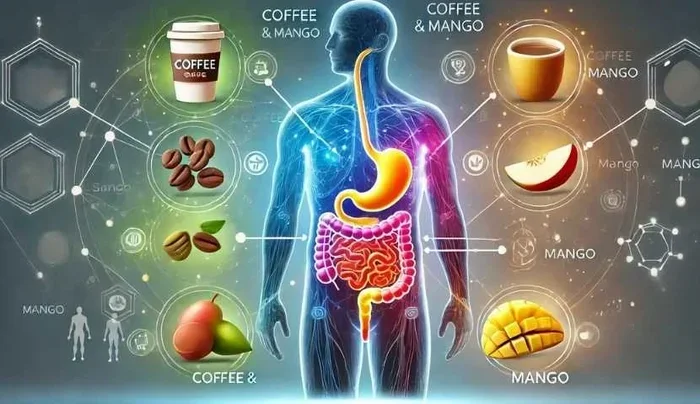
When you drink coffee, your brain sends signals to your stomach and intestines. These signals trigger a series of hormonal and mechanical responses. The result is faster movement through your gastrointestinal tract. This process is called gastric motility, and coffee is one of the strongest natural stimulants for it.
The Role of Caffeine
Caffeine is the most well-known compound in coffee. It stimulates your central nervous system, which includes your gut nervous system. When caffeine enters your bloodstream, it increases the production of stomach acid and speeds up the contractions of your intestinal muscles.
These contractions push contents through your colon faster than normal. This is why many people feel the urge to go shortly after drinking their morning cup. The caffeine and bowel movements connection is well documented in medical literature.
However, caffeine alone does not tell the full story. Decaf coffee also causes similar effects, which means other compounds are at work too. We will explore those shortly.
Chlorogenic Acids and Other Compounds
Coffee contains hundreds of bioactive compounds. One of the most important is chlorogenic acid. This compound increases gastric acid secretion and accelerates stomach emptying. When your stomach empties faster, your intestines receive material sooner, which triggers the need to eliminate waste.
Another compound, N-alkanoyl-5-hydroxytryptamide, stimulates the production of gastrin. Gastrin is a hormone that boosts stomach activity. Together, these compounds create a powerful coffee laxative effect that goes beyond what caffeine provides alone.
This is why decaf coffee and digestion are still closely linked. Even without caffeine, your gut responds to the chemical makeup of coffee.
Why Does Coffee Make You Poop So Fast?
Speed matters. Most people experience the coffee bowel movement effect within 4 to 20 minutes of drinking their cup. This rapid response surprises many people, especially those who assume digestion takes hours.
The speed comes from how coffee interacts with your stomach and colon simultaneously. It does not just work on one part of your gut. It creates a coordinated response that speeds up the entire process.
The Gastrocolic Reflex
One of the main reasons coffee works so fast is the gastrocolic reflex. This is a natural bodily response that occurs when food or drink enters your stomach. The reflex signals your colon to make room for incoming content by pushing existing contents further down.
Coffee is particularly effective at triggering this reflex. The combination of heat, acidity, and caffeine creates a strong signal. Your colon responds by increasing its contractions, which leads to a faster trip to the bathroom.
If you have ever noticed that hot coffee digestion feels faster than iced coffee, the gastrocolic reflex may be part of the reason. Warm liquids tend to stimulate gut activity more effectively.
Stomach Acid Production
Coffee raises the level of hydrochloric acid in your stomach. This acid helps break down food, but it also speeds up the overall digestive process. When acid levels are high, your stomach works faster, which means your intestines get to work sooner too.
This is also why some people experience heartburn or acid reflux after drinking coffee. The extra acid can splash back into the esophagus. But for digestion, the increased acidity is what helps move things along quickly.
If you are sensitive to acid, consider how you prepare your coffee. The way you brew it affects how acidic the final drink is. For more on coffee preparation, check out our guide on will grinding coffee beans finer make it stronger.
Does the Type of Coffee Matter?
Not all coffee is created equal when it comes to digestive effects. The type of bean, roast level, brewing method, and added ingredients all play a role in how strongly coffee affects your bowels.
Dark Roast vs. Light Roast
Dark roast and light roast coffee differ in their chemical profiles. Dark roast coffee contains more N-methylpyridinium, a compound that reduces stomach acid production. This might seem counterintuitive, but it actually means dark roast is gentler on some stomachs.
Light roast coffee, on the other hand, retains more chlorogenic acids. These acids increase stomach acid and can speed up digestion even more. So if you find that light roast coffee gut health issues bother you, switching to a darker roast might help.
Brewing Method and Digestion
How you brew your coffee changes its chemical composition. Espresso has a concentrated dose of compounds that stimulate digestion. French press coffee retains more oils, which can have a mild laxative effect. Paper-filtered coffee removes some of these oils, potentially making it gentler on your gut.
Here is a quick comparison of common brewing methods and their digestive impact:
- Espresso: High concentration, strong gut stimulation, fast effect.
- French Press: Rich in oils, moderate laxative effect.
- Paper Filter: Removes some oils, gentler on digestion.
- Cold Brew: Lower acidity, slower but still effective.
- Instant Coffee: Lower compound concentration, milder effect.
If you do not use a machine, you might want to explore alternative methods. Learn more about how to make coffee without filter or machine for simple, effective brewing at home.
Additives and Their Effects
What you add to your coffee also matters. Milk, cream, and sugar can slow down the digestive response for some people. Dairy can make coffee harder to digest for those who are lactose intolerant. On the other hand, adding butter or coconut oil, as in bulletproof coffee, can create a different kind of digestive response that some people find helps with regularity.
Can Coffee Help with Constipation?
Many people turn to coffee as a natural remedy for coffee constipation relief. The evidence supports this use. Coffee stimulates the muscles in your intestines, which helps move stool along more efficiently.
Studies have shown that coffee can be as effective as a meal at stimulating colonic activity. In fact, coffee’s effect on the colon is sometimes compared to eating a large meal. The difference is that coffee does this without adding calories or bulk to your system.
If you struggle with occasional coffee and gut motility issues, a warm cup in the morning might be all you need. The key is consistency. Drinking coffee at the same time each day helps train your body to respond on schedule.
When Coffee Does Not Work
It is important to note that coffee does not work the same way for everyone. Some people drink coffee regularly and notice little to no effect on their bowels. This can happen for several reasons:
- Caffeine tolerance: Your body adapts to caffeine over time, reducing its stimulant effects.
- Gut health: People with certain digestive conditions may not respond the same way.
- Genetics: Your genetic makeup influences how quickly you metabolize caffeine and how sensitive your gut is to coffee compounds.
- Dehydration: Coffee is a mild diuretic. If you are already dehydrated, the laxative effect may be reduced.
For those dealing with ongoing digestive issues, understanding the coffee and IBS connection is important. Coffee can worsen symptoms for some people with irritable bowel syndrome, including increased cramping and urgency.
Common Mistakes People Make with Coffee and Digestion
Even coffee lovers can make mistakes that worsen digestive issues. Here are the most common ones to avoid.
Drinking Coffee on an Empty Stomach
This is the number one mistake. Drinking coffee first thing in the morning before eating amplifies the laxative effect. The acid in coffee has nothing to buffer it, which can irritate your stomach lining and cause cramping.
Instead, try eating a small breakfast before your coffee. A piece of toast or a banana can help absorb some of the acid and slow down the digestive response. This simple change can make a big difference in how your body handles morning coffee routine digestion.
Drinking Too Much Coffee
More coffee does not mean better digestion. Excessive intake can lead to stomach upset, diarrhea, and dehydration. The coffee and digestive system works best with moderate consumption, typically 1 to 3 cups per day.
If you find yourself running to the bathroom too often after coffee, try reducing your intake. You might also switch to decaf coffee gut health options, which provide the ritual without the strong laxative effect.
Ignoring the Quality of Your Coffee
Cheap, low-quality coffee often contains more impurities and higher levels of compounds that irritate the gut. Investing in good quality beans and proper storage makes a difference. Clean equipment matters too. A dirty coffee machine can harbor bacteria that affect your stomach health.
For tips on keeping your equipment clean, read our article on how to clean coffee machine water tank.
Expert Insights on Coffee and Digestion
Nutritionists and gastroenterologists have shared their perspectives on the coffee-digestion connection. Most agree that coffee is a natural digestive stimulant with real benefits for many people.
Dr. Niket Sonpal, a board-certified gastroenterologist, has noted that coffee stimulates the colon more than water or even most foods. He explains that this is why many people develop a strong morning coffee habit tied to their bathroom routine.
Registered dietitian Amanda Kostro Miller adds that the coffee gut health connection is individual. She recommends paying attention to how your body responds and adjusting your intake accordingly. For most healthy adults, moderate coffee consumption supports healthy digestion without negative side effects.
Experts also emphasize that the coffee drink effects on digestion are not just about the caffeine. The entire chemical profile of coffee contributes to its reputation as a natural laxative. This is why even decaf versions can trigger bowel movements in sensitive individuals.
Quick Tips for Better Digestion with Coffee
Want to enjoy your coffee without the digestive discomfort? Here are some practical tips that work:
- Eat before you drink. A small meal or snack buffers the acid and slows the digestive response.
- Choose the right roast. Dark roast is generally gentler on the stomach than light roast.
- Try low-acid coffee. Some brands offer specially processed beans that reduce acidity.
- Stay hydrated. Drink water alongside your coffee to offset the mild diuretic effect.
- Limit sugar and cream. These can slow digestion for some people and cause bloating.
- Listen to your body. If coffee causes discomfort, reduce your intake or switch to herbal alternatives.
These simple adjustments let you enjoy your daily cup while keeping your coffee stomach happy and your digestion running smoothly.
The Science Behind the Coffee Laxative Effect
Let us look at the science more closely. When you drink coffee, several things happen inside your body within minutes:
- Gastrin release: Coffee triggers the release of gastrin, a hormone that increases stomach activity.
- Cholecystokinin production: This hormone stimulates the colon and promotes bowel movements.
- Increased peristalsis: The wave-like muscle contractions in your intestines speed up.
- Stomach acid surge: Hydrochloric acid levels rise, accelerating food breakdown.
- Colon stimulation: The colon becomes more active, pushing waste toward elimination.
This cascade of events explains why does coffee make you poop faster is not just a casual observation. It is a measurable physiological response backed by research. The combined effect of these hormones and acids creates a powerful digestive boost that few other beverages can match.
The coffee colon response is particularly strong in the morning. Your body’s circadian rhythm makes your colon most active after waking up. When you add coffee to this natural rhythm, the effect is amplified. This is why many people feel the strongest urge to go shortly after their first cup of the day.
Interestingly, studies have shown that the coffee and gut bacteria relationship also plays a role. Coffee can promote the growth of beneficial bacteria in your gut, which supports overall digestive health and regularity. This is another reason why moderate coffee consumption is linked to better gut function over time.
Key Takeaways
- Coffee stimulates bowel movements: Both caffeine and non-caffeine compounds in coffee trigger gut activity.
- The effect is faster than most people expect: Many people feel the urge within 4 to 20 minutes of drinking coffee.
- Decaf coffee can also make you poop: It is not just caffeine causing the effect.
- Acidity plays a big role: Coffee increases stomach acid production, which speeds up digestion.
- Too much coffee can backfire: Excessive intake may cause stomach cramps, acid reflux, or diarrhea.
- Timing matters: Drinking coffee on an empty stomach amplifies the laxative effect.
- Individual responses vary: Genetics, gut health, and caffeine tolerance all play a role.
Conclusion
Does coffee make you poop faster than you think it does? Absolutely. The science is clear, and the experience of millions of coffee drinkers confirms it. Coffee is one of the most effective natural digestive stimulants available, and it works fast.
From caffeine to chlorogenic acids to the gastrocolic reflex, coffee uses multiple pathways to get your gut moving. The type of coffee you drink, when you drink it, and how much you consume all influence the strength of the effect. Understanding these factors gives you the power to enjoy your coffee while managing your digestive health.
Whether you drink espresso, drip coffee, or cold brew, your body responds to every cup. The key is to find the balance that works for you. Listen to your body, pay attention to how you feel, and adjust your habits accordingly. A good morning coffee should energize you and support your digestion, not cause discomfort or anxiety.
Next time you pour your cup, remember what is happening inside your gut. Your digestive system is waking up alongside you, ready to start the day. And that is something worth appreciating with every sip.
Frequently Asked Questions
How quickly does coffee make you poop?
Most people feel the urge within 4 to 20 minutes of drinking coffee. The exact timing depends on your individual digestion speed, caffeine sensitivity, and whether you drank it on an empty stomach.
Does decaf coffee make you poop too?
Yes, decaf coffee can still stimulate bowel movements. This is because compounds other than caffeine, such as chlorogenic acids and gastrin-releasing peptides, also trigger digestive activity.
Why does coffee make me poop but not other drinks?
Coffee contains a unique combination of compounds that stimulate stomach acid, gastrin release, and colon activity. Few other beverages combine these effects as strongly, which is why coffee stands out as a natural laxative.
Can too much coffee cause diarrhea?
Yes, excessive coffee consumption can lead to diarrhea. The stimulant effect on your intestines can speed up digestion too much, causing loose stools, cramping, and dehydration.
Is it bad to drink coffee every morning for digestion?
For most healthy adults, moderate morning coffee consumption supports healthy digestion. However, drinking it on an empty stomach or consuming too much can cause acid reflux, stomach irritation, or dependency on coffee for bowel movements.
Does the temperature of coffee affect digestion?
Hot coffee tends to stimulate the gastrocolic reflex more than cold coffee. Warm liquids generally promote faster gut motility. However, very hot drinks can irritate the esophagus, so moderate temperatures are best for both comfort and digestion.