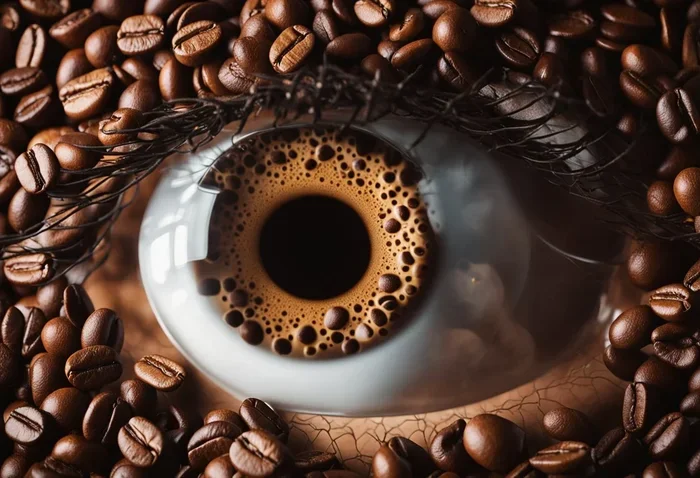
Does Coffee Make You Blind Or Just Improve Your Vision
Does coffee make you blind? The short answer is no. Coffee and eyesight are more connected than you think, and moderate coffee consumption may actually support your eye health. Science shows that caffeine effects on eyes are mostly temporary and manageable. Let us explore what the research really says about coffee and vision.
Key Takeaways
- Coffee does not cause blindness: There is no scientific evidence that drinking coffee makes you blind.
- Moderate coffee consumption supports eye health: Antioxidants in coffee may protect your eyes from certain diseases.
- Short-term effects are temporary: Blurry vision or dry eyes from coffee are usually brief and easy to manage.
- Excessive intake can cause issues: Drinking too much coffee may lead to eye strain, dry eyes, or elevated eye pressure.
- Research is ongoing: Scientists continue to study the long-term relationship between caffeine and eye health.
- Balance is key: Keeping your daily coffee intake moderate helps you enjoy the benefits without the risks.
📑 Table of Contents
- What Science Says About Coffee and Your Eyes
- How Caffeine Affects Your Eyes and Vision
- The Truth Behind the Coffee Blindness Myth
- Surprising Benefits of Coffee for Eye Health
- How Much Coffee Is Safe for Your Eyes
- Common Myths and Misconceptions About Coffee and Eyesight
- Tips for Protecting Your Eyes While Enjoying Coffee
- The Bottom Line
What Science Says About Coffee and Your Eyes
You have probably heard the rumor floating around. Someone told you that coffee makes you blind. Maybe you read it online. Maybe a friend warned you over morning coffee. Either way, it is a scary thought. But what does real science actually say about this claim?
The truth is, the connection between coffee and eyesight is far more nuanced than a simple yes or no. Coffee and eye health involve a complex mix of short-term effects, long-term benefits, and individual factors. Most studies point in a very different direction from the scary claims you might have heard.
Moderate coffee consumption has been studied extensively. Researchers have looked at how caffeine affects vision, how it impacts eye pressure, and what role it plays in long-term eye health. The results are reassuring for most coffee lovers.
Let us break down what the science really tells us. We will look at both the short-term and long-term effects. We will also separate fact from fiction. By the end, you will have a clear picture of where coffee and your eyes actually stand.
The Connection Between Caffeine and Vision
Caffeine is a stimulant. It affects your central nervous system, your heart rate, and yes, your eyes. When you drink a cup of coffee, caffeine enters your bloodstream within minutes. It travels to your eyes through the blood vessels.
In the short term, caffeine can cause a slight increase in eye pressure. This is a measurable effect. But here is the important part. For most people, this increase is small and temporary. It does not lead to permanent damage.
Some studies have explored whether caffeine and blurry vision are linked. The answer is yes, but only in high doses. If you drink an extremely large amount of coffee in a short time, you might notice temporary blurriness. This is not blindness. It is your body reacting to a large dose of a stimulant.
What Research Tells Us
Multiple studies have examined the relationship between caffeine and eye health. A large-scale study published in the British Journal of Ophthalmology found that moderate coffee drinkers had a lower risk of developing certain eye conditions. Another study suggested that antioxidants in coffee may help protect the retina.
Researchers have also studied coffee and glaucoma. Glaucoma is a condition where eye pressure damages the optic nerve. Since caffeine can raise eye pressure temporarily, some people worry it worsens glaucoma. However, the evidence shows that moderate coffee intake does not significantly increase glaucoma risk in healthy individuals.
The key takeaway from the research is clear. Coffee does not cause blindness. It is not in the same category as diseases or conditions that lead to vision loss. The myth simply does not hold up under scientific scrutiny.
How Caffeine Affects Your Eyes and Vision
Understanding how caffeine affects your body helps you understand its effects on your eyes. Caffeine works by blocking adenosine, a chemical that makes you feel tired. This is why you feel more alert after a cup of coffee.
But caffeine also affects blood flow. It can cause your blood vessels to constrict slightly. This includes the tiny blood vessels in your eyes. The result is a temporary change in how your eyes function. Most people never notice this. But some people are more sensitive.
Short-Term Effects of Coffee on Your Eyes
What happens to your eyes right after you drink coffee? Here are the most common short-term effects:
- Slight increase in eye pressure: This usually goes back to normal within one to two hours.
- Temporary blurry vision: This is rare and usually only happens with very high caffeine intake.
- Dry eyes: Caffeine can have a mild diuretic effect. This can reduce moisture in your eyes temporarily.
- Increased alertness: Your pupils may respond slightly differently to light changes.
These effects are mild and short-lived. They do not cause lasting harm. If you notice dry eyes after your morning cup, try drinking a glass of water alongside your coffee. Staying hydrated helps counteract the diuretic effect.
Long-Term Coffee Consumption and Eye Health
What about people who drink coffee every day for years? Does long-term coffee consumption damage your eyes? The research says otherwise.
Studies on long-term coffee drinkers show interesting patterns. Regular moderate coffee consumption has been linked to a reduced risk of certain eye diseases. The antioxidants in coffee, particularly chlorogenic acid and polyphenols, appear to have protective effects on eye tissue.
One study found that people who drank three to four cups of coffee per day had a lower risk of age-related macular degeneration. Another study suggested that coffee drinkers had a reduced risk of developing cataracts. These are major eye conditions that can lead to vision loss.
So the long-term picture is actually quite positive. Coffee benefits for eyes are real, as long as you keep your intake moderate. The key word here is moderate. Too much of anything is rarely good for you.
The Truth Behind the Coffee Blindness Myth
Now let us address the elephant in the room. Why do so many people believe that coffee makes you blind? Where did this idea come from?
Where Did This Myth Come From?
The myth likely started from a few different sources. First, there is the confusion between temporary effects and permanent damage. Because caffeine can cause temporary blurry vision or eye pressure changes, some people assumed it must be harmful long-term. This is a natural leap, but it is not supported by evidence.
Second, there are anecdotal stories. Someone might have drunk too much coffee and experienced dizziness or blurred vision. They blamed the coffee for their vision problems. But the real cause was likely overconsumption, dehydration, or an unrelated health issue.
Third, the internet amplifies fear-based claims. A sensational headline like “Coffee Makes You Blind” gets more clicks than a balanced article about eye health. Misinformation spreads fast, and myths like this are hard to undo.
What Experts Say
Ophthalmologists and eye care professionals agree on this point. Coffee does not cause blindness. The American Academy of Ophthalmology has not issued any warnings about coffee causing vision loss. Eye doctors generally consider moderate coffee consumption safe for most patients.
Of course, there are exceptions. People with certain eye conditions, such as glaucoma, should monitor their caffeine intake. If you have been diagnosed with a specific eye condition, talk to your eye doctor about how much coffee is safe for you. They can give you personalized advice based on your health.
The bottom line is simple. The coffee blindness myth is just that, a myth. It has no basis in scientific evidence. You can enjoy your morning coffee without worrying about losing your sight.
Surprising Benefits of Coffee for Eye Health
Here is some good news. Coffee is not just safe for your eyes. It may actually offer some real benefits. Let us look at the positive side of the coffee and eyesight equation.
Antioxidants That Protect Your Eyes
Coffee is one of the richest sources of antioxidants in the Western diet. These antioxidants include chlorogenic acid, melanoidins, and polyphenols. These compounds help fight oxidative stress in your body.
Oxidative stress is a major factor in eye aging and disease. It damages the cells in your retina and lens over time. Antioxidants neutralize free radicals that cause this damage. In simple terms, the antioxidants in coffee help protect your eye cells from wear and tear.
Think of it like this. Your eyes are exposed to light, pollution, and aging every single day. Antioxidants act as a shield. They help your eyes recover and stay healthy longer. Drinking coffee daily in moderation gives you a steady supply of these protective compounds.
Coffee and Reduced Risk of Eye Diseases
Several studies have linked moderate coffee consumption to a lower risk of specific eye diseases:
- Age-related macular degeneration: Coffee antioxidants may help protect the macula, the part of your eye responsible for sharp central vision.
- Cataracts: Some research suggests coffee drinkers develop cataracts at a lower rate than non-drinkers.
- Diabetic retinopathy: Coffee may help reduce inflammation, which plays a role in this diabetes-related eye condition.
- Dry eye syndrome: While coffee can cause mild dry eyes in some people, the antioxidants may help reduce overall eye inflammation.
These are promising findings. They show that coffee and retinal health go hand in hand. Your retina is one of the most important parts of your eye. Protecting it should be a priority, and coffee may help do just that.
How Much Coffee Is Safe for Your Eyes
Now that we know coffee is generally safe for your eyes, the next question is obvious. How much is too much?
Recommended Daily Intake
Most health organizations agree that up to 400 milligrams of caffeine per day is safe for most adults. This equals about three to four standard cups of coffee. Within this range, you get the benefits of coffee eye health without the risks of overconsumption.
Here is a simple breakdown:
- 1 to 2 cups per day: Low intake. Safe and beneficial for most people.
- 3 to 4 cups per day: Moderate intake. This is the sweet spot for most eye health benefits.
- 5 or more cups per day: High intake. May cause side effects like jitters, insomnia, and eye discomfort.
Keep in mind that caffeine affects everyone differently. Your body weight, metabolism, and tolerance all play a role. Some people feel fine with five cups. Others get jittery after one. Listen to your body.
Signs You Are Drinking Too Much Coffee
How do you know if your coffee habit is affecting your eyes? Watch for these warning signs:
- Persistent dry eyes that do not improve with drops
- Frequent headaches that affect your vision
- Noticeable eye twitching or spasms
- Blurry vision that lasts for hours after drinking coffee
- Elevated heart rate combined with eye discomfort
If you experience any of these symptoms, consider cutting back. Try switching to decaf for a few days and see if the symptoms improve. Your eyes will thank you.
Also, remember that how you prepare your coffee matters. The method you use, the additives you include, and the time of day you drink it all affect how caffeine impacts your body. For example, the way you brew coffee can change its strength and how your body processes it. Learning more about grinding coffee beans finer can help you understand how brew strength affects your overall experience. Similarly, exploring different preparation methods, like how to make coffee without a filter or machine, can help you find the approach that works best for your body and your eyes.
Common Myths and Misconceptions About Coffee and Eyesight
There are many myths surrounding coffee and eye health. Let us debunk the most common ones.
Myth: Coffee Causes Permanent Blindness
This is the big one, and it is completely false. No credible scientific study has ever shown that coffee causes permanent blindness. The temporary effects of caffeine on your eyes, such as slight pressure changes or brief blurriness, are exactly that, temporary. They go away on their own.
Think about it this way. If coffee caused blindness, every coffee shop in the world would be full of blind people. That is obviously not the case. Millions of people drink coffee daily without any lasting damage to their vision.
Myth: Decaf Coffee Is Better for Your Eyes
Some people believe that switching to decaf eliminates all risks. Decaf coffee does have less caffeine, but it still contains antioxidants. In fact, the antioxidant content in decaf coffee is nearly identical to regular coffee. So if you are drinking decaf for eye health reasons, you are still getting the benefits.
However, if you are sensitive to caffeine and experience eye discomfort from regular coffee, decaf is a good alternative. It lets you enjoy the taste and antioxidants without the stimulant effects.
Myth: Coffee Worsens All Eye Conditions
This is another overgeneralization. Coffee does not worsen all eye conditions. In fact, for some conditions, the antioxidants in coffee may actually help. The key is moderation and individual health factors.
If you have a specific eye condition, always consult your eye doctor. They can give you the most accurate advice based on your unique situation.
It is also worth noting that healthy habits beyond coffee matter for your eyes. For instance, proper nutrition plays a big role. Foods rich in vitamins A, C, and E support eye health. Even cooking methods can play a role. For example, roasting carrots in the oven is a great way to preserve their beta-carotene, which is essential for good vision. Similarly, kitchen safety habits like not leaving your oven on all day reflect a broader awareness of health and safety that extends to how we care for our bodies, including our eyes.
Tips for Protecting Your Eyes While Enjoying Coffee
You do not have to choose between your morning coffee and your eye health. You can have both. Here are some practical tips to keep your eyes healthy while still enjoying your daily brew.
- Stay hydrated. Drink a glass of water with your coffee. This helps prevent dry eyes and keeps your body balanced.
- Limit sugar and cream. Excess sugar can contribute to inflammation, which affects eye health over time. Try to keep additives minimal.
- Take breaks from screens. If you drink coffee while working on a computer, follow the 20-20-20 rule. Every 20 minutes, look at something 20 feet away for 20 seconds.
- Get regular eye exams. Even if you feel fine, regular checkups catch problems early. Your eye doctor can monitor how coffee affects your specific eyes.
- Eat a balanced diet. Coffee is great, but it is not a substitute for a healthy diet rich in fruits, vegetables, and omega-3 fatty acids.
These simple habits make a big difference over time. They let you enjoy your coffee without worry. And they support your overall eye health in the long run.
The Bottom Line
So, does coffee make you blind? The answer is a clear and definitive no. Coffee does not cause blindness. The myth has been debunked by decades of scientific research.
Moderate coffee consumption is safe for most people and may even offer protective benefits for your eyes. The antioxidants in coffee help fight oxidative stress, reduce inflammation, and support long-term eye health. The key is balance. Enjoy your coffee in moderation, stay hydrated, and maintain healthy habits.
If you have specific eye concerns, always consult a professional. But for the average coffee drinker, your morning cup is nothing to fear. It is not harming your vision. It might even be helping it.
Next time someone tells you that coffee makes you blind, you can smile and share the facts. Coffee and eyesight have a healthy relationship. Science is on your side. So go ahead and enjoy that second cup without guilt.
Frequently Asked Questions
Can drinking too much coffee damage your eyes?
Drinking excessive amounts of coffee can cause temporary eye discomfort, including dry eyes, blurry vision, and elevated eye pressure. However, these effects are short-lived and reversible. They do not cause permanent damage as long as you return to moderate consumption levels.
Does caffeine cause permanent vision loss?
No. There is no scientific evidence that caffeine causes permanent vision loss. The temporary effects of caffeine on your eyes, such as slight pressure changes or brief blurriness, resolve on their own within a few hours. Permanent vision loss from coffee is a myth.
How does coffee affect people with glaucoma?
Caffeine can cause a temporary increase in eye pressure, which is a concern for people with glaucoma. However, moderate coffee consumption is generally considered safe. If you have glaucoma, talk to your eye doctor about your caffeine intake and follow their specific recommendations.
Is decaf coffee better for your eyes than regular coffee?
Decaf coffee contains nearly the same antioxidants as regular coffee, so it offers similar eye health benefits. If you are sensitive to caffeine and experience eye discomfort, decaf is a good alternative. However, if you tolerate caffeine well, regular coffee provides the same protective benefits.
Can coffee improve your eyesight?
Coffee cannot improve your existing vision or correct refractive errors like nearsightedness or farsightedness. However, the antioxidants in coffee may help protect your eyes from age-related diseases and support overall long-term eye health. Think of it as protection, not correction.
How many cups of coffee per day are safe for eye health?
Most health experts recommend limiting caffeine intake to about 400 milligrams per day, which equals roughly three to four cups of coffee. Staying within this range allows you to enjoy the eye health benefits of coffee without experiencing side effects like dry eyes, eye strain, or elevated eye pressure.
=== CONCLUSION ===
The idea that coffee makes you blind is a myth with no scientific backing. Coffee and eye health share a surprisingly positive relationship. Moderate coffee consumption delivers powerful antioxidants that protect your eyes from aging and disease. The short-term effects of caffeine on your vision are temporary and manageable. By keeping your intake moderate, staying hydrated, and maintaining a balanced diet, you can enjoy your daily coffee with complete confidence. Your eyes are safe. Your morning routine is safe. And the science is clear on this point.