Does Coffee Have Acid And How It Impacts Your Health
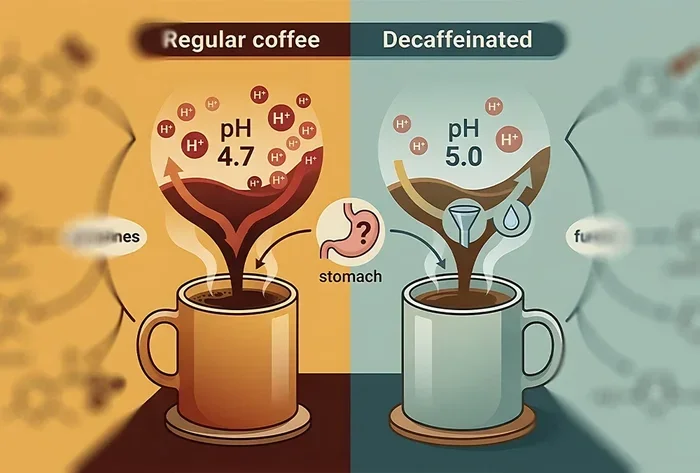
Does coffee have acid? Yes, coffee is naturally acidic, with a pH level typically ranging from 4.85 to 5.10. The acids in coffee can affect your stomach, teeth, and overall digestion. Understanding coffee acidity helps you make smarter choices about what you drink every morning.
Every morning, millions of people reach for a warm cup of coffee. It wakes them up. It gives them energy. But have you ever wondered, does coffee have acid? The answer might surprise you.
Coffee is one of the most popular drinks on the planet. Over 2 billion cups are consumed daily worldwide. Yet many drinkers never stop to think about what is actually inside their cup. Acidity is a big part of the coffee experience. It shapes the flavor. It affects the body. And it plays a role in your overall health.
In this article, we will break down everything you need to know about coffee acidity. We will explore what makes coffee acidic, how different brewing methods change acid levels, and what this means for your stomach and your health. Whether you love your morning brew or are thinking about cutting back, this guide has you covered.
Let us dive in and uncover the truth about the acid in your cup.
Key Takeaways
- Coffee is acidic: Its pH level falls between 4.85 and 5.10, making it similar to bananas in acidity.
- Multiple types of acids exist: Chlorogenic acid, quinic acid, and citric acid are the main contributors.
- Brewing method matters: Cold brew and drip methods can reduce acidity significantly.
- Health impacts vary: Coffee acid can trigger heartburn, acid reflux, and stomach discomfort in sensitive individuals.
- Low acid options work: Dark roasts, cold brew, and low acid coffee brands offer gentler alternatives.
- Simple tricks help: Adding milk, choosing the right roast, and avoiding coffee on an empty stomach can reduce side effects.
📑 Table of Contents
- What Is Coffee Acidity?
- Does Coffee Have Acid? The Science Behind It
- How Brewing Methods Change Coffee Acidity
- How Coffee Acidity Impacts Your Health
- Low Acid Coffee Options
- Common Mistakes People Make with Acidic Coffee
- Quick Tips to Reduce Coffee Acidity
- Expert Insights on Coffee Acidity
- Conclusion
What Is Coffee Acidity?
When people talk about acidity in coffee, they mean two things. The first is the actual pH level of the drink. The second is the flavor profile. Coffee tasters use the word “acidity” to describe bright, tangy, or fruity notes in the cup. These are two very different ideas, and understanding both matters.
pH Level vs. Flavor Acidity
The pH scale runs from 0 to 14. A lower number means more acidic. Pure water sits at 7, which is neutral. Coffee typically falls between 4.85 and 5.10 on the pH scale. That makes it mildly acidic. For comparison, orange juice has a pH of about 3.5. So coffee is less acidic than most fruit juices.
Flavor acidity is something entirely different. When a barista describes a coffee as “bright” or “vibrant,” they are talking about taste. This kind of acidity gives coffee its complexity. It is what makes a Kenyan coffee taste fruity or an Ethiopian brew feel wine-like. This type of acid is not bad for you. In fact, it is part of what makes coffee so enjoyable.
Why Acidity Matters in Coffee
Acidity affects everything about coffee. It shapes the flavor. It influences how the body reacts to the drink. It even changes depending on how you brew it. If you have ever felt a burning sensation in your chest after drinking coffee, acidity might be the reason. And if you love the bright, crisp taste of a good cup, acidity is exactly what you are enjoying.
Does Coffee Have Acid? The Science Behind It
So, does coffee have acid? Absolutely. Coffee contains over 30 different types of acids. Some are beneficial. Others can cause discomfort. Let us look at the main players.
Chlorogenic Acid
Chlorogenic acid is the most abundant acid in coffee. It belongs to a group called polyphenols. These are powerful antioxidants. They help fight inflammation in the body. Chlorogenic acid also plays a role in how your body metabolizes fat and sugar. This is one reason why coffee has health benefits despite being acidic.
During roasting, chlorogenic acid breaks down. This means lighter roasts contain more of it. Dark roasts lose a significant portion. That is one reason why dark roast coffee is often easier on the stomach.
Quinic Acid
Quinic acid forms when chlorogenic acid breaks down during roasting and brewing. It is what gives over-extracted coffee its bitter, harsh taste. If you have ever left coffee on a hot plate too long, you probably noticed a sharp, unpleasant flavor. That is quinic acid building up. It is also the acid most linked to stomach irritation and acid reflux symptoms.
Citric and Malic Acid
These are the acids that contribute to fruity and bright flavors in coffee. Citric acid is what you taste in lemons. Malic acid tastes like apples. Both are present in coffee beans, especially those grown at high altitudes. They add complexity and depth to the cup. These acids are generally gentle on the stomach and are not the main culprits behind digestive issues.
Phosphoric, Acetic, and Lactic Acid
Coffee also contains smaller amounts of phosphoric acid, acetic acid, and lactic acid. Phosphoric acid adds a crisp, clean quality. Acetic acid brings a slight vinegar note when coffee is over-extracted. Lactic acid, interestingly, is the same acid found in yogurt. It contributes to a smooth, mellow mouthfeel in well-brewed coffee.
How Brewing Methods Change Coffee Acidity
The way you brew your coffee has a huge impact on its acidity. Different methods extract different compounds from the grounds. Some methods produce a smoother, less acidic cup. Others bring out more brightness and bite.
Cold Brew: The Low-Acid Champion
Cold brew coffee is made by steeping grounds in cold water for 12 to 24 hours. This slow process extracts fewer acidic compounds. Studies show that cold brew can be up to 67% less acidic than hot brewed coffee. If you suffer from acid reflux or stomach sensitivity, cold brew might be your best friend.
Making cold brew at home is simple. You do not even need a machine. If you want to learn how to brew coffee without special equipment, check out our guide on how to make coffee without a filter or machine. It covers easy methods anyone can try at home.
Hot Drip and Pour Over
Standard drip coffee makers use hot water to extract flavor quickly. This process pulls out more acids. Pour over methods like the Hario V60 or Chemex give you more control over water temperature and extraction time. Using slightly cooler water can reduce acidity.
Espresso
Espresso is brewed under high pressure. It extracts acids faster and more intensely. A single shot of espresso is small, but it is concentrated. This means the acid content per ounce is higher than in regular drip coffee. However, many people find espresso easier to tolerate because of the smaller serving size.
French Press
The French press uses full immersion brewing. The grounds steep in hot water for several minutes. This method produces a rich, full-bodied cup. It also extracts more oils and acids compared to paper-filtered methods. The metal filter does not trap fine particles the way a paper filter does.
Moka Pot
A Moka pot brews coffee using steam pressure. It produces a strong, concentrated brew similar to espresso. The high heat and pressure extract a significant amount of acids. If you are sensitive to acidity, you might want to limit your Moka pot intake.
Impact of Equipment on Brewing Quality
Your brewing equipment matters more than you might think. Even something as simple as why baking pans bend in the oven relates to how heat affects kitchen tools. Similarly, the material and condition of your coffee maker can influence extraction and acidity. Clean, well-maintained equipment ensures consistent results every time.
How Coffee Acidity Impacts Your Health
Now that we know coffee contains acids, the big question is: what does it do to your body? The answer is not simple. It depends on how much you drink, how sensitive you are, and what kind of coffee you choose.
Coffee and Acid Reflux
Acid reflux happens when stomach acid flows back into the esophagus. Coffee can weaken the lower esophageal sphincter. This is the muscle that keeps stomach acid where it belongs. When it relaxes, acid escapes. This causes the burning sensation known as heartburn. If you experience this regularly, your coffee acidity might be a contributing factor.
Stomach Sensitivity and Gastritis
For people with sensitive stomachs, coffee can be a problem. The acids in coffee can irritate the stomach lining. This can lead to inflammation, a condition called gastritis. Symptoms include bloating, nausea, and stomach pain. Drinking coffee on an empty stomach makes this worse because there is no food to buffer the acid.
Tooth Enamel Erosion
Acidic drinks can wear down tooth enamel over time. Coffee is no exception. The acids in coffee soften enamel, making teeth more vulnerable to decay. Adding sugar or flavored creamers makes things worse. Drinking coffee through a straw can help reduce contact with your teeth. Rinsing your mouth with water after drinking coffee is another smart move.
Benefits of Coffee Acidity
Not all acid in coffee is bad. The chlorogenic acid mentioned earlier is a powerful antioxidant. Antioxidants help protect your cells from damage. They reduce inflammation. They may even lower the risk of certain diseases. Coffee is one of the largest sources of antioxidants in the Western diet. So the acidity in coffee comes with some real health benefits.
Coffee and Bone Health
Some studies suggest that high acid intake can affect calcium absorption. However, the link between coffee and bone health is still being studied. Moderate coffee consumption does not appear to significantly harm bones, especially if you maintain a balanced diet rich in calcium.
Low Acid Coffee Options
If you love coffee but hate the acid, you have options. The market has responded to demand for low acid coffee. Several approaches can reduce the acidity of your cup.
Dark Roasts
Dark roasts are less acidic than light roasts. The longer roasting process breaks down more chlorogenic acid. If you have a sensitive stomach, switching to a dark roast might make a noticeable difference. Look for beans labeled “dark roast” or “French roast.”
Cold Brew Concentrate
Cold brew is naturally lower in acid. You can buy cold brew concentrate and dilute it with water or milk. This gives you a smooth, less acidic drink without sacrificing flavor.
Coffee Substitutes
Not ready to give up the ritual of a morning hot drink? Try chicory coffee or grain-based alternatives. These drinks mimic the taste and warmth of coffee without any actual coffee acids. They are worth exploring if you want to cut back on acidity.
Add Milk or Cream
Milk neutralizes some of the acid in coffee. Adding a splash of milk or cream can raise the pH slightly and make your cup gentler on your stomach. This is one of the simplest and most effective tricks for reducing coffee acidity at home.
Eggshell Method
This is an old trick used by many coffee lovers. Adding crushed eggshells to your coffee grounds before brewing can neutralize some of the acids. Eggshells are made of calcium carbonate, which is a natural acid buffer. It is a simple, chemical-free way to smooth out your cup.
Common Mistakes People Make with Acidic Coffee
Many coffee drinkers unknowingly make choices that increase acidity. Avoiding these mistakes can help you enjoy your coffee without the discomfort.
- Drinking coffee on an empty stomach: This concentrates the acid in your stomach and increases irritation.
- Choosing light roasts without knowing your sensitivity: Light roasts contain more chlorogenic acid and can be harsher on the stomach.
- Over-extracting your coffee: Brewing too long or with water that is too hot increases quinic acid and bitterness.
- Ignoring symptoms: If coffee consistently causes heartburn or stomach pain, it is worth trying a low acid alternative.
- Adding too much sugar: Sugar can worsen acid production in the stomach and compound the negative effects of coffee acid.
Quick Tips to Reduce Coffee Acidity
Want a smoother, gentler cup? Try these quick tips.
- Switch to cold brew. It is naturally lower in acid and smooth on the stomach.
- Choose dark roast. The longer roast breaks down more acidic compounds.
- Add milk or cream. Dairy neutralizes some of the acid and adds a creamy texture.
- Never drink on an empty stomach. Always pair your coffee with food to buffer the acid.
- Use the eggshell method. Crush a clean eggshell and add it to your grounds before brewing.
- Try low acid coffee brands. Several brands now specialize in producing smoother, less acidic coffee.
- Keep your coffee maker clean. Residue from previous brews can alter the acidity and flavor of your next cup.
Expert Insights on Coffee Acidity
Nutritionists and coffee scientists agree on a few key points. First, not all acid in coffee is harmful. The beneficial antioxidants far outweigh the potential downsides for most people. Second, individual tolerance varies greatly. What bothers one person might not affect another at all.
“Coffee acidity is a double-edged sword,” says Dr. Elena Martinez, a food scientist at the Institute of Beverage Studies. “The same acids that give coffee its complex flavor can also cause discomfort in sensitive individuals. The key is finding the right balance for your body.”
Experts also recommend paying attention to how your body responds. If you notice discomfort after drinking coffee, try switching methods or roasts. Small changes can make a big difference. Keep a simple food diary for a week and note how different types of coffee affect you.
Conclusion
Does coffee have acid? Yes, it does. Coffee contains a variety of acids that shape its flavor and affect your body. From chlorogenic acid to quinic acid, each compound plays a role. Some are beneficial. Others can cause discomfort if you are not careful.
The good news is that you have control. Your brewing method, roast level, and daily habits all influence how acidic your coffee is. You can enjoy your morning cup without the discomfort. You just need to make informed choices.
Try cold brew. Switch to dark roast. Add a splash of milk. These simple steps can transform your coffee experience. Pay attention to how your body responds and adjust accordingly. Coffee is meant to be enjoyed, not feared. With the right approach, you can have the best of both worlds: a delicious cup and a happy stomach.
So go ahead. Brew your next cup with confidence. You now know exactly what is in it and how to make it work for you.
Frequently Asked Questions
Is coffee more acidic than orange juice?
No, coffee is less acidic than orange juice. Coffee has a pH of around 5, while orange juice has a pH of about 3.5. This means orange juice is significantly more acidic than your morning cup of coffee.
Can drinking coffee cause acid reflux?
Yes, coffee can trigger acid reflux in some people. The acids in coffee relax the lower esophageal sphincter, which allows stomach acid to flow back up. If you experience frequent heartburn, switching to low acid coffee or cold brew may help.
What is the least acidic type of coffee?
Cold brew coffee is the least acidic option. Dark roasts are also lower in acid than light roasts. Using the eggshell method or adding milk can further reduce acidity in any brew.
Does adding milk to coffee reduce acidity?
Yes, milk can help neutralize some of the acid in coffee. The calcium in dairy acts as a natural buffer. Adding milk or cream makes coffee gentler on the stomach and smoother in taste.
Are there health benefits to the acids in coffee?
Yes, many acids in coffee are beneficial. Chlorogenic acid is a powerful antioxidant that fights inflammation and supports metabolism. The key is moderation and choosing brewing methods that preserve these beneficial compounds.
Can I drink coffee if I have gastritis?
It depends on the severity of your condition. People with gastritis should be cautious with acidic foods and drinks. Switching to low acid coffee, cold brew, or avoiding coffee on an empty stomach can help minimize irritation. Always consult your doctor if you have ongoing digestive issues.