Does A Toaster Oven Use Less Electricity Than A Microwave
Does A Toaster Oven Use Less Electricity than a microwave? The short answer is yes, but it depends on what you cook and how long you cook it. A toaster oven typically uses less power than a full-size oven, while a microwave is often even more efficient for quick tasks. This guide breaks down the real energy cost, wattage, and cooking times so you can lower your electricity bill.
Does A Toaster Oven Use Less Electricity than a microwave? The quick answer is yes, but the full story is more interesting. Many people assume the microwave is always the king of low energy use. However, a toaster oven can be more efficient for certain meals. The real difference comes down to wattage, cooking time, and what you are preparing. In this guide, I will break down the true energy consumption of both appliances. You will learn how to compare toaster oven wattage and microwave power draw. By the end, you will know exactly which device saves you money on your electricity bill.
When you stand in the kitchen, you want a fast, efficient way to cook. The countertop oven and the microwave both promise convenience. But which one actually uses less electricity? The answer depends on the task. Reheating a slice of pizza takes a different amount of energy than baking a chicken. I will walk you through the numbers, the myths, and the practical tips. You will walk away with a clear picture of kitchen appliance electricity use. This article is your simple, no-nonsense guide to saving power while cooking.
Let us dive into the real costs. I will show you how to read your appliance labels and calculate the actual electricity cost per use. You will see a side-by-side comparison table. I will also share quick tips that anyone can use today. Whether you live in a small apartment or a busy family home, these insights will help you make smarter choices. So, does a toaster oven use less electricity? Let us find out together.
Key Takeaways
- Toaster ovens use less electricity than traditional ovens because they heat a smaller space quickly.
- Microwaves are the most energy-efficient option for reheating and quick cooking tasks.
- Does A Toaster Oven Use Less Electricity than a microwave? For longer cooking, a toaster oven can win.
- Wattage matters – check the label to compare actual power draw.
- Cooking time and appliance efficiency both affect your electricity bill.
- Small kitchen appliances like toaster ovens save energy when you cook for one or two.
- Energy-saving tips like skipping preheat can cut costs further.
📑 Table of Contents
- The Short Answer: Does A Toaster Oven Use Less Electricity?
- How Electricity Is Measured: Watts, Kilowatt-Hours, and Cost
- Toaster Oven vs Microwave: Energy Showdown
- Which Appliance Wins in Different Situations?
- Quick Tips to Cut Your Kitchen Electricity Bill
- Final Thoughts: Does A Toaster Oven Use Less Electricity for Your Kitchen?
The Short Answer: Does A Toaster Oven Use Less Electricity?
In most cases, a toaster oven uses less electricity than a full-size conventional oven. It heats up faster and warms a smaller cavity. But the real question is whether it uses less electricity than a microwave. The answer is not a simple yes or no. A microwave uses less energy for short tasks like reheating coffee or defrosting vegetables. A toaster oven can be more efficient for tasks that take longer, such as baking a small batch of cookies or roasting a few chicken thighs.
Here is the key idea. Energy use equals power (watts) multiplied by time (hours). A microwave might draw 1,000 watts and run for 5 minutes. A toaster oven might draw 1,500 watts but run for 15 minutes. The microwave still wins that specific race. However, if you need to bake something for 30 minutes, the toaster oven might use less total energy than a full-size oven. It all comes down to the job at hand.
Many people also wonder about toaster oven electricity cost. The cost depends on your local electricity rate. In the U.S., the average is about 13 cents per kilowatt-hour. I will show you how to calculate your own cost in a moment. The important thing is that you now know the basic answer. Does A Toaster Oven Use Less Electricity than a microwave? It can, but only for the right cooking tasks. Let us dig deeper.
Why This Question Matters for Your Energy Bill
Small kitchen appliances add up. If you cook at home often, your choice of device affects your monthly electricity bill. A microwave electricity usage study shows that microwaves are among the most efficient cooking tools. They heat food directly, not the air around it. A toaster oven energy consumption pattern is different. It heats elements and then warms the air inside the chamber. Both methods have a place in your kitchen. Understanding them helps you make smarter, greener choices every day.
How Electricity Is Measured: Watts, Kilowatt-Hours, and Cost
Before we compare the two appliances, let us understand the numbers on your electricity bill. You do not need to be an engineer. A few simple concepts will make everything clear.
What Is a Watt?
A watt is a unit of power. It tells you how fast an appliance uses electricity. Your microwave label might say 1,000 watts. Your toaster oven might say 1,500 watts. The higher the wattage, the more power the device pulls at any given moment. Think of it like water flowing through a hose. A wider hose (higher wattage) lets more water (electricity) flow through.
What Is a Kilowatt-Hour?
Your utility company charges you for kilowatt-hours (kWh). One kWh equals using 1,000 watts for one hour. If you run a 1,000-watt microwave for 15 minutes (0.25 hours), you use 0.25 kWh. If you run a 1,500-watt toaster oven for 15 minutes, you use 0.375 kWh. The toaster oven uses more energy in that same time because it draws more power.
How to Calculate Appliance Cost
Multiply the kWh used by your electricity rate. If your rate is $0.13 per kWh, a 0.25 kWh microwave session costs about $0.03. A 0.375 kWh toaster oven session costs about $0.05. These are small numbers, but they add up over hundreds of cooking sessions each year. This is why energy-efficient cooking matters. Small changes in how you use your appliances can lead to real savings.
Quick Tip: Find Your Appliance Wattage
- Check the label on the back or bottom of the appliance.
- Look for a sticker that says “Wattage” or “Power Draw.”
- If the label is missing, search the model number online.
- Many modern appliances also list wattage in the user manual or on the manufacturer’s website.
Toaster Oven vs Microwave: Energy Showdown
Now let us put the two appliances head to head. I will compare them across several important factors. This table shows the typical numbers you can expect. Keep in mind that actual numbers vary by model and use.
| Factor | Toaster Oven | Microwave |
|---|---|---|
| Typical Wattage | 1,200 – 1,800 watts | 700 – 1,200 watts |
| Average Preheating Time | 3 – 5 minutes | Not required |
| Energy Used for Reheating (5 min) | ~0.15 kWh | ~0.10 kWh |
| Energy Used for Baking (15 min) | ~0.38 kWh | ~0.30 kWh (if used) |
| Approximate Cost per Use (at $0.13/kWh) | $0.02 – $0.06 | $0.01 – $0.04 |
| Best For | Baking, toasting, roasting small batches, crisp foods | Reheating, defrosting, quick meals, popcorn |
| Kitchen Appliance Electricity Impact | Moderate to high per use, but lower than full-size oven | Low per use, very efficient for short tasks |
The table makes one thing clear. The microwave almost always uses less energy for short tasks. But the toaster oven is not a wasteful machine. In fact, countertop oven efficiency is much better than using a large conventional oven. If you would otherwise preheat a full-size oven for an hour to bake a single potato, the toaster oven wins easily. It uses far less electricity in that scenario.
Common Mistakes That Increase Electricity Use
- Opening the door frequently. Every time you open a toaster oven, heat escapes. The appliance works harder to recover the temperature. This adds to cooking time and energy use.
- Using the wrong size appliance. A toaster oven is great for one or two servings. If you need to cook for six people, a full-size oven might be more efficient because you avoid cooking in batches.
- Forgetting to clean the heating elements. Grease and food residue can insulate the elements. The oven then takes longer to heat up, wasting electricity.
- Leaving the appliance plugged in. Even on standby, some devices draw a small amount of power. Unplugging when not in use can save a little over time.
Which Appliance Wins in Different Situations?
The winner changes based on what you are cooking. Let us look at common kitchen tasks and see which appliance comes out ahead on energy use.
When a Toaster Oven Saves Energy
Use a toaster oven when you need to bake, toast, or roast something for more than about 10 minutes. Here are situations where the toaster oven wins:
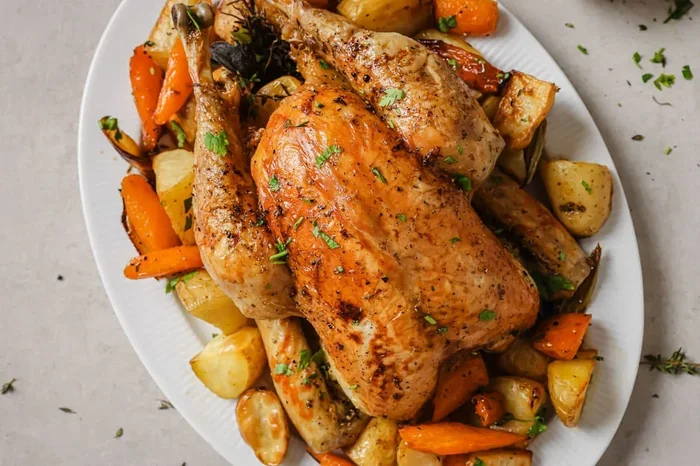
- Baking a small batch of cookies or muffins. A full-size oven would waste energy heating a large cavity for a few cookies. The toaster oven heats up fast and keeps the heat contained.
- Roasting vegetables for one or two people. A toaster oven can crisp broccoli or Brussels sprouts beautifully in 10 to 15 minutes.
- Making toast or bagels. This is the toaster oven’s original purpose. It uses very little energy for a quick task.
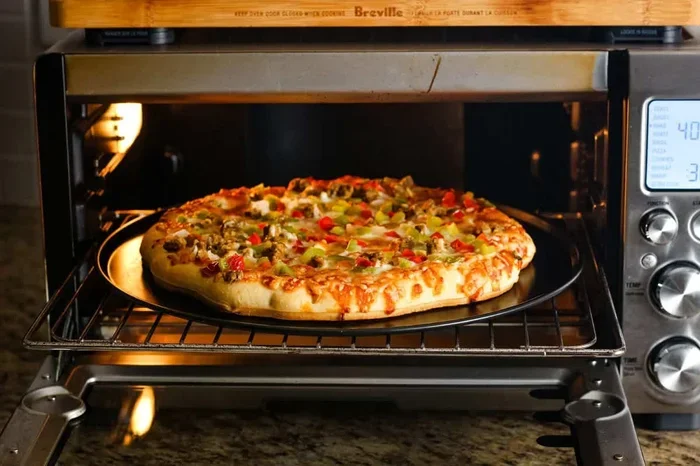
- Reheating pizza or fried foods. A toaster oven keeps the crust crispy, and it uses less energy than firing up a big oven.
In these cases, the toaster oven electricity cost is low because the cooking time is short and the appliance is right-sized for the job. You also get better texture, which means less food waste. That is a hidden energy saving.
When the Microwave Is the Better Choice
The microwave shines when speed is the priority. Here are tasks where the microwave wins on energy use:
- Reheating a cup of coffee or soup. The microwave takes 1 to 2 minutes. A toaster oven would need 5 to 10 minutes and uses more power.
- Defrosting frozen vegetables or meat. The microwave’s defrost setting uses low power for a short time. It is far more efficient than leaving food out on the counter.
- Making popcorn. The microwave is built for this. A toaster oven would take much longer and use more electricity.
- Heating a single serving of oatmeal or rice. Quick microwave bursts save energy compared to preheating any oven.
For these short tasks, the microwave electricity usage is very low. It heats the food directly using radiation, not heated air. This is why the microwave is often called the most energy-efficient cooking appliance in the home.
Expert Insight: The “Right Tool for the Job” Principle
Energy experts often talk about matching the appliance to the task. A toaster oven is a versatile small kitchen appliance that can replace a full-size oven for many meals. A microwave is a specialist for quick heating. Using the right tool means you use less power overall. Over a year, this simple habit can reduce your kitchen electricity bill by a noticeable amount.
Quick Tips to Cut Your Kitchen Electricity Bill
You do not need to buy new appliances to save energy. Small changes in how you use what you already have can make a big difference. Here are practical tips that anyone can follow today.
Preheating Myths and Truths
Many people always preheat their toaster oven. But do you really need to? For most cooking tasks, preheating is not necessary. If you are roasting vegetables or baking a casserole, you can put the food in as the oven warms up. This can cut preheating time by several minutes and save energy. The only time you really need to preheat is for baking bread or pastries where a burst of heat is critical. For everyday meals, skip the preheat and you will save electricity.
Right Size for the Job
Choose the smallest appliance that can do the task. If you are cooking for one, use the toaster oven or microwave instead of the large oven. A toaster oven vs microwave comparison shows that the microwave wins for single servings of reheated food. The toaster oven wins for small baked goods. Matching the appliance size to the food amount is a simple rule that saves energy every day.
Use the Timer and Turn Off Early
Many ovens retain heat for a few minutes after turning off. You can often finish cooking with the residual heat. For example, when baking a casserole, turn off the toaster oven 5 minutes before the recipe says. The food will continue to cook in the hot air. This trick reduces total cooking time and cuts electricity use.
Keep Your Appliances Clean
Grease on toaster oven heating elements acts like an insulator. The elements must work harder and longer to produce the same heat. Wipe down the inside of your toaster oven after each use. Clean the microwave turntable and walls regularly. Clean appliances run more efficiently and last longer.
Consider the Electricity Rate
If you live in an area with time-of-use electricity rates, you can save money by cooking during off-peak hours. Running your toaster oven or microwave in the early morning or late evening can cost less per kWh. Check your utility company’s rate schedule. Shifting heavy cooking tasks to off-peak times is a smart way to reduce your bill.
Final Thoughts: Does A Toaster Oven Use Less Electricity for Your Kitchen?
So, does a toaster oven use less electricity than a microwave? The honest answer is that both appliances have a role. The microwave is the clear winner for quick, short tasks. It uses less power and heats food almost instantly. The toaster oven is the better choice for longer cooking, baking, and tasks where you want crispy or browned results. It also uses less energy than a full-size conventional oven, which is a big advantage.
When you think about energy-efficient cooking, the best strategy is to use both appliances wisely. Reheat leftovers in the microwave. Bake small batches in the toaster oven. Save the large oven for big family meals. This simple approach can lower your kitchen appliance electricity use and your monthly bills. You will also enjoy better food because each appliance is used for what it does best.
The next time you stand in the kitchen wondering which device to grab, remember what you have learned. Does A Toaster Oven Use Less Electricity than a microwave? It depends on the task, the cooking time, and the wattage. But with the tips and comparison in this article, you now have the power to make the best choice every single time. Use the right appliance for the job, and you will cook smarter, save energy, and keep your electricity bill under control.
Frequently Asked Questions
Does a toaster oven use more electricity than a microwave?
For short tasks like reheating, the microwave uses less electricity because it heats food directly and quickly. For longer cooking tasks like baking, a toaster oven can use less electricity than a full-size oven, but it still draws more power than a microwave per minute of use.
Is it cheaper to use a toaster oven or a microwave?
The microwave is almost always cheaper to run because it uses less wattage and cooks food faster. However, if you would otherwise use a large conventional oven, a toaster oven saves money by using less total energy for the same meal.
How much electricity does a toaster oven use per hour?
A typical toaster oven uses between 1,200 and 1,800 watts. Running it for one hour uses 1.2 to 1.8 kilowatt-hours of electricity. At an average rate of 13 cents per kWh, that costs about 16 to 23 cents per hour.
Can using a toaster oven save money on electricity bills?
Yes, especially if you cook for one or two people. It avoids heating a large oven for small meals. Over time, choosing the right appliance for each task can lead to noticeable savings on your electricity bill.
Which is more energy efficient for reheating food?
The microwave is far more energy efficient for reheating. It heats the food directly in a minute or two. A toaster oven would take longer and use more electricity for the same job.
Does preheating a toaster oven waste electricity?
Preheating can waste electricity if you skip it for most cooking tasks. Many foods do not need a preheated oven. Skipping preheat saves 3 to 5 minutes of energy use and still gives good results for casseroles, roasted vegetables, and reheated meals.