Can I Put A Frozen Pizza Straight In The Oven Today
Yes, you can put a frozen pizza straight in the oven — it is safe and actually the recommended way to cook it. Most brands design their frozen pizzas for direct oven baking with no thawing needed. You just need the right temperature, timing, and a few simple tricks to get a crispy crust and bubbly cheese. This guide walks you through everything from prep to plating so your pizza turns out great every single time.
So you just pulled a frozen pizza out of the freezer. Your stomach is growling. The oven is cold. And you are wondering if you can just pop it right in there. The good news is yes, you absolutely can put a frozen pizza straight in the oven. In fact, that is exactly how the manufacturers intend for you to cook it.
Cooking frozen pizza is one of the easiest meals you can make. No prep work. No waiting for dough to rise. No chopping toppings. You just open the box, slide it on a rack, and wait. But there is a little more to it than just tossing it in. Temperature matters. Placement matters. And a few small tricks can turn a decent frozen pizza into something truly delicious.
This guide covers everything you need to know. We will talk about temperatures, timing, tools, and common mistakes. By the end, you will feel confident every time you cook a frozen pizza. Let us get into it.
Key Takeaways
- Yes, frozen pizza goes straight in the oven: No need to thaw it first. The packaging instructions are designed for direct baking.
- Preheat your oven to 400-425°F: This is the sweet spot for cooking frozen pizza evenly and getting a crispy base.
- Use a pizza stone or baking sheet: These tools help distribute heat and prevent a soggy crust.
- Cook for 12-20 minutes: Timing varies by brand and oven type. Check for golden cheese and a crisp bottom.
- Avoid common mistakes: Don’t skip preheating, and don’t leave the pizza too long or it will burn.
- Convection ovens work great: They cook frozen pizza faster and more evenly than standard ovens.
- Food safety matters: Make sure the internal temperature reaches 165°F for safe eating.
📑 Table of Contents
- Can You Put Frozen Pizza Straight in the Oven
- The Right Temperature and Time for Cooking Frozen Pizza
- Tips for Getting a Perfectly Crispy Frozen Pizza
- Common Mistakes When Cooking Frozen Pizza
- Frozen Pizza in Different Oven Types
- Frozen Pizza vs Fresh Pizza: What Is the Difference
- Expert Tips for Better Frozen Pizza Results
- Final Thoughts
Can You Put Frozen Pizza Straight in the Oven
The short answer is a resounding yes. You can put a frozen pizza straight in the oven without any thawing. In fact, thawing a frozen pizza before baking it is not recommended by most pizza brands. The frozen state helps the crust hold its shape while the cheese and sauce cook evenly.
Every frozen pizza comes with cooking instructions on the box. These instructions are built around putting the pizza directly into a preheated oven. The manufacturers test their products this way. They want you to get the best results possible right out of the freezer.
Here is why this works so well. When a frozen pizza goes into a hot oven, the cold dough starts to slowly warm up. The edges begin to crisp as the heat reaches them. The cheese starts to melt from the outside in. The sauce heats through and releases its flavor. This gradual process creates a much better texture than if you tried to bake a thawed pizza.
Why Thawing Is Not Always Better
Some people think thawing the pizza first will make it cook faster. That is not always true. When a frozen pizza thaws, the moisture from the ice crystals can soak into the crust. This makes the base soggy instead of crispy. The toppings can also shift and slide around during baking.
On the other hand, keeping the pizza frozen means the ice crystals steam slightly inside the hot oven. This creates a nice contrast between the crispy bottom and the melty top. It is a simple trick that makes a big difference.
Is It Safe to Cook Frozen Pizza Directly?
Yes, it is completely safe. The USDA confirms that cooking frozen foods directly in the oven is perfectly fine. The key is making sure the pizza reaches an internal temperature of 165°F. This ensures any harmful bacteria are destroyed. Use a food thermometer if you want to be extra careful. Most frozen pizzas are designed to hit this temperature during the recommended cook time.
One thing to watch out for is the packaging. Some frozen pizzas come in cardboard trays or plastic wrap. Always remove the plastic wrapping before baking. The cardboard tray that comes with many pizzas is usually oven-safe, but check the box to be sure. Never put a pizza in a box made of materials that are not heat-safe.
The Right Temperature and Time for Cooking Frozen Pizza
Getting the temperature right is the single most important step. Too low and the pizza will be soggy. Too high and the edges will burn before the center is cooked. Most frozen pizzas bake best between 400°F and 425°F. This range allows the crust to crisp while the cheese melts into that perfect bubbly layer.
Cooking times typically range from 12 to 20 minutes. But this depends on several factors. The thickness of the crust matters. A thin-crust pizza cooks faster than a thick, deep-dish style. The number of toppings also plays a role. A pizza loaded with heavy toppings may need a few extra minutes.
Temperature Guide by Pizza Type
Not all frozen pizzas are the same. Here is a quick breakdown of what to expect based on pizza style.
- Thin Crust Frozen Pizza: Bake at 425°F for 10 to 14 minutes. The thin base crisps up quickly, so keep an eye on it.
- Regular Crust Frozen Pizza: Bake at 400°F to 425°F for 12 to 18 minutes. This is the most common style and works well at standard temperatures.
- Thick Crust or Deep Dish: Bake at 375°F to 400°F for 18 to 25 minutes. The thicker base needs more time and slightly lower heat to cook through without burning the top.
- Self-Rising Crust Pizza: Follow the box instructions closely. These often bake at 400°F for 12 to 16 minutes.
How to Know When Your Pizza Is Done
The best way to tell is by looking and smelling. The cheese should be fully melted and slightly golden in spots. The edges of the crust should look browned and crispy. If the crust looks pale, it needs more time.
Another trick is to gently lift the edge with a spatula. If the bottom is golden brown, it is done. If it is still pale or soft, give it a few more minutes. Trust your senses here. You will get a feel for it after a few tries.
Tips for Getting a Perfectly Crispy Frozen Pizza
Anyone can throw a frozen pizza in the oven. But getting it crispy and delicious takes a few extra steps. These tips are simple but they make a huge difference in the final result.
Preheat Your Oven First
This is the number one mistake people make. They put the frozen pizza in a cold oven and hope for the best. Do not do this. Always preheat your oven to the recommended temperature before placing the pizza inside. A hot oven starts cooking the crust immediately. This creates that satisfying crunch on the bottom and edges.
Give your oven at least 15 to 20 minutes to reach the right temperature. Most ovens beep when they are ready. Wait for that signal. It is a small step that pays off big time.
Use a Pizza Stone or Baking Sheet
A pizza stone is a game changer. It absorbs moisture from the crust and distributes heat evenly. This gives you a crispy base that is hard to achieve with just the oven rack alone.
If you do not have a pizza stone, a regular baking sheet works just fine. Place the pizza on the middle oven rack for the most even cooking. Some people like to put the baking sheet on the lowest rack for extra bottom heat. Experiment and find what works best for your oven.
Place the Pizza on the Middle Rack
The middle rack is the sweet spot for frozen pizza cooking. It allows hot air to circulate around the pizza evenly. The top gets enough heat to melt the cheese. The bottom gets enough heat to crisp the crust.
Avoid placing the pizza on the top rack. The top will burn before the bottom is done. And never place it on the bottom rack near the heating element. This can scorch the crust and leave the cheese uncooked.
Brush the Crust with Olive Oil
This is a simple trick that takes frozen pizza to the next level. Before you put the pizza in the oven, lightly brush the edges of the crust with olive oil. This adds flavor and helps the crust brown faster. It also creates a slight crispiness that is absolutely delicious.
You can also sprinkle garlic powder, Italian seasoning, or a pinch of salt on the oiled crust. These small additions make a big impact. Your pizza will taste like it came from a professional pizzeria.
Add Fresh Toppings After Baking
If you like extra toppings, add them after the pizza comes out of the oven. Fresh basil, a drizzle of olive oil, sliced tomatoes, or a sprinkle of Parmesan all work great as finishing touches. These toppings would dry out or burn if you added them before baking.
This trick works especially well if you want to elevate a simple frozen pizza. It adds freshness and texture that complements the warm, bubbly base perfectly.
Common Mistakes When Cooking Frozen Pizza
Even though cooking frozen pizza is easy, there are some mistakes that trip people up. Avoiding these pitfalls will help you get better results every time.
Skipping the Preheat
We already mentioned this, but it deserves repeating. Putting a frozen pizza in a cold oven is the fastest way to get a soggy, undercooked result. The crust steams instead of crisping. Take the extra few minutes to preheat. Your taste buds will thank you.
Overcooking the Pizza
Frozen pizza can go from perfectly done to burnt in just a couple of minutes. Set a timer and check the pizza a few minutes before the recommended cook time ends. Every oven is different. Yours might cook faster or slower than the box suggests.
If you notice the cheese is browning too quickly, loosely cover the pizza with a piece of aluminum foil. This slows down the top cooking while the bottom continues to crisp.
Using the Wrong Pan
Never bake a frozen pizza on a flimsy disposable pan or a piece of cardboard. These can warp, smoke, or even catch fire in a hot oven. Always use a proper baking sheet, pizza stone, or the tray that came with the pizza.
If you are using a pizza stone, make sure it is in the oven while it preheats. A cold pizza stone will not crisp the crust properly. Place the stone on the middle rack before you start preheating.
Opening the Oven Door Too Often
Every time you open the oven door, you lose heat. The temperature can drop by 25°F or more. This extends the cooking time and can lead to an unevenly cooked pizza.
Resist the urge to peek every two minutes. Check the pizza through the oven window instead. Only open the door when you are ready to check for doneness or remove the pizza.
Frozen Pizza in Different Oven Types
Not all ovens are created equal. The type of oven you use can affect how your frozen pizza turns out. Here is what you need to know about different oven types.
Standard Conventional Ovens
This is the most common oven type. It uses heating elements at the top and bottom to cook food evenly. For a standard frozen pizza, preheat to 400°F to 425°F and bake for 12 to 18 minutes. Place the pizza on the middle rack for the best results.
Conventional ovens can have hot spots. If you notice your pizza is browning unevenly, try rotating it halfway through the cook time. A simple half-turn can make a big difference.
Convection Ovens
Convection ovens use a fan to circulate hot air around the food. This cooks frozen pizza faster and more evenly than a standard oven. If you have a convection oven, reduce the temperature by about 25°F and check the pizza a few minutes early.
Convection ovens are fantastic for frozen pizza. The circulating air creates a more uniform crisp on the crust. The cheese melts evenly, and the toppings cook consistently. If you own a convection oven, you are already ahead of the game.
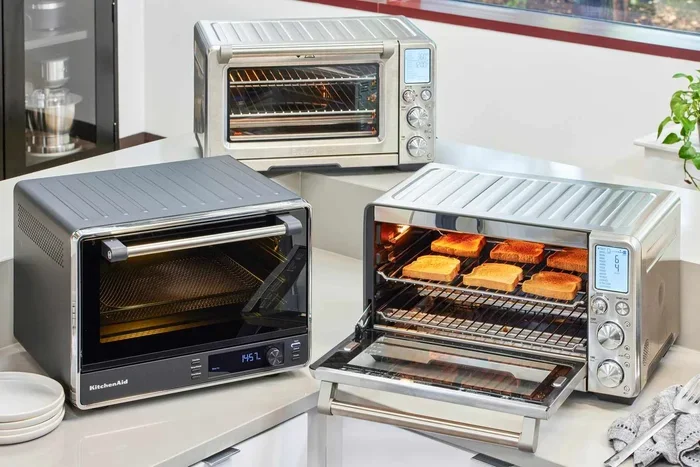
Toaster Ovens
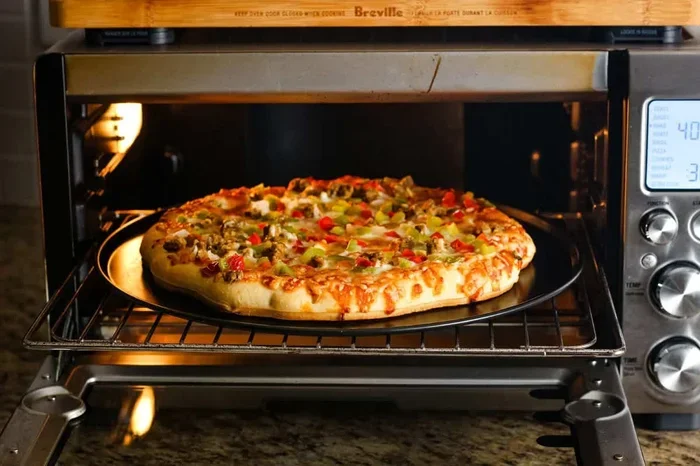
Yes, you can cook frozen pizza in a toaster oven. This is a great option for single servings or when you do not want to heat up the big oven. Use the broil or bake setting and keep a close eye on the pizza.
Toaster ovens cook faster than full-size ovens, so reduce the cook time by about 3 to 5 minutes. Place the pizza on the middle rack and check it frequently. The smaller space means the top can brown very quickly.
Frozen Pizza vs Fresh Pizza: What Is the Difference
It is worth understanding what makes frozen pizza different from fresh pizza. This knowledge helps you set the right expectations and get the best results from your frozen pizza.
Fresh pizza dough is soft and pliable. It stretches easily and holds its shape during baking. Frozen pizza dough has been through a freezing process that changes its texture slightly. The gluten structure tightens up, which is why frozen pizza crusts can sometimes feel a bit firmer.
The toppings on frozen pizza are also different. They are designed to withstand the freezing and reheating process. The sauce is often thicker to prevent it from getting watery. The cheese is formulated to melt evenly even after being frozen.
None of this is bad. In fact, these design choices are what make frozen pizza so convenient. You get a tasty meal with minimal effort. And with the right cooking technique, you can get results that are surprisingly close to fresh pizza.
The Role of Food Safety
When cooking any frozen food, food safety should always be a priority. The USDA recommends cooking frozen pizza to an internal temperature of 165°F. This applies to all types of frozen pizza, whether it is a simple cheese pizza or a meat lover’s specialty.
Make sure your pizza reaches this temperature throughout. The center should be hot, not just the edges. If you are unsure, use a food thermometer. Insert it into the thickest part of the pizza, avoiding the cheese and toppings, to get an accurate reading.
Also, never refreeze a cooked frozen pizza. Once it has been thawed and cooked, it should be eaten immediately or stored in the refrigerator for up to three days. Following these simple food safety guidelines keeps your pizza delicious and safe to eat.
Expert Tips for Better Frozen Pizza Results
We asked pizza enthusiasts and home cooks for their favorite tips. Here are some of the best pieces of advice for elevating your frozen pizza game.
- Use a pizza peel or flipped baking sheet: Slide the frozen pizza onto a preheated pizza stone using a pizza peel. If you do not have one, flip a baking sheet upside down and use it as a makeshift stone.
- Let the pizza sit out for 5 minutes: While you preheat the oven, let the frozen pizza sit at room temperature for a few minutes. This slightly softens the crust and helps it cook more evenly.
- Add a splash of water to the oven: This sounds strange, but throwing a small oven-safe dish of water into the oven adds moisture. This creates steam, which helps the crust cook evenly while the cheese melts.
- Try a garlic butter finish: After baking, brush the crust with a mix of melted butter and minced garlic. It adds richness and flavor that pairs perfectly with any frozen pizza.
- Use a thermometer for precision: A simple instant-read thermometer takes the guesswork out of cooking frozen pizza. Check the internal temperature and pull the pizza when it hits 165°F.
These expert tips are easy to follow and they really do make a difference. You do not need to be a professional chef to get restaurant-quality results from a frozen pizza. A few small adjustments can transform your frozen pizza experience completely.
Final Thoughts
So, can you put a frozen pizza straight in the oven? Absolutely. It is safe, easy, and the recommended method from every major pizza brand. With the right temperature, the right timing, and a few simple tips, you can turn a frozen pizza into a meal that rivals any delivery option.
The key is to preheat your oven, use the middle rack, and keep an eye on the pizza as it cooks. Avoid common mistakes like skipping the preheat or opening the oven too often. And do not be afraid to experiment with toppings and finishing touches that take your frozen pizza to the next level.
Cooking frozen pizza is one of those simple pleasures in life. It is fast, it is satisfying, and it is delicious when done right. Now that you know exactly how to do it, you can enjoy a perfect pizza any night of the week. Go ahead and fire up that oven. Your frozen pizza is waiting.
Frequently Asked Questions
Can I cook a frozen pizza without preheating the oven?
You can, but the results will not be as good. A cold oven means the pizza cooks slowly and the crust gets soggy instead of crispy. Always preheat your oven to the recommended temperature for the best results.
How long does it take to cook a frozen pizza in the oven?
Most frozen pizzas take between 12 and 20 minutes to cook. The exact time depends on the crust thickness, oven temperature, and the number of toppings. Always check the box instructions and use the cheese color as a guide.
Is it better to use a pizza stone or a baking sheet?
A pizza stone gives the crispiest crust because it absorbs moisture and distributes heat evenly. However, a regular baking sheet works great too. If you do not have a pizza stone, a baking sheet placed on the middle rack will give you excellent results.
Can I put a frozen pizza directly on the oven rack?
Yes, you can place a frozen pizza directly on the oven rack. This works well for thin-crust pizzas and allows air to flow underneath the base. For thicker pizzas, use a baking sheet or pizza stone to support the base and prevent dripping.
What temperature should I set my oven to for frozen pizza?
Most frozen pizzas bake best at 400°F to 425°F. Always check the specific instructions on your pizza box. This temperature range ensures the crust crisps while the cheese melts and the toppings heat through evenly.
Can I add fresh toppings to a frozen pizza before baking?
Yes, you can add fresh toppings, but be careful not to overload the pizza. Too many fresh toppings can make the crust soggy. Light additions like fresh basil, a drizzle of olive oil, or thinly sliced vegetables work best when added before baking.
=== CONCLUSION ===
Can I put a frozen pizza straight in the oven? Yes, and now you know exactly how to do it right. From preheating your oven to using the right rack position, every small detail matters. The difference between an okay frozen pizza and a great one often comes down to these simple steps. You do not need fancy equipment or advanced cooking skills. Just follow the tips in this guide and you will enjoy crispy, bubbly, delicious pizza whenever the craving hits.
Remember to always check the internal temperature, avoid common mistakes, and experiment with finishing touches that add your personal flair. Frozen pizza is one of the most convenient meals you can make, and with the right approach, it can be genuinely satisfying. So next time you reach for that frozen box, you will know exactly what to do. Happy cooking!