Decaffeinated Coffee Beans How Is It Actually Possible
Decaffeinated coffee beans go through a fascinating process that strips away most of the caffeine while keeping the rich flavor intact. The coffee decaffeination process has evolved over a century and now offers several methods, from water-based to chemical approaches. Whether you love decaf coffee or are just curious about how it works, this guide breaks it all down in simple terms.
Decaffeinated coffee beans go through a fascinating process that removes most of the caffeine while keeping the rich, complex flavor intact. The coffee decaffeination process has been perfected over more than a hundred years, and today there are several reliable methods to choose from. Whether you are cutting back on caffeine for health reasons or simply prefer the taste of decaf coffee, understanding how decaffeinated coffee beans are made is truly interesting. Each method uses different techniques, from pure water to specialized solvents, to extract caffeine from green coffee beans before they are ever roasted. This guide walks you through the entire process step by step, in plain and simple language.
Coffee is one of the most popular drinks in the world, and millions of people enjoy it every single day. But not everyone can handle the caffeine that comes with it. Some people are sensitive to caffeine, others have medical reasons to avoid it, and some just prefer to drink coffee in the evening without it keeping them awake. That is where decaffeinated coffee beans come in. They offer the same beloved coffee experience with most of the caffeine removed.
In this article, you will learn what decaffeinated coffee beans are, how they are made, and which methods work best. We will also cover how much caffeine remains in decaf, how it compares to regular coffee in taste and health benefits, and what to look for when buying the best decaffeinated coffee beans. By the end, you will have a clear picture of the science and craft behind every cup of decaf coffee.
Key Takeaways
- Multiple Methods Exist: There are several ways to decaffeinate coffee beans, including the Swiss water process, chemical solvents, and CO2 extraction.
- Decaf Still Has Some Caffeine: Even after processing, decaffeinated coffee beans retain a small amount of caffeine, typically 1 to 3 percent of the original content.
- Flavor Can Be Preserved: Modern decaffeination methods are designed to keep the natural coffee flavor and aroma compounds intact.
- Green Coffee Beans Are Used: The decaffeination process happens before roasting, using unroasted green coffee beans.
- No Single Best Method: Each decaffeination process has its own advantages, and the best choice depends on your priorities for taste, health, and sustainability.
- Decaf Has Health Benefits Too: Decaffeinated coffee still contains antioxidants and beneficial compounds found in regular coffee.
📑 Table of Contents
What Are Decaffeinated Coffee Beans?
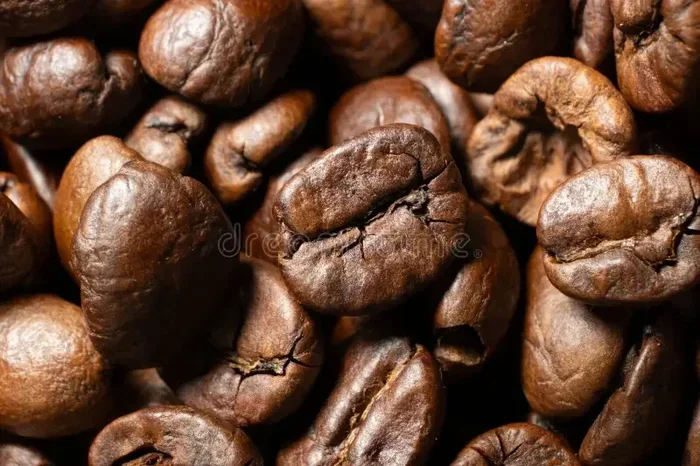
Decaffeinated coffee beans are regular coffee beans that have had most of their caffeine removed through a special process. The beans start out as green coffee beans, which are the raw, unroasted seeds inside coffee cherries. Before these beans are roasted, they go through a decaffeination step that targets the caffeine molecules specifically.
The Basic Definition
At its core, decaffeination is the process of extracting caffeine from coffee beans. The goal is to remove at least 97 percent of the caffeine content while leaving behind the flavors, oils, and aromas that make coffee so enjoyable. The result is a bean that can be roasted and brewed just like regular coffee, but with significantly less caffeine.
It is important to understand that decaffeinated coffee beans are not completely caffeine-free. By law, decaf coffee must have at least 97 percent of its caffeine removed. This means a small amount of caffeine still remains. However, the amount is so tiny that it is unlikely to affect most people.
How Coffee Beans Naturally Contain Caffeine
Caffeine is a natural compound that coffee plants produce. It acts as a natural pesticide, protecting the coffee plant from insects and pests. When coffee cherries grow on the plant, the seeds inside, which become coffee beans, naturally contain caffeine. This is true for both regular and decaffeinated coffee beans before the decaffeination process begins.
The caffeine content in raw green coffee beans varies depending on the type of coffee plant, where it was grown, and how it was processed. Robusta beans typically contain about twice as much caffeine as Arabica beans. This is one reason why the decaffeination process needs to be carefully calibrated for different bean types. The coffee processing methods used on the farm also play a role in how much caffeine the bean starts with before decaffeination even begins.
A Brief History of Decaf Coffee
The Origins of Decaffeination
The story of decaffeinated coffee beans begins in the early 1900s. A German coffee merchant named Ludwig Roselius is often credited with inventing the first commercial decaffeination process around 1906. He discovered that coffee beans lost their caffeine when soaked in seawater and then treated with benzene, a chemical solvent. While the method worked, benzene was later found to be harmful, and modern methods are much safer.
Roselius patented his process and started selling decaf coffee to the public. It was a novelty at first, but over time, people realized that decaf coffee could be just as enjoyable as regular coffee. Demand grew slowly, and the search for better and safer decaffeination methods began. This early work laid the foundation for all the coffee decaffeination process methods we have today.
How Decaf Has Evolved Over Time
Over the decades, scientists and coffee processors developed safer and more effective ways to remove caffeine. The Swiss Water Process was introduced in the 1930s and gained popularity in the 1980s. Chemical solvent methods were refined to use safer compounds. And in recent years, supercritical carbon dioxide decaffeination has emerged as a cutting-edge approach.
Today, the coffee decaffeination process is a sophisticated science. Modern methods focus on preserving flavor, using food-safe solvents, and minimizing environmental impact. The result is that decaffeinated coffee beans are better than ever before, offering great taste with minimal caffeine.
How the Decaffeination Process Works
The basic idea behind decaffeination is simple: remove the caffeine from the beans while keeping everything else intact. But the details are where things get interesting. There are several methods used today, and each one has its own approach to extracting caffeine from green coffee beans.
Preparing the Green Coffee Beans
Before any decaffeination can happen, the green coffee beans must be prepared. They are first cleaned and then soaked in water to swell them up. This swelling opens up the pores of the bean, making it easier for caffeine to be extracted. Think of it like soaking a dried sponge in water, so it becomes soft and porous.
Once the beans are swollen, they are ready for the decaffeination step. The method used depends on the processor and the desired outcome. Some methods use water alone, others use chemical solvents, and some use pressurized carbon dioxide. Each approach has its own strengths and weaknesses.
After the decaffeination and roasting stages, some producers also dry the beans carefully to preserve quality. This step is similar to how you would dry basil in the oven, using low heat and careful timing to preserve quality and avoid burning the delicate material.
The Swiss Water Process
The Swiss Water Process is one of the most popular and well-regarded methods for producing decaffeinated coffee beans. It uses only water, heat, and time to remove caffeine. No chemical solvents are involved, which makes it a favorite among people who want a natural approach to natural decaffeination.
Here is how it works in simple terms. First, the green coffee beans are soaked in hot water. The water draws out the caffeine and other soluble compounds from the beans. Then, this caffeine-laden water is passed through an activated charcoal filter. The filter traps the caffeine molecules but lets the larger flavor compounds pass through.
The filtered water, now rich in flavor compounds but free of caffeine, is used to soak a new batch of green coffee beans. Because this water is already saturated with flavor compounds, it draws out only the caffeine from the new beans, leaving the flavors behind. This is a clever and elegant process that produces high-quality decaffeinated coffee beans with great taste.
The Swiss Water Process is certified organic and is considered one of the best methods for preserving the natural coffee flavor. It is also environmentally friendly since it does not use any synthetic chemicals. This makes it a top choice for natural decaffeination among health-conscious coffee drinkers.
Chemical Solvent Methods
Chemical solvent methods have been used for decades to produce decaffeinated coffee beans. The two most common solvents are methylene chloride and ethyl acetate. Both are effective at extracting caffeine from coffee beans and are considered safe for food processing.
In the direct solvent method, the green coffee beans are first steamed to open their pores. Then they are rinsed with the solvent, which binds to the caffeine molecules. The solvent is then drained away, taking the caffeine with it. The beans are steamed again to remove any remaining solvent traces. This is a form of solvent-based decaffeination that is efficient and widely used.
In the indirect solvent method, the beans are first soaked in water to extract caffeine and flavor compounds. The water is then treated with the solvent, which removes the caffeine. The solvent-free water is returned to the beans to reabsorb the flavor compounds. This method helps preserve more of the original coffee flavor and is another common type of solvent-based decaffeination.
Both methods are considered safe by food safety authorities around the world. The solvents used are food-grade and are removed almost entirely from the beans before roasting. However, some coffee lovers prefer the Swiss Water Process because it avoids any chemical solvents altogether.
Carbon Dioxide Decaffeination
The carbon dioxide method is a more modern approach to creating decaffeinated coffee beans. It uses pressurized CO2, which acts as a solvent to extract caffeine. This method is often used for large-scale commercial decaffeination because it is efficient and produces consistent results.
In this process, the green coffee beans are placed in a high-pressure chamber. Liquid carbon dioxide is pumped into the chamber at very high pressure. The CO2 acts like a solvent, drawing caffeine out of the beans while leaving the larger flavor molecules behind. Then, the CO2 is depressurized, and the caffeine separates out. The CO2 can be reused for the next batch, making this a sustainable option for coffee processing methods at scale.
The CO2 method is considered safe and effective. It does not leave any chemical residues on the beans. It also preserves a good amount of the coffee flavor. However, the equipment needed is expensive, so this method is mostly used by large coffee producers rather than small-batch roasters.
Comparison of Decaffeination Methods
Each method for producing decaffeinated coffee beans has its own advantages. Here is a quick comparison to help you understand the differences.
| Method | Uses Chemicals? | Flavor Preservation | Environmentally Friendly? | Cost |
|---|---|---|---|---|
| Swiss Water Process | No | Excellent | Yes | Moderate |
| Chemical Solvent (Direct) | Yes (methylene chloride or ethyl acetate) | Good | Moderate | Lower |
| Chemical Solvent (Indirect) | Yes (methylene chloride or ethyl acetate) | Very Good | Moderate | Moderate |
| CO2 Decaffeination | No | Very Good | Yes | Higher |
As you can see, the Swiss Water Process stands out for its natural approach and excellent flavor preservation. The CO2 method is also chemical-free but comes at a higher cost. Chemical solvent methods are more affordable and widely used, but some consumers prefer to avoid them. When choosing decaffeinated coffee beans, consider which method aligns with your values for taste, health, and the environment.
Decaf vs Regular Coffee: Flavor and Health
Taste Differences
One of the most common questions about decaffeinated coffee beans is whether they taste the same as regular coffee. The honest answer is that decaf coffee can taste very similar, but there are some subtle differences.
Caffeine itself has a slightly bitter taste. When it is removed from the beans, the flavor profile can shift slightly. Some people notice that decaf coffee tastes a bit milder or smoother than regular coffee. Others cannot tell the difference at all, especially with high-quality decaffeinated coffee beans processed using the Swiss Water Method or CO2 method. The decaf taste has improved dramatically over the years thanks to better processing techniques.
The roasting process also plays a big role in the final taste. Lighter roasts tend to preserve more of the original bean flavors, while darker roasts bring out more caramelized and smoky notes. Whether you are grinding your beans fine to make a strong cup or brewing a milder blend, the quality of the decaffeinated coffee beans you start with matters a lot.
Interestingly, if you have ever wondered whether grinding coffee beans finer makes your decaf stronger, the answer is that it affects the extraction and body of the cup, though not the caffeine content, since most caffeine is already removed during processing.
Health Benefits of Decaf Coffee
Many people switch to decaf coffee for health reasons, and the good news is that decaf still offers many of the same benefits as regular coffee. Coffee beans, whether caffeinated or not, are rich in antioxidants and other beneficial compounds.
Studies have shown that decaffeinated coffee beans still contain polyphenols, chlorogenic acid, and other antioxidants that support heart health and reduce inflammation. These coffee antioxidants remain largely intact through the decaffeination process, which is great news for health-conscious coffee lovers. While the caffeine content is much lower, the other health-promoting compounds remain.
For people who are sensitive to caffeine, switching to decaf coffee can help with sleep quality, anxiety reduction, and better digestion. It allows you to enjoy the ritual and flavor of coffee without the jittery side effects that caffeine can cause. If you are looking for a simple way to enjoy your decaf at home, you might even try making coffee without a filter or machine using a French press or steeping method that works well with decaf grounds.
Does Decaf Coffee Still Contain Caffeine?
How Much Caffeine Remains
Yes, decaffeinated coffee beans still contain a small amount of caffeine. The decaffeination process removes about 97 percent of the caffeine, which means roughly 3 percent remains. To put this in perspective, a regular cup of coffee contains about 80 to 100 milligrams of caffeine. A cup of decaf coffee typically contains about 2 to 5 milligrams.
This tiny amount of caffeine is unlikely to affect most people, even those who are sensitive to caffeine. However, if you are avoiding caffeine completely for medical reasons, you should be aware that decaf is not entirely caffeine-free. Always check the caffeine content on the label if you are strictly monitoring your intake.
Is Decaf Completely Caffeine-Free?
Strictly speaking, no. There is no such thing as completely caffeine-free coffee. Even the most thorough decaffeination process leaves trace amounts of caffeine behind. The term “decaf” means decaffeinated, not caffeine-free.
If you need to avoid caffeine entirely, you might consider other beverages like herbal teas, which are naturally caffeine-free. But for most coffee lovers, the small amount of caffeine in decaffeinated coffee beans is perfectly fine and will not cause any noticeable effects. The caffeine content in decaf is so low that it is generally considered safe for everyone, including children and pregnant women in moderation.
How to Choose the Best Decaffeinated Coffee Beans
Look for the Decaffeination Method
When buying decaffeinated coffee beans, one of the first things to check is which decaffeination method was used. This information is often listed on the packaging or the coffee roaster’s website. Knowing the method helps you make an informed choice based on your preferences for natural processing, chemical use, and flavor quality.
If you prefer a natural process, look for Swiss Water Process certified beans. If you want a chemical-free option that also uses a modern approach, look for CO2 decaffeinated beans. Both methods are excellent choices for quality and safety. The coffee decaffeination process listed on the bag is a good indicator of the care and attention the roaster puts into their product.
Check the Roast Date and Origin
Freshness matters a lot with decaf coffee. Because the decaffeination process can strip away some of the volatile compounds that contribute to aroma, it is even more important to use freshly roasted beans. Look for a roast date on the bag rather than just an expiration date. Freshly roasted decaffeinated coffee beans will have a richer aroma and better flavor.
The origin of the beans also matters. Different coffee-growing regions produce beans with distinct flavor profiles. Ethiopian beans might have fruity and floral notes, while Colombian beans might be nutty and chocolatey. Trying beans from different coffee bean origins can help you find a decaf that you truly enjoy. The coffee bean origins influence everything from acidity to body to the overall flavor experience.
Tips for Brewing Great Decaf Coffee
Brewing decaf coffee is just like brewing regular coffee, but there are a few tips that can help you get the best results. Start with clean, fresh water and grind your beans just before brewing for maximum flavor. Use the right water temperature, ideally between 195 and 205 degrees Fahrenheit.
Since decaffeinated coffee beans can sometimes taste a bit milder, you might want to use a slightly finer grind or a longer brew time to extract more flavor. Just be careful not to over-extract, which can make the coffee taste bitter and harsh. Proper coffee extraction is key to bringing out the best in any decaf bean.
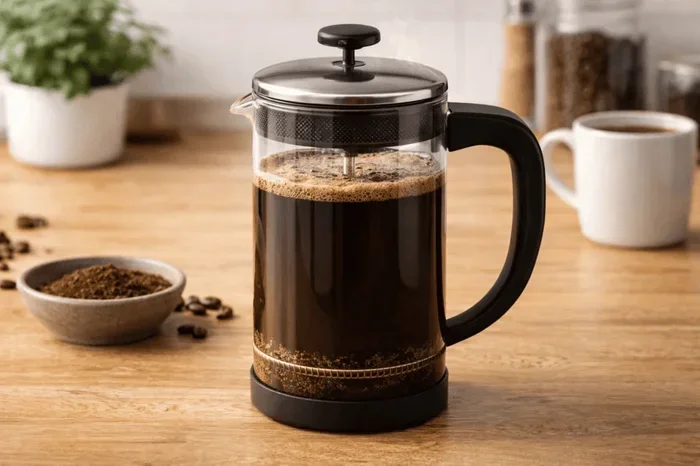
Experiment with different brewing methods to find what works best for you. Whether you prefer pour-over, French press, or drip brewing, good-quality decaf coffee can produce a delicious cup every time. The key is to treat decaf beans with the same care and attention you would give to any premium coffee.
Conclusion
Decaffeinated coffee beans are a wonderful option for anyone who loves the taste of coffee but wants to limit their caffeine intake. The decaffeination process has come a long way, and today there are safe, effective methods that preserve the rich flavor and aroma of coffee. From the Swiss Water Process to chemical solvents and CO2 extraction, each method has its own strengths and produces excellent results.
Whether you are drinking decaf for health reasons or personal preference, you can feel good knowing that decaffeinated coffee beans still offer the antioxidants and comforting qualities of regular coffee. The key is to choose high-quality beans, pay attention to the decaffeination method, and brew them with care. Understanding how your decaffeinated coffee beans were processed helps you appreciate every cup even more.
Next time you brew a cup of decaf, you can appreciate the science and craft that went into every bean. The process is remarkable, and the result is a cup of coffee that brings joy without the caffeine. Enjoy your decaf coffee with confidence, knowing exactly what goes into every sip.
Frequently Asked Questions
Are Decaffeinated Coffee Beans Safe to Drink?
Yes, decaffeinated coffee beans are completely safe to drink. The decaffeination process uses methods that have been thoroughly tested and approved by food safety authorities worldwide. Whether the beans are processed using the Swiss Water Method, chemical solvents, or CO2 extraction, the final product meets strict safety standards.
Does Decaf Coffee Have Any Health Benefits?
Yes, decaf coffee still contains many of the same health benefits as regular coffee. It is rich in antioxidants like chlorogenic acid and polyphenols, which support heart health and reduce inflammation. The decaffeination process does not remove these beneficial compounds, so you can still enjoy the health perks of coffee without the caffeine.
Can You Tell the Difference Between Decaf and Regular Coffee?
Some people can tell a slight difference in taste, while others cannot tell at all. Decaf coffee may taste slightly milder because caffeine contributes a bit of bitterness. However, high-quality decaffeinated coffee beans processed with modern methods can taste nearly identical to regular coffee. The brewing method and roast level also play a big role in the final flavor.
How Should You Store Decaf Coffee Beans?
Store decaf coffee beans in an airtight container in a cool, dark place. Since decaf beans can lose their flavor more quickly than regular beans, it is best to buy them in small quantities and use them within a few weeks of opening. Avoid storing them in the fridge or freezer, as moisture can affect the quality of the beans.
Is Decaf Coffee Good for People with Acid Reflux?
Decaf coffee may be a better option for people with acid reflux or sensitive stomachs. While coffee is naturally acidic, removing the caffeine can sometimes reduce the irritation on the stomach. However, decaf coffee still contains acids that may cause discomfort for some people. If you have acid reflux, it is best to try a small amount first and see how your body reacts.
What Is the Best Decaffeination Method for Flavor?
The Swiss Water Process is widely regarded as the best method for preserving flavor in decaffeinated coffee beans. It uses only water and activated charcoal, so no chemical solvents are involved. This natural approach keeps the coffee’s original flavor profile intact while removing about 97 percent of the caffeine.