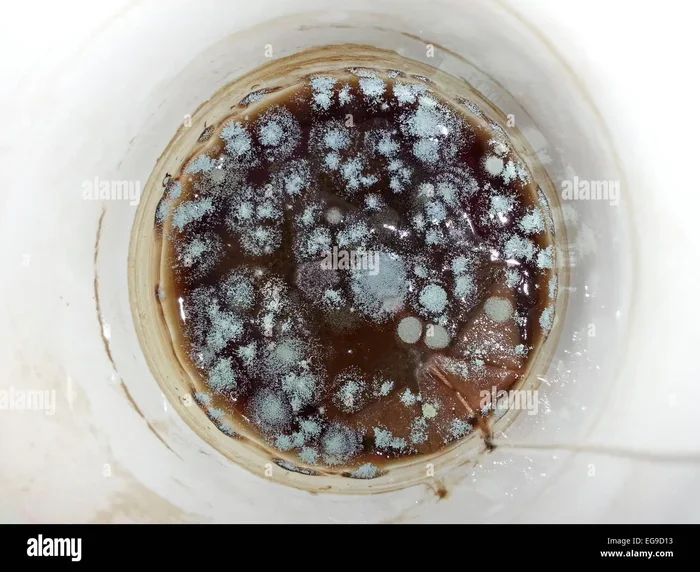
Can Moldy Coffee Make You Sick Discover The Shocking Facts
Yes, moldy coffee can make you sick. Drinking coffee contaminated with mold exposes you to mycotoxins that may cause nausea, headaches, and respiratory issues. Understanding the risks of moldy coffee helps you protect your health and enjoy your daily brew safely.
Key Takeaways
- Moldy coffee poses real health risks: Mycotoxins found in mold can cause digestive problems, headaches, and fatigue.
- Spotting mold early is key: Look for discoloration, off smells, and unusual texture in your coffee beans or grounds.
- Proper storage prevents mold growth: Keep coffee in a cool, dry place away from moisture and heat.
- Brewing contaminated coffee worsens exposure: Heat does not kill all mold toxins, so using moldy beans is risky.
- Immediate action matters: If you suspect you drank moldy coffee, hydrate and watch for symptoms.
- Quality beans matter: Choosing fresh, high-quality coffee reduces the chance of mold contamination.
📑 Table of Contents
- Can Moldy Coffee Make You Sick? The Truth You Need to Know
- What Is Moldy Coffee and How Does It Happen?
- The Health Risks of Drinking Moldy Coffee
- How to Spot Mold in Your Coffee
- Can Moldy Coffee Cause Long-Term Health Problems?
- How to Prevent Mold in Your Coffee
- What to Do If You Have Already Drunk Moldy Coffee
- Common Myths About Moldy Coffee
- Conclusion
Can Moldy Coffee Make You Sick? The Truth You Need to Know
Many of us rely on coffee to start our day. But what happens when that morning cup is contaminated? The short answer is yes. Moldy coffee can make you sick, and the effects can range from mild discomfort to serious health concerns. Mold thrives in moist environments, and coffee beans are highly susceptible to contamination if stored improperly.
Understanding the risks of moldy coffee is essential for every coffee lover. You might not even notice the mold with your naked eye. The toxins produced by mold, known as mycotoxins, are invisible and odorless in many cases. This makes coffee contamination a hidden danger in many kitchens.
In this guide, we will explore everything you need to know about moldy coffee. We will cover the health risks, how to identify mold, prevention tips, and what to do if you have already consumed contaminated coffee. By the end, you will feel confident about keeping your brew safe and healthy.
What Is Moldy Coffee and How Does It Happen?
Mold is a type of fungus that grows on organic matter. Coffee beans are organic. They come from the coffee cherry, which is a fruit. This makes them a natural target for mold growth. When coffee beans are exposed to moisture, warmth, and poor air circulation, mold starts to develop.
How Coffee Gets Contaminated
Mold can appear at any stage of the coffee production process. It can grow during harvesting, drying, storage, or even in your kitchen. Here are the most common ways coffee mold develops:
- Poor drying practices: Coffee cherries that are not dried properly retain moisture. This creates the perfect breeding ground for mold.
- Improper storage: Storing coffee beans in a humid environment or in a non-airtight container invites mold growth.
- Expired coffee: Old coffee beans and grounds lose their freshness and become more vulnerable to contamination.
- Cross-contamination: If coffee is stored near other moldy foods, spores can spread easily.
Many people wonder about coffee bean mold and whether it is common. The truth is, it is more common than most people think. Studies have found that a significant percentage of coffee beans on the market contain trace amounts of mold. This is why choosing quality brands and storing coffee correctly matters so much.
Some people try to salvage moldy coffee by brewing it at high temperatures. But here is the hard truth. Heat does not destroy all mycotoxins. This is why moldy coffee remains dangerous even after brewing. If you want to learn more about alternative coffee brewing methods, check out our guide on how to make coffee without a filter or machine for safe preparation tips.
The Health Risks of Drinking Moldy Coffee
Drinking moldy coffee is not something to take lightly. The health risks are real and can affect different parts of your body. Mold produces substances called mycotoxins. These are toxic compounds that can cause a range of health problems.
Short-Term Effects of Consuming Moldy Coffee
When you drink coffee contaminated with mold, your body reacts quickly. The mold exposure symptoms can show up within hours. Here is what you might experience:
- Nausea and stomach cramps: Your digestive system tries to flush out the toxins.
- Headaches and dizziness: Mycotoxins can affect your nervous system.
- Fatigue and weakness: Your body uses energy to fight the toxins.
- Diarrhea or vomiting: These are common signs of food contamination.
- Respiratory issues: Inhaling mold spores while brewing can irritate your lungs.
Long-Term Health Concerns
Repeated exposure to fungal contamination in coffee can lead to more serious health issues over time. Some mycotoxins are classified as carcinogens. This means they may increase the risk of cancer with long-term exposure. Here are the potential long-term risks:
- Liver damage: Certain mycotoxins are known to be hepatotoxic, meaning they harm the liver.
- Weakened immune system: Constant exposure to mold toxins can lower your body’s ability to fight infections.
- Chronic respiratory problems: Long-term inhalation of mold spores can worsen asthma and other conditions.
- Neurological effects: Some mycotoxins affect brain function and may cause cognitive issues.
These risks make it clear why coffee freshness and coffee quality should never be ignored. Always check your coffee before brewing. If you have ever wondered about leaving appliances on for extended periods, you might find our article on what happens if you leave your oven on all day interesting. It covers similar safety concerns with kitchen appliances.
How to Spot Mold in Your Coffee
Detecting coffee mold early can save you from unpleasant health effects. But mold is not always easy to see. Here is how you can check if your coffee has gone bad.
Visual Signs
- Discoloration: Look for white, green, or black fuzzy spots on coffee beans or grounds.
- Clumping: Moldy coffee grounds often stick together in clumps due to moisture.
- Oily residue: Excess oil on the surface can indicate spoilage.
Smell Test
Your nose is one of the best tools for detecting coffee spoilage. Fresh coffee has a rich, aromatic smell. Moldy coffee often smells musty, sour, or stale. If your coffee smells off, trust your instincts and throw it away.
Texture Changes
Moldy coffee grounds may feel slimy or damp even when they should be dry. Coffee beans should be hard and brittle. If they feel soft or sticky, moisture has gotten in, and mold may be present.
Taste Warning Signs
If your coffee tastes bitter in an unusual way or has a musty flavor, do not swallow it. Spit it out and rinse your mouth. Stale coffee dangers go beyond just bad taste. The flavor change is often the first clue that something is wrong.
Can Moldy Coffee Cause Long-Term Health Problems?
This is one of the most important questions people ask about moldy coffee. The answer depends on how often you consume it and how sensitive your body is. Some people tolerate small amounts of mold exposure without any noticeable effects. Others react strongly even to trace amounts.
Who Is Most at Risk?
Certain groups of people face higher risks from toxic mold exposure:
- People with weakened immune systems: They cannot fight off mold toxins effectively.
- Children and elderly individuals: Their bodies are more vulnerable to contamination.
- People with asthma or allergies: Mold spores can trigger severe respiratory reactions.
- Pregnant women: Mycotoxins may affect fetal development.
The Role of Mycotoxins
Mycotoxins are the real danger in moldy coffee. These chemical compounds are produced by certain types of mold. The most common mycotoxins found in coffee include ochratoxin A and aflatoxin B1. These substances are heat-resistant. This means that even brewing your coffee at high temperatures will not eliminate them completely.
Research has shown that mycotoxins can accumulate in the body over time. This buildup can lead to chronic health issues. It is not just about one cup of contaminated coffee. It is about repeated exposure over days, weeks, and months.
Some coffee brands test their beans for mycotoxins. This is a good sign that they prioritize food safety and coffee quality. When shopping, look for brands that provide transparency about their testing processes.
How to Prevent Mold in Your Coffee
Prevention is always better than cure. Keeping your coffee mold-free comes down to proper storage and handling. Here are practical steps you can take today.
Storage Tips
- Use an airtight container: This keeps moisture and air out. Glass or ceramic containers work best.
- Store in a cool, dark place: Avoid placing coffee near the stove or in direct sunlight.
- Do not refrigerate ground coffee: The fridge introduces moisture. However, whole beans can be stored in the freezer if wrapped tightly.
- Buy in smaller quantities: This ensures you use coffee before it goes stale or moldy.
Cleaning Your Coffee Equipment
Mold can grow on coffee makers, grinders, and filters. Regular cleaning is essential. After each use, rinse your equipment thoroughly and let it dry completely. If you use a cloth or cheesecloth to strain your coffee, make sure it is clean and dry before storing it. If you are wondering about using certain materials in heat, our article on can you put cheesecloth in the oven covers the safety of using cheesecloth with heat.
Choosing Quality Coffee
- Buy from reputable brands that test for mold and mycotoxins.
- Check the roast date on the bag. Fresher coffee is less likely to harbor mold.
- Avoid buying coffee in damaged or open packaging.
- Consider single-origin coffee which often has stricter quality control.
Quick Tips for Coffee Freshness
- Always wash your hands before handling coffee beans or grounds.
- Do not leave brewed coffee sitting out for more than a few hours.
- Clean your coffee grinder regularly to prevent mold buildup.
- Use clean, filtered water for brewing.
What to Do If You Have Already Drunk Moldy Coffee
If you suspect you have consumed moldy coffee, do not panic. One accidental exposure is unlikely to cause serious harm. But you should take the right steps to protect yourself.
Immediate Steps
- Stop drinking it immediately: Pour out the rest of the cup and do not consume any more.
- Drink plenty of water: Water helps flush toxins from your system.
- Monitor your symptoms: Watch for nausea, headache, or stomach discomfort.
- Eat something bland: Toast or crackers can help settle your stomach.
When to See a Doctor
Most mild symptoms resolve on their own within a few hours. However, you should seek medical attention if you experience any of the following:
- Severe or persistent vomiting
- High fever
- Difficulty breathing
- Severe abdominal pain
- Symptoms that last more than 24 hours
These could be signs of a more serious mold exposure reaction. A healthcare professional can provide the right treatment and guidance.
Preventing Future Exposure
After an incident with moldy coffee, take time to reassess your storage and preparation habits. Throw away any coffee that shows signs of mold. Clean all your coffee equipment thoroughly. And consider investing in a quality storage container to keep your beans fresh and safe.
Common Myths About Moldy Coffee
There are many misconceptions about coffee mold that can put your health at risk. Let us debunk some of the most common ones.
Myth 1: Brewing Hot Coffee Kills All Mold
This is false. While heat kills mold spores, it does not destroy the mycotoxins they produce. These toxins are heat-resistant. So even a hot cup of moldy coffee can still make you sick.
Myth 2: Only Cheap Coffee Has Mold
Mold can affect any coffee, regardless of price. Even premium beans can become contaminated if stored improperly. However, lower-quality beans may have higher mold levels due to poor processing.
Myth 3: You Can Always Smell Mold in Coffee
Not always. Some mycotoxins are odorless. You may not notice any change in smell until the contamination is significant. This is why visual inspection and proper storage are so important.
Myth 4: Mold Only Grows on Old Coffee
Mold can grow on fresh coffee too if it is exposed to moisture. It is not just about age. It is about storage conditions and exposure to humidity.
Conclusion
The answer to the question “Can moldy coffee make you sick” is a clear and definitive yes. Moldy coffee contains mycotoxins that can cause both short-term and long-term health problems. From digestive issues to respiratory concerns, the risks are real and should not be ignored.
The good news is that prevention is simple. Store your coffee properly, check for signs of mold, and choose quality beans from reputable sources. If you ever suspect your coffee is contaminated, act quickly and discard it. Your health is worth more than any cup of coffee.
Stay informed, stay safe, and enjoy your coffee with confidence. A little awareness goes a long way in protecting yourself and your loved ones from the hidden dangers of coffee contamination. Make smart choices, and your morning brew will always be a source of energy and enjoyment, not worry.
Frequently Asked Questions
Can smelling moldy coffee make you sick?
Yes, inhaling mold spores from moldy coffee can cause respiratory irritation, especially for people with allergies or asthma. Even the smell of moldy coffee indicates the presence of fungal contamination. It is best to avoid inhaling the aroma and discard the coffee immediately.
How long after drinking moldy coffee do symptoms appear?
Symptoms of mold exposure from coffee can appear within a few hours. Common early signs include nausea, headache, and stomach discomfort. The onset time depends on the amount consumed and your individual sensitivity to mycotoxins.
Is it safe to drink coffee that has been left out overnight?
No, coffee left out overnight is at high risk for coffee spoilage and mold growth. Moisture and room temperature create ideal conditions for contamination. Always discard coffee that has been sitting out for more than a few hours.
Can you wash mold off coffee beans?
Washing mold off coffee beans is not recommended. The mycotoxins produced by mold penetrate deep into the bean surface. Even if you remove visible mold, the toxins may still be present. It is safest to throw away moldy beans entirely.
Does freezing coffee prevent mold growth?
Freezing can slow mold growth but does not prevent it entirely. If coffee is not wrapped tightly, moisture can still reach it during freezing. Always use airtight, freezer-safe containers if you choose to freeze your coffee beans.
Are all types of coffee equally susceptible to mold?
No, some coffee types are more resistant to mold than others. Single-origin coffee from reputable brands often undergoes stricter quality control and processing standards. Dark roasted beans may also have slightly lower moisture content, reducing mold risk.
=== INTERNAL LINKS ===
For more related kitchen tips and coffee safety information, explore these resources:
- How to Make Coffee Without a Filter or Machine – Learn safe and alternative coffee brewing methods.
- Can You Put Cheesecloth in the Oven – Understand the safety of using cheesecloth with heat for coffee filtering.
- What Happens If You Leave Your Oven On All Day – Discover important kitchen safety precautions.