How to Choose the Best Coffee Machine Without Pods Today
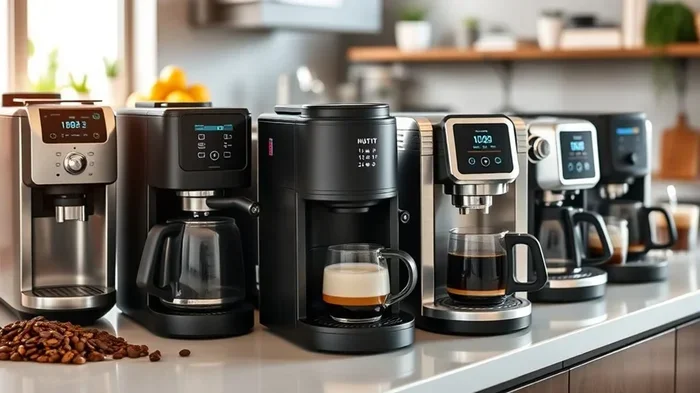
Choosing a coffee machine without pods gives you more control over your brew, saves money long term, and reduces waste. This guide walks you through every type of podless coffee maker, key features to compare, top brands, and practical tips to find the best machine for your home. Whether you want a bean-to-cup system or a simple drip machine, you will know exactly what to look for.
A coffee machine without pods is one of the smartest upgrades you can make in your kitchen. If you have been relying on pod-based systems like Keurig or Nespresso, you already know the convenience they offer. But those little plastic cups add up fast, both in cost and environmental impact.
A podless machine gives you the freedom to use freshly ground beans or your favorite ground coffee. The result is a richer, more flavorful cup that you truly control. Whether you are a casual coffee drinker or a full-blown enthusiast, there is a podless option that fits your needs.
In this guide, we break down everything you need to know. We cover the different types of machines, what features matter most, and how to pick the right one for your budget. By the end, you will feel confident choosing a podless coffee maker that delivers great taste every single morning.
Key Takeaways
- Podless machines save money: You use ground coffee or beans instead of expensive pods, cutting your daily coffee cost significantly.
- More flavor control: A coffee machine without pods lets you adjust grind size, brew strength, and water temperature for a better cup.
- Eco-friendly choice: Reusable filters and fresh beans mean less waste compared to single-use pods.
- Multiple types available: From bean-to-cup systems to manual pour-over machines, there is a podless option for every budget and skill level.
- Maintenance matters: Regular cleaning and descaling keep your podless coffee maker running smoothly for years.
- Check key features: Look for a built-in grinder, adjustable settings, and easy cleanup when choosing your machine.
📑 Table of Contents
- What Is a Coffee Machine Without Pods?
- Benefits of Choosing a Podless Coffee Maker
- Types of Coffee Machines That Do Not Use Pods
- Key Features to Look For in a Coffee Machine Without Pods
- Top Brands and Models Worth Considering
- Common Mistakes to Avoid When Buying a Podless Coffee Machine
- Quick Tips for Getting the Best Brew From Your Podless Machine
- Expert Insights: What Baristas Want You to Know
- Conclusion
What Is a Coffee Machine Without Pods?
A coffee machine without pods is any brewing device that does not rely on pre-packaged capsules or pods. Instead, it uses ground coffee, whole beans, or manual brewing methods. These machines come in many shapes and sizes, from compact single-serve models to full-sized drip brewers.
The idea is simple. You grind your beans (or buy pre-ground coffee), add it to the machine, and let it brew. No proprietary capsules needed. This opens up a world of coffee brands, roast levels, and flavors that pod systems simply cannot match.
How It Differs from Pod-Based Machines
Pod machines lock you into a specific ecosystem. You buy pods from one brand, and those pods only work with that brand’s machine. A podless coffee maker breaks that chain. You can buy coffee from any roaster, any region, and any price point.
Here is a quick comparison of the two approaches:
- Cost per cup: Pods typically cost 50 to 80 cents per cup. Ground coffee costs roughly 10 to 25 cents per cup.
- Flavor variety: Pods offer limited brands. Ground coffee gives you access to thousands of options.
- Environmental impact: Most pods are plastic or aluminum and hard to recycle. Ground coffee creates compostable waste.
- Machine cost: Pod machines are often cheaper upfront. Podless machines may cost more initially but save money over time.
If you want to learn more about brewing coffee without any machine at all, check out our guide on how to make coffee without filter or machine for some handy alternative methods.
Benefits of Choosing a Podless Coffee Maker
Switching to a coffee machine without pods brings real advantages. Let us look at the biggest reasons people make the switch.
Better Flavor and Freshness
Freshly ground beans taste dramatically better than pre-packaged pods. When you grind coffee right before brewing, you preserve the oils and aromas that give coffee its rich flavor. A bean-to-cup coffee machine does this automatically, giving you a cafe-quality cup at home.
Even if you use pre-ground coffee, the flavor is far superior to what you get from a pod. Pods sit on shelves for weeks, and the coffee inside loses its freshness fast. With ground coffee, you control the roast date and grind size.
Significant Cost Savings
The numbers tell a clear story. A single-serve pod can cost between 50 and 80 cents. A tablespoon of ground coffee costs about 10 to 25 cents. Over a year of daily coffee drinking, that difference adds up to hundreds of dollars.
Coffee machine cost is another factor. Pod machines are often sold at low prices to hook you into buying their pods. A quality podless machine costs more upfront, but the savings on coffee supplies quickly pay for the difference.
Reduced Environmental Waste
Billions of coffee pods end up in landfills every year. Most pods are made from a mix of plastic and aluminum, making them very difficult to recycle. A podless coffee maker eliminates this problem almost entirely.
You can use reusable filters, compost your used grounds, and buy coffee in recyclable packaging. It is a small change that makes a big difference for the planet.
Complete Customization
With a podless machine, you decide everything. Want a stronger brew? Use more coffee. Prefer a lighter roast? Try a new brand. Like your coffee hotter? Adjust the brew temperature. This level of control is simply not possible with pod systems.
Types of Coffee Machines That Do Not Use Pods
Not all podless machines work the same way. Understanding the different types helps you choose the right one for your lifestyle.
Bean-to-Cup Coffee Machines
A bean-to-cup coffee machine is the most convenient podless option. You load whole beans into a hopper, and the machine grinds them fresh for each cup. It then brews the coffee automatically.
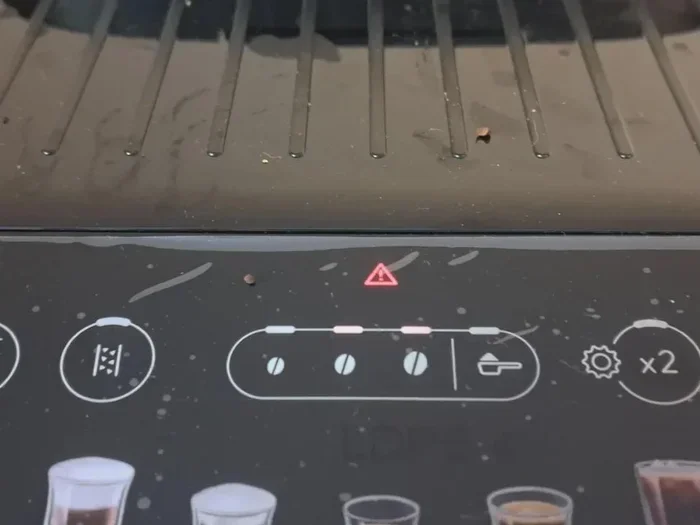
These machines are perfect for people who want espresso-style drinks without the hassle. Most bean-to-cup models offer settings for espresso, americano, latte, and cappuccino. Some even let you adjust the strength and cup size.
The downside is price. Quality bean-to-cup machines can range from 300 to 1500 dollars. But if you drink coffee daily, the savings and convenience make them worthwhile.
Drip Coffee Machines
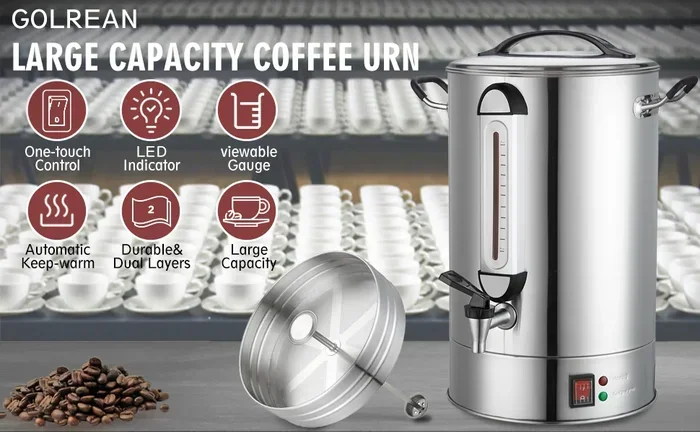
The classic drip coffee machine is the most affordable podless option. You add a paper or reusable filter, pour in ground coffee, and the machine drips hot water through it. These machines brew multiple cups at once, making them ideal for families or offices.
Drip machines are simple to use and easy to clean. Many modern models include programmable timers so your coffee is ready when you wake up. They do not make espresso, but for a steady pot of everyday coffee, they are hard to beat.
Manual Pour-Over Brewers
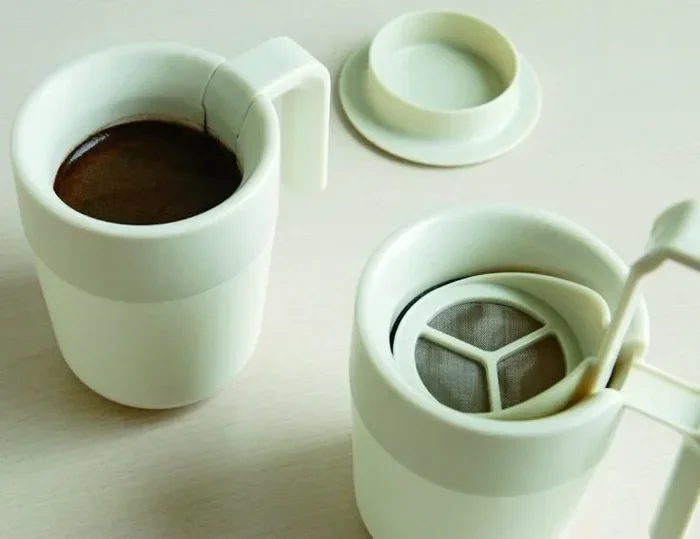
A manual pour-over setup gives you the most hands-on control over your brew. You place a filter in a dripper, add ground coffee, and pour hot water slowly over the grounds. The coffee drips through into your cup below.
This method produces a clean, bright cup that highlights the subtle flavors of light roasts. It takes a bit more time and practice, but coffee lovers swear by the results. A good pour-over setup costs under 30 dollars.
French Press
The French press is not a machine in the traditional sense, but it is a popular podless brewing method. You steep coarse ground coffee in hot water for four minutes, then press down a metal plunger to separate the grounds.
French press coffee is rich and full-bodied because the metal filter lets more oils through than paper filters. It is simple, affordable, and does not require any electricity.
Moka Stovetop Espresso Makers
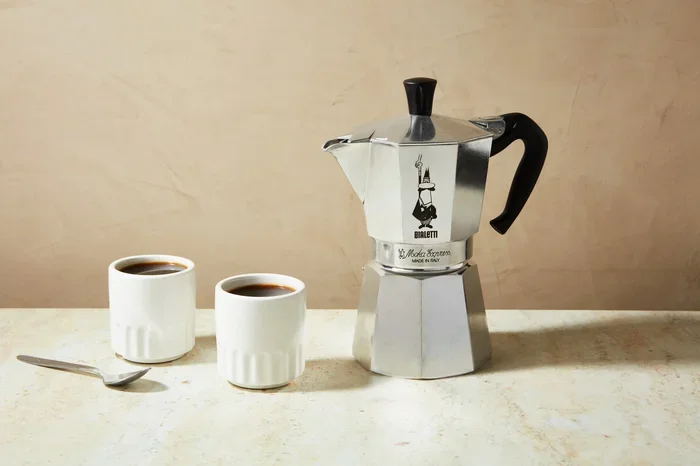
A Moka pot brews strong, espresso-like coffee on your stovetop. You fill the bottom chamber with water, add ground coffee to the filter basket, and heat it on the stove. Steam pressure pushes the water through the coffee and into the top chamber.
Moka pots are a staple in Italian kitchens. They produce a bold, concentrated brew that is perfect for espresso lovers on a budget. A quality Moka pot costs between 20 and 60 dollars.
Key Features to Look For in a Coffee Machine Without Pods
Not all podless machines are created equal. Here are the features that matter most when you are shopping.
Built-In Grinder
If you want the freshest possible coffee, a machine with a built-in grinder is essential. A coffee bean grinder built into the machine saves you a separate step and ensures consistent grind size.
Look for machines with adjustable grind settings. Different brewing methods need different grind sizes. Espresso requires a fine grind, while drip coffee works best with a medium grind. The more control you have, the better your coffee will taste.
Brew Strength and Temperature Controls
A good automatic coffee machine lets you adjust brew strength and temperature. Some machines offer three or four strength settings. Others let you choose your exact brewing temperature, which affects extraction and flavor.
Coffee extraction is the process of pulling flavor from the grounds. Water that is too hot over-extracts the coffee and makes it bitter. Water that is too cool under-extracts it and leaves it weak. Temperature control helps you hit the sweet spot.
Water Reservoir Size
Consider how many cups you brew at once. A large water reservoir means fewer refills. If you are making coffee for a family, look for a machine with at least a 10-cup capacity. For solo drinkers, a smaller reservoir works fine.
Filter Type
Most drip coffee machine models use paper or reusable metal filters. Paper filters produce a cleaner, brighter cup by trapping more oils and fine particles. Metal filters let more oils through, giving you a richer body.
Reusable filters also save money over time. You do not need to keep buying paper filters. Just rinse them after each use and replace them every few months.
Ease of Cleaning
A coffee machine without pods needs regular cleaning to perform well. Look for machines with removable parts that are dishwasher safe. A coffee machine maintenance routine should include rinsing the brew group, wiping the exterior, and replacing filters as needed.
Some higher-end models have self-cleaning functions that make upkeep even easier. These are worth the extra cost if you want to minimize effort.
Size and Footprint
Measure your counter space before you buy. Some bean-to-cup machines are quite large and need dedicated counter room. Drip machines and pour-over setups are more compact and flexible.
If you have a small kitchen, look for machines with a slim profile or one that can be stored easily when not in use.
Top Brands and Models Worth Considering
The market for coffee machine without pods options has grown significantly. Here are some trusted brands and what they offer.
DeLonghi
DeLonghi is a leader in bean-to-cup machines. Their models range from affordable entry-level options to premium machines with touchscreens and milk frothers. DeLonghi machines are known for reliability and consistent brew quality.
Breville
Breville offers high-end machines that appeal to coffee enthusiasts. Their grinders are among the best in the industry, and their machines give you precise control over every variable. Breville machines are an investment, but they deliver professional-quality results.
Hamilton Beach
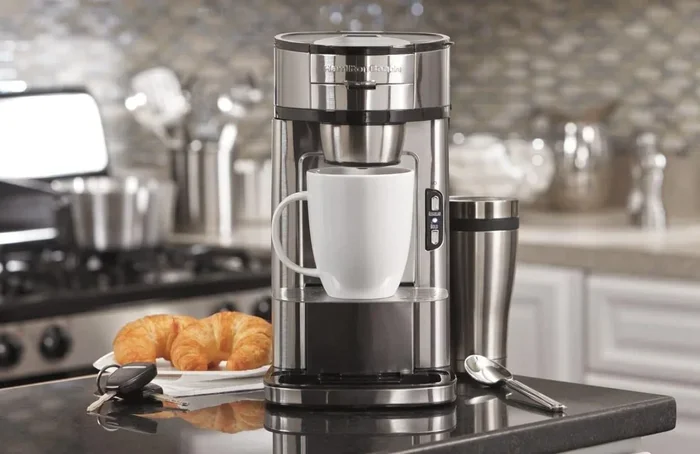
Hamilton Beach makes excellent drip coffee machines at very reasonable prices. Their models are simple, durable, and easy to use. If you want a no-fuss drip coffee machine that brews a great pot, Hamilton Beach is a solid choice.
Chemex
Chemex is the gold standard for pour-over coffee makers. Their glass carafe designs are iconic and produce an exceptionally clean cup. Chemex machines are affordable and last for years with proper care.
Bialetti
Bialetti invented the Moka pot and remains the go-to brand for stovetop espresso makers. Their aluminum Moka pots are affordable, durable, and brew a strong, flavorful cup every time.
Common Mistakes to Avoid When Buying a Podless Coffee Machine
Avoiding these common mistakes helps you make a smarter purchase.
- Skipping the grinder: Pre-ground coffee loses flavor fast. If you can afford a machine with a built-in grinder, choose it.
- Ignoring water quality: The water you use affects coffee taste more than most people realize. Use filtered water for the best results.
- Buying the cheapest option: Very cheap machines often have poor extraction and short lifespans. Invest in quality.
- Overlooking maintenance: A coffee machine without pods needs regular descaling and cleaning. Factor this into your decision.
- Not reading reviews: Check real user reviews before buying. Pay attention to comments about durability and customer service.
Quick Tips for Getting the Best Brew From Your Podless Machine
Follow these simple tips to improve your coffee every time you brew.
- Use fresh, quality beans. Buy whole beans and grind them just before brewing for the best flavor.
- Measure your coffee. A good ratio is about 2 tablespoons of coffee per 6 ounces of water. Adjust to your taste.
- Use the right water temperature. The ideal brewing temperature is between 195 and 205 degrees Fahrenheit.
- Clean your machine regularly. Descale every 1 to 3 months depending on your water hardness.
- Store coffee properly. Keep beans in an airtight container away from light and heat.
- Experiment with grind size. If your coffee tastes bitter, try a coarser grind. If it tastes weak, go finer.
Expert Insights: What Baristas Want You to Know
Professional baristas agree that a podless coffee maker is the best way to improve your home coffee game. Here is what they recommend.
“The biggest difference people notice is freshness,” says a specialty coffee barista. “When you grind beans right before brewing, the aroma and flavor are completely different from anything that comes in a pod.”
Baristas also emphasize water quality and ratio. “People spend good money on coffee beans but forget that water makes up 98 percent of your cup,” they explain. “Use good water and get the ratio right, and your coffee will taste amazing.”
Another expert tip is to invest in a separate coffee grinder if your machine does not have one built in. A burr grinder produces a much more consistent grind than a blade grinder, and consistency is the key to great extraction.
If you enjoy exploring other kitchen techniques, you might also find our guide on how to make bacon in the oven without parchment paper helpful for other kitchen hacks that simplify your cooking routine.
Conclusion
Choosing the best coffee machine without pods comes down to understanding your needs, budget, and brewing preferences. Whether you want a fully automatic bean-to-cup system, a classic drip machine, or a simple pour-over setup, there is a podless option that will serve you well.
The benefits are clear. Better flavor, lower costs per cup, less waste, and complete control over every aspect of your brew. A podless coffee maker is a smart investment for anyone who drinks coffee regularly.
Start by deciding which type of machine fits your lifestyle. Then focus on the features that matter most to you, like a built-in grinder, temperature control, and easy cleaning. With the right machine and a little practice, you will enjoy coffee shop-quality drinks in the comfort of your own home every single morning.
For more kitchen tips and guides, explore our other articles on how long to cook enchiladas in oven at 350 without and how to bake polymer clay without oven for creative kitchen and crafting ideas.
Frequently Asked Questions
Can I use regular ground coffee in a podless coffee machine?
Yes, absolutely. Most podless machines are designed to work with regular ground coffee. Some bean-to-cup machines even grind whole beans automatically. Just check your machine’s manual to confirm the recommended grind size and coffee amount for the best results.
Is a coffee machine without pods more expensive than a pod machine?
The machine itself may cost more upfront, but you save significant money over time. Ground coffee costs a fraction of what pods cost per cup. Most people recoup the extra machine cost within a few months of switching to a podless system.
How do I clean a podless coffee machine?
Cleaning routines depend on the machine type. For drip machines, rinse the carafe and filter basket after each use and descale every 1 to 3 months. Bean-to-cup machines need regular grinder cleaning and descaling as well. Always check your manufacturer’s guide for specific instructions.
What is the difference between a bean-to-cup machine and a drip coffee machine?
A bean-to-cup machine grinds whole beans and brews coffee automatically in one step. It often includes a milk frother for lattes and cappuccinos. A drip coffee machine uses pre-ground coffee and brews a full pot at a time. Drip machines are simpler and more affordable, but they do not make espresso-based drinks.
Can a podless coffee machine make espresso?
Yes, certain podless machines can make espresso. Bean-to-cup machines and Moka pots both produce espresso-style coffee. Manual espresso machines also work without pods and give you the most control over pressure and extraction. For true espresso, look for a machine with at least 9 bars of pressure.
How long does a coffee machine without pods last?
A quality podless coffee machine can last 5 to 10 years or more with proper care. Regular cleaning, descaling, and using filtered water all extend the lifespan. Lower-end models may last 3 to 5 years, while premium machines often perform well for a decade or longer.