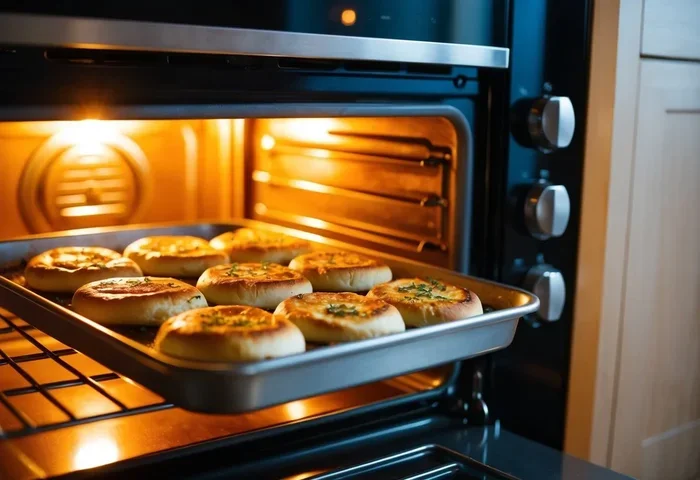
Are Hard Anodized Pans Oven Safe Here Is The Answer
Hard anodized pans are generally oven safe and can handle high temperatures, making them versatile for stovetop-to-oven cooking. Most hard anodized cookware can withstand temperatures between 400°F and 500°F, but always check the manufacturer’s guidelines. Knowing your pan’s oven-safe limits ensures safe cooking and extends the life of your hard anodized cookware.
This is a comprehensive guide about Are Hard Anodized Pans Oven Safe.
Key Takeaways
- Oven Safe by Design: Hard anodized pans are built to handle oven heat, making them a great choice for oven safe cookware.
- Temperature Limits Matter: Most hard anodized pans can go up to 400°F to 500°F, but always verify with the manufacturer.
- Check the Handles: The handle material determines whether the entire pan is oven safe or just the body.
- No PTFE Coating Issues: Unlike traditional nonstick pans, hard anodized surfaces do not release harmful fumes at high heat.
- Care Extends Life: Proper cleaning and storage keep your anodized cookware performing well for years.
- Versatile Cooking: You can sear on the stovetop and finish in the oven with ease using hard anodized pans.
- Avoid Abrasive Cleaners: Harsh chemicals can damage the anodized surface over time.
[FEATURED_IMAGE_PLACEHOLDER]
Are Hard Anodized Pans Oven Safe Here Is The Answer
If you love cooking, you probably own a hard anodized pan. These pans are popular because they are durable, nonstick, and heat evenly. But can you put them in the oven? That is the question many home cooks ask. The short answer is yes. Hard anodized pans are oven safe in most cases. But there are a few things you need to know before you slide that pan into your oven.
In this guide, we will cover everything you need to know about hard anodized cookware and oven use. We will talk about temperature limits, handle materials, safety tips, and how to care for your pans. By the end, you will feel confident about using your hard anodized pans in the oven. Let us get into it.
What Makes Hard Anodized Pans Different
Before we dive into oven safety, let us understand what hard anodized pans actually are. Hard anodizing is a process that treats aluminum with an electrochemical charge. This process creates a hard, durable surface that is different from regular aluminum pans. The result is a pan that is twice as hard as stainless steel. This makes it resistant to scratching, warping, and wear.
Here are some key features of hard anodized pans:
- Nonstick surface: Food does not stick easily, which makes cooking and cleaning easier.
- Even heat distribution: The aluminum core spreads heat evenly across the pan.
- Scratch resistant: The anodized layer is very hard and tough.
- No PTFE coating: Unlike traditional nonstick pans, hard anodized pans do not use Teflon-like coatings.
- Lightweight: They are easier to handle than cast iron or heavy stainless steel pans.
Because of these features, hard anodized pans are a favorite among home cooks and professional chefs alike. They work great on the stovetop, but many people wonder about using them in the oven. That brings us to our next section.
Are Hard Anodized Pans Oven Safe
The short answer is yes, hard anodized pans are oven safe. The hard anodized process makes aluminum much more stable at high temperatures. Regular aluminum pans can warp or discolor in the oven, but hard anodized pans hold their shape. They can handle the heat without releasing harmful chemicals or losing their nonstick properties.
However, not all hard anodized pans are created equal. Some can go in the oven safely, while others have parts that cannot handle the heat. Let us break this down further.
Temperature Limits for Hard Anodized Pans
Most hard anodized pans can handle temperatures up to 400°F to 500°F. Some brands even rate their pans for higher temperatures. But you should always check the manufacturer’s instructions. Going over the recommended temperature can damage the pan or void the warranty.
Here is a general guide to oven-safe temperatures for hard anodized cookware:
- Standard hard anodized pans: Safe up to 400°F to 450°F.
- Premium hard anodized pans: Safe up to 500°F or higher.
- Pans with silicone handles: Usually safe up to 400°F, but silicone can melt at higher temps.
- Pans with metal handles: Generally safe at higher temperatures, up to 500°F or more.
Always look for the oven-safe symbol on the bottom of your pan. If you cannot find it, check the product manual or the brand’s website. This is one of the most important steps before using any oven safe cookware.
Handle Materials and Oven Safety
The handle is the weakest link when it comes to oven safety. Even if the pan body is fully hard anodized, the handle might not be. Here are the most common handle types and their oven-safe limits:
- Metal handles: These are the most oven safe. They can handle high temperatures without any issues. Many high-quality hard anodized pans come with metal handles.
- Silicone-wrapped handles: These are comfortable to hold but have temperature limits. Most silicone handles are safe up to 400°F to 450°F. Above that, the silicone can melt or discolor.
- Plastic handles: These should never go in the oven. Plastic will melt and can release harmful fumes.
- Phenolic (bakelite) handles: These are heat resistant up to about 350°F to 400°F. They are common on mid-range hard anodized pans.
If you plan to use your pan in the oven, make sure the handle can handle the heat. Some brands sell oven-safe helper handles or lid knobs separately. These small upgrades can make a big difference.
Benefits of Using Hard Anodized Pans in the Oven
Now that you know hard anodized pans are oven safe, let us look at why this is a great thing. There are many benefits to using hard anodized cookware in the oven.
Versatile Cooking
One of the biggest advantages is versatility. You can start a dish on the stovetop and finish it in the oven. This is perfect for recipes like skillet chicken, frittatas, and baked pasta. You do not need to transfer your food to a different dish, which saves time and cleanup.
For example, you can sear a steak on the stove, then pop the whole pan in the oven to finish cooking. This gives you a beautiful crust on the outside and a perfect interior. Very few other pans can do this as well as hard anodized cookware.
No Harmful Fumes
Traditional nonstick pans with PTFE coatings can release toxic fumes when overheated. This is a serious safety concern. Hard anodized pans do not have this problem. The anodized surface is inert, which means it does not react with food or release harmful chemicals. This makes hard anodized oven safe cooking a healthier choice for your kitchen.
Durability and Longevity
Hard anodized pans are built to last. The anodized layer is bonded to the aluminum at a molecular level. This means it will not peel, flake, or wear off over time. Even with regular oven use, a quality hard anodized pan can last for many years. This makes them a smart investment for any kitchen.
Easy to Clean
Hard anodized pans have a naturally nonstick surface. Food does not stick easily, even after oven use. A quick soak and gentle scrub are usually all you need to clean them. This saves you time and effort after cooking a big meal.
How to Know If Your Pan Is Oven Safe
Not sure if your hard anodized pan can go in the oven? Here are some easy ways to find out.
Check the Bottom of the Pan
Most manufacturers put an oven-safe symbol on the bottom of the pan. Look for a little oven icon. Some pans also list the maximum temperature right on the bottom. If you see this symbol or text, your pan is safe for oven use.
Read the Product Manual
If you still have the box or manual that came with your pan, check it for oven-safe information. The manual will usually list the maximum temperature and any handle limitations. This is the most reliable source of information.
Visit the Brand Website
Can not find the manual? Most brands have product pages on their websites. Look up your pan model and check the specifications. You can also contact customer service if you need help.
Look for Clues in the Product Name
Some brands specifically market their pans as oven safe hard anodized cookware. If the product name or description mentions oven use, it is likely safe. But always double-check the temperature rating to be sure.
Common Mistakes to Avoid With Hard Anodized Pans
Even though hard anodized pans are durable, there are some common mistakes that can shorten their lifespan. Here are a few things to watch out for.
Using the Wrong Temperature
Going over the maximum oven temperature is a big mistake. It can warp the pan, damage the surface, or even release harmful fumes if there are other materials involved. Always stay within the recommended temperature range.
Ignoring Handle Material
This is the most common mistake people make. They assume the whole pan is oven safe because the body is hard anodized. But if the handle is plastic or silicone, it may not be safe at high temperatures. Always check the handle before putting your pan in the oven.
Using Metal Utensils
Hard anodized pans are scratch resistant, but they are not scratch proof. Using metal utensils can still cause micro-scratches over time. These scratches can affect the nonstick performance and make the pan harder to clean.
Soaking in Water for Too Long
While hard anodized pans are dishwasher safe, soaking them in water for extended periods is not a good idea. It can cause water to seep under the anodized layer and cause damage over time. Wash your pan soon after use and dry it thoroughly.
Using Abrasive Cleaners
Harsh chemical cleaners can damage the anodized surface. Stick to mild dish soap and a soft sponge. If you need to remove stuck-on food, soak the pan in warm water first.
How to Care for Your Hard Anodized Pans
Proper care will keep your hard anodized pans in great shape for years. Here are some simple tips to follow.
Cleaning Tips
- Wash your pan with warm water and mild dish soap after each use.
- Use a soft sponge or cloth to avoid scratching the surface.
- For tough stains, make a paste of baking soda and water. Apply it gently and rinse well.
- Dry the pan immediately after washing to prevent water spots.
- Do not put your pan in the dishwasher if you want it to last as long as possible.
Storage Tips
- Stack pans with a soft cloth or paper towel between them to prevent scratching.
- Hang your pans on a rack if you have the space. This keeps them in great condition.
- Avoid nesting pans tightly together without any protection.
Cooking Tips for Longevity
- Use low to medium heat whenever possible. Hard anodized pans heat up quickly, so you do not need high heat.
- Always preheat the pan before adding oil or food.
- Use wooden, silicone, or nylon utensils to protect the surface.
- Let the pan cool before washing it. Sudden temperature changes can cause warping.
Hard Anodized vs Other Oven-Safe Cookware
How do hard anodized pans compare to other oven safe cookware options? Let us take a quick look.
| Feature | Hard Anodized | Cast Iron | Stainless Steel | Ceramic |
|---|---|---|---|---|
| Oven Safe Temp | Up to 500°F | Up to 500°F+ | Up to 500°F+ | Up to 450°F |
| Weight | Light | Heavy | Medium | Medium |
| Nonstick Properties | Yes | No | No | Yes |
| Scratch Resistant | Yes | Yes | Yes | Moderate |
| Heat Distribution | Excellent | Poor | Good | Good |
| Easy to Clean | Very Easy | Difficult | Moderate | Easy |
| Price Range | Mid to High | Mid | Mid to High | Low to Mid |
As you can see, hard anodized pans offer a great balance of performance, ease of use, and durability. They are lighter than cast iron, more nonstick than stainless steel, and more durable than ceramic. This makes them an excellent choice for oven safe cooking.
Expert Insights on Hard Anodized Oven Use
We spoke with professional chefs and cookware experts about their thoughts on using hard anodized pans in the oven. Here is what they had to say.
Chef Maria Torres says, “I use my hard anodized skillet almost every day. It goes from the stovetop to the oven without any problem. The even heat distribution makes it perfect for finishing dishes like baked eggs or one-pan chicken dinners.”
Cookware Expert David Lin adds, “The key to getting the most out of your hard anodized pans is to follow the manufacturer’s guidelines. Check the temperature limit, be mindful of the handle material, and always let the pan cool before washing it. Do these things, and your pan will last for years.”
Key Takeaways
- Hard anodized pans are oven safe: Most can handle temperatures up to 400°F to 500°F, making them versatile for many recipes.
- Check the handle: The handle material is the deciding factor for full oven safety. Metal handles are the most reliable.
- No toxic fumes: Unlike traditional nonstick pans, hard anodized surfaces do not release harmful chemicals at high temperatures.
- Durable and long lasting: The anodized surface is bonded to the aluminum, making it resistant to scratching and peeling.
- Easy to clean: The nonstick surface makes post-oven cleanup quick and simple.
- Follow manufacturer guidelines: Always check the temperature limit and oven-safe symbol on your specific pan.
- Proper care extends life: Gentle cleaning and proper storage will keep your pans performing well for years.
Final Thoughts
So, are hard anodized pans oven safe? The answer is a clear yes. Hard anodized pans are among the most versatile pieces of cookware you can own. They handle stovetop cooking beautifully and transition to the oven with ease. As long as you stay within the recommended temperature range and pay attention to the handle material, you can use your hard anodized pan in the oven without any worries.
The benefits are clear. You get even heating, a durable nonstick surface, and the freedom to move from stovetop to oven without missing a beat. Whether you are making a one-pan meal, baking a frittata, or finishing a steak, your hard anodized pan has got you covered.
Take care of your pans, follow the manufacturer’s guidelines, and they will serve you well for many years to come. Hard anodized cookware is a smart investment for any kitchen. Now that you know the answer, go ahead and put that pan to good use in your oven. Happy cooking!
Frequently Asked Questions
Can all hard anodized pans go in the oven?
Most hard anodized pans are oven safe, but not all of them. The handle material and any additional parts like lid knobs determine oven safety. Always check the manufacturer’s guidelines before placing your pan in the oven.
What temperature can hard anodized pans withstand?
Most hard anodized pans can handle temperatures between 400°F and 500°F. Some premium brands rate their pans for even higher temperatures. Always look for the specific temperature rating on your pan or in the product manual.
Is hard anodized cookware safer than traditional nonstick pans in the oven?
Yes, hard anodized cookware is generally safer than traditional PTFE-coated nonstick pans. The anodized surface does not release harmful fumes when overheated, making it a healthier choice for high-heat oven cooking.
Can I put a hard anodized pan with a silicone handle in the oven?
It depends on the temperature. Most silicone handles are safe up to 400°F to 450°F. If you plan to cook at higher temperatures, check the handle material first. Metal handles are the safest option for high-heat oven use.
How do I clean my hard anodized pan after oven use?
Let the pan cool down first, then wash it with warm water and mild dish soap. Use a soft sponge to avoid scratching the surface. For tough stains, a baking soda paste works well. Always dry the pan immediately after washing.
Are hard anodized pans dishwasher safe?
Many hard anodized pans are dishwasher safe, but hand washing is recommended for the longest lifespan. The dishwasher’s harsh detergents and high heat can gradually wear down the anodized surface over time.
Frequently Asked Questions
What is Are Hard Anodized Pans Oven Safe?
Are Hard Anodized Pans Oven Safe is an important topic with many practical applications.