Can You Put Ceramic In A Toaster Oven Without Cracking
Yes, you can put ceramic in a toaster oven — but only if the ceramic is labeled oven-safe and you take the right precautions. Not all ceramic dishes handle toaster oven heat well, and using the wrong one can lead to cracking, shattering, or even a ruined meal. This guide covers exactly which ceramic works, which to avoid, and how to keep your ceramic dish safe at every temperature.
Have you ever stared at your countertop, holding a beautiful ceramic dish, wondering whether it belongs in your toaster oven? You are not alone. Many home cooks face this exact question every time they want to reheat leftovers or bake a small batch of cookies.
The short answer is yes, you can put ceramic in a toaster oven — but there is a big but. Not every ceramic dish is created equal. Some handle the heat beautifully, while others crack, shatter, or even ruin your meal. Understanding what makes ceramic toaster oven safe is the difference between a perfect dinner and a frustrating cleanup.
This guide walks you through everything you need to know. We will cover which ceramics work, which ones to avoid, and exactly how to prevent cracking. By the end, you will feel confident putting your ceramic dish right where it belongs.
Key Takeaways
- Ceramic can go in a toaster oven: Oven-safe ceramic dishes handle toaster oven heat without cracking when used correctly.
- Check for an oven-safe label: Always look for the symbol or text on the bottom of your ceramic before placing it inside.
- Thermal shock is the main enemy: Sudden temperature changes cause ceramic to crack, so always let it warm up gradually.
- Not all ceramic is equal: Stoneware and porcelain are generally safer than decorative or hand-painted ceramics in a toaster oven.
- Preheat carefully: Never place cold ceramic into a preheated toaster oven, and avoid extreme temperature jumps.
- Size matters: Choose ceramic dishes that fit comfortably inside your toaster oven with space for air circulation.
- Follow simple rules: Avoid broiler-level heat, don’t exceed 450°F, and never put ceramic under direct high heat for too long.
📑 Table of Contents
- What Is a Toaster Oven and Why Does It Matter for Ceramic?
- Can You Put Ceramic In A Toaster Oven Safely?
- Types of Ceramic That Work in a Toaster Oven
- How to Avoid Cracking When Using Ceramic in a Toaster Oven
- Best Ceramic Dishes for Toaster Ovens
- Common Mistakes to Avoid with Ceramic in a Toaster Oven
- Expert Insights on Using Ceramic in Toaster Ovens
- Key Takeaways
- Conclusion
What Is a Toaster Oven and Why Does It Matter for Ceramic?
A toaster oven is a small, countertop oven that heats up fast and cooks food efficiently. It uses heating elements on the top and bottom, and some models include a broiler. Because it is compact, the heat inside a toaster oven concentrates more quickly than in a full-size oven.
This matters for ceramic because concentrated heat creates different stress on dishes. A ceramic plate that works fine in a large oven might react differently in a toaster oven. The smaller space means heat bounces around more intensely, and temperature changes happen faster.
How Toaster Ovens Heat Differently
Toaster ovens heat up in minutes. They also cool down faster than regular ovens. This rapid temperature cycling puts stress on any dish inside, especially ceramic. Here is why that matters:
- Quick preheating: The heating elements work harder in a small space, causing temperatures to spike faster.
- Uneven heat distribution: Hot spots can form, which puts uneven pressure on your ceramic dish.
- Proximity to heating elements: In a toaster oven, the dish sits closer to the top and bottom elements, increasing direct heat exposure.
Understanding these differences helps you choose the right ceramic and use it safely. The goal is to match your dish to your toaster oven’s unique heating behavior.
Can You Put Ceramic In A Toaster Oven Safely?
The short answer is yes — but only if the ceramic is designed to handle high heat. When you ask yourself, can you put ceramic in a toaster oven, the real question underneath is whether your specific dish is safe for that environment.
Most ceramic dishes are made to withstand heat. But not all ceramic is oven-safe. Some are purely decorative. Others are glazed with materials that cannot handle high temperatures. Using the wrong ceramic in a toaster oven can lead to cracks, chips, or even dangerous breakage while food is inside.
What Makes Ceramic Toaster Oven Safe?
Several factors determine whether a ceramic dish can go in a toaster oven. Here is what to look for:
- Oven-safe label: The easiest way to tell is by checking the bottom of the dish for a symbol or text that says it is oven-safe.
- Temperature rating: Oven-safe ceramic usually has a maximum temperature rating. Look for dishes rated to at least 400°F to 450°F.
- Thick, sturdy construction: Thicker ceramic handles heat better than thin or delicate pieces.
- Even glazing: A smooth, even coat of glaze helps distribute heat without creating weak spots.
- No metallic paint or decorations: Metallic paints can spark or melt in a toaster oven, damaging both the dish and the appliance.
If your ceramic dish meets these criteria, it is likely safe to use in a toaster oven. When in doubt, start with a lower temperature and work your way up slowly.
Types of Ceramic That Work in a Toaster Oven
Not all ceramic is the same. Some types handle toaster oven heat beautifully, while others are risky. Knowing the difference saves you from a broken dish and a messy cleanup.
Stoneware
Stoneware is one of the best ceramic choices for a toaster oven. It is dense, thick, and designed to handle high heat. Most stoneware dishes are rated for temperatures above 450°F, which covers the full range of most toaster ovens.
Stoneware heats up slowly and holds heat well. This makes it great for baking, reheating, and even broiling small portions. Just make sure your stoneware is labeled oven-safe before using it.
Porcelain
Porcelain is another excellent option for toaster oven use. It is fired at higher temperatures than standard ceramic, making it more durable and heat resistant. Porcelain dishes are typically smooth, non-porous, and able to handle temperature changes better than other types.
However, not all porcelain is created equal. Some decorative porcelain pieces are not meant for oven use. Always check the label or manufacturer guidelines before placing porcelain in your toaster oven.
Earthenware and Terracotta
Earthenware and terracotta are trickier. These ceramics are more porous and generally not designed for high-heat cooking. They work well for slow cooking in a regular oven at low temperatures, but toaster ovens can get too hot too quickly for them.
If you want to use earthenware in a toaster oven, choose a piece specifically labeled as heat-safe. Even then, keep the temperature moderate and avoid sudden changes.
Ceramic Bakeware and Cookware
Many manufacturers now make ceramic bakeware and cookware designed specifically for toaster ovens. These products are tested for heat resistance and often come with clear usage instructions. Look for brands that specialize in ceramic cookware if you plan to use ceramic regularly in your toaster oven.
How to Avoid Cracking When Using Ceramic in a Toaster Oven
Cracking is the number one fear when putting ceramic in a toaster oven. The good news is that most cracking is preventable. With a few simple habits, you can keep your ceramic dish intact and your food perfectly cooked.
Understand Thermal Shock
Thermal shock is the biggest enemy of ceramic. It happens when a dish experiences a sudden temperature change — like going from room temperature to a hot toaster oven in seconds. The outer surface expands faster than the inner part, creating stress that leads to cracks.
Here is how thermal shock happens in real life:
- You take a ceramic bowl from the fridge and put it straight into a hot toaster oven.
- You place a cold ceramic dish on a hot countertop after removing it from the oven.
- You preheat your toaster oven and immediately load a room-temperature ceramic tray inside.
Each of these scenarios creates uneven expansion. Over time, or sometimes instantly, the ceramic cracks. Avoiding thermal shock is the single most important thing you can do.
Step-by-Step Tips to Prevent Cracking
- Let ceramic come to room temperature first. Take it out of the cabinet or fridge 15 to 20 minutes before cooking.
- Place ceramic in the toaster oven before preheating. This lets the dish warm up gradually along with the oven.
- Avoid placing ceramic directly on the heating element. Use the middle rack or a baking sheet as a buffer.
- Do not exceed 450°F. Most toaster ovens max out around 450°F, and staying within this range keeps ceramic safe.
- Let ceramic cool inside the oven after cooking. Turn off the heat and let the dish sit inside as the oven cools down naturally.
- Never immerse hot ceramic in cold water. This is one of the fastest ways to cause thermal shock and cracking.
Quick Tips for Ceramic Safety
- Use a trivet or heat-safe mat when placing hot ceramic on any surface.
- Anchor your ceramic dish so it does not slide around during cooking.
- Inspect your ceramic before each use. Small chips or cracks can worsen under heat.
- Follow manufacturer guidelines for maximum temperature and usage instructions.
Best Ceramic Dishes for Toaster Ovens
If you are shopping for ceramic dishes to use in your toaster oven, here are some of the best options. These types of ceramic are reliable, durable, and designed for high-heat cooking.
Ceramic Baking Dishes
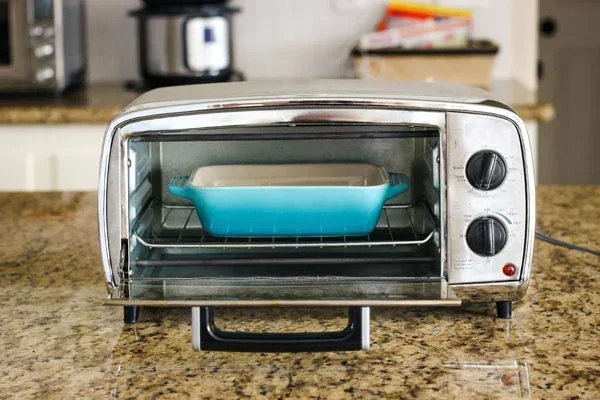
A small ceramic baking dish is perfect for toaster oven use. It fits well in the compact space, heats evenly, and looks great for serving. Look for dishes that are 8 to 9 inches across — the ideal size for most toaster ovens.
Ceramic Ramekins
Ceramic ramekins are excellent for individual servings. They handle toaster oven heat well and are great for dishes like scrambled eggs, baked eggs, or small casseroles. Most ramekins are oven-safe up to 400°F or higher.
Ceramic Baking Trays and Sheets
A ceramic baking tray works just like a metal sheet pan but with better heat retention. Ceramic trays are ideal for reheating pizza, toasting bread, or baking small batches of cookies in a toaster oven.
Ceramic Mugs and Bowls
Many ceramic mugs and bowls are oven-safe, but not all of them. If you want to warm up soup or bake a small dessert in a mug, make sure it is labeled as heat-resistant ceramic. Avoid mugs with metallic designs or hand-painted decorations.
| Ceramic Type | Oven Safe? | Best For | Max Temp |
|---|---|---|---|
| Stoneware | Yes | Baking, reheating, serving | 450°F+ |
| Porcelain | Yes | Baking, roasting, broiling | 500°F+ |
| Earthenware | Sometimes | Low-temp cooking only | 350°F |
| Decorative Ceramic | Usually No | Display only | N/A |
| Ceramic Bakeware | Yes | Baking, toasting, reheating | 450°F |
This table gives you a quick reference when choosing ceramic for your toaster oven. Always double-check the specific product guidelines, as brands vary.
Common Mistakes to Avoid with Ceramic in a Toaster Oven
Even with the best ceramic dish, mistakes happen. Here are the most common errors people make when using ceramic in a toaster oven — and how to avoid them.
Using Decorative or Hand-Painted Ceramic
That beautiful hand-painted ceramic plate looks stunning on the table, but it is probably not designed for oven use. Decorative ceramics often contain paints, glazes, or metals that cannot handle high heat. They may crack, release harmful fumes, or damage your toaster oven.
Always reserve decorative ceramic for display only. Use plain, oven-safe ceramic for cooking and reheating.
Skipping the Oven-Safe Check
Many people assume all ceramic is oven-safe. It is not. Skipping the check can lead to a broken dish, ruined food, and even a trip to the emergency room if the ceramic shatters inside the toaster oven.
Make it a habit to flip every dish over and look for the oven-safe symbol before using it. It takes five seconds and saves you a lot of trouble.
Overheating the Ceramic
Every ceramic dish has a temperature limit. Exceeding that limit — even by a small margin — can cause it to crack. Most toaster ovens can reach 450°F or more, so you need to know your dish’s limit.
If your ceramic is rated for 400°F, do not set your toaster oven to 450°F and place the dish inside. Stick to the recommended temperature at all times.
Placing Hot Ceramic on Cold Surfaces
This is one of the most common causes of ceramic cracking. After removing a hot ceramic dish from the toaster oven, people often set it directly on a cold countertop or a wet towel. The sudden temperature drop causes thermal shock and can crack the dish instantly.
Always use a wooden board, trivet, or heat-safe mat. Give your ceramic a safe place to cool down.
Expert Insights on Using Ceramic in Toaster Ovens
We spoke with home kitchen experts and ceramic specialists to get their top advice on using ceramic in toaster ovens. Here is what they had to say.
Start Low and Go Slow
Most experts recommend starting with a lower temperature than you think you need. Let the ceramic warm up gradually, and then increase the heat if necessary. This approach minimizes thermal stress and extends the life of your ceramic dishes.
Invest in Quality Ceramic
Cheaper ceramic may seem like a good deal, but it often lacks the density and glaze quality needed for safe oven use. Investing in a few high-quality, oven-safe ceramic pieces pays off in the long run. They cook better, last longer, and are far less likely to crack.
Know Your Toaster Oven
Every toaster oven is different. Some run hotter than others. Some have hot spots in certain areas. Get to know your specific model by running a few test bakes. Once you understand how your toaster oven distributes heat, you can adjust your ceramic use accordingly.
Key Takeaways
- Ceramic can go in a toaster oven safely when it is labeled oven-safe and rated for high temperatures.
- Stoneware and porcelain are the best ceramic choices for toaster oven cooking and reheating.
- Thermal shock causes most ceramic cracking, so always let dishes warm up gradually.
- Avoid decorative, hand-painted, or metallic ceramic in a toaster oven at all costs.
- Follow simple precautions: room temperature before cooking, moderate temperatures, and proper cooling surfaces.
- Check the manufacturer guidelines for every ceramic dish before using it in a toaster oven.
- Invest in quality oven-safe ceramic for the best results and long-lasting durability.
Conclusion
So, can you put ceramic in a toaster oven? Absolutely. The key is choosing the right ceramic and treating it with care. When you use oven-safe stoneware or porcelain, follow gradual heating practices, and avoid sudden temperature changes, your ceramic dishes will serve you well for years.
Using ceramic in a toaster oven is not complicated, but it does require a little attention. Check the label, respect the temperature limits, and always let your ceramic warm up slowly. These small habits make a huge difference in preventing cracks and keeping your dishes in great shape.
Next time you reach for that ceramic dish to reheat last night’s dinner or bake a small batch of brownies, you will know exactly what to do. Your toaster oven and your ceramic are a great team — as long as you treat them right.
Start with these tips today, and you will enjoy safe, delicious meals from your toaster oven every single time. The right ceramic in the right toaster oven makes cooking easier, faster, and more enjoyable for everyone in your kitchen.
Frequently Asked Questions
Can any ceramic dish go in a toaster oven?
No, not every ceramic dish is safe for a toaster oven. Only ceramic that is labeled oven-safe and rated for high temperatures should be used. Decorative, hand-painted, or metallic-finished ceramics should never go in a toaster oven because they can crack, release harmful fumes, or damage the appliance.
What temperature can ceramic handle in a toaster oven?
Most oven-safe ceramic dishes can handle temperatures between 400°F and 500°F. However, you should always check the manufacturer’s guidelines for the specific temperature rating. Staying within the recommended range prevents cracking and extends the life of your ceramic dish.
Why did my ceramic crack in the toaster oven?
Ceramic usually cracks due to thermal shock, which happens when there is a sudden temperature change. Placing a cold ceramic dish into a hot toaster oven or setting a hot dish on a cold surface are the most common causes. Always let ceramic warm up gradually and use a trivet or heat-safe mat for cooling.
Is stoneware safe in a toaster oven?
Yes, stoneware is generally safe in a toaster oven as long as it is labeled oven-safe. Stoneware is dense, thick, and designed to handle high heat. Just make sure it does not have any metallic decorations, and avoid sudden temperature changes to prevent cracking.
Can I put a ceramic mug in a toaster oven?
You can put a ceramic mug in a toaster oven only if it is labeled oven-safe. Many ceramic mugs are not designed for high-heat cooking and may crack. If you want to warm a drink or bake a small dessert in a mug, check the bottom for an oven-safe symbol first.
How do I know if my ceramic is oven-safe?
Look for an oven-safe symbol or text on the bottom of the ceramic dish. The symbol usually looks like a small oven with wavy lines. You can also check the manufacturer’s website or packaging for temperature ratings. When in doubt, contact the manufacturer directly before using the dish in a toaster oven.