How To Make A Nice Coffee With Milk Perfectly At Home
There’s nothing quite like a warm cup of nice coffee with milk to start your morning right. Making coffee with milk at home lets you customize every sip to your exact taste, whether you prefer it light and creamy or bold and rich. This guide covers everything you need to know, from choosing the best milk for coffee to mastering the perfect coffee and milk ratio.
There’s nothing quite like a warm cup of nice coffee with milk to start your morning right. Making coffee with milk at home lets you customize every sip to your exact taste, whether you prefer it light and creamy or bold and rich. This guide covers everything you need to know, from choosing the best milk for coffee to mastering the perfect coffee and milk ratio. You’ll discover simple coffee brewing methods, helpful tips, and common mistakes to avoid. By the end, you’ll be making a perfect coffee drink with milk that rivals any café.
Making a nice coffee with milk at home is one of the simplest pleasures in life. Whether you’re a seasoned coffee drinker or just starting your morning routine, adding milk to your brew opens up a world of flavor and texture. A good cup of coffee with milk can feel like a warm hug on a cold morning or a refreshing pick-me-up after a long day.
The beauty of making milk coffee at home is that you don’t need expensive equipment or years of training. With a few basic tools and some simple tips, you can create a creamy, flavorful drink that suits your personal taste. This article will walk you through every step, from selecting the right milk to pulling the perfect brew.
Key Takeaways
- Pick the right milk: Whole milk creates the creamiest texture, but oat and almond milk are great alternatives for different dietary needs.
- Master the coffee and milk ratio: A 1:2 ratio of coffee to milk is a great starting point for a balanced, flavorful cup.
- Choose the right brewing method: Whether you use a French press, stovetop moka pot, or drip machine, the method affects the final taste significantly.
- Steam or froth your milk properly: Heating milk to the right temperature (150-160°F) creates a velvety, microfoamed texture perfect for latte art.
- Avoid common mistakes: Using boiling milk, over-extracting your coffee, or skipping the preheating step can ruin an otherwise perfect cup.
- Experiment with flavors: Adding vanilla, cinnamon, or cocoa powder can elevate your homemade milk coffee to café quality.
- Use freshly ground beans: The grind size matters a lot for extraction and overall flavor in your milk coffee recipe.
📑 Table of Contents
- Why Coffee With Milk Is The Perfect Morning Drink
- Choosing The Best Milk For Your Nice Coffee With Milk
- Best Coffee Brewing Methods For Milk Coffee
- Step-By-Step Guide To Making Nice Coffee With Milk
- Tips And Tricks For The Perfect Cup
- Common Mistakes To Avoid When Making Coffee With Milk
- What To Pair With Your Nice Coffee With Milk
- Conclusion
Why Coffee With Milk Is The Perfect Morning Drink
Coffee with milk has been a beloved drink for centuries, and for good reason. The combination of bold coffee and creamy milk creates a balanced flavor profile that appeals to almost everyone. Unlike black coffee, which can be intense and bitter, a milky coffee drink softens those sharp edges and adds a smooth, comforting quality.
The Comfort Factor
There’s a reason why so many people reach for a latte or cappuccino instead of a straight espresso. The steamed milk in a homemade latte creates a soothing, almost dessert-like experience. It’s no wonder that coffee drink recipes featuring milk remain the most popular choices in cafes around the world. When you make this at home, you get that same comfort in your own kitchen.
Health Benefits Of Coffee With Milk
Adding milk to your coffee isn’t just about taste. Milk brings protein, calcium, and vitamins into your morning cup. A creamy coffee drink made with whole milk or a plant-based alternative can be a more nutritious choice than black coffee alone. The milk also helps neutralize some of the acidity in coffee, which can be gentler on your stomach.
If you’re watching your calorie intake, you can always adjust the type of milk you use. Skim milk, oat milk, or almond milk all add creaminess with fewer calories than whole milk. The beauty of making coffee at home is that you control exactly what goes into your cup.
Choosing The Best Milk For Your Nice Coffee With Milk
The type of milk you choose plays a huge role in the final taste and texture of your drink. Not all milk is created equal when it comes to coffee preparation, and understanding your options will help you make the best choice every time.
Whole Milk Vs. Skim Milk
Whole milk is the classic choice for a reason. Its higher fat content creates a rich, creamy texture that blends beautifully with coffee. The natural sweetness of whole milk also helps balance the bitterness of the brew. If you want the most authentic café experience at home, whole milk is your best bet.
Skim milk, on the other hand, is a lighter option that still froths well. It produces a foamier texture, which works great for cappuccinos. The trade-off is a slightly less creamy mouthfeel. Both options are perfectly valid, and the choice really comes down to your personal preference and dietary goals.
Plant-Based Milk Options
Oat milk has become a favorite among coffee lovers in recent years, and for good reason. It froths exceptionally well and has a naturally sweet, mild flavor that complements coffee perfectly. Almond milk is another popular choice, though it can be a bit thinner. Soy milk is a classic plant-based option that steams and froths nicely, making it a great all-around choice for your morning brew.
When using plant-based milks, look for barista versions if possible. These are specially formulated to foam and steam better than regular grocery store varieties. They also tend to have a more neutral flavor that won’t overpower your coffee.
The Coffee And Milk Ratio
Getting the coffee and milk ratio right is essential for a balanced cup. A good starting point is 1:2, meaning one part coffee to two parts milk. This creates a creamy, mild drink that lets the coffee flavor shine through without being overwhelmed. If you prefer a stronger coffee taste, try a 1:1 ratio instead.
For a classic latte, you’ll want more steamed milk and less foam. For a cappuccino, equal parts espresso, steamed milk, and foam create a richer, more textured drink. Experiment with different ratios until you find what works best for your taste buds.
Best Coffee Brewing Methods For Milk Coffee
The method you use to brew your coffee has a big impact on the final result. Some methods work better with milk than others, and choosing the right one can make all the difference in your homemade latte or creamy coffee drink.
Stovetop Method
The stovetop method is one of the most traditional ways to make coffee with milk. You simply brew your coffee on the stove using a moka pot or a simple drip method, then heat your milk separately on the stove or in the microwave. This gives you full control over both the coffee strength and the milk temperature.
This method works well because you can brew a strong, concentrated coffee that holds its own against the milk. The key is to not let the milk boil, as this can cause a skin to form and change the texture. Heat the milk gently and stir it occasionally for the best results.
French Press Method
A French press is another excellent option for making coffee with milk at home. The immersion brewing method extracts a full, rich flavor that pairs beautifully with cream. Simply brew your coffee in the French press as usual, then add warmed milk directly to the press or pour it into your cup.
One advantage of the French press is that the longer steeping time brings out more of the coffee’s natural oils and flavors. This creates a robust base that stands up well to milk. If you want to try a different brewing approach, how to make coffee without a filter or machine is a great resource that covers several simple methods you can try right away.
Using A Coffee Machine
Drip coffee machines and espresso machines are popular choices for making milk coffee at home. With a drip machine, you brew your coffee as usual and heat the milk separately. With an espresso machine, you can pull a shot directly into your milk for an authentic latte or cappuccino experience.
If you’re using an espresso machine, the steam wand is your best friend. It heats and froths the milk simultaneously, creating that silky microfoam that cafes are known for. Practice makes perfect with this technique, so don’t be discouraged if your first few attempts aren’t flawless.
The Role Of Grind Size
Your grind size affects how your coffee extracts and ultimately how it tastes with milk. Coarser grinds work well for French press and drip methods, while finer grinds are better for espresso. The extraction process matters a lot, and understanding it will help you make better coffee every time. Grinding coffee beans finer can make your brew stronger and more flavorful, but be careful not to grind too fine or you’ll end up with a bitter, over-extracted cup.
Step-By-Step Guide To Making Nice Coffee With Milk
Now that you understand the basics, let’s walk through the process of making a perfect cup of coffee with milk at home. Follow these steps and you’ll be enjoying a creamy, delicious drink in no time.
What You’ll Need
- Freshly roasted coffee beans or pre-ground coffee
- Your preferred brewing device (French press, moka pot, or drip machine)
- Milk of your choice (whole milk, oat milk, almond milk, etc.)
- A small saucepan or microwave for heating milk
- A milk frother or whisk (optional but recommended)
- Your favorite mug
The Brewing Process
Start by brewing your coffee using your preferred method. For the best results, use fresh, filtered water and measure your coffee carefully. A good rule of thumb is two tablespoons of ground coffee per six ounces of water. Let the coffee brew fully and then set it aside while you prepare the milk.
If you’re using a coffee at home setup that includes an espresso machine, pull your shot now. The coffee should be rich, aromatic, and full of crema. If you’re using a French press or drip machine, make sure the coffee is hot but not scorching before you add the milk.
Adding And Steaming The Milk
Pour your milk into a small saucepan and heat it over medium-low heat. Stir it gently and watch for small bubbles forming around the edges. The ideal temperature is between 150 and 160 degrees Fahrenheit. If the milk gets too hot, it will lose its sweetness and develop a burnt taste.
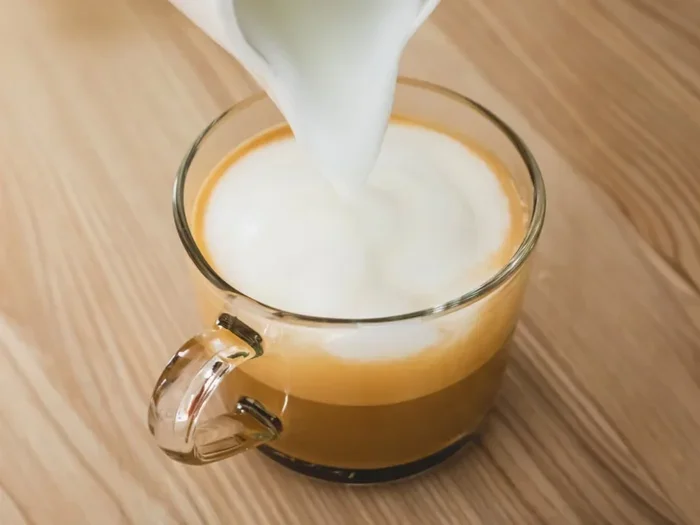
Once the milk is heated, use a frother or whisk to create a creamy foam. Hold the frother just below the surface of the milk and move it in small circles. This creates tiny, uniform bubbles that give your coffee that smooth, velvety texture. Pour the steamed milk into your coffee slowly, holding back the foam with a spoon.
For a more homemade latte experience, try pouring the milk from a higher position and then tilting the cup. This technique helps create simple coffee art that makes your drink look as good as it tastes.
Flavor Enhancements
Once you’ve mastered the basics, you can start experimenting with flavors. A dash of vanilla extract, a sprinkle of cinnamon, or a drizzle of caramel can transform your cup of coffee with milk into something truly special. Cocoa powder works wonderfully in hot chocolate-style coffee drinks. The possibilities are endless, and part of the fun is discovering your own favorite combinations.
Tips And Tricks For The Perfect Cup
Making a great cup of coffee with milk is all about paying attention to the small details. These tips will help you elevate your morning routine and get barista-level results at home.
Temperature Matters
Both your coffee and your milk should be hot but not boiling. Cold milk in hot coffee can lower the temperature too quickly and create an unpleasant drinking experience. Similarly, boiling milk can scorch and develop a bad taste. Aim for a warm, comfortable drinking temperature for the best results.
Frothing Milk At Home
You don’t need an expensive espresso machine to get frothy milk. A simple handheld milk frother costs just a few dollars and works wonders. You can also froth milk in a jar by shaking it vigorously for about 30 seconds and then microwaving it for 30 seconds. The result isn’t as fine as steamed milk, but it’s still creamy and delicious.
Preheating Your Mug
This is a tip that many people overlook. Pouring hot coffee into a cold mug causes the temperature to drop quickly, which affects the flavor and texture. Run hot water over your mug for a few seconds before you start brewing. This small step makes a big difference in keeping your coffee warm and flavorful.
Freshness Is Key
Use freshly roasted coffee beans whenever possible. Grind them just before brewing for the best flavor. Stale coffee beans or pre-ground coffee that has been sitting in the pantry for weeks will produce a flat, uninspiring cup. The difference in flavor is noticeable, especially when you add milk, because milk can amplify the weaknesses of low-quality coffee.
Common Mistakes To Avoid When Making Coffee With Milk
Even experienced home baristas make mistakes sometimes. Being aware of these common pitfalls will help you avoid them and consistently make a better cup of coffee.
Using boiling milk: This is the most common mistake people make. Boiling milk scorches it, creating a burnt taste and an unpleasant texture. Always heat milk gently and remove it from the heat before it reaches a rolling boil.
Skipping the preheating step: A cold mug or cold milk can bring down the temperature of your coffee too quickly. Take the extra minute to warm your mug and heat your milk properly.
Using the wrong coffee-to-milk ratio: Too much milk and you lose the coffee flavor entirely. Too little milk and the drink is too strong and bitter. Start with the 1:2 ratio and adjust from there based on your personal preference.
Not cleaning your equipment: Residue from previous brews can affect the taste of your coffee. Make sure your French press, moka pot, or espresso machine is clean before each use. This simple habit goes a long way toward maintaining great flavor.
Using low-quality milk: The quality of your milk matters just as much as the quality of your coffee. Fresh, high-quality milk creates a much better drink than milk that’s been sitting in the fridge for too long. Check expiration dates and store milk properly.
What To Pair With Your Nice Coffee With Milk
A great cup of coffee with milk pairs wonderfully with a light breakfast or afternoon snack. If you’re making a morning routine around your drink, consider adding something simple and satisfying on the side. A warm pastry, a piece of toast with butter, or even a crispy breakfast treat can complement your creamy coffee drink perfectly.
For a hearty breakfast option, try making a savory dish alongside your coffee. Something like making bacon in the oven without parchment paper is a quick and easy way to prepare a delicious breakfast that pairs beautifully with a warm cup of coffee. The salty, savory flavor of bacon balances the sweetness of milky coffee wonderfully, creating a complete and satisfying morning meal.
Conclusion
Making a nice coffee with milk at home is a skill anyone can learn. With the right milk, the proper brewing method, and a little practice, you can create a creamy, flavorful drink that rivals anything from your favorite café. Start with the basics, experiment with different milks and ratios, and don’t be afraid to try new flavor combinations.
The most important thing is to enjoy the process. Coffee preparation at home should be a pleasant ritual, not a chore. Whether you prefer a simple cup of coffee with cream or a fancy homemade latte with latte art, the key is to make it your own. So grab your favorite mug, heat up some milk, and brew yourself the perfect cup of nice coffee with milk today.
Frequently Asked Questions
What is the best milk for coffee?
Whole milk is widely considered the best milk for coffee because its fat content creates a rich, creamy texture. However, oat milk has become a popular alternative due to its excellent frothing ability and naturally sweet flavor. The best milk for you depends on your dietary preferences and taste. Experiment with different types to find your perfect match for your homemade latte or creamy coffee drink.
Can I use non-dairy milk in my coffee?
Absolutely. Non-dairy milks like oat milk, almond milk, and soy milk all work well in coffee with milk recipes. Oat milk is especially popular because it froths beautifully and has a neutral, slightly sweet flavor. Look for barista-specific versions of plant-based milks, as they are formulated to steam and foam better than regular grocery store options.
How do I froth milk without a frother?
You can froth milk without a dedicated frother by using a simple mason jar. Pour milk into the jar, fill it about one-third full, and shake it vigorously for 30 to 60 seconds until the milk becomes frothy. Then microwave the jar for 30 seconds to stabilize the foam. You can also use a whisk or a fork to beat the milk by hand, though it takes a bit more effort.
What is the ideal temperature for milk in coffee?
The ideal temperature for milk in coffee is between 150 and 160 degrees Fahrenheit. At this range, the milk is hot enough to complement your coffee but not so hot that it loses its natural sweetness or develops a burnt taste. If you’re using a steam wand, aim for a temperature where the milk feels warm but comfortable to touch on the outside of the pitcher.
How do I make a latte at home?
To make a latte at home, brew a strong shot of espresso or a concentrated cup of coffee using your preferred method. Heat milk on the stove or in the microwave to 150-160°F, then froth it using a milk frother or whisk. Pour the frothed milk into the coffee, holding back the foam with a spoon. For a classic latte, use about one-third coffee and two-thirds steamed milk with a thin layer of foam on top.
Why does my coffee taste bitter even with milk?
Bitterness in coffee with milk is usually caused by over-extraction, which happens when the coffee grounds are too fine or the brew time is too long. It can also result from using low-quality or stale coffee beans. Using boiling water instead of hot water (below 205°F) can also extract too many bitter compounds. Try adjusting your grind size, using fresh beans, and checking your water temperature to reduce bitterness in your creamy coffee drink.