What Coffee Goes In A Coffee Maker And Why It Matters
Choosing the right coffee for your coffee maker is simpler than you think. Whether you use a drip machine, single-serve pod system, or espresso maker, the type of coffee grounds, roast level, and grind size all play a huge role in the final cup. This guide breaks down exactly what coffee goes in a coffee maker and why it matters for taste and machine health.
What coffee goes in a coffee maker might seem like a simple question. But the answer has more depth than most people realize. The type of coffee you use, how it’s ground, and even the roast level all affect the taste, strength, and quality of your brew. Using the wrong coffee can lead to weak, bitter, or muddy flavors. It can also affect how long your machine lasts.
Many people grab whatever bag of coffee is on the shelf without thinking twice. That is a missed opportunity. The right coffee for your specific coffee maker can turn an ordinary morning cup into something truly great. Let us walk through everything you need to know about choosing the best coffee for your machine.
Key Takeaways
- Grind size matters: Different coffee makers need different grind sizes for the best extraction.
- Roast level changes everything: Light, medium, and dark roasts each produce distinct flavors in a coffee maker.
- Freshness is key: Whole bean coffee ground just before brewing gives the best results.
- Coffee-to-water ratio: Getting this right prevents weak or bitter coffee every time.
- Not all coffee makers are the same: Each type requires a specific kind of coffee for optimal performance.
- Avoid pre-ground coffee when possible: It loses flavor faster and may not be the ideal grind size.
📑 Table of Contents
Understanding Your Coffee Maker Type
Not all coffee makers work the same way. Each type has its own design, brewing method, and ideal coffee match. Before you pick out beans or grounds, it helps to know what kind of machine you have. Different machines also have different kitchen appliance requirements and settings. For example, some people also use a toaster oven for warming pastries alongside their morning brew, but the coffee maker deserves just as much attention when it comes to setup.
Drip Coffee Makers
Drip coffee makers are the most common type found in homes and offices. They work by heating water and dripping it through a basket of coffee grounds. The water passes through a paper or reusable filter and drips into a carafe below.
These machines work best with medium grind coffee. The grind size is similar to sand. If the grounds are too fine, they can clog the filter and slow down the brewing process. If they are too coarse, the water passes through too quickly and the coffee tastes weak.
Drip coffee makers also work well with medium roast beans. Medium roast offers a balanced flavor profile that suits the slower brewing process. Light roasts can work too, but they may produce a thinner cup. Dark roasts are fine as well, though they can taste slightly bitter in a drip machine if the grind is too fine.
Single-Serve Coffee Machines
Single-serve machines like Keurig or Nespresso use pods or capsules to brew one cup at a time. These machines are convenient and fast. They are perfect for people who want a quick cup without brewing a full pot.
With single-serve machines, you typically use pre-packaged pods. However, some models allow you to use your own ground coffee. In that case, you need a fine to medium-fine grind. The machine uses pressure to push water through the grounds, so the coffee needs to be ground finely enough for proper extraction.
Espresso Machines
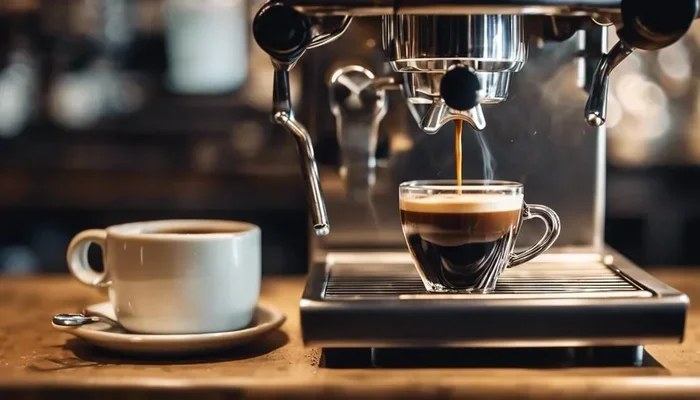
Espresso machines force hot water through finely ground coffee at high pressure. This creates a concentrated, rich shot of coffee. Espresso is the base for drinks like lattes, cappuccinos, and americanos.
For espresso machines, you need a very fine grind, almost like powdered sugar. The extraction happens quickly under pressure, so the grounds must be small enough to slow the water just enough. Espresso beans are often roasted dark or medium-dark, but medium roasts also work well and offer more complex flavors.
Some people also compare kitchen appliances like an air fryer toaster oven for their versatility, and similarly, espresso machines offer versatility in drink options. But the key is matching the right coffee to the right machine.
French Press and Pour-Over Makers
French press and pour-over makers are manual brewing methods that many coffee lovers prefer. They give you more control over the brewing process.
French press requires a coarse grind. The coffee sits in hot water for several minutes, and the metal filter separates the grounds from the liquid. A coarse grind prevents fine particles from slipping through and creating a gritty cup.
Pour-over makers also work best with a medium-coarse grind. The water passes through the grounds by gravity alone, so the extraction is slower than drip but faster than French press. Medium-coast gives a clean, well-balanced cup.
What Kind of Coffee to Use: Ground vs. Whole Bean
One of the most important decisions is whether to buy whole bean coffee or pre-ground coffee. This choice affects freshness, flavor, and convenience.
Whole Bean Coffee
Whole bean coffee stays fresh longer because the oils and flavors are sealed inside the bean. Once you grind the beans, they start to lose flavor quickly. For the best cup of coffee, grind the beans just before brewing.
Whole beans give you full control over grind size. You can adjust it to match your specific coffee maker. This is the preferred choice for serious coffee drinkers who want the best possible flavor.
Pre-Ground Coffee
Pre-ground coffee is convenient and widely available. You can find it in most grocery stores. It saves time and requires no extra equipment.
However, pre-ground coffee loses freshness faster. The flavors start to fade within days of opening the bag. Also, pre-ground coffee is usually ground to a medium consistency, which may not be ideal for all coffee makers. If you use pre-ground coffee, try to use it within two weeks of opening the bag.
The Freshness Factor
Freshness is one of the biggest factors in coffee taste. Coffee beans start to go stale after about two to four weeks of being roasted. Stale beans produce flat, lifeless coffee. When possible, buy beans with a roast date printed on the bag. Look for beans roasted within the last two weeks for the best flavor.
Roast Levels and How They Affect Your Brew
Coffee beans come in three main roast levels: light, medium, and dark. Each roast level brings out different flavors and works differently in various coffee makers.
Light Roast
Light roast beans are roasted for a shorter time. They have a light brown color and no oil on the surface. Light roasts preserve the original flavors of the coffee bean, including fruity, floral, and acidic notes.
Light roasts work well in pour-over and French press makers. They also work in drip machines, though the flavor can be lighter and more delicate. Light roasts are not typically used for espresso because they do not produce the rich, bold flavor that espresso drinkers expect.
Medium Roast
Medium roast is the most versatile roast level. It has a medium brown color and a balanced flavor profile. Medium roasts offer a mix of the bean’s original flavors and the roast flavors, including caramel, nuts, and chocolate notes.
Medium roast works well in almost every type of coffee maker. It is the go-to choice for drip machines and single-serve systems. It also works in espresso machines, though many baristas prefer medium-dark for espresso.
Dark Roast
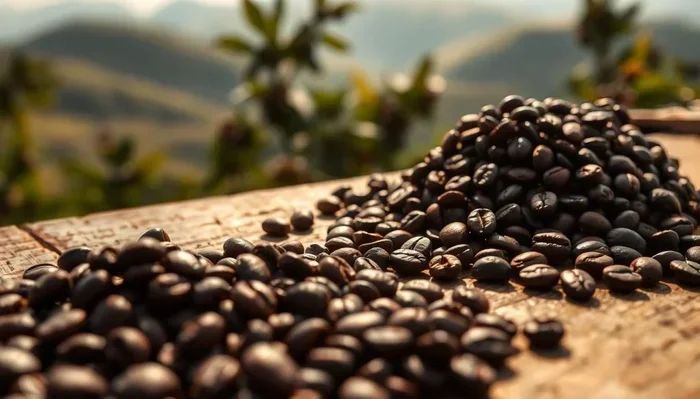
Dark roast beans are roasted the longest. They have a dark brown or almost black color and an oily surface. Dark roasts have bold, smoky, and bitter flavors. The original bean flavors are mostly replaced by the roast flavors.
Dark roasts work well in espresso machines and drip coffee makers. They produce a strong, bold cup. However, dark roasts can taste bitter if the grind is too fine or the brew time is too long. Use a slightly coarser grind with dark roasts to avoid over-extraction.
Coffee-to-Water Ratio: Getting It Right
The ratio of coffee to water is just as important as the type of coffee you use. Too much coffee makes the drink bitter and overpowering. Too little coffee makes it weak and watery.
The general rule of thumb is to use about two tablespoons of coffee for every six ounces of water. This is a good starting point for most coffee makers. You can adjust the ratio to suit your taste. If you like stronger coffee, add a little more grounds. If you prefer a milder cup, use a bit less.
For espresso machines, the ratio is different. A single espresso shot uses about seven grams of coffee for one ounce of water. This is much more concentrated than drip coffee.
Using a kitchen scale to measure your coffee and water can help you get the ratio right every time. Scoops can be inconsistent, and the amount of coffee in each scoop can vary. A scale gives you precision and consistency.
Why It Matters: The Impact of Choosing the Right Coffee
Choosing the right coffee for your coffee maker is not just about taste. It also affects your machine and your overall coffee experience.
Flavor and Taste
The most obvious reason to choose the right coffee is flavor. The wrong grind size, roast level, or coffee type can completely ruin a cup. Using coarse grounds in an espresso machine, for example, will produce a weak, sour shot. Using fine grounds in a French press will create a gritty, unpleasant drink.
Matching the coffee to the machine ensures that the water interacts with the grounds for the right amount of time and at the right pressure. This is the foundation of a great cup.
Machine Performance and Longevity
Using the wrong coffee can also damage your machine. Fine grounds can clog filters and tubes in drip coffee makers. They can also get into the carafe and create a mess. In single-serve machines, the wrong grind size can cause the machine to malfunction or produce inconsistent results.
Keeping your machine clean and using the right coffee extends its lifespan. Regular maintenance and the right coffee go hand in hand for the best performance.
Consistency
Once you find the right coffee and settings for your machine, you can reproduce the same great cup every time. Consistency is one of the biggest benefits of understanding your coffee maker and what goes in it. You will never have to guess again.
Quick Tips for the Perfect Cup
Here are some fast, practical tips to help you get the best results from your coffee maker:
- Use filtered water. The water makes up over 98 percent of your coffee. Good water means better taste.
- Grind beans just before brewing. This preserves the freshness and flavor of the coffee.
- Store coffee in an airtight container. Keep beans away from light, heat, and moisture.
- Clean your machine regularly. Remove old grounds and run a cleaning cycle monthly.
- Experiment with ratios. Adjust the coffee-to-water ratio until you find your perfect cup.
- Check the grind size for your machine type. Match the grind to the brewing method for the best extraction.
- Buy fresh beans. Look for a roast date and use beans within a month of roasting.
Common Mistakes to Avoid
Even experienced coffee drinkers make mistakes. Here are a few common ones to watch out for:
- Using the wrong grind size. This is the most common mistake. Always match the grind to your coffee maker type.
- Using old or stale coffee. Stale beans produce flat, flavorless coffee. Check the roast date before buying.
- Ignoring the coffee-to-water ratio. Too much or too little coffee throws off the entire cup.
- Skipping machine cleaning. Built-up oils and residue affect the taste of every brew.
- Using boiling water. Water that is too hot can scorch the coffee grounds and create a bitter taste. Let boiled water cool for about 30 seconds before brewing.
Final Thoughts
So, what coffee goes in a coffee maker? The answer depends on your machine type, your taste preferences, and how much effort you want to put in. Whether you use a simple drip machine, a single-serve pod system, or a professional espresso maker, there is a perfect coffee match for you.
The key takeaways are simple. Use the right grind size for your machine. Choose a roast level that suits your taste. Buy fresh beans and grind them just before brewing. Pay attention to the coffee-to-water ratio. And keep your machine clean.
When you get all of these factors right, your morning coffee transforms from a routine into a ritual. The extra effort is worth it. A great cup of coffee starts with great coffee grounds and the right machine. Take the time to understand your coffee maker, and it will reward you with better flavor, better consistency, and a longer lifespan.
Start experimenting today. Try a new roast, adjust your grind, or switch from pre-ground to whole beans. Small changes can make a big difference. Your perfect cup is waiting.
Frequently Asked Questions
Can I use any coffee in a drip coffee maker?
You can, but medium grind coffee with a medium roast gives the best results. Avoid using espresso grind or very coarse grounds, as they will produce weak or clogged brews. Matching the grind size to the machine is the key to a good cup.
Is it better to use whole bean or pre-ground coffee?
Whole bean coffee is better for freshness and flavor. You grind it just before brewing, which preserves the oils and aromas. Pre-ground coffee is more convenient but loses flavor faster. If you use pre-ground, try to use it within two weeks of opening the bag.
What grind size should I use for a French press?
Use a coarse grind for a French press. The coffee sits in hot water for several minutes, and a coarse grind prevents fine particles from slipping through the metal filter. It also ensures proper extraction without overdoing it.
Can I use dark roast coffee in a drip coffee maker?
Yes, dark roast works in a drip coffee maker. It produces a bold, strong cup. Just be careful with the grind size. Use a medium grind to avoid over-extraction, which can make the coffee taste bitter.
How much coffee should I use per cup?
The standard ratio is two tablespoons of coffee for every six ounces of water. You can adjust this based on your taste preferences. Using a kitchen scale helps you get the ratio consistent every time.
Does the type of coffee affect the coffee maker’s lifespan?
Yes, it does. Using the wrong grind size or old, stale coffee can cause buildup and clogs in your machine. This can reduce performance over time. Using the right coffee and cleaning your machine regularly helps it last longer.
=== CONCLUSION ===
Understanding what coffee goes in a coffee maker is one of the simplest ways to improve your daily brew. The right grind size, roast level, and coffee type make a noticeable difference in every cup. Whether you prefer light and fruity or dark and bold, there is a perfect coffee waiting for your machine. Take the time to match your coffee to your brewer, and you will taste the difference from the very first sip. Great coffee starts with great choices, and now you have the knowledge to make them.