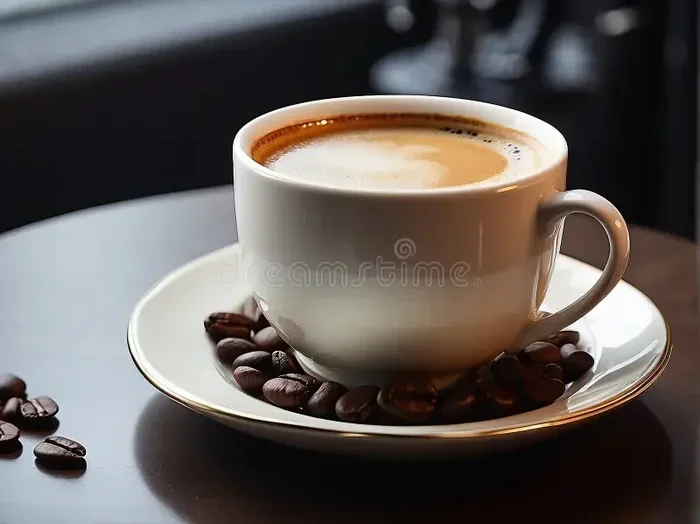
Brewed Coffee Maker Tips to Make the Perfect Cup at Home
A brewed coffee maker is the heart of every great morning routine, and mastering it is easier than you think. This guide covers everything from choosing the right machine and perfecting your grind size to nailing water temperature and brew ratios. You will learn practical, science-backed tips that transform ordinary coffee into something extraordinary — right in your own kitchen.
There is something magical about waking up to the smell of freshly brewed coffee filling your kitchen. A brewed coffee maker does more than just make caffeine — it sets the tone for your entire morning. Whether you are a casual coffee drinker or someone who treats every cup like a ritual, getting the brew right at home changes everything.
But here is the truth many people overlook. A great cup of coffee is not just about the machine you use. It is about the choices you make before and during the brewing process. From the grind size to the water temperature, every tiny detail adds up. In this guide, we will walk you through everything you need to know about using a brewed coffee maker to make the perfect cup at home. You do not need to be a barista. You just need the right knowledge and a little patience.
We will cover the types of machines available, how to choose the best one for your needs, and practical tips that actually work. We will also talk about common mistakes that ruin coffee flavor and how to fix them. By the end, you will have the confidence to brew café-quality coffee every single morning. Let us get started.
Key Takeaways
- Choose the right brewed coffee maker: Match your machine to your taste preferences and lifestyle for the best results.
- Grind size matters enormously: Freshly ground beans extract better and create a richer, more balanced cup.
- Water temperature is critical: The sweet spot for brewing is between 195°F and 205°F for optimal extraction.
- Perfect your brew ratio: A 1:15 or 1:16 coffee-to-water ratio delivers a clean, well-balanced flavor profile.
- Clean your machine regularly: Mineral buildup and old oils ruin coffee taste faster than most people realize.
- Use fresh, quality beans: The quality of your coffee beans directly impacts the final cup more than any other factor.
- Experiment and adjust: Small tweaks to time, temperature, and ratio can dramatically change your coffee flavor.
📑 Table of Contents
- What Is a Brewed Coffee Maker and Why Does It Matter?
- Choosing the Right Brewed Coffee Maker for Your Home
- Essential Tips for Perfecting Your Brewed Coffee Maker Routine
- Common Mistakes That Ruin Your Coffee
- Quick Tips for Better Morning Coffee
- Expert Insights: What Baristas Want You to Know
- Key Takeaways
- Conclusion
What Is a Brewed Coffee Maker and Why Does It Matter?
A brewed coffee maker is any device that extracts flavor from coffee grounds using water. The process is called brewing, and it is the most common way people make coffee at home. Different machines use different methods, but the core science stays the same. Hot water passes through or sits with ground coffee, pulling out oils, flavors, and caffeine. The result is the liquid coffee we all love.
Understanding how your coffee maker machine works helps you make better choices. For example, a drip coffee maker heats water and lets it drip through a basket of grounds. A pour-over setup lets you control the flow manually. A French press steeps grounds in hot water before filtering them out. Each method produces a different coffee flavor profile. Knowing this gives you power. You can choose the method that suits your taste.
Why does this matter so much? Because the wrong method for your preferred taste can leave you disappointed. Someone who loves bold, full-bodied coffee might hate a weak drip brew. A person who enjoys clean, bright flavors might find a French press too muddy. Matching your home brewing method to your taste preferences is the first step toward perfection.
The Science Behind Coffee Brewing
Brewing coffee is essentially a chemical extraction process. Water acts as a solvent. It dissolves soluble compounds from the coffee grounds. These compounds include acids, sugars, oils, and caffeine. The goal is to extract the right balance of these elements. Too little extraction and your coffee tastes sour or weak. Too much extraction and it becomes bitter and harsh.
Several factors control extraction. Water temperature plays a huge role. So does grind size. Brew time matters too. Even the quality of the water itself affects the outcome. A brewed coffee maker that gives you control over these variables lets you fine-tune your cup. This is why many coffee lovers prefer manual methods. They allow adjustments that automatic machines simply cannot offer.
Choosing the Right Brewed Coffee Maker for Your Home
Not all coffee maker machines are created equal. The best one for you depends on your budget, your taste preferences, and how much time you want to spend each morning. Let us break down the most popular options so you can make an informed choice.
Drip Coffee Makers
Drip coffee makers are the most common type found in homes across America. They are simple to use. You fill the reservoir with water, add a filter and grounds, and press start. The machine heats the water and drips it through the coffee. The brewed coffee collects in a carafe below.
These machines are great for making multiple cups at once. They are also very convenient. However, they offer limited control over brewing variables. Water temperature is usually fixed. Brew time is pre-set. If you want to experiment with your coffee brewing technique, a basic drip machine might feel limiting. Still, for everyday convenience, they are hard to beat.
Pour-Over Coffee Makers
Pour-over setups give you total control over the brewing process. You manually pour hot water over coffee grounds in a filter. The water drips through and into your cup or carafe. Popular pour-over devices include the Hario V60, Chemex, and Kalita Wave.
The beauty of pour-over brewing is precision. You control the water temperature, pour speed, and amount of water. This means you can experiment with different coffee recipes until you find your perfect cup. Pour-over coffee often tastes cleaner and more nuanced than drip coffee. The trade-off is time and effort. It takes more hands-on work. But for many coffee lovers, that is part of the joy.
French Press and Immersion Brewers
A French press is a classic immersion brewer. You add coarse coffee grounds to the carafe, pour hot water over them, and let them steep for about four minutes. Then you press down a metal plunger to separate the grounds from the liquid.
Immersion brewing produces a rich, full-bodied cup. The coffee oils stay in the brew because there is no paper filter. This gives French press coffee a heavier mouthfeel and deeper flavor. If you prefer bold, robust coffee, a French press might be your best friend. Just remember that the grind needs to be coarse. Fine grounds will slip through and make your coffee gritty.
Single-Serve and Pod Machines
Single-serve machines like Keurig and Nespresso have exploded in popularity. They use pre-packaged pods or capsules to make one cup at a time. The convenience factor is huge. You press a button and get coffee in under a minute.
However, these machines have limitations. Pod coffee often tastes less fresh than ground coffee. You also have less control over strength and flavor. Some people use reusable pods filled with their own grounds. This is a great way to get the convenience of single-serve while maintaining better coffee quality. It is a smart compromise for busy mornings.
Essential Tips for Perfecting Your Brewed Coffee Maker Routine
Now that you know which type of machine suits you, let us talk about the tips that actually make a difference. These are the small changes that take your morning coffee from average to amazing.
Start with Fresh, Quality Beans
The single most important factor in great coffee is the beans themselves. Always use fresh, high-quality coffee beans. Look for beans with a roast date on the bag, not just an expiration date. Ideally, you should use beans within two to four weeks of roasting. This is when they taste their best.
Store your beans in an airtight container away from light and heat. Do not keep them in the freezer unless you are storing them long-term. Freezer storage can introduce moisture and odors that damage flavor. A cool, dark pantry works perfectly for daily use.
Grind Your Beans Just Before Brewing
Pre-ground coffee loses flavor fast. The moment you grind beans, the oils and aromatic compounds start to dissipate. For the best results, grind your beans right before you brew. A burr grinder gives you consistent particle size, which leads to even extraction. Blade grinders are cheaper but produce uneven grounds, which can cause over- or under-extraction.
Grind size should match your brewing method. Coarse grinds work best for French press. Medium grinds suit drip machines and pour-over setups. Fine grinds are ideal for espresso. If you are curious about how grind size affects strength and flavor, check out our article on will grinding coffee beans finer make it stronger. It explains the science behind grind size and extraction in a simple way.
Get the Water Temperature Right
Water temperature is one of the most overlooked factors in coffee brewing. Too hot, and you over-extract bitter compounds. Too cold, and you under-extract, leaving your coffee sour and weak. The ideal range for brewing is between 195°F and 205°F. That is just below boiling.
If you do not have a thermometer, bring your water to a boil and then let it rest for 30 to 45 seconds. This brings it into the sweet spot. Some brewed coffee maker machines have built-in temperature control. If yours does, take advantage of it. It makes a noticeable difference in the final cup.
Master the Brew Ratio
The brew ratio is the relationship between coffee grounds and water. Getting this right is the foundation of a balanced cup. A standard starting point is the 1:15 or 1:16 ratio. This means 1 gram of coffee for every 15 to 16 grams of water. For a typical 12-ounce cup, that is about 22 to 25 grams of coffee.
Use a kitchen scale for accuracy. Scoops and tablespoons are inconsistent. The size of your grounds and how tightly they are packed changes the weight. A scale removes the guesswork. Once you nail your preferred ratio, you can brew the same great cup every time. If you want to explore different ratios and methods, our guide on how to make coffee without filter or machine offers creative alternatives for home brewing.
Pay Attention to Brew Time
Brew time affects extraction just as much as temperature and ratio. Drip coffee makers typically brew in 5 to 8 minutes. Pour-over coffee takes about 3 to 4 minutes. French press coffee should steep for 4 minutes. Espresso extracts in about 25 to 30 seconds.
If your brew time is too short, the coffee will taste under-extracted and sour. If it is too long, it becomes over-extracted and bitter. Keep an eye on the clock. Small adjustments to brew time can dramatically change the flavor profile. This is one of the easiest ways to fine-tune your coffee taste at home.
Use Clean, Filtered Water
Coffee is about 98 percent water. The quality of your water directly impacts the quality of your brew. Tap water often contains chlorine, minerals, and other impurities that can alter the flavor. Use filtered water for the cleanest taste.
Do not use distilled water either. It lacks the minerals that help extract flavor from coffee grounds. A balanced, filtered water source is the sweet spot. Some coffee enthusiasts even test their water hardness. Very hard water can cause mineral buildup in your machine and affect flavor. Soft to moderately hard water works best for coffee extraction.
Clean Your Brewed Coffee Maker Regularly
This tip is simple but often ignored. Coffee oils and mineral deposits build up inside your machine over time. They create a stale, rancid taste that no amount of fresh beans can fix. Clean your machine at least once a month.
Run a cycle with equal parts white vinegar and water. Follow it up with two to three plain water cycles to rinse out any vinegar taste. For French presses, disassemble the plunger and wash all parts with warm soapy water. For drip machines, replace paper filters every time and wash reusable filters thoroughly. Clean equipment means better coffee flavor every single time.
Common Mistakes That Ruin Your Coffee
Even experienced coffee drinkers make mistakes that hold them back from the perfect cup. Here are the most common errors and how to avoid them.
- Using stale beans: Old coffee loses its aroma and flavor. Always check the roast date.
- Grinding too far in advance: Pre-ground coffee goes flat quickly. Grind just before brewing for maximum freshness.
- Using boiling water: Water at a full boil is too hot and scorches the grounds, creating bitterness.
- Ignoring the ratio: Eyalling amounts leads to inconsistency. A simple scale transforms your results.
- Skipping the rinse: Always rinse your paper filter before brewing. It removes papery taste and preheats the brewer.
- Never descaling: Mineral buildup reduces heating efficiency and taints flavor. Descale every one to three months depending on your water hardness.
Quick Tips for Better Morning Coffee
Want to improve your coffee right now? Here are some quick wins you can implement today:
- Weigh your coffee grounds instead of using scoops.
- Heat your water to 200°F for the ideal extraction temperature.
- Preheat your mug or carafe before brewing.
- Bloom your grounds by pouring a small amount of water first and waiting 30 seconds. This releases CO2 and improves extraction.
- Experiment with one variable at a time so you know what changes what.
- Keep a coffee journal to track your ratios, times, and results.
- Invest in a burr grinder for consistent particle size.
These tips take minimal effort but deliver significant improvements. They are the foundation of any serious morning coffee routine. Try them for a week and you will taste the difference.
Expert Insights: What Baristas Want You to Know
Professional baristas spend years perfecting their craft, but their core principles apply directly to home brewing. Here is what the experts emphasize:
Consistency is everything. The best coffee comes from repeating the same process with the same measurements. Once you find your perfect setup, stick with it. Write down your recipe so you can recreate it every time.
Freshness is non-negotiable. Baristas always use freshly roasted and freshly ground beans. The difference in aroma and flavor compared to pre-ground coffee is dramatic. It is the easiest upgrade you can make.
Water quality changes everything. Even the best beans cannot compensate for poor water. Many coffee shops use specialized water filters. At home, a simple carbon filter pitcher makes a noticeable difference in your final cup.
Temperature control separates good from great. Automatic machines often heat water to inconsistent temperatures. Manual methods give you direct control. Even a cheap gooseneck kettle with a thermometer can elevate your home brewing to the next level.
Key Takeaways
- Choose the right brewed coffee maker: Match your machine to your taste preferences and lifestyle for the best results.
- Grind size matters enormously: Freshly ground beans extract better and create a richer, more balanced cup.
- Water temperature is critical: The sweet spot for brewing is between 195°F and 205°F for optimal extraction.
- Perfect your brew ratio: A 1:15 or 1:16 coffee-to-water ratio delivers a clean, well-balanced flavor profile.
- Clean your machine regularly: Mineral buildup and old oils ruin coffee taste faster than most people realize.
- Use fresh, quality beans: The quality of your coffee beans directly impacts the final cup more than any other factor.
- Experiment and adjust: Small tweaks to time, temperature, and ratio can dramatically change your coffee flavor.
Conclusion
Making the perfect cup of coffee at home is entirely achievable. It starts with understanding your brewed coffee maker and the variables that affect extraction. Fresh beans, proper grind size, the right water temperature, and a consistent brew ratio form the foundation of great coffee. Clean your machine, use good water, and never underestimate the power of small adjustments.
The beauty of home brewing is that you control every variable. You can experiment until you find exactly what suits your palate. There is no single perfect method. There is only your perfect method. So grab your coffee maker machine, try these tips, and enjoy the journey. Your mornings will never taste the same again.
Remember, great coffee is not about expensive equipment. It is about knowledge, consistency, and care. Start with the basics, refine your process, and savor every cup. Happy brewing.
Frequently Asked Questions
What is the best brewed coffee maker for beginners?
A simple drip coffee maker is the best starting point for beginners. It is easy to use, requires minimal effort, and produces consistent results. Look for a machine with adjustable settings and a built-in timer so you can wake up to fresh coffee. Once you feel comfortable, you can explore pour-over or French press methods.
How do I know if my water temperature is correct for brewing?
The ideal range is 195°F to 205°F. If you do not have a thermometer, boil your water and let it sit for 30 to 45 seconds. This brings it into the optimal range. Using water that is too hot will over-extract your coffee and make it bitter.
How often should I clean my brewed coffee maker?
You should clean your machine at least once a month. Run a vinegar and water cycle followed by plain water rinses. For daily maintenance, rinse removable parts after each use and replace paper filters regularly. Keeping your machine clean ensures better coffee flavor every time.
Can I use regular tap water for brewing coffee?
You can, but filtered water produces better results. Tap water often contains chlorine and minerals that can affect taste. Filtered water removes these impurities while retaining the minerals that help extract coffee flavor. It is a small change that makes a big difference.
Does grind size really affect the taste of coffee?
Absolutely. Grind size controls how quickly water extracts flavors from the grounds. Coarse grinds brew slower and produce a milder cup. Fine grinds extract faster and create a stronger, more intense flavor. Matching your grind size to your brewing method is essential for balanced coffee taste.
What is the easiest way to improve my home brewed coffee?
The single easiest improvement is to weigh your coffee grounds with a kitchen scale. Scoops are inconsistent and lead to unpredictable results. A scale ensures you use the same amount every time. Combine this with fresh beans and proper water temperature, and you will notice an immediate improvement in your coffee brewing results.