Can You Brew Coffee Beans Without Grinding Them At All
Yes, you can brew coffee beans without grinding them. Whole beans can be steeped in hot water to create a unique cup of coffee. This method works with cold brew, French press, and other infusion techniques. However, the extraction process is slower, and the flavor profile changes significantly. Brewing coffee beans without grinding is a simple trick for those who want to skip the grinder or experiment with new coffee brewing methods.
Have you ever found yourself staring at a bag of whole coffee beans and wondering if you can just toss them into your coffee maker? Maybe your grinder broke, or you simply forgot to grind your beans the night before. Whatever the reason, brewing coffee beans without grinding them is a question many coffee lovers ask. The short answer is yes. You absolutely can. But the process, the flavor, and the results are quite different from what you get with ground coffee. Let me walk you through everything you need to know about making coffee with whole beans.
Coffee brewing is all about extraction. Hot water pulls flavor compounds, oils, and caffeine from the coffee. When beans are whole, the water takes much longer to penetrate the hard shell. This means your brew will taste different. It might be lighter, more subtle, or even a bit grassy depending on how you approach it. But that does not mean it is bad. In fact, some coffee drinkers prefer the cleaner, brighter taste of whole bean brews. If you are curious about brewing coffee beans without grinding, you are in the right place. Let us dive into the methods, tips, and everything else you need to know.
Key Takeaways
- Whole beans can be brewed: You can steep unground coffee beans in hot or cold water to extract flavor.
- Extraction takes longer: Without grinding, water needs more time to penetrate the bean and release oils.
- Flavor differs from ground coffee: Whole bean brews tend to be milder and less intense.
- Cold brew works best: Steeping whole beans in cold water for 12-24 hours yields the best results.
- French press is ideal: The metal filter handles whole beans better than paper filters.
- Avoid common mistakes: Using too few beans or not steeping long enough leads to weak coffee.
- Experiment freely: Different roasts and bean types produce unique flavors when brewed whole.
📑 Table of Contents
- What Happens When You Brew Whole Coffee Beans
- Methods To Brew Coffee Beans Without Grinding
- Cold Brew: The Best Method For Whole Beans
- Common Mistakes When Brewing Unground Beans
- Expert Tips For Brewing Whole Bean Coffee
- Comparing Ground Vs. Whole Bean Brews
- Final Thoughts On Brewing Coffee Beans Without Grinding
What Happens When You Brew Whole Coffee Beans
When you brew whole beans, the water cannot access the inner parts of the bean as easily. Grinding breaks the bean open, exposing more surface area. This speeds up extraction. Without grinding, the water must slowly seep through the bean shell and extract flavor from the outside in. The result is a gentler, less concentrated cup of coffee.
The Science Behind Extraction
Extraction is the process where hot water dissolves soluble compounds from coffee. These compounds include acids, sugars, oils, and caffeine. Ground coffee has a much larger surface area, so extraction happens faster and more evenly. Whole beans, on the other hand, have a protective outer shell. Water needs more time to break through. This is why brewing coffee beans without grinding requires patience and longer steeping times. The flavor profile also shifts. You may notice more floral or fruity notes because the harsher compounds are not extracted as fully.
How Whole Bean Coffee Tastes Different
The taste of coffee made from whole beans is noticeably different. It tends to be lighter and more delicate. Some people describe it as tea-like. The body is thinner, and the acidity can be more pronounced. If you are used to a bold, strong cup of joe, whole bean coffee might surprise you. It is not necessarily worse. It is just different. Think of it like the difference between a strong espresso and a light pour-over. Both are coffee, but the experience is distinct.
Methods To Brew Coffee Beans Without Grinding
There are several ways to brew coffee using whole beans. Each method produces a different flavor and strength. Let us explore the most popular options. If you want to skip the grinding step entirely, these techniques will help you get a great cup.
Cold Brew With Whole Beans
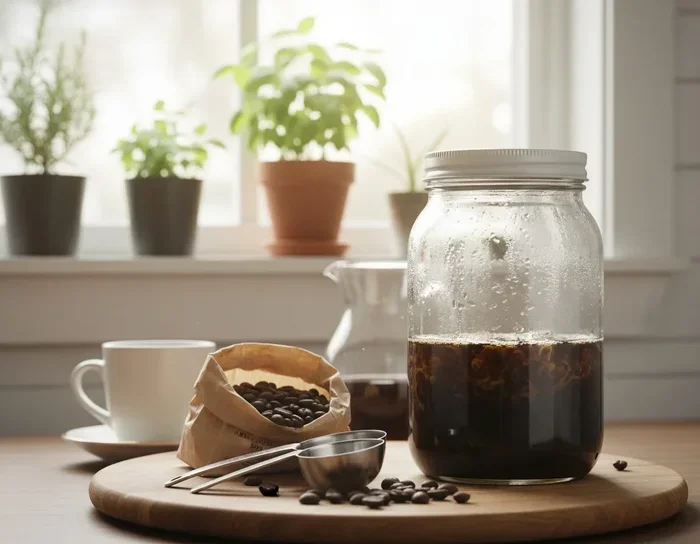
Cold brew is hands-down the best method for brewing coffee beans without grinding. The long steeping time allows water to slowly extract flavor from the whole beans. You simply add whole beans to cold water and let them sit in the fridge for 12 to 24 hours. The result is a smooth, low-acidity concentrate that tastes amazing.
Here is how to do it:
- Add one cup of whole coffee beans to a large jar.
- Pour four cups of cold filtered water over the beans.
- Stir gently and cover the jar.
- Place it in the refrigerator for 12 to 24 hours.
- Strain the beans out using a fine mesh strainer or cheesecloth.
- Dilute the concentrate with water or milk to taste.
The long steeping time is key. Whole beans need more time than ground coffee because the water must penetrate the outer shell. If you are short on time, you can lightly crush the beans with a mortar and pestle. This is not grinding, but it helps break the shell slightly and speeds up extraction. For more tips on alternative coffee methods, check out how to make coffee without a filter or machine.
French Press With Whole Beans
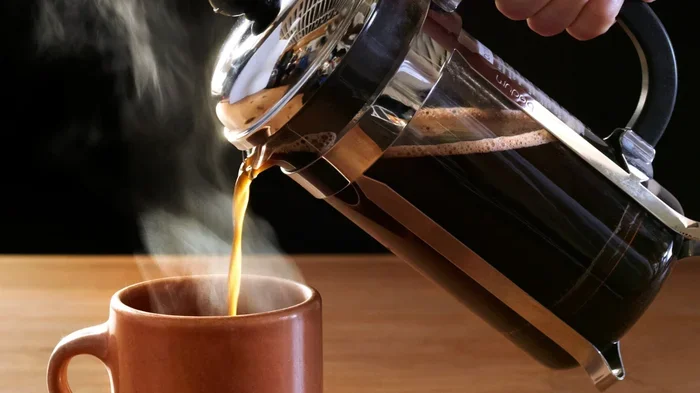
A French press can handle whole beans surprisingly well. The metal filter on a French press is designed to catch larger particles. You do not need to worry about beans slipping through. Simply add whole beans to the press, pour in hot water, and let it steep.
Follow these steps for the best results:
- Add two tablespoons of whole beans per six ounces of water.
- Pour hot water (around 200 degrees Fahrenheit) over the beans.
- Stir gently and place the lid on.
- Let it steep for four to five minutes.
- Press the plunger down slowly.
- Pour and enjoy immediately.
The French press method works because the metal filter catches the whole beans while letting the brewed liquid pass through. The coffee will be lighter than what you get with ground beans, but it still has good flavor. If you want a stronger cup, try using more beans or steeping for a longer time.
Stovetop Infusion Method
You can also brew whole beans on the stovetop. This method is similar to making tea. You simmer whole beans in water on low heat for an extended period. The heat helps speed up extraction, even without grinding.
Here is what you need to do:
- Add whole beans to a saucepan with water.
- Bring the water to a gentle simmer.
- Let it simmer on low heat for 15 to 20 minutes.
- Strain the liquid through a fine mesh or cheesecloth.
- Serve hot with your favorite additions.
This method produces a strong, concentrated coffee liquid. You can dilute it with hot water or milk. Some people even use a Dutch oven for this technique. If you are wondering about using metal cookware, check out can you use metal on a Dutch oven for guidance on safe cooking practices.
Drip Coffee Maker With Whole Beans
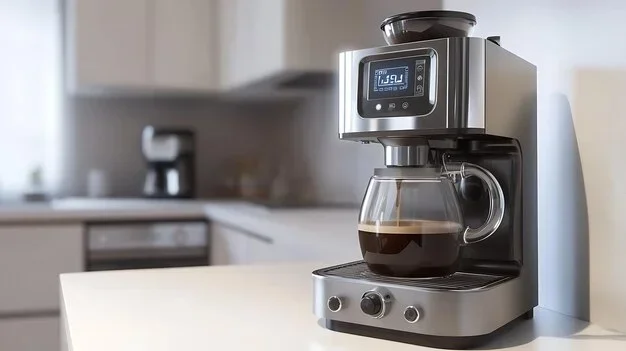
Can you use a drip coffee maker with whole beans? Yes, but with caveats. Most drip machines have a basket designed for ground coffee. Whole beans will not extract properly because water flows through them too quickly. The result is often very weak and watery. However, some people have had success by using a reusable mesh filter and running the brew cycle twice. This is not the most efficient method, but it works in a pinch.
Cold Brew: The Best Method For Whole Beans
Let us talk more about cold brew because it really is the king of whole bean brewing. The cold water extraction process is slow and gentle. It pulls out sweet, smooth flavors without the bitterness that hot water can create. When you use whole beans, the cold brew method gives the water plenty of time to work its way through the bean.
One of the biggest advantages of cold brew with whole beans is the low acidity. The cold water extracts fewer acidic compounds. This makes the coffee easier on your stomach. It also tastes smoother and slightly sweeter. Many people who switch to cold brew with whole beans never go back to hot brewed ground coffee.
The steeping time for cold brew with whole beans should be at least 18 hours for the best flavor. Some people go up to 36 hours. The longer you steep, the more flavor you extract. Just do not go overboard. Over-steeped coffee can taste muddy or overly bitter. Start with 18 hours and adjust from there based on your taste preferences.
Common Mistakes When Brewing Unground Beans
Brewing coffee with whole beans is not complicated, but there are mistakes that can ruin your cup. Here are the most common errors people make and how to avoid them.
Using Too Few Beans
This is the number one mistake. Whole beans do not release flavor as quickly as ground coffee. If you use the same amount of beans as you would grounds, your coffee will be weak and watery. You need to use more whole beans to compensate for the slower extraction. A good rule of thumb is to increase your bean amount by about 50 percent compared to what you would normally use for ground coffee.
Not Steeping Long Enough
Patience is essential when brewing whole beans. If you steep for too short a time, you will end up with a very weak brew that barely tastes like coffee. For cold brew, give it at least 12 hours. For hot steeping, aim for 15 to 20 minutes on the stovetop. The French press method needs at least four to five minutes. Give the water enough time to do its job.
Using Water That Is Too Hot For Cold Methods
Some people try to speed up cold brew by using warm water instead of cold water. This changes the extraction process and can create off-flavors. Cold brew relies on cold water for a slow, clean extraction. If you use warm water, you are essentially making a different type of brew. Stick with cold, filtered water for the best results.
Skipping The Strain
Whole beans will float in your coffee if you do not strain them properly. Nobody wants to bite into a coffee bean in the middle of their drink. Always strain your brew through a fine mesh strainer, cheesecloth, or a coffee filter. For best results, double strain. First through a mesh strainer to remove the bulk of the beans, then through a fine cloth or paper filter for a clean cup.
Expert Tips For Brewing Whole Bean Coffee
Want to get the most out of your whole bean brews? Here are some expert tips that make a big difference. These small adjustments can turn a mediocre cup into something truly special.
Lightly Crush The Beans First
You do not need to grind your beans, but a light crush can help. Place whole beans in a zip-lock bag and gently crush them with a rolling pin or the bottom of a heavy pan. This cracks the outer shell slightly and allows water to penetrate faster. It is not grinding, but it bridges the gap between whole beans and coarse grounds. The result is a better extraction and a stronger cup of coffee.
Use Fresh, Quality Beans
Since whole bean brewing extracts flavor more slowly, the quality of your beans matters even more. Use fresh roasted beans for the best flavor. Beans that are older or stale will produce a flat, lifeless brew. Look for roast dates on the bag and try to use beans within two to four weeks of roasting. The fresher the bean, the better your whole bean brew will taste.
Experiment With Roast Levels
Different roasts behave differently when brewed whole. Light roasts tend to produce brighter, more fruity flavors. Medium roasts offer a balanced cup with nutty and chocolatey notes. Dark roasts can taste smoky and bold even without grinding. Try brewing the same bean at different roast levels to find your favorite profile. Each roast brings out unique characteristics when the bean stays intact.
Store Your Beans Properly
Whole beans stay fresh longer than ground coffee, which is a plus. Store them in an airtight container at room temperature, away from sunlight and heat. Do not store them in the freezer unless you plan to use them over several weeks. Freezing can introduce moisture, which degrades flavor. A cool, dark pantry is the best spot for your whole beans.
Comparing Ground Vs. Whole Bean Brews
How does coffee brewed from whole beans compare to coffee brewed from grounds? The differences are significant and worth understanding before you commit to a whole bean brewing routine.
| Aspect | Ground Coffee | Whole Bean Brew |
|---|---|---|
| Extraction Speed | Fast and even | Slow and gradual |
| Flavor Intensity | Bold and concentrated | Light and subtle |
| Brewing Time | 3 to 5 minutes | 12 to 24 hours (cold brew) or 15 to 20 minutes (hot) |
| Surface Area | High | Low |
| Caffeine Content | Higher per serving | Lower per serving |
| Texture | Smooth | Slightly gritty if not strained well |
| Equipment Needed | Grinder plus brewer | Just a brewer and strainer |
| Best Method | Any method works well | Cold brew or French press |
As you can see, whole bean brewing is not a replacement for ground coffee in every situation. It is a different experience with its own strengths. Cold brew with whole beans is particularly impressive because the long steeping time compensates for the lack of grinding. If you want bold, strong coffee quickly, stick with grounds. If you want a smooth, mellow, and unique cup, whole bean brewing is worth trying.
Final Thoughts On Brewing Coffee Beans Without Grinding
Brewing coffee beans without grinding them is entirely possible and can produce a surprisingly enjoyable cup of coffee. The key is choosing the right method, being patient, and adjusting your expectations. Cold brew with whole beans is the easiest and most rewarding approach. French press and stovetop infusion are great alternatives. Just remember to use more beans, steep longer, and strain thoroughly.
You do not need a grinder to enjoy good coffee. Whole bean brewing opens up a new world of flavors and techniques. It is perfect for camping trips, emergencies, or just days when you do not feel like dealing with your grinder. The next time you find yourself with whole beans and no grinder, do not panic. You have all the tools and knowledge you need to make a great cup of coffee. Experiment, have fun, and enjoy the process. Brewing coffee beans without grinding might just become your new favorite way to start the day.
Frequently Asked Questions
Can you brew coffee beans without grinding them in a regular coffee maker?
Yes, but the results will be weak because water passes through whole beans too quickly. For better results, use a French press or cold brew method instead. These methods give the water enough time to extract flavor from the whole beans.
How long does it take to brew coffee with whole beans?
Cold brew with whole beans takes 12 to 24 hours. Hot steeping methods take 15 to 20 minutes. French press whole bean brews need about four to five minutes of steeping. The longer extraction time is necessary because whole beans have a protective shell that slows down flavor release.
Does brewing whole beans change the caffeine content?
Yes, whole bean brews typically have lower caffeine content per serving compared to ground coffee. This is because the extraction is less complete without grinding. If you need a stronger caffeine hit, use more whole beans or steep for a longer period.
Can you eat whole coffee beans instead of brewing them?
Yes, you can eat whole coffee beans, but brewing them is a better way to enjoy the flavor. Eating beans delivers caffeine more quickly and can be harsh on your stomach. Brewing whole beans gives you a smoother, more enjoyable drink without the intense bite of raw beans.
What is the best bean roast for brewing without grinding?
Medium roast works best for whole bean brewing because it balances flavor and extraction. Light roasts produce brighter, more subtle cups. Dark roasts can taste smoky and bold. Experiment with different roasts to find what suits your taste when you brew coffee beans without grinding them.
Do you need special equipment to brew coffee beans without grinding?
No special equipment is required. A jar, a French press, a saucepan, or a cold brew pitcher works perfectly. You also need a strainer, cheesecloth, or fine mesh filter to remove the beans from your finished brew. Most people already have these items in their kitchen.