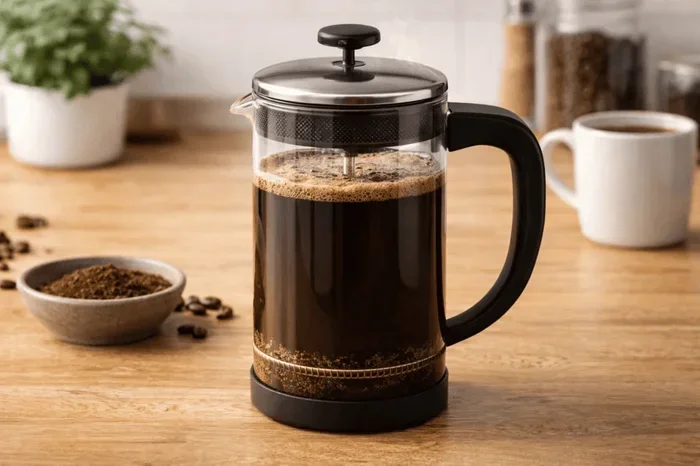
Does French Press Coffee Really Cause High Cholesterol
Does French press coffee cause high cholesterol? The answer lies in the oils and compounds that bypass paper filters. Unfiltered brews like the French press contain cafestol, a natural oil that can raise LDL cholesterol levels. However, the risk depends on how much you drink and how you prepare it. Understanding the science helps you enjoy your coffee without worry.
Does French press coffee really cause high cholesterol? This question worries many coffee lovers. The short answer is yes, unfiltered coffee can raise cholesterol levels. But the full story is more nuanced. In this guide, you’ll learn exactly how French press coffee affects your heart and what you can do about it.
French press coffee is a popular brewing method. It uses a metal mesh filter instead of a paper one. That means the oils stay in your cup. These oils contain compounds that can impact your blood lipids. If you care about heart health, this matters.
You’ll discover what cafestol is, how it works, and whether you need to switch your brewing method. I’ll also share simple tips to reduce any risk. Let’s dive in.
Key Takeaways
- French press coffee contains cafestol: This compound can raise LDL cholesterol because the metal filter lets it pass through.
- Paper filters make a big difference: Using a paper insert traps most of the cholesterol-raising oils.
- Moderation is key: Drinking one to two cups a day keeps the risk low for most healthy adults.
- Other brewing methods are safer: Drip coffee with a paper filter has minimal impact on blood lipids.
- Your overall diet matters: A balanced diet can offset the effects of unfiltered coffee.
- The effect is reversible: Switching to filtered coffee can lower your cholesterol levels over time.
- Decaf is not exempt: Decaf French press still contains cafestol and can affect cholesterol.
📑 Table of Contents
- What Is French Press Coffee?
- The Link Between Coffee Oils and Cholesterol
- Does French Press Coffee Raise Cholesterol?
- French Press vs. Other Brewing Methods
- Keeping Your French Press in Good Shape
- How to Reduce Cholesterol Risks While Enjoying French Press
- Common Myths About Coffee and Cholesterol
- Final Verdict: Should You Switch Your Brewing Method?
What Is French Press Coffee?
A French press is a simple device. It looks like a glass or plastic carafe with a plunger. The plunger has a metal mesh filter. You add coarse coffee grounds and hot water. Then you let it steep for four minutes. Finally, you press the plunger down. The mesh filter separates the grounds from the liquid.
Unlike drip coffee makers, French press coffee does not use a paper filter. That’s the key difference. Paper filters trap many of the oils. Metal filters let those oils pass through. So your cup retains more of the coffee’s natural fats. These fats are called diterpenes. Two main diterpenes are cafestol and kahweol. They are the compounds we need to talk about.
If you’ve ever tried how to make coffee without filter or machine, you know the French press works similarly. It’s a full-immersion method. The coffee grounds stay in contact with water the whole time. This creates a rich, full-bodied flavor. But it also means more oils end up in your drink.
The Link Between Coffee Oils and Cholesterol
What Is Cafestol?
Cafestol is a natural compound found in coffee beans. It belongs to a group called diterpenes. When you brew coffee with a paper filter, most cafestol gets trapped. But a metal filter doesn’t block it. So French press coffee contains high levels of cafestol. This is the main reason it can affect cholesterol.
Cafestol is the most potent cholesterol-raising compound in coffee. It can increase your LDL cholesterol. LDL is often called “bad” cholesterol. High LDL levels can lead to a buildup in your arteries. Over time, this raises your cardiovascular risk.
How Cafestol Affects LDL Cholesterol
Your liver produces cholesterol naturally. But dietary factors can raise it. Cafestol interferes with your body’s ability to regulate cholesterol. It tells your liver to produce more LDL. At the same time, it may lower your HDL cholesterol. HDL is the “good” cholesterol that helps remove LDL from your blood.
Studies show that drinking unfiltered coffee can raise total cholesterol levels. The effect is dose-dependent. The more unfiltered coffee you drink, the higher the impact. But the good news is that this effect is reversible. If you stop drinking unfiltered coffee, your levels can drop back down.
Does French Press Coffee Raise Cholesterol?
What the Research Says
Multiple studies have looked at French press coffee and cholesterol. A 2007 study published in the European Journal of Clinical Nutrition found that drinking five cups of French press coffee daily for four weeks raised LDL cholesterol by about 7%. That’s a noticeable increase. Another study showed that unfiltered coffee raised blood lipids more than filtered coffee.
These findings confirm that cafestol is the culprit. The metal filter in a French press lets cafestol pass through. A paper filter would catch it. So the brewing method matters a lot. If you drink one or two cups a day, the risk is small. But heavy consumption can be a problem.
How Much French Press Coffee Is Too Much?
There’s no strict limit. But moderation is key. Most health experts say up to 400 mg of caffeine per day is safe. That’s about four 8-ounce cups of coffee. For cholesterol, the risk grows with each additional cup of unfiltered coffee.
If you drink more than three cups of French press coffee daily, you might be raising your cholesterol levels. Consider switching some of those cups to a filtered method. Your heart will thank you.
French Press vs. Other Brewing Methods
Not all coffee is created equal. The way you brew it changes the oil content. Let’s compare common methods.
| Brewing Method | Filter Type | Cafestol Level | Cholesterol Impact |
|---|---|---|---|
| French Press | Metal mesh | High | Raises LDL |
| Paper Filter (Drip) | Paper | Very Low | Minimal |
| Espresso | Metal (short contact) | Moderate | Slight |
| Pour Over (with paper) | Paper | Very Low | Minimal |
| Cold Brew (no filter) | None (strained) | Moderate | Moderate |
Paper Filter vs. Metal Filter
A paper filter is your best friend for heart health. It traps cafestol and other oils. You get a cleaner cup with fewer fats. Many studies recommend paper filters to lower cardiovascular risk.
A metal filter does a great job of catching grounds. But it lets oils through. That’s why French press coffee has more cholesterol-raising compounds. If you already own a French press, you can buy paper inserts. These fit inside the metal filter. They give you the flavor without the extra oils.
Espresso and Cold Brew
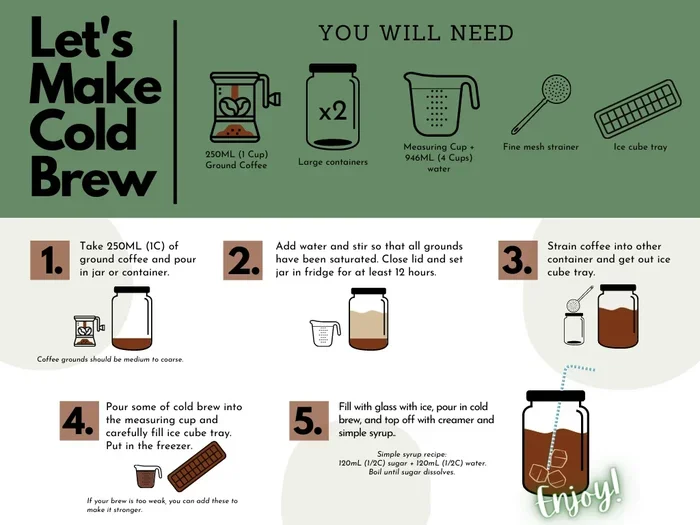
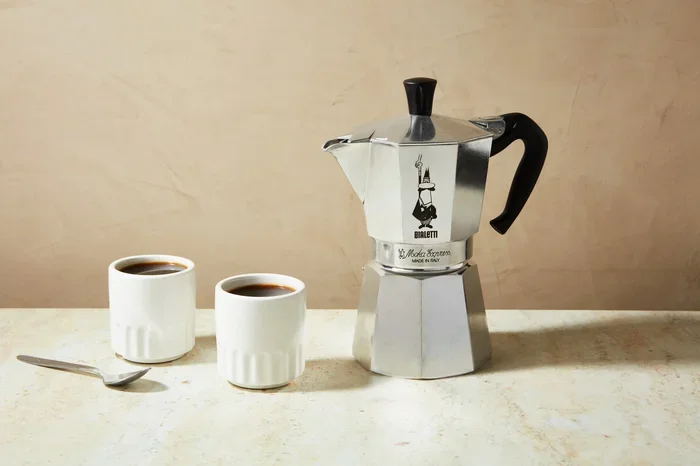
Espresso uses pressure and a short brew time. It has some cafestol, but less than French press. Cold brew steeps for hours. It can have moderate cafestol if you don’t filter it. Using a paper filter with cold brew reduces the oils.
Keeping Your French Press in Good Shape
Your French press is a sturdy tool. Unlike a baking pan that might bend in the oven from uneven heat, the glass carafe can handle hot water. But it’s not indestructible. You should avoid sudden temperature changes.
Always preheat the press with warm water before adding grounds. This keeps the brewing temperature stable. Just as you need to know what button to press to preheat oven before baking, you should warm up your French press first. This simple step improves extraction and flavor.
How to Reduce Cholesterol Risks While Enjoying French Press
You don’t have to give up your favorite brew. Here are practical steps to lower any risk.
Use a Paper Filter
The easiest fix is to use a paper filter. You can buy reusable paper filters designed for French presses. They trap most cafestol. Your coffee will be cleaner, but still flavorful. This simple change can lower your cholesterol impact significantly.
Limit Your Daily Intake
Stick to one or two cups of French press coffee per day. If you drink more, switch to a paper-filtered method for the extra cups. This keeps your coffee consumption moderate and your heart happy.
Choose Quality Beans
Fresh, high-quality beans may contain fewer harmful compounds. Always buy whole beans and grind them just before brewing. Avoid stale or low-grade coffee. The quality of your beans affects the oil content.
Keep a Balanced Diet
Coffee is just one factor. Your overall diet plays a big role. Eat plenty of fruits, vegetables, and whole grains. Limit saturated fat and trans fat. These dietary choices can offset any cholesterol-raising effect from coffee.
Common Myths About Coffee and Cholesterol
There’s a lot of misinformation. Let’s clear up a few myths.
Myth 1: All coffee raises cholesterol. Only unfiltered coffee does. Drip coffee with a paper filter has minimal cafestol. So your regular morning coffee might be perfectly fine.
Myth 2: Decaf coffee is safe. Decaf still contains cafestol if it’s unfiltered. The decaffeination process removes caffeine, not the oils. So decaf French press is just as risky.
Myth 3: Adding milk or cream cancels the effect. Milk doesn’t remove cafestol. It just adds calories and saturated fat. In fact, saturated fat can raise cholesterol on its own. So be mindful of what you add.
Final Verdict: Should You Switch Your Brewing Method?
The evidence is clear. French press coffee can raise your cholesterol levels because of cafestol. If you have high cholesterol or a family history of heart disease, you should be careful.
But if you’re healthy and drink in moderation, you can still enjoy it. Use a paper filter, limit your intake, and maintain a balanced diet. These steps let you savor the rich flavor without the worry.
Ultimately, the choice is yours. Now you have the facts. You can make an informed decision about your French press coffee and high cholesterol risk.
Enjoy your morning ritual with confidence. A little knowledge goes a long way toward protecting your heart.
Frequently Asked Questions
Can drinking French press coffee cause heart disease?
French press coffee alone does not directly cause heart disease. But the cafestol it contains can raise LDL cholesterol over time. High LDL is a risk factor for heart disease. If you drink it in moderation and use a paper filter, the risk drops significantly.
Is it safe to drink French press coffee every day?
For most healthy adults, one to two cups a day is safe. The cholesterol effect depends on how much you drink. If you exceed three cups daily, consider switching some to a filtered method to keep your blood lipids in check.
Does adding a paper filter to a French press work?
Yes, using a paper insert traps most cafestol and coffee oils. You still get the rich flavor of French press coffee with far fewer cholesterol-raising compounds. It’s an easy and effective way to reduce the impact on your heart health.
Can I drink French press coffee if I already have high cholesterol?
You can, but you should be cautious. Talk to your doctor. Using a paper filter and limiting intake to one cup a day can help. Monitoring your cholesterol levels regularly is also important when you drink unfiltered coffee.
How long does it take for cholesterol to drop after stopping French press coffee?
Studies show that cholesterol levels can start to improve within a few weeks of switching to filtered coffee. The exact time varies by person. A healthy diet and regular exercise speed up the process.
Are there any benefits to the oils in French press coffee?
Yes, the oils contain antioxidants and beneficial compounds. They can have anti-inflammatory effects. The key is balance. Enjoying French press coffee in moderation lets you get the benefits without the excess cholesterol risk.