How To Clean Your Cuisinart Coffee Maker With Vinegar
Cleaning your Cuisinart coffee maker with vinegar is simple, affordable, and incredibly effective. This guide walks you through every step of the descaling process so you can remove mineral buildup, improve your coffee taste, and extend the life of your machine. With just white vinegar and water, you will have a fresh and fully functional coffee maker in under an hour.
Your Cuisinart coffee maker is one of the most important tools in your kitchen. Every morning, it gives you a hot cup of coffee to start your day. But over time, mineral deposits and coffee oils build up inside the machine. This buildup can affect the taste of your coffee and even slow down the brewing process. That is why learning how to clean Cuisinart coffee maker with vinegar is such a valuable skill.
Vinegar is a natural, affordable, and highly effective cleaning agent. You probably already have it in your pantry. Unlike harsh chemical cleaners, white vinegar safely dissolves mineral deposits without leaving behind toxic residues. In this article, we will walk you through every step of the cleaning process. You will learn how to descale your machine, clean the removable parts, and keep your coffee tasting great for months to come.
Whether you own a Cuisinart drip coffee maker, a single-serve model, or a programmable machine, this guide applies to all of them. The descaling process is straightforward and does not require any special tools. Just grab some white vinegar, follow our instructions, and enjoy a fresh cup of coffee from a clean machine. Let us get started.
Key Takeaways
- White vinegar is the best natural descaler: It safely dissolves mineral deposits without harsh chemicals.
- Regular cleaning improves coffee taste: Removing buildup prevents bitter flavors and keeps your brew fresh.
- The process takes less than an hour: You can descale your Cuisinart machine quickly and easily at home.
- Clean removable parts separately: The brew basket, carafe, and filter need their own thorough cleaning.
- Descale every 1 to 3 months: Frequency depends on how often you use your machine and your water hardness.
- Rinse thoroughly after cleaning: Multiple water-only cycles ensure no vinegar taste remains in your coffee.
📑 Table of Contents
- Why Vinegar Is the Best Choice for Cleaning Your Cuisinart Coffee Maker
- What You Need Before You Start
- Step-by-Step Guide to Clean Your Cuisinart Coffee Maker With Vinegar
- How Often Should You Descale Your Coffee Maker?
- Tips to Keep Your Coffee Maker Running Great
- Common Mistakes to Avoid When Cleaning Your Coffee Maker
- Final Thoughts on Maintaining Your Cuisinart Coffee Maker
Why Vinegar Is the Best Choice for Cleaning Your Cuisinart Coffee Maker
You might wonder why vinegar is the go-to solution for coffee maker cleaning. The answer is simple. White vinegar contains acetic acid, which is a natural descaler. It breaks down the mineral deposits that accumulate inside your coffee machine over time. These deposits are mainly calcium and lime scale, and they are very hard to remove with just water.
How Vinegar Works Against Mineral Buildup
When you run a vinegar solution through your coffee maker, the acetic acid dissolves the mineral deposits lining the water reservoir, tubes, and heating element. This process is called descaling. Descaling with vinegar is safe for most coffee maker components. It does not damage plastic parts, rubber seals, or metal surfaces when used correctly.
Many commercial descaling products cost a lot more than vinegar. They often contain the same active ingredients but at a higher price. Using white vinegar for coffee maker descaling saves you money and works just as well. It is also better for the environment because you avoid packaging waste from chemical products.
Why Your Cuisinart Machine Needs Regular Cleaning
Regular cleaning of your Cuisinart coffee machine is essential for several reasons. First, mineral buildup can slow down the brewing process. Your coffee might take longer to drip, or the machine might stop working altogether in severe cases. Second, buildup affects the flavor of your coffee. A clean machine brews a cleaner, fresher tasting cup every time.
Third, regular maintenance extends the lifespan of your coffee maker. A well-maintained machine can last for years. Neglecting cleaning can lead to clogs, mold growth, and even permanent damage to the heating element. Taking a few minutes each month to clean your machine saves you money on replacements.
Just like you would maintain other kitchen appliances, such as learning how to clean the bottom tray of a toaster oven, your coffee maker needs regular care too. Consistent upkeep keeps everything running smoothly and ensures better results every time you brew.
What You Need Before You Start
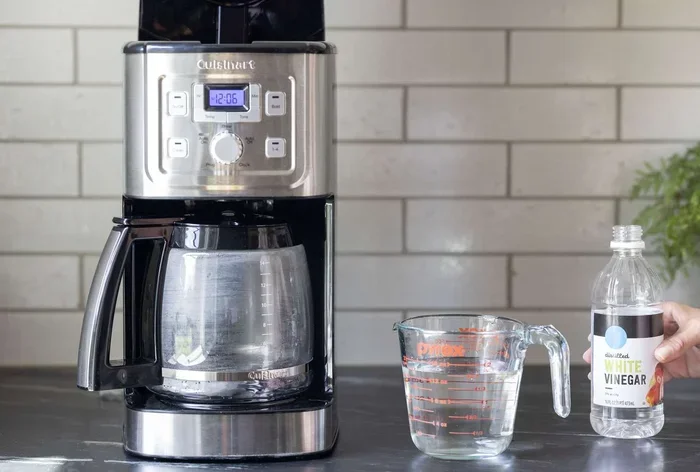
Before you begin the cleaning process, gather your supplies. The good news is that you need very few things. Most of them are items you already have at home. Here is what you will need:
- White distilled vinegar: This is the main cleaning agent. Use regular white vinegar, not apple cider vinegar or any flavored variety.
- Fresh water: You will need water for the cleaning solution and for rinsing cycles afterward.
- A clean sponge or soft cloth: For wiping down the exterior and removable parts.
- Mild dish soap: For washing the carafe and other removable components.
- A dry towel: For drying parts after washing.
Safety Tips Before You Begin
Safety should always come first when cleaning any kitchen appliance. Make sure your coffee maker is unplugged before you start cleaning any internal or removable parts. Never immerse the main machine body in water. Only the removable components should be washed with water and soap. Also, make sure the machine is cool before you begin. Hot surfaces can cause burns or damage to cleaning materials.
When you are setting up a new kitchen or appliance, it helps to understand the basics of proper care. Just as you would read instructions to use a brand new oven before your first cook, take a moment to review your Cuisinart manual for any specific cleaning recommendations from the manufacturer.
Step-by-Step Guide to Clean Your Cuisinart Coffee Maker With Vinegar
Now that you have your supplies ready, let us walk through the actual cleaning process. This guide covers the full descaling routine for your Cuisinart machine. Follow each step carefully for the best results.
Step 1: Prepare the Vinegar Solution
Start by mixing your cleaning solution. The standard ratio is equal parts white vinegar and water. For most Cuisinart models, you will need about 32 ounces of vinegar and 32 ounces of water. Pour the mixture into the water reservoir of your coffee maker.
If your machine has a larger reservoir, you can use a bit more. The key is to fill the reservoir about halfway with the vinegar solution. Do not overfill past the maximum line. The solution needs room to circulate through the machine during the cleaning cycle.
For machines with heavy buildup, you can use a stronger solution. Try two parts vinegar to one part water. However, for regular maintenance, the equal parts ratio works perfectly. Using too much vinegar is not necessary and can sometimes leave a lingering smell.
Step 2: Run the Cleaning Cycle
Place a clean mug or carafe under the coffee dispenser. Turn on the machine and let it run half of a normal brew cycle. Let the vinegar solution sit in the machine for about 30 minutes. This gives the acetic acid time to dissolve the mineral deposits inside the tubes and heating element.
After 30 minutes, complete the brew cycle. The vinegar solution will flow through the machine and into the mug or carafe. Once the cycle is complete, turn off the machine and let it sit for another 15 to 30 minutes. This soaking period helps loosen stubborn deposits.
After the soaking period, discard the vinegar solution from the mug or carafe. Then run a full brew cycle with fresh water only. This rinses the vinegar through the system. Repeat this rinse cycle at least two more times to make sure all vinegar residue is removed.
Step 3: Rinse Thoroughly
Rinsing is one of the most important steps in the entire process. If you skip thorough rinsing, your next pot of coffee might taste like vinegar. Run at least two to three full water-only cycles through the machine. After each cycle, empty the carafe and refill the reservoir with fresh water.
To check if the rinsing is complete, smell the water after the final cycle. It should have no vinegar odor at all. If you still detect a smell, run one more rinse cycle. Some machines may need an extra rinse depending on the model and the amount of vinegar used.
You can also taste a small sip of the water from the final rinse cycle. If it tastes clean and neutral, your machine is ready. If it tastes even slightly tangy, keep rinsing until the taste is completely gone.
Step 4: Clean the Removable Parts
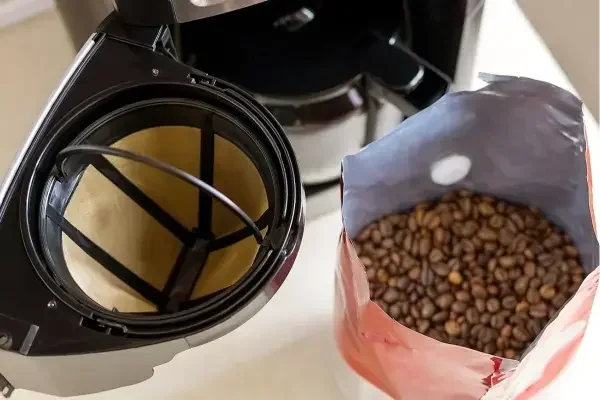
While the machine is running its rinse cycles, take the time to clean all the removable parts. Remove the brew basket, the carafe, the filter, and any other detachable components. Wash these parts with warm water and mild dish soap using a clean sponge.
Pay special attention to the brew basket. Coffee oils and fine grounds can accumulate in the mesh filter over time. Use a soft brush or an old toothbrush to scrub away any residue. For the carafe, if you notice coffee stains inside, add a small amount of baking soda and scrub gently with a sponge.
Rinse all removable parts thoroughly under clean running water. Dry them completely with a clean towel before reassembling them into the coffee maker. Make sure everything is dry before you put the machine back together. Moisture left inside can lead to mold or bacteria growth.
How Often Should You Descale Your Coffee Maker?
The frequency of cleaning depends on several factors. How often you use your machine, the hardness of your water, and the type of coffee you brew all play a role. Understanding these factors helps you create a cleaning schedule that works for your household.
Signs Your Cuisinart Needs Cleaning
Your coffee maker will tell you when it needs cleaning. Watch for these common signs that indicate it is time to descale your machine:
- Slower brewing time: If your coffee takes longer to brew than usual, mineral buildup may be restricting water flow through the tubes.
- Strange taste or smell: A metallic or sour taste in your coffee often signals mineral deposits or residue buildup inside the machine.
- Visible scale in the water reservoir: If you see white or chalky deposits at the bottom of the reservoir, it is definitely time to clean.
- Unusual noises during brewing: Gurgling or bubbling sounds can indicate blockages caused by mineral deposits.
- Reduced coffee volume: If you notice less coffee coming out than you put in, the machine may have internal buildup restricting flow.
Factors That Affect Cleaning Frequency
Water hardness is the biggest factor that affects how often you need to descale. If you live in an area with hard water, you will need to clean your machine more frequently, possibly every month. Soft water areas may only need cleaning every three to six months.
How often you use your coffee maker also matters. If you brew multiple cups every day, you should clean the machine more often than someone who only makes coffee occasionally. As a general rule, aim to descale your Cuisinart coffee maker every one to three months. This keeps the machine running efficiently and ensures great tasting coffee every time.
Think of coffee maker maintenance like any other household routine. Just as you might need to change the settings or maintain a Whirlpool oven to keep it running properly, regular coffee maker care prevents bigger problems down the road.
Tips to Keep Your Coffee Maker Running Great
Descaling is the most important part of coffee maker maintenance, but it is not the only thing you should do. Daily and weekly habits can keep your machine in excellent condition between deep cleaning sessions.
Daily Habits for a Clean Machine
- Empty the filter basket after each use: Do not leave used grounds sitting in the basket. Throw them away right after brewing.
- Rinse the carafe after every use: A quick rinse prevents coffee oils from building up on the glass surface.
- Leave the lid open after brewing: This allows the inside of the machine to air dry, which prevents mold and bacteria growth.
- Use filtered water when possible: Filtered water contains fewer minerals, which means less buildup inside your machine over time.
Weekly and Monthly Maintenance
Once a week, wipe down the exterior of your coffee maker with a damp cloth. This removes dust, splashes, and surface oils. Once a month, wash the carafe and filter basket with warm soapy water, even if you rinse them after each use. A deeper weekly wash removes oils that a quick rinse cannot handle.
Replace your paper filter regularly. If you use a reusable filter, clean it thoroughly every week. Over time, fine coffee particles can build up in reusable filters and affect the taste of your coffee. Keeping up with these small tasks makes the monthly descaling process much easier and more effective.
When to Call a Professional
Most coffee maker cleaning can be done at home with vinegar and water. However, there are times when professional help is needed. If your machine still has problems after descaling, there may be an internal issue that vinegar cannot fix. Signs that you need professional service include persistent leaks, electrical problems, or a heating element that no longer works.
Also, if your machine is very old and has never been descaled, the buildup might be severe enough to require professional attention. A technician can disassemble the machine and clean parts that are not accessible during a normal home cleaning. For most machines though, regular vinegar descaling keeps everything in great shape without any professional help.
Common Mistakes to Avoid When Cleaning Your Coffee Maker
Even though cleaning a coffee maker with vinegar is simple, there are a few common mistakes that people make. Avoiding these errors ensures the best results and protects your machine.
- Using apple cider vinegar or other types: Stick to white distilled vinegar. Other types contain sugars and flavoring agents that can leave residues and affect the taste of your coffee.
- Skipping the rinse cycles: Never skip the rinsing steps. Residual vinegar in the machine will affect the flavor of every pot of coffee you brew afterward.
- Using too much vinegar: More vinegar does not mean better cleaning. The standard equal-parts ratio is effective and safe for all machine components.
- Forgetting to clean removable parts: Descaling the inside of the machine is important, but the brew basket, carafe, and filter also need regular washing to remove coffee oils and residue.
- Ignoring the water filter: If your Cuisinart model has a water filter, replace it regularly. A clogged filter affects water flow and coffee quality.
By avoiding these mistakes, you ensure that your cleaning efforts are effective and your coffee maker stays in excellent condition for years to come. A little care and attention goes a long way in maintaining the quality of your daily coffee.
Final Thoughts on Maintaining Your Cuisinart Coffee Maker
Cleaning your Cuisinart coffee maker with vinegar is one of the easiest and most cost-effective ways to keep your machine running at its best. The process is simple, uses natural ingredients, and delivers noticeable results. Your coffee will taste better, your machine will brew faster, and your coffee maker will last longer.
Make descaling a regular part of your kitchen routine. Set a reminder on your phone or calendar to clean your machine every one to three months. Once you experience the difference a clean machine makes, you will never skip the process again. A little maintenance goes a long way toward perfect coffee every morning.
Remember that coffee maker cleaning is not just about vinegar cycles. Daily habits like emptying the filter, rinsing the carafe, and using filtered water all contribute to a well-maintained machine. Combine these habits with regular descaling, and your Cuisinart will serve you well for many years to come.
Start today. Grab your white vinegar, follow the steps in this guide, and enjoy a fresh, clean cup of coffee from a machine that is working at its best. Your taste buds will thank you.
Frequently Asked Questions
Can I use apple cider vinegar instead of white vinegar to clean my Cuisinart coffee maker?
It is best to stick with white distilled vinegar. Apple cider vinegar contains sugars and flavor compounds that can leave a residue inside your machine. White vinegar is pure and effective for descaling without adding any unwanted flavors to your next pot of coffee.
How long does it take to clean a Cuisinart coffee maker with vinegar?
The entire process takes about 45 minutes to one hour. This includes the cleaning cycle, soaking time, and multiple rinse cycles. The actual hands-on time is very short since the machine does most of the work for you.
Will vinegar damage my Cuisinart coffee maker?
No, white vinegar is safe for all Cuisinart coffee maker components when used correctly. It will not damage plastic parts, rubber seals, or metal surfaces. Just make sure to rinse thoroughly after the cleaning cycle to remove any vinegar residue.
How do I know if my Cuisinart coffee maker needs descaling?
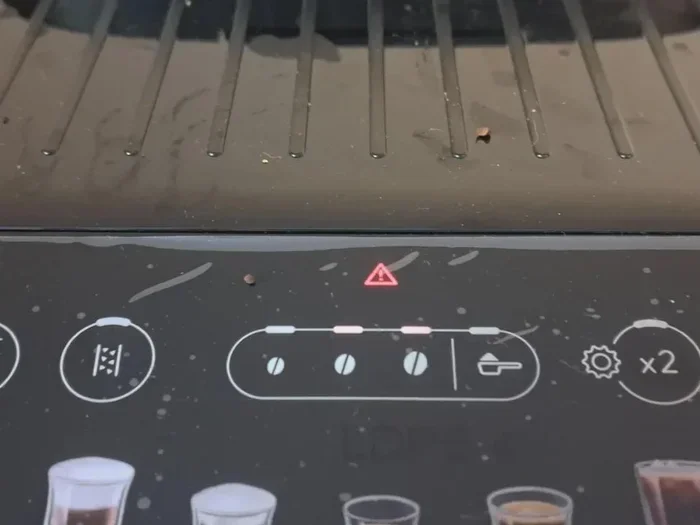
Common signs include slower brewing times, a strange or metallic taste in your coffee, visible white deposits in the water reservoir, and unusual noises during the brewing cycle. Most machines also have a descale indicator light that alerts you when cleaning is needed.
Can I use lemon juice instead of vinegar to descale my coffee maker?
Yes, lemon juice is a natural alternative to vinegar for descaling. It contains citric acid, which works similarly to acetic acid in dissolving mineral deposits. However, vinegar is generally more effective and more affordable for this purpose.
How often should I clean my Cuisinart coffee maker?
Descale your machine every one to three months depending on how often you use it and the hardness of your water. Daily habits like rinsing the carafe and emptying the filter basket should be done after every use to keep the machine in top condition between deep cleanings.