Is Cold Brew Coffee Bad For You What You Need To Know
Cold brew coffee is not inherently bad for you, but it does come with some risks you should understand. The cold brew coffee brewing method creates a smoother, less acidic drink that many people enjoy daily. However, its higher caffeine concentration and potential effects on sleep, teeth, and stomach health deserve attention. This guide covers everything from cold brew benefits to side effects so you can make an informed choice.
Cold brew coffee has taken the coffee world by storm. You see it on every café menu and in every grocery store fridge. But the big question remains: is cold brew coffee bad for you? Many coffee lovers drink it daily without thinking twice. Others worry that the cold brewing process changes the chemistry of the coffee in ways that could be harmful. The truth lies somewhere in between. This article breaks down everything you need to know about cold brew coffee, its benefits, its risks, and how to enjoy it the right way.
Whether you are a seasoned cold brew fan or someone just curious about this trendy drink, you are in the right place. We will look at the science, the myths, and the practical tips. By the end, you will know exactly how cold brew affects your body and mind. So grab a glass of water and let us dive in.
Key Takeaways
- Lower acidity: Cold brew coffee is up to 67% less acidic than hot brewed coffee, making it gentler on your stomach.
- Higher caffeine content: Cold brew concentrate can pack a strong caffeine punch, which may affect sleep and anxiety levels.
- Rich in antioxidants: Like hot coffee, cold brew contains beneficial antioxidants that support heart and brain health.
- Not ideal for everyone: People with caffeine sensitivity, acid reflux, or pregnancy should monitor their intake carefully.
- Easy to make at home: With just coffee grounds, water, and cheesecloth, you can craft your own cold brew safely.
- Moderation is key: Enjoying cold brew in sensible amounts lets you reap the benefits while minimizing risks.
📑 Table of Contents
- What Is Cold Brew Coffee?
- Is Cold Brew Coffee Bad For You?
- The Benefits of Cold Brew Coffee
- The Risks and Side Effects of Cold Brew Coffee
- Cold Brew vs Hot Coffee: What Is The Difference?
- How To Make Cold Brew Coffee Safely at Home
- Who Should Be Careful With Cold Brew Coffee?
- Common Mistakes People Make With Cold Brew Coffee
- Expert Insights on Cold Brew Coffee
- Key Takeaways
What Is Cold Brew Coffee?
Cold brew coffee is not just iced coffee. It is a specific brewing method that uses time instead of heat. Coarse coffee grounds steep in cold or room temperature water for 12 to 24 hours. This long steeping process extracts flavors, caffeine, and compounds from the coffee beans slowly. The result is a smooth, concentrated coffee that tastes less bitter than hot brewed coffee.
You can drink cold brew straight, dilute it with water, or mix it with milk. Many people prefer it because of its rich, sweet flavor profile. The cold brewing process also reduces the coffee’s acidity significantly. This makes it a popular choice for those who love coffee but struggle with stomach issues from hot brews.
How Cold Brew Differs From Regular Coffee
Hot brewed coffee uses heat to extract compounds quickly. This rapid extraction pulls out more oils and acids. Cold brew takes a slower path. The lower temperature means fewer acidic compounds get extracted. That is why many people say cold brew tastes smoother and less bitter. The caffeine content can also be higher because the concentrate is often mixed with less water per serving.
If you are curious about how different brewing methods compare, you might also enjoy learning about how long you cook Ellios pizza in the oven or exploring what a toaster oven is in the UK for other kitchen appliance insights.
Is Cold Brew Coffee Bad For You?
Let us get straight to the point. Is cold brew coffee bad for you? The short answer is no, not for most people. Cold brew coffee is safe for the majority of healthy adults. However, like any caffeinated beverage, it comes with some considerations. The cold brew coffee experience varies from person to person based on how much you drink, your sensitivity to caffeine, and your overall health.
The brewing method itself does not make coffee harmful. In fact, cold brew has some unique advantages over hot brewed coffee. The lower acidity is a big plus for people with sensitive stomachs. But the higher caffeine concentration in cold brew concentrate is something to watch. Drinking too much can lead to problems like jitteriness, insomnia, and a racing heart.
So is cold brew bad for you? It depends on how you consume it. A glass of diluted cold brew in the morning is perfectly fine for most people. Drinking an entire concentrate straight, though, is a different story. Moderation is the key word here.
The Science Behind Cold Brew and Your Body
When you drink cold brew coffee, the caffeine enters your bloodstream within 20 to 45 minutes. It peaks in your system about one to two hours later. Caffeine blocks adenosine, a chemical that makes you feel tired. This is why coffee gives you energy. Cold brew delivers caffeine just like hot coffee does, but often in a larger dose because of the concentrate.
Your liver processes caffeine at a steady rate. Most people can handle about 400 milligrams of caffeine per day safely. That is roughly four cups of brewed coffee. But cold brew concentrate can contain up to 200 milligrams per single serving, depending on how you dilute it. This means you could reach your daily limit faster than you think.
The Benefits of Cold Brew Coffee
Cold brew coffee offers several benefits that make it worth enjoying. Let us look at the positive side of this popular drink.
1. Lower Acidity Means Less Stomach Trouble
One of the biggest cold brew benefits is its lower acidity. Studies show that cold brew coffee can be up to 67% less acidic than hot brewed coffee. For people who suffer from acid reflux or heartburn, this is a game changer. The lower acid levels mean cold brew is less likely to irritate your stomach lining or trigger uncomfortable symptoms.
If you have a sensitive stomach, switching to cold brew could make a real difference. You get to enjoy your daily coffee without the burning sensation that sometimes comes with hot brews.
2. Rich in Antioxidants
Coffee is one of the biggest sources of antioxidants in the Western diet. Cold brew coffee is no exception. It contains powerful antioxidants like chlorogenic acid and polyphenols. These compounds help fight inflammation and protect your cells from damage. Regular coffee consumption has been linked to a lower risk of type 2 diabetes, Parkinson’s disease, and certain types of cancer.
The cold brewing process does not destroy these beneficial compounds. You still get a healthy dose of antioxidants with every cup. So your morning cold brew is doing more than just waking you up.
3. Smooth and Less Bitter Taste
Let us not forget the flavor. Cold brew coffee tastes naturally sweet and smooth. The slow steeping process pulls out fewer bitter compounds than hot water does. This means you can enjoy your coffee without adding lots of sugar or cream. Less sugar means fewer empty calories, which is great for your overall health.
4. Convenient and Long-Lasting
Cold brew coffee keeps well in the fridge for up to two weeks. You can make a large batch at the start of the week and have ready-to-drink coffee every morning. This convenience means you are less likely to buy sugary coffee drinks from cafés. Making your own cold brew at home saves money and gives you full control over what goes into your cup.
If you are storing your cold brew in kitchen containers, make sure your storage vessels are safe. For example, you can check whether Anyday cookware is oven safe for tips on choosing the right containers for your kitchen.
The Risks and Side Effects of Cold Brew Coffee
Now let us talk about the downsides. Cold brew coffee is not without its risks. Understanding these side effects helps you make smarter choices.
1. High Caffeine Content
The most significant risk of cold brew coffee is its caffeine content. Because cold brew is often served as a concentrate, the caffeine levels can be very high. Too much caffeine can cause:
- Anxiety and jitteriness: Excess caffeine stimulates your nervous system too much.
- Insomnia: Drinking cold brew late in the day can wreck your sleep quality.
- Rapid heartbeat: High doses of caffeine can make your heart race.
- Digestive issues: Caffeine increases stomach acid production, which can cause nausea or diarrhea.
If you are sensitive to caffeine, you should be especially careful with cold brew. Start with a small amount and see how your body reacts. You can always add more water to dilute your drink.
2. Potential for Coffee Addiction
Let us be honest. Coffee is addictive. The caffeine in cold brew creates a physical dependence. If you drink it every day, your body adjusts to the caffeine levels. Stop suddenly, and you might get headaches, fatigue, or irritability. This is not dangerous, but it is uncomfortable. The key is to enjoy cold brew in moderation and avoid relying on it to function.
3. Effects on Dental Health
Coffee, whether hot or cold, can stain your teeth over time. The dark pigments in coffee attach to tooth enamel and cause discoloration. Cold brew is slightly less acidic than hot coffee, but it can still affect your dental health. To protect your teeth, try drinking cold brew through a straw. Rinsing your mouth with water after drinking also helps.
You should also avoid brushing your teeth immediately after drinking coffee. The acids in coffee soften enamel, and brushing right away can cause damage. Wait at least 30 minutes before brushing.
4. Not Ideal on an Empty Stomach
Drinking cold brew on an empty stomach can increase acid production. Even though cold brew is less acidic than hot coffee, it still contains enough acid to bother some people. If you notice stomach discomfort after drinking coffee in the morning, try eating something first. A small breakfast before your cold brew can make a big difference.
Cold Brew vs Hot Coffee: What Is The Difference?
People often wonder how cold brew stacks up against regular hot coffee. Here is a quick comparison to help you understand the differences.
| Factor | Cold Brew Coffee | Hot Brewed Coffee |
|---|---|---|
| Brewing Method | Steeping in cold water for 12-24 hours | Brewing with hot water (195-205°F) |
| Acidity Level | Up to 67% lower | Higher acid content |
| Caffeine Concentration | Higher in concentrate form | Moderate per cup |
| Taste Profile | Smooth, sweet, less bitter | Richer, more complex, slightly bitter |
| Shelf Life | Up to 2 weeks in the fridge | Best consumed fresh |
| Best For | Sensitive stomachs, summer drinks | Quick brewing, bold flavor lovers |
Both cold brew and hot coffee have their place. Cold brew is perfect for those who want a smoother, less acidic drink. Hot coffee is great for a quick morning pick-me-up. Neither is inherently better or worse. It all comes down to your personal preference and how your body responds.
How To Make Cold Brew Coffee Safely at Home
Making cold brew at home is simple and fun. You do not need any fancy equipment. Here is a straightforward method you can follow.
What You Need
- Coarse ground coffee beans
- Cold filtered water
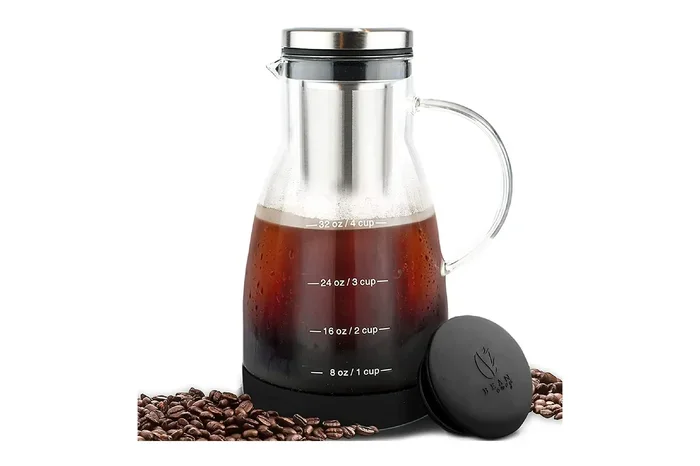
- A large jar or pitcher
- A strainer or cheesecloth for filtering
Using cheesecloth to filter your cold brew is a great option. If you are curious about whether cheesecloth is safe for kitchen use, you can check whether you can put cheesecloth in the oven for more kitchen safety tips.
Step-by-Step Instructions
- Mix your grounds and water: Use a ratio of 1 part coffee to 4 parts water. Stir gently to combine all the grounds.
- Steep the mixture: Cover the jar and let it sit in the fridge for 12 to 24 hours. Longer steeping creates a stronger concentrate.
- Strain the coffee: Pour the mixture through a cheesecloth or fine mesh strainer into another container. This removes the coffee grounds.
- Dilute and serve: Mix the concentrate with water or milk at a 1:1 ratio. Add ice if you like it cold.
Your homemade cold brew will stay fresh in the fridge for up to two weeks. Always store it in a clean, sealed container to maintain its flavor and safety.
Quick Tips for the Best Cold Brew
- Use coarse grounds to prevent a gritty texture.
- Filtered water makes a cleaner, better-tasting brew.
- Experiment with steeping times to find your perfect strength.
- Do not reuse coffee grounds for a second batch.
- Keep your cold brew concentrate in the fridge at all times.
Who Should Be Careful With Cold Brew Coffee?
Cold brew coffee is safe for most people, but certain groups should be more cautious. Let us look at who should watch their intake.
Pregnant Women
Pregnant women should limit their caffeine intake to 200 milligrams per day or less. Cold brew concentrate can easily exceed this in a single serving. If you are pregnant, talk to your doctor about safe caffeine levels and consider drinking weaker, more diluted cold brew.
People With Caffeine Sensitivity
Some people feel the effects of caffeine more intensely. If you get jittery, anxious, or have trouble sleeping after drinking regular coffee, cold brew might be too strong for you. Start with a very small amount and see how you feel. You might find that half a cup diluted with plenty of water works better for you.
People With Acid Reflux or GERD
Even though cold brew is less acidic, it still contains some acid. People with severe acid reflux or GERD should monitor how cold brew affects their symptoms. For some, the lower acidity makes it perfectly fine. For others, any amount of coffee can trigger discomfort.
Children and Teenagers
Children and teenagers should generally avoid cold brew coffee. Their bodies are still developing, and caffeine can affect sleep patterns, anxiety levels, and heart rate in young people. Water, milk, and natural fruit juices are better choices for growing kids.
Common Mistakes People Make With Cold Brew Coffee
Even experienced cold brew fans make mistakes. Here are some common ones to avoid.
- Using too fine a grind: Fine grounds create a cloudy, gritty cold brew. Always use a coarse grind for the smoothest result.
- Steeping too long: Leaving cold brew for more than 24 hours can make it overly bitter and harsh. Stick to the 12 to 24 hour window.
- Drinking it straight: Cold brew concentrate is very strong. Always dilute it with water or milk before drinking.
- Skipping the strain: Poor filtering leaves grounds in your drink. Use a fine mesh strainer or cheesecloth for the cleanest cup.
- Making too much: Cold brew keeps for about two weeks. Do not make more than you will drink in that time.
Expert Insights on Cold Brew Coffee
Nutritionists and coffee experts generally agree that cold brew coffee is a healthy choice for most adults. The lower acidity and smooth flavor make it an excellent alternative to hot brewed coffee. However, experts emphasize that moderation is essential. Drinking one to two cups of diluted cold brew per day is considered safe and beneficial for most people.
Coffee experts also point out that the quality of your beans matters. Use fresh, high-quality coffee grounds for the best flavor and health benefits. Organic, single-origin beans are a great choice if you want the purest cup possible.
Remember that adding lots of sugar, flavored syrups, and cream can turn a healthy cold brew into a calorie bomb. Keep your additions simple and natural. A splash of milk and a touch of honey are all you need for a delicious and healthy drink.
Key Takeaways
- Cold brew coffee is not bad for you when consumed in moderation. It is a safe and enjoyable drink for most healthy adults.
- The lower acidity of cold brew makes it easier on your stomach compared to hot brewed coffee.
- Cold brew contains powerful antioxidants that support your overall health and well-being.
- The caffeine content can be high, so be mindful of how much concentrate you drink and how you dilute it.
- People with caffeine sensitivity, pregnancy, or acid reflux should be extra cautious with their cold brew intake.
- Making cold brew at home is simple and gives you full control over the strength and ingredients.
- Listen to your body. If cold brew causes any discomfort, adjust your intake or switch to a milder option.
Frequently Asked Questions
Is cold brew coffee worse for you than hot coffee?
No, cold brew is not worse for you than hot coffee. In fact, it is often gentler on your stomach because of its lower acidity. The main difference is the caffeine concentration in the concentrate, which can be higher if you drink it undiluted. Both drinks are safe and healthy when consumed in moderation.
Can cold brew coffee cause acid reflux?
Cold brew is less likely to cause acid reflux than hot coffee because it is significantly less acidic. However, it still contains some acid, and caffeine can increase stomach acid production. If you have severe acid reflux, monitor how cold brew affects you and consider drinking it in smaller, more diluted amounts.
How much cold brew coffee can I drink per day?
Most healthy adults can safely consume up to 400 milligrams of caffeine per day. A typical serving of diluted cold brew contains about 100 to 200 milligrams of caffeine, depending on the concentration. One to two cups per day is a safe and enjoyable amount for most people.
Does cold brew coffee have more caffeine than regular coffee?
Cold brew concentrate does tend to have more caffeine per ounce than hot brewed coffee. However, cold brew is usually diluted before drinking. When you mix equal parts concentrate and water, the caffeine content becomes similar to a regular cup of hot coffee. Always check how you prepare your cold brew to understand the actual caffeine levels.
Is cold brew coffee good for weight loss?
Cold brew coffee can support weight loss efforts in a few ways. Caffeine boosts your metabolism and can increase fat burning. It also provides a natural energy boost that may improve workout performance. However, adding sugar, cream, or flavored syrups can add calories. For the best weight loss benefits, drink your cold brew black or with minimal additions.
Can I drink cold brew coffee on an empty stomach?
It is generally better to eat something before drinking cold brew coffee. Even though cold brew is less acidic than hot coffee, it can still increase stomach acid production. Eating a small meal or snack first helps protect your stomach lining and prevents any discomfort. If you always drink it on an empty stomach and feel fine, that is okay too.
=== CONCLUSION ===
So, is cold brew coffee bad for you? The answer is clear: cold brew coffee is a safe, healthy, and enjoyable drink for most people. Its lower acidity, rich antioxidant content, and smooth flavor make it a great choice for your daily caffeine fix. The key is to drink it in moderation and be mindful of your caffeine intake. If you are sensitive to caffeine or have specific health concerns, talk to your doctor and adjust your habits accordingly.
Making cold brew at home is easy, affordable, and gives you complete control over what goes into your cup. Follow the tips in this article, avoid common mistakes, and listen to your body. You will enjoy all the wonderful benefits of cold brew without any unnecessary risks. Here is to your next perfect glass of cold brew!