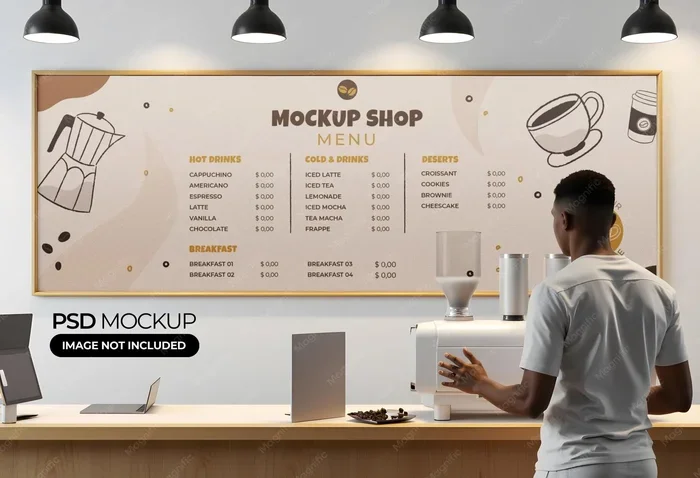
How To Make Coffee Menu Easy Steps To Impress Customers
Creating a great coffee menu is easier than you think. This guide walks you through simple steps to design a menu that impresses every customer. You will learn how to pick the right drinks, organize your layout, and price items for profit. Whether you are opening a new café or refreshing an existing one, these tips will help you build a menu that stands out.
A coffee menu is more than just a list of drinks. It is the heart of your café experience. Every customer picks up that menu and makes split-second decisions. The way you present your drinks, food, and prices shapes their entire visit. A well-designed menu boosts sales, builds brand identity, and keeps people coming back.
Whether you are a first-time café owner or a seasoned barista refreshing your offerings, this guide has you covered. We will walk through every step of how to make a coffee menu that truly impresses. You do not need a design degree or a huge budget. Just follow these straightforward steps and watch your menu come to life.
The best coffee menus balance creativity with clarity. They showcase specialty drinks while keeping familiar favorites front and center. They pair beautifully with food items that complement every cup. And they are priced to attract customers while keeping your business healthy. Let us dive in.
Key Takeaways
- Start with your audience: Know what your customers want before you design anything.
- Organize by category: Group drinks and food logically so the menu is easy to read.
- Include seasonal specials: Rotate drinks to keep regulars excited and attract new visitors.
- Pricing matters: Balance profitability with customer expectations using smart pricing strategies.
- Design counts: A clean, attractive layout boosts readability and encourages orders.
- Food complements drinks: Pairing pastries and savory items with coffee increases average ticket size.
- Test and update: A living menu evolves based on customer feedback and sales data.
📑 Table of Contents
- Why Your Coffee Menu Matters
- How To Design Your Coffee Menu Layout
- Best Coffee Drinks To Include On Your Menu
- Food Items That Complement Your Coffee Menu
- How To Price Your Coffee Menu Items
- Seasonal And Special Menu Ideas
- Common Mistakes To Avoid When Making a Coffee Menu
- Expert Tips For A Standout Coffee Menu
- Conclusion
Why Your Coffee Menu Matters
Your menu is often the first thing a customer interacts with. It sets expectations and tells a story about your brand. A cluttered or confusing menu can drive people away before they even order. On the other hand, a thoughtful menu creates excitement and trust.
First Impressions Count
Think about the last time you walked into a new coffee shop. What caught your eye first? Chances are it was the menu board or the printed menu on the table. A clean layout with mouthwatering descriptions makes people feel welcome. It signals that you care about quality and detail.
A coffee shop menu also reflects your identity. Are you a minimalist spot focused on espresso? Or a cozy café with creative seasonal drinks? Your menu should answer these questions instantly. Every word and design choice sends a message about who you are.
Driving Sales Through Smart Design
Studies show that menu layout directly affects what customers order. Items placed in high-visibility spots tend to sell more. This is called menu engineering, and it works wonders for coffee shops. When you understand how people scan a menu, you can guide them toward your best offerings.
For example, placing your signature espresso drinks in the top-right corner catches the eye naturally. Highlighting seasonal specials with bold colors draws attention without overwhelming the page. Small design tweaks can lead to big changes in revenue.
How To Design Your Coffee Menu Layout
Now let us get into the practical side. Designing your café menu design does not have to be complicated. Follow these steps to create a layout that looks great and works even better.
Choose Your Format
Start by deciding how your menu will be presented. Will it be a printed handout, a wall board, or both? Many modern coffee shops use a combination. A wall menu for quick browsing and a printed menu for detailed descriptions works beautifully.
Consider your space and audience. A small counter café might benefit from a single large board. A sit-down spot may need a full printed menu with categories. Think about what fits your flow and your customers’ habits.
Organize by Categories
Grouping items into clear categories makes your menu scannable. Customers should never have to hunt for what they want. Here are common categories that work well for a coffee drink menu:
- Espresso-Based Drinks: lattes, cappuccinos, americanos, macchiatos
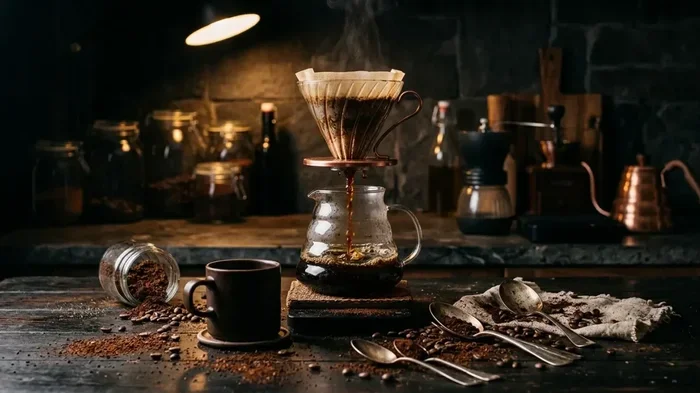
- Brewed Coffee: drip coffee, pour-over, French press
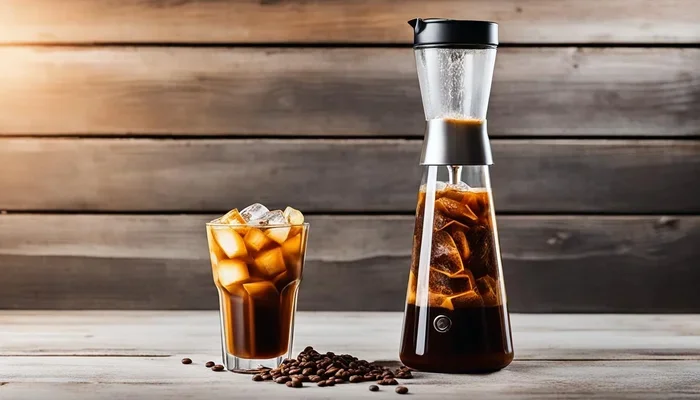
- Cold Drinks: iced coffee, cold brew, iced lattes
- Specialty Drinks: seasonal blends, flavored lattes, signature creations
- Non-Coffee Options: teas, hot chocolate, chai lattes
- Food Items: pastries, sandwiches, breakfast bowls
Each category should have a clear heading. Use consistent formatting so the eye can move smoothly from one section to the next. White space is your friend. Avoid cramming too much information into one area.
Keep It Simple and Clean
One of the biggest mistakes is overloading your menu. Too many options confuse customers and slow down service. Aim for a focused selection that highlights your strengths. A streamlined coffee menu layout feels premium and intentional.
Use short descriptions that spark interest without being wordy. Instead of listing every ingredient, focus on the experience. For example, “Honey Lavender Latte — a smooth, floral twist on our classic latte” sounds inviting and concise.
Best Coffee Drinks To Include On Your Menu
The drinks you choose define your menu’s identity. You want a mix of crowd-pleasers and unique offerings that set you apart. Here is a breakdown of what works best for most coffee shops.
Espresso Classics
Every coffee menu needs reliable espresso-based drinks. These are the foundation of any café. Customers expect to find these staples, and they often make up the bulk of orders:
- Espresso: A single or double shot for purists
- Cappuccino: Equal parts espresso, steamed milk, and foam
- Latte: More steamed milk with a light foam layer
- Americano: Espresso diluted with hot water for a lighter taste
- Mocha: Espresso with chocolate and steamed milk for a sweet treat
These drinks are your bread and butter. They appeal to almost everyone and are easy to customize. Make sure your descriptions are clear so customers know exactly what they are getting.
Signature and Seasonal Drinks
This is where your menu gets exciting. Signature drinks give your brand personality. Seasonal drinks keep things fresh and give regulars a reason to come back. Think about creating two or three rotating specials each quarter.
For example, a spiced pumpkin latte in fall or a refreshing iced mango chai in summer creates buzz. These drinks often become your most photographed and shared items. They also allow you to experiment with flavors and ingredients that reflect current trends.
Cold Brew and Iced Options
Iced coffee has exploded in popularity. No coffee menu is complete without a strong cold drink selection. Cold brew, iced lattes, and iced americanos should all have a place on your list. Consider offering flavored cold brews like vanilla, caramel, or hazelnut to appeal to a wider audience.
Food Items That Complement Your Coffee Menu
A great coffee menu does not stop at drinks. Food items round out the experience and increase your average order value. Pastries, sandwiches, and light bites pair naturally with coffee and give customers more reasons to visit.
Breakfast and Pastry Pairings
Croissants, muffins, scones, and breakfast sandwiches are natural companions to coffee. These items are easy to prepare and have high margins. Display them prominently on your menu and consider offering combo deals.
If you serve hot breakfast items, make sure you keep them at the right temperature. For instance, if you warm up breakfast sandwiches or savory items, follow proper warming techniques to maintain quality and safety. You can explore resources on how to keep burgers warm in the oven for general warming strategies that apply to breakfast items as well.
Savory Options for Lunch
Extending your menu into the lunch hour boosts revenue during slower periods. Simple sandwiches, wraps, and soups work well. You can also offer quiche or savory pastries that pair beautifully with a midday coffee.
For food items that need reheating or warming throughout the day, having a reliable oven setup is key. Proper food warming ensures every item tastes fresh. Check out guides like how to warm up chicken pot pie in the oven for tips on maintaining food quality during service.
Sweet Treats and Desserts
Do not underestimate the power of a great dessert pairing. Brownies, cookies, cake slices, and fruit tarts complement coffee perfectly. These items also have excellent profit margins and encourage impulse purchases. Consider featuring a daily dessert special to create urgency and excitement.
How To Price Your Coffee Menu Items
Pricing is both an art and a science. You want to be competitive while covering costs and generating profit. Getting this balance right is essential for long-term success.
Understand Your Costs
Start by calculating the cost of every ingredient in each drink and food item. Coffee beans, milk, syrups, cups, lids, and food ingredients all add up. A general rule is to aim for a food cost percentage between 20 and 30 percent. This means your ingredient cost should be about one-third of your selling price.
Do not forget about labor, utilities, rent, and other overhead costs. These hidden expenses affect how much profit each item generates. Track your numbers carefully and adjust prices as needed.
Match Customer Expectations
Your pricing should feel fair to customers. Research what similar coffee shops charge in your area. If you are in a high-rent downtown location, prices may be slightly higher. In a suburban or neighborhood spot, competitive pricing matters more.
Consider offering a value tier alongside premium options. A basic drip coffee at an affordable price attracts budget-conscious customers. Meanwhile, a specialty drink with premium ingredients justifies a higher price point. This tiered approach captures a wider audience.
Bundling and Upselling
Create combo deals that encourage customers to add items to their order. A “breakfast bundle” with coffee and a pastry at a slight discount feels like a great deal. Similarly, offering add-ons like extra shots, flavored syrups, or alternative milks at a small upcharge increases the average ticket.
These small increases add up quickly. Over time, bundling and upselling strategies can significantly boost your bottom line without requiring more customers through the door.
Seasonal And Special Menu Ideas
One of the best ways to keep your menu fresh is to rotate seasonal offerings. This creates excitement and gives customers reasons to visit throughout the year.
Spring and Summer Specials
Light, refreshing drinks shine in warmer months. Iced matcha lattes, fruit-infused cold brews, and lavender honey drinks are perfect for spring and summer. Pair them with lighter food options like fruit parfaits or chilled desserts.
Fall and Winter Favorites
Autumn and winter call for warm, cozy drinks. Pumpkin spice lattes, peppermint mochas, and spiced chai are seasonal staples. Rich desserts like gingerbread cookies and warm apple cider complement these drinks beautifully.
Limited-Time Offers
Limited-time offers create urgency and buzz. A new signature drink available for just a few weeks encourages customers to try it before it disappears. Use social media and in-store signage to promote these specials. You can also gather feedback on limited offers to decide if they should become permanent menu items.
For specialty food items that require precise oven preparation, having the right equipment and techniques matters. Whether you are baking pastries or warming prepared foods, quality oven practices ensure consistent results. Learn more about oven techniques in guides like how to reheat snow crab legs in the oven for expert warming tips.
Common Mistakes To Avoid When Making a Coffee Menu
Even with the best intentions, mistakes happen. Here are common pitfalls and how to avoid them.
- Too many options: Overwhelming customers with a massive menu leads to decision fatigue. Keep your core selection focused and manageable.
- Poor descriptions: Vague or confusing descriptions frustrate customers. Be specific and descriptive about every item.
- Ignoring dietary needs: Include dairy-free milk options, sugar-free sweeteners, and gluten-free food choices. Accessibility matters.
- Outdated pricing: Regularly review and update prices to reflect ingredient cost changes. Stale pricing eats into your profits.
- Neglecting the visual design: A poorly designed menu hurts your brand. Invest time in clean layouts and quality images where appropriate.
Expert Tips For A Standout Coffee Menu
Want to take your menu to the next level? These expert insights make a real difference.
- Use descriptive names: Give your signature drinks creative, memorable names that reflect your brand personality.
- Add origin stories: Briefly describe where your coffee beans come from. Customers love knowing the story behind their drink.
- Highlight local partnerships: If you source pastries or food from local bakeries, mention it. Local connections build community trust.
- Test with real customers: Before finalizing your menu, get feedback from a small group. Their input is invaluable.
- Update regularly: A coffee menu should be a living document. Review it quarterly and make adjustments based on sales data and customer feedback.
Conclusion
Creating a coffee menu that impresses customers is a rewarding process. It starts with understanding your audience and ends with a polished, well-designed menu that showcases your best offerings. Every detail matters, from drink descriptions and food pairings to pricing and seasonal updates.
Follow the steps in this guide and you will have a menu that not only looks great but also drives sales and builds customer loyalty. Remember to keep it simple, stay organized, and always be willing to evolve. Your menu is a reflection of your passion for coffee and hospitality. Make it count, and your customers will keep coming back for more.
Start today. Grab a notebook, jot down your ideas, and take the first step toward a menu that truly represents your café. The perfect coffee menu is closer than you think.
Frequently Asked Questions
How do I start creating a coffee menu for my café?
Begin by understanding your target audience and their preferences. List the core espresso drinks, brewed options, and cold drinks you want to offer. Then add food items that pair well with coffee. Keep the menu focused and manageable at first, and expand based on customer feedback over time.
What are the most popular coffee drinks to include on a menu?
Espresso classics like lattes, cappuccinos, americanos, and mochas are always popular. Iced drinks such as cold brew and iced lattes have grown rapidly in demand. Signature seasonal drinks and specialty creations help differentiate your menu and attract curious customers looking for something new.
How often should I update my coffee menu?
Review your menu at least once every quarter. Update prices based on ingredient costs, rotate seasonal drinks to keep things fresh, and remove items that consistently underperform. Regular updates show customers you are attentive and committed to quality.
Should I include food items on my coffee menu?
Yes, food items significantly boost revenue and average order value. Pastries, breakfast sandwiches, and light lunch options complement coffee perfectly. They also give customers more reasons to visit and linger, which benefits your business in the long run.
How do I price drinks on my coffee menu competitively?
Calculate your ingredient costs first and aim for a food cost percentage of 20 to 30 percent. Research competitor pricing in your area and adjust accordingly. Offer a mix of affordable and premium options to capture a wide range of customers while maintaining healthy profit margins.
What makes a coffee menu design effective?
An effective menu is clean, well-organized, and easy to scan. Use clear categories, short descriptions, and consistent formatting. Highlight signature drinks and seasonal specials with visual emphasis. A good design guides the customer’s eye naturally toward your best and most profitable offerings.
=== END OF ARTICLE ===