How To Make Your Own Coffee Bar And Love Every Cup
Making your own coffee bar at home is easier than you think. You will learn how to choose the right equipment, pick the best beans, and design a layout that fits any space. This guide covers everything from espresso machines to pour over coffee so you can enjoy a barista experience every single morning.
There is something truly special about walking up to your own coffee bar first thing in the morning. Instead of waiting in line at a crowded café, you get to craft your perfect cup right at home. A home coffee bar does more than just save you time. It gives you full control over every detail, from the roast of your beans to the temperature of your water.
If you have been thinking about setting one up but do not know where to start, you are in the right place. This guide walks you through every step of the process. We will cover equipment, layout ideas, brewing methods, and plenty of practical tips. By the end, you will have everything you need to build a coffee station setup that makes every cup something to look forward to.
Whether you have a tiny kitchen or a spacious countertop, there is a coffee bar design that will work for you. The key is to start with the basics and build from there. You do not need to spend a fortune or have professional training. All you need is a little planning and a love for great coffee.
Key Takeaways
- Start Small: You do not need expensive gear to build a great home coffee bar.
- Choose Your Brew Method: French press, pour over coffee, and espresso machines each bring something unique to the table.
- Storage Matters: Proper coffee bar organization keeps your beans fresh and your station tidy.
- Design for Your Space: A kitchen coffee nook can be as small as a corner shelf or as large as a dedicated countertop area.
- Fresh Beans Make All the Difference: Investing in quality coffee beans elevates every cup you brew.
- Add Personal Touches: Decor and extras like a milk frother make your coffee bar feel special and inviting.
📑 Table of Contents
Planning Your Home Coffee Bar Setup
The first step in any DIY coffee station project is figuring out what you actually need. It is easy to get carried away with fancy gadgets and trendy accessories. But the truth is, a great coffee bar starts with a few essential pieces. Everything else is just a bonus.
Assess Your Space
Take a look at the area where you want to place your coffee bar. A small corner of your kitchen counter works perfectly for a compact setup. If you have more room, you can dedicate an entire shelf or cabinet to your coffee gear. The goal is to make everything within arm’s reach so your morning routine flows smoothly.
Think about what you use most often. Do you reach for your espresso machine every day? Or do you prefer a simple French press on busy mornings? Your most-used items should be front and center. Less frequently used accessories can go in a drawer or on a lower shelf.
Set a Realistic Budget
You can build a solid coffee bar without breaking the bank. A basic setup with a drip coffee maker, a hand grinder, and a few mugs can cost as little as fifty to a hundred dollars. If you want to step up your game with an espresso machine or a pour over coffee setup, expect to spend a bit more.
Here is a rough idea of what different budget levels look like:
- Budget-Friendly (Under $100): Drip coffee maker, manual grinder, basic mugs, and a small shelf.
- Mid-Range ($100-$300): Semi-automatic espresso machine, burr grinder, milk frother, and a dedicated tray.
- Enthusiast Level ($300+): Fully automatic espresso machine, high-end grinder, scale, thermometer, and custom storage.
The most important thing is to start with what fits your budget and upgrade over time. A coffee bar ideas list can help you prioritize what matters most to you.
Choosing Your Coffee Equipment
Your equipment choices will define your coffee experience more than almost anything else. Each piece of coffee equipment serves a specific purpose, and understanding what you need helps you avoid wasting money on things you will never use.
Espresso Machine
An espresso machine is the centerpiece of many home coffee bars. It gives you the power to pull rich, concentrated shots and create milk-based drinks like lattes and cappuccinos. If you love creamy, bold coffee, this is the way to go.
There are two main types to consider. Semi-automatic machines give you more control over the brewing process. Fully automatic machines handle most of the work for you. Both have their place, so think about how much involvement you want in your morning routine.
French Press
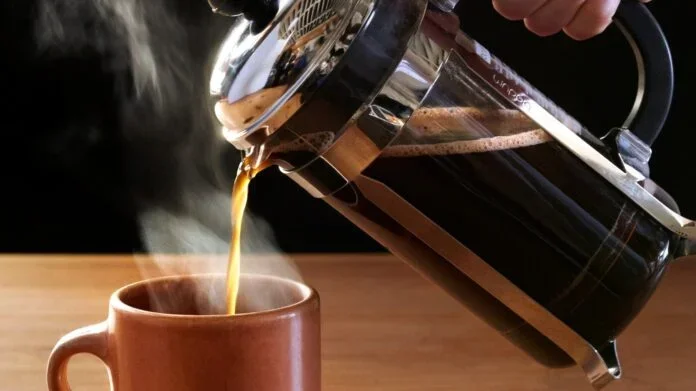
A French press is one of the simplest and most affordable coffee brewing methods out there. You just add ground coffee, pour hot water, let it steep for a few minutes, and press down the plunger. The result is a full-bodied cup with rich flavor and natural oils intact.
French presses are perfect for people who want a no-fuss brewing experience. They do not require electricity, filters, or any special skills. Clean up is easy too. Just rinse out the grounds and you are done.
Pour Over Coffee Setup
Pour over coffee has exploded in popularity over the last few years, and for good reason. It gives you incredible control over every variable in the brewing process. The result is a clean, bright cup that really lets the flavors of your coffee beans shine through.
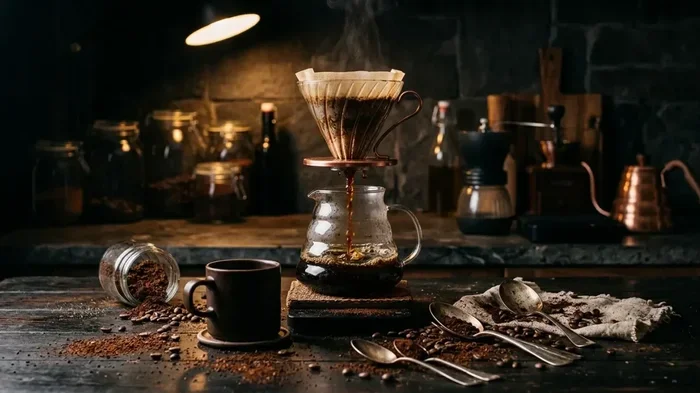
All you need is a pour over dripper, a paper or cloth filter, a gooseneck kettle, and your ground coffee. The slow, deliberate pouring process is almost meditative. Many coffee lovers say it is the most satisfying way to brew a cup at home.
Coffee Grinder
No matter what brewing method you choose, a good grinder is essential. Pre-ground coffee loses its flavor quickly. Grinding your beans right before brewing makes a huge difference in taste and aroma.
Burr grinders are the best choice for most people. They produce a consistent grind size, which leads to more even extraction. Blade grinders are cheaper but tend to create an uneven grind. If you are serious about your coffee bar ideas, a burr grinder is a must-have.
Milk Frother
If you enjoy lattes, cappuccinos, or any milk-based drink, a milk frother is a game-changer. You can get handheld electric frothers for very little money. Some espresso machines come with a built-in steam wand, which does the same job.
Frothing milk at home means you can enjoy café-quality drinks any time of day. It is a small addition that makes a big impact on your overall coffee experience.
Selecting the Best Coffee Beans and Accessories
Once you have your equipment sorted, it is time to focus on the ingredients that make or break your cup. Great coffee accessories and high-quality beans turn a good coffee bar into a great one.
Choosing Your Coffee Beans
The beans you use are the single most important factor in how your coffee tastes. Fresh, high-quality beans make a noticeable difference compared to old, pre-packaged ones. Look for beans that have a roast date listed on the bag rather than just an expiration date.
Here are a few tips for selecting the best beans:
- Buy Whole Beans: They stay fresh longer and give you more control over grind size.
- Try Different Roasts: Light roasts are bright and fruity. Medium roasts are balanced and smooth. Dark roasts are bold and smoky.
- Explore Single-Origin Coffees: These come from one region and let you taste the unique flavors of that area.
- Store Properly: Keep your beans in an airtight container away from light and heat.
Essential Accessories
A few small additions can really elevate your coffee bar experience. A kitchen scale helps you measure the perfect coffee-to-water ratio. A thermometer ensures your water is at the ideal brewing temperature, usually between 195 and 205 degrees Fahrenheit.
Good mugs matter too. A nice ceramic mug keeps your coffee warm longer and makes the whole experience feel more special. Consider investing in a set that matches your coffee bar decor for a polished look.
Designing Your Coffee Bar Layout
How you arrange your coffee station has a big impact on how much you actually use it. A well-organized setup makes brewing feel effortless. A cluttered one can make even the simplest task feel like a chore.
Keep It Within Reach
Everything you need to make a cup of coffee should be easy to access. Your grinder, beans, filters, and mug should all be within arm’s reach. If you have to walk across the kitchen every time you want a cup, you are less likely to use your setup regularly.
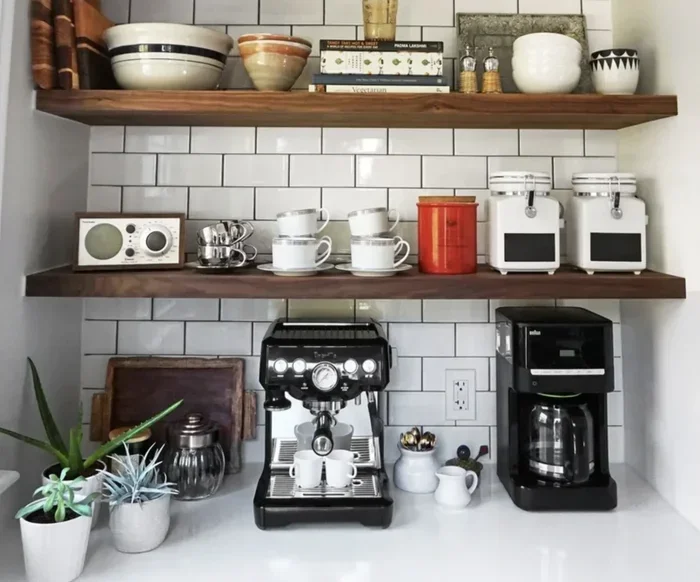
This is especially important for a kitchen coffee nook. Even a small corner can work beautifully if you keep the essentials grouped together. A narrow shelf or a small cart can serve as the perfect home for your coffee gear.
Think About Your Morning Flow
Consider the order in which you make your coffee. Do you grind the beans first, then brew? Or do you measure everything out before you start? Arrange your station to match your natural workflow.
For example, if you use a pour over method, place your kettle on one side, your dripper in the center, and your mug on the other. This creates a smooth left-to-right or right-to-left motion that feels natural and efficient.
Add Personal Touches
Your coffee bar should reflect your personality. A small plant, a favorite mug, or a framed recipe card for latte art can make the space feel inviting. These little details turn a functional setup into something you actually enjoy being around.
You can also add a small tray for your sweeteners, syrups, and stirrers. This keeps things neat and gives you a built-in menu of flavors to experiment with. Over time, you will develop your own signature drinks that make your mornings feel special.
Perfecting Your Brewing Methods
Once your setup is in place, the fun really begins. Experimenting with different coffee brewing methods is one of the most rewarding parts of having a home coffee bar. Each method brings out different flavors and textures in your beans.
Master the Basics
Before you try anything fancy, make sure you have the fundamentals down. The four key variables in any brewing method are grind size, water temperature, coffee-to-water ratio, and brew time. Getting these right will give you a consistently great cup every time.
Here is a quick reference for the basics:
- Grind Size: Coarse for French press, medium for drip, fine for espresso.
- Water Temperature: 195 to 205 degrees Fahrenheit for most methods.
- Coffee-to-Water Ratio: Start with 1:16 (one part coffee to sixteen parts water) and adjust to taste.
- Brew Time: 4 minutes for French press, 3 to 5 minutes for pour over, 25 to 30 seconds for espresso.
Experiment and Have Fun
The beauty of a home coffee bar is that you can try new things without any pressure. Change your grind size slightly and notice how it affects the flavor. Try a different bean origin and see what new notes emerge. Keep a simple log of what you try and what you like.
Over time, you will develop a feel for what works best for your palate. This is how you truly become a barista at home. You do not need formal training. You just need curiosity and a willingness to experiment.
Serving Breakfast Items Alongside Your Coffee
A great coffee bar is not just about the drink. Many people love pairing their morning coffee with something to eat. If you enjoy breakfast items, you can prepare simple foods right in your kitchen to go alongside your brew.
For example, if you want to serve crispy bacon with your morning coffee, you can easily make bacon in the oven without parchment paper for a quick and mess-free breakfast addition. The oven method gives you perfectly crispy strips every time with minimal cleanup.
If you are serving sandwiches or warm items, keeping them at the right temperature matters. A quick warm in the oven helps everything taste its best. You can keep burgers warm in oven if you are serving breakfast sandwiches alongside your coffee service. This keeps everything hot and ready for your morning table.
Creating the Full Coffee Bar Experience
A truly great coffee bar is about more than just the equipment and the beans. It is about creating an experience that makes you excited to start your day. The right atmosphere, a few smart choices, and a little creativity go a long way.
Set the Mood with Lighting and Decor
Soft lighting can transform your coffee corner into a cozy retreat. A small lamp or a string of warm LED lights adds instant ambiance. If your space allows, place a candle or a small plant nearby to make the area feel warm and welcoming.
Your coffee bar decor does not need to be expensive. A framed print of your favorite coffee artwork, a chalkboard menu where you write your daily drink specials, or a small vase of fresh flowers can make a big difference. These touches make the space feel like your own personal café.
Build a Drink Menu
One of the most fun parts of having a home coffee bar is creating your own drink menu. Start with the classics you love and then add a few signature drinks that are all your own. Maybe it is a vanilla latte with an extra shot of espresso or a iced cold brew with a hint of cinnamon.
Having a menu, even a mental one, gives your morning routine structure and makes it feel special. You can write it on a small notepad or a chalkboard near your station. Over time, you will refine your offerings based on what you enjoy most.
Keep Things Clean and Organized
A clean coffee bar is a functional coffee bar. Make it a habit to wipe down your surfaces after each use. Clean your equipment regularly to prevent buildup and keep your coffee tasting fresh.
Good coffee bar organization means everything has a place. Use small containers for your beans, a tray for your tools, and a cabinet or shelf for backup supplies. When your station is tidy, making coffee feels like a pleasure instead of a task.
For warming up any pastries or bread you might serve alongside your coffee, you can quickly warm pita bread in the oven or any bread item for a fresh, warm feel to your morning spread. This small touch adds a bakery-like quality to your at-home coffee experience.
Common Mistakes to Avoid
As you build your coffee bar, keep an eye out for a few common pitfalls. Avoiding these mistakes will save you time, money, and frustration.
- Buying beans too far in advance: Freshness matters. Buy only what you will use within two to four weeks.
- Skipping the grinder: Pre-ground coffee just cannot compare to freshly ground beans in terms of flavor.
- Using the wrong water temperature: Water that is too hot will scorch your coffee. Water that is too cold will under-extract it.
- Overcrowding your space: Start with the essentials and add more as you figure out your preferences.
- Ignoring maintenance: Regular cleaning of your equipment keeps your coffee tasting its best and extends the life of your gear.
Final Thoughts
Building a home coffee bar is one of the most rewarding projects you can take on. It combines creativity, practicality, and a genuine love for great coffee into one satisfying experience. Every element, from the equipment you choose to the way you arrange your space, contributes to the final result.
Remember, there is no single right way to do this. Your coffee bar should reflect your tastes, your space, and your lifestyle. Start with the basics, experiment freely, and let your setup evolve naturally over time. The goal is not perfection. The goal is to create a daily ritual that brings you joy and a cup of coffee you truly love.
With the tips and ideas in this guide, you have everything you need to get started. So grab your favorite beans, set up your station, and take the first step toward loving every cup you brew at home.
Frequently Asked Questions
What is the cheapest way to set up a coffee bar at home?
The most affordable approach is to start with a drip coffee maker, a manual hand grinder, and a few basic mugs. You can pick up all of these for under a hundred dollars and still brew excellent coffee every morning.
How much space do I need for a home coffee bar?
You can create a functional coffee bar in as little as one square foot of counter space. A small shelf or a narrow cart works perfectly for a compact setup. The key is to keep your most-used items within easy reach.
Do I need an espresso machine for a home coffee bar?
No, an espresso machine is not required. A French press, pour over setup, or drip coffee maker can all produce wonderful cups of coffee. An espresso machine is a nice upgrade if you enjoy milk-based drinks and want more control over your brewing.
How do I keep my coffee beans fresh?
Store your beans in an airtight container away from light, heat, and moisture. Avoid keeping them in the freezer, as moisture can affect the flavor. Buy beans in small batches and use them within two to four weeks of opening.
What is the best coffee-to-water ratio for brewing?
A good starting point is 1:16, which means one part coffee to sixteen parts water. You can adjust this ratio based on your taste preferences. If your coffee tastes too weak, use a little more coffee. If it tastes too strong, add a bit more water.
Can I use my coffee bar to serve guests?
Absolutely. A well-set-up coffee bar makes a wonderful addition to any gathering. You can offer a variety of brewing methods and toppings like syrups and creamers. It gives your guests a personalized coffee experience they will appreciate.
=== END ===