How To Make Good Strong Coffee At Home Every Morning
Making good strong coffee at home is easier than you think. You just need the right beans, the correct grind size, and the proper brewing method. This guide covers everything from choosing dark roast beans to mastering your morning routine. You will learn simple tricks that turn ordinary coffee into a bold, flavorful experience every single day.
Key Takeaways
- Choose the right beans: Dark roasts and freshly ground coffee make the biggest difference in strength and flavor.
- Master your grind size: A finer grind extracts more flavor and creates a stronger cup of coffee.
- Use the correct coffee-to-water ratio: Two tablespoons of grounds per six ounces of water is the sweet spot for bold coffee.
- Control water temperature: Water between 195°F and 205°F extracts the best flavors without burning the grounds.
- Try different brewing methods: French press, pour over, and Moka pot all produce stronger, more flavorful coffee than standard drip machines.
- Freshness matters: Always use beans roasted within two to four weeks for the best morning coffee experience.
📑 Table of Contents
- How To Make Good Strong Coffee At Home Every Morning
- Choose the Right Coffee Beans
- Master the Grind Size
- Get the Coffee-to-Water Ratio Right
- Control Your Water Temperature
- Explore the Best Brewing Methods for Strong Coffee
- Common Mistakes That Weaken Your Coffee
- Build the Perfect Morning Routine
- Final Thoughts
How To Make Good Strong Coffee At Home Every Morning
There is nothing quite like a strong cup of coffee to start your day right. Whether you need a caffeine boost to kickstart your morning or you simply love bold, rich flavor, making great coffee at home is totally within your reach. The secret is not magic. It is all about choosing the right beans, nailing your grind size, and using the proper brewing technique.
Many people settle for weak, bitter, or bland coffee every single morning. They think good coffee requires expensive equipment or a trip to a fancy café. That is simply not true. With a few simple adjustments and the right knowledge, you can brew coffee at home that rivals anything you would find in a specialty shop. This guide will walk you through every step of the process in plain, easy-to-follow language.
We will cover everything from selecting the best dark roast beans to mastering your brewing method. You will learn about grind sizes, water temperatures, and the perfect coffee-to-water ratio. By the end of this article, you will have all the tools you need to make your morning coffee routine something to look forward to every day.
Choose the Right Coffee Beans
The foundation of great coffee starts long before you brew a single cup. Your choice of beans determines the flavor profile, aroma, and overall strength of your coffee. Not all beans are created equal, and understanding this simple fact will change your morning routine forever.
Go for Dark Roast Beans
If you want strong coffee, dark roast beans are your best friend. Dark roasts have been roasted longer, which brings out deeper, bolder flavors. They also contain less acidity than lighter roasts, making them smoother on your stomach. When you browse the coffee aisle, look for labels that say “dark roast,” “French roast,” or “Italian roast.” These varieties are specifically designed for those who love a robust cup.
Here is a quick comparison of roast levels to help you choose:
- Light Roast: Mild flavor, higher acidity, more caffeine by weight. Best for subtle tasting notes.
- Medium Roast: Balanced flavor, moderate acidity, and a smooth finish. A good middle ground.
- Dark Roast: Bold, smoky, and rich flavor with lower acidity. The go-to choice for strong coffee lovers.
Buy Freshly Roasted Beans
Freshness is one of the most overlooked factors in making great coffee. Beans that have been sitting on a shelf for months lose their flavor quickly. Always check the roast date on the bag. Ideally, you want beans that were roasted within two to four weeks of your purchase date. Many local roasters and online shops clearly print this date on their packaging.
Store your beans in an airtight container away from direct sunlight. Do not keep them in the freezer, as moisture can damage the flavor. A cool, dark pantry works perfectly for keeping your coffee beans fresh and flavorful.
Buy Whole Beans and Grind at Home
This is arguably the single biggest upgrade you can make. Pre-ground coffee loses its freshness fast because the oils and aromatic compounds start to degrade the moment the bean is crushed. When you grind your beans right before brewing, you unlock maximum flavor and aroma. Your coffee will taste noticeably better from the very first sip.
A simple burr grinder works wonders here. It gives you consistent grind size, which is essential for even extraction. Blade grinders can work too, but they tend to produce uneven particles. If you are serious about your morning coffee, investing in a burr grinder is one of the best decisions you will ever make.
Master the Grind Size
Grind size plays a huge role in how your coffee tastes. If your grounds are too coarse, the water passes through too quickly and you get weak, under-extracted coffee. If they are too fine, the water slows down and you end up with bitter, over-extracted coffee. Getting the right grind size is the key to unlocking bold, balanced flavor.
Different Brewing Methods Need Different Grinds
Each brewing method works best with a specific grind size. Here is a simple guide to help you match your grind to your method:
- French Press: Use a coarse grind, similar to sea salt. This prevents fine particles from passing through the filter and keeps your coffee clean and full-bodied.
- Pour Over: A medium-fine grind works best. Think of the texture of sand. This allows for even extraction and a clean, bright cup.
- Moka Pot: Use a fine grind, slightly coarser than espresso. This creates the right pressure for a rich, strong brew.
- Drip Coffee Maker: A medium grind is ideal. It balances flow rate and extraction for a consistent cup every time.
If you are using a standard drip machine and your coffee always tastes weak, try going slightly finer with your grind. This small change can make a surprisingly big difference in your coffee strength. Just be careful not to go too fine, or your coffee may turn bitter.
Get the Coffee-to-Water Ratio Right
One of the most common mistakes people make is using too little coffee for the amount of water. The right ratio ensures your coffee is strong, flavorful, and well-balanced. There is no guesswork involved once you know the proper measurements.
The Golden Ratio for Strong Coffee
The standard recommendation from coffee experts is two tablespoons of ground coffee for every six ounces of water. This is a great starting point. If you like your coffee even stronger, try increasing to three tablespoons per six ounces. You can adjust from there based on your personal preference.
Here is a simple breakdown for different cup sizes:
- One cup (6 oz): 2 to 3 tablespoons of grounds
- Two cups (12 oz): 4 to 6 tablespoons of grounds
- Full pot (12 cups): 24 tablespoons (or 1.5 cups) of grounds
Using a kitchen scale makes this even easier. Weigh out your coffee and water for consistent results every single time. A good target ratio by weight is 1:15, meaning one gram of coffee for every 15 grams of water. This gives you precise control over your brew strength.
Control Your Water Temperature
Water temperature is a hidden factor that many people overlook. If your water is too hot, it can scorch the coffee grounds and create a bitter taste. If it is too cool, it will not extract enough flavor, leaving you with weak, flat coffee.
What Is the Ideal Temperature?
The sweet spot for brewing coffee is between 195°F and 205°F. This range is hot enough to extract the full range of flavors and oils from the grounds without burning them. Most coffee makers heat water to this range automatically, but if you are using a manual method like a French press or pour over, you may need to heat your water separately.
If you do not have a thermometer, simply bring your water to a boil and then let it sit for about 30 seconds. This cooling period brings it right into the ideal range. Using water straight off the boil is a common mistake that can ruin the taste of your bold coffee.
Explore the Best Brewing Methods for Strong Coffee
The method you use to brew your coffee has a massive impact on its strength and flavor. Some methods naturally produce a richer, more concentrated cup than others. Let us explore the best options for making strong coffee at home.
French Press
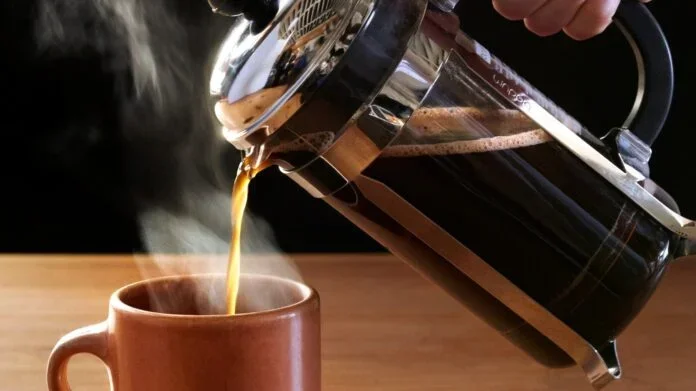
The French press is one of the most popular methods for making strong coffee at home. It works by steeping coarsely ground coffee in hot water for about four minutes, then pressing a metal filter down to separate the grounds from the liquid. Because the coffee sits in the water the entire time, it extracts more flavor and oils than drip brewing.
The result is a rich, full-bodied cup with a heavy mouthfeel. French press coffee is bold and aromatic, making it a favorite among people who love strong morning coffee. The only downside is that it requires a bit more cleanup than a drip machine, but the flavor is well worth the extra effort.
Pour Over
Pour over brewing gives you excellent control over every aspect of the process. You slowly pour hot water over coffee grounds in a filter, allowing it to drip through into your cup below. This method produces a clean, bright cup with distinct flavor notes.
Pour over is perfect for people who enjoy the ritual of making coffee. It takes a few minutes longer than other methods, but the result is a crisp, flavorful brew that highlights the unique characteristics of your beans. A good pour over setup includes a dripper, a paper filter, and a gooseneck kettle for precise pouring.
Moka Pot
The Moka pot is a stovetop espresso maker that produces a concentrated, strong cup of coffee. It uses steam pressure to push water through ground coffee, creating a rich brew that is similar to espresso but less intense. Moka pots are affordable, durable, and perfect for anyone who wants strong coffee without investing in an expensive espresso machine.
Moka pot coffee is a staple in many households around the world, especially in Italy. It produces a small, concentrated cup that is perfect for sipping slowly or using as a base for milk drinks. If you have not tried a Moka pot yet, it is absolutely worth adding to your kitchen.
Cold Brew Concentrate
Cold brew is not just for hot summer days. It produces an incredibly smooth and concentrated coffee that can be diluted with water or milk. The process is simple: coarsely ground coffee steeps in cold water for 12 to 24 hours, then you strain out the grounds.
Cold brew is naturally less acidic than hot brewed coffee, which makes it gentler on your stomach. Because it is concentrated, a little goes a long way. You can store cold brew concentrate in the fridge for up to two weeks, making it a convenient option for busy mornings. Simply pour, dilute, and enjoy your strong morning coffee without any brewing wait time.
Common Mistakes That Weaken Your Coffee
Even with the right beans and method, small mistakes can sabotage your coffee. Here are the most common errors people make and how to fix them.
Using Old or Stale Beans
This is the number one reason coffee tastes weak or flat. Old beans have lost their oils and aromatic compounds, which means less flavor and less strength. Always check the roast date and buy in smaller quantities so you can use them within a few weeks.
Grinding Too Coarse or Too Fine
As we discussed earlier, grind size matters enormously. Too coarse and your coffee will be weak and sour. Too fine and it will be bitter and harsh. Finding the right balance for your specific brewing method is essential for a strong, delicious cup.
Using the Wrong Amount of Coffee
Many people use way too little coffee, especially when using drip machines. The measuring scoop that comes with most machines is often too small. Be generous with your grounds, and adjust based on taste. It is always easier to add more coffee than to fix a weak brew.
Reusing Coffee Grounds
Some people try to save money by brewing coffee twice with the same grounds. This is a big mistake. The second brew produces thin, flavorless coffee with almost no caffeine. Always use fresh grounds for every pot. Think of it this way, quality beans are worth the investment.
Ignoring Water Quality
Coffee is about 98 percent water, so the quality of your water matters more than you might think. Hard water with high mineral content can interfere with extraction and create off-flavors. Filtered water produces the cleanest, most balanced cup. Avoid distilled water, as it lacks the minerals needed for proper extraction.
Build the Perfect Morning Routine
Making great coffee is about more than just the brewing process. It is about building a morning routine that sets you up for success. A few simple habits can transform your entire morning experience.
Start by preparing your coffee station the night before. Measure out your beans, set your grinder, and have your clean equipment ready. In the morning, all you need to do is grind, brew, and enjoy. This small prep step saves time and removes any friction from your routine.
Consider pairing your coffee with a simple breakfast. A few strips of crispy bacon made in the oven alongside a bold cup of coffee creates a satisfying morning combo that fuels you for the day ahead. If you are feeling adventurous on the weekends, you could even whip up some homemade nachos in the oven for a brunch treat that pairs surprisingly well with a strong cup of coffee.
Consistency is key. Try to brew your coffee at the same time each morning. Your body will start to associate that routine with waking up and feeling energized. Over time, your morning coffee ritual becomes one of the most enjoyable parts of your day.
Final Thoughts
Making good strong coffee at home every morning does not require expensive gear or years of experience. It requires the right beans, the proper grind size, the correct ratio, and a little bit of attention to detail. Once you dial in these fundamentals, you will never want to go back to weak, disappointing coffee again.
Start with one or two changes from this guide. Maybe you switch to dark roast beans, or maybe you invest in a burr grinder. Whatever you choose, commit to it and adjust over time. Coffee brewing is a personal journey, and the best cup is the one that tastes perfect to you.
The beauty of making coffee at home is that you are in complete control. You decide the strength, the flavor, and the method. No more settling for mediocre coffee from a machine that does not care about your morning. You deserve better, and now you have everything you need to make it happen.
So tomorrow morning, wake up a little earlier, take your time, and enjoy the process. Grind those fresh beans, heat your water to the right temperature, and brew a cup that truly energizes and inspires you. Your good strong coffee at home journey starts now.
Frequently Asked Questions
What type of coffee beans make the strongest coffee?
Dark roast beans generally produce the strongest and boldest coffee. They have been roasted longer, which brings out deeper flavors and a richer taste. However, the brewing method and grind size also play a huge role in determining overall strength.
How much coffee should I use per cup?
The recommended ratio is two tablespoons of ground coffee for every six ounces of water. If you prefer stronger coffee, use three tablespoons per six ounces. Adjust based on your personal taste preference.
Can I make strong coffee with a regular drip coffee maker?
Yes, you absolutely can. Use a finer grind, increase the amount of coffee grounds, and make sure your water temperature is between 195°F and 205°F. These small adjustments will significantly boost the strength of your drip coffee.
Is French press coffee stronger than drip coffee?
French press coffee tends to be stronger and more full-bodied because the coffee grounds steep directly in the water for several minutes. This allows for more extraction of oils and flavors compared to paper-filtered drip brewing.
How long should I grind my coffee beans before brewing?
Grind your beans just before brewing for the best flavor. Pre-ground coffee starts to lose its freshness within minutes. If you grind ahead of time, store the grounds in an airtight container and use them within 15 minutes.
Does coffee strength decrease over time?
Yes, coffee loses its flavor and aroma as it sits. Brewed coffee is best consumed within 20 to 30 minutes of brewing. If you need to keep it warm, use a thermal carafe rather than a hot plate, which can burn the coffee and make it taste bitter.
=== META TITLE ===
How To Make Good Strong Coffee At Home Every Morning
=== URL SLUG ===
how-to-make-good-strong-coffee-at-home-every-morning