How To Make Healthy Coffee At Home Every Single Day
Making healthy coffee at home is easier than you think. You will learn how to choose the best beans, brew them properly, and add natural ingredients that boost nutrition. This guide covers everything from organic coffee beans to low-calorie sweeteners, so you can enjoy a delicious and wholesome cup every morning.
There is something magical about a warm cup of healthy coffee in the morning. It wakes you up, boosts your mood, and gives you a moment of calm before the day kicks in. But did you know that how you make your coffee can either boost its health benefits or strip them away entirely?
Many people drink coffee every day without thinking about what they are actually putting in their bodies. Creamers loaded with sugar, flavored syrups, and processed additives can turn a simple cup of black coffee into a calorie bomb. The good news is that making healthy coffee at home is simple, affordable, and incredibly rewarding. You do not need a fancy espresso machine or a barista degree. You just need a few smart choices and the right coffee brewing methods.
This guide will walk you through everything you need to know. From selecting the best organic coffee beans to choosing natural sweeteners and nutritious add-ins, you will find practical steps you can start using today. Whether you are a black coffee purist or someone who loves a creamy latte, there is something here for you. Let us dive in and transform your morning routine into a health-boosting ritual.
Key Takeaways
- Choose quality beans: Organic and freshly roasted beans make a huge difference in taste and health benefits.
- Brew method matters: Drip, pour-over, French press, and cold brew each offer unique health and flavor profiles.
- Skip the sugar: Natural sweeteners like honey, cinnamon, or stevia keep your coffee healthy without extra calories.
- Add nutritious boosters: Collagen, MCT oil, cinnamon, and cocoa powder can turn your coffee into a functional drink.
- Use clean water and proper temperature: Filtered water and the right brewing temperature extract the best flavors and antioxidants.
- Keep it low calorie: Dairy-free creamers and small additions help you enjoy coffee without undermining your health goals.
📑 Table of Contents
- Why Healthy Coffee Matters Every Morning
- Choosing the Best Beans for Healthy Coffee
- The Best Brewing Methods for Healthy Coffee
- Natural Sweeteners and Healthy Add-Ins
- Setting Up Your Kitchen for Healthy Coffee Habits
- Common Mistakes to Avoid When Making Coffee at Home
- Expert Tips for Making the Perfect Cup Every Time
- Conclusion
Why Healthy Coffee Matters Every Morning
Coffee is one of the most consumed beverages on the planet. Billions of cups are drunk daily, and for good reason. It smells amazing, tastes wonderful, and delivers a welcome energy boost. But the health benefits of coffee go far beyond just waking you up.
The Power of Coffee Antioxidants
Coffee is packed with antioxidants in coffee that fight free radicals in your body. These antioxidants help reduce inflammation and protect your cells from damage. Studies have shown that moderate coffee consumption is linked to a lower risk of several chronic diseases, including type 2 diabetes, Parkinson’s disease, and certain types of cancer.
When you make healthy coffee at home, you control exactly what goes into your cup. You avoid the hidden sugars and artificial flavors found in many café drinks. A plain cup of black coffee contains only about 2 calories, making it one of the healthiest beverages you can drink. Adding the right ingredients can enhance those benefits even further.
Caffeine and Health: Finding Your Balance
The topic of caffeine and health comes up often, and for good reason. Caffeine is a natural stimulant that improves focus, alertness, and physical performance. However, too much caffeine can cause jitters, anxiety, and poor sleep. The key is to find your sweet spot.
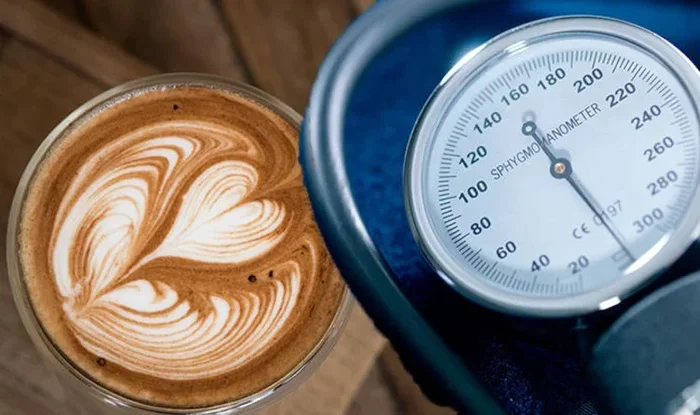
Most health experts recommend limiting caffeine intake to about 400 milligrams per day. That is roughly four cups of brewed coffee. By drinking healthy coffee at home, you can monitor your intake more carefully. You also get to enjoy the pure taste of coffee without the crash that comes from sugary café drinks.
Choosing the Best Beans for Healthy Coffee
The foundation of any great cup of healthy coffee starts with the beans. Not all coffee beans are created equal, and the quality of your beans directly impacts both flavor and health benefits. Choosing the right beans is one of the simplest yet most impactful steps you can take.
Organic vs. Regular Coffee Beans
Organic coffee beans are grown without synthetic pesticides, herbicides, or fertilizers. This means fewer chemicals end up in your cup and in the environment. Many people who switch to organic coffee notice a cleaner, smoother taste as well. When you buy organic coffee beans, you are also supporting farming practices that are better for the planet.
Regular coffee beans, on the other hand, may carry residue from the chemicals used during growing and processing. While the amounts are generally considered safe, choosing organic gives you peace of mind. Look for beans that are certified organic by a reputable organization. This ensures they meet strict standards from farm to cup.
Freshness Is Everything
Freshly roasted beans make a noticeable difference in taste and aroma. Coffee starts to lose its flavor and nutritional value within two to four weeks of roasting. Always check the roast date on the bag before buying. The best coffee beans are ones that were roasted within the last two weeks.
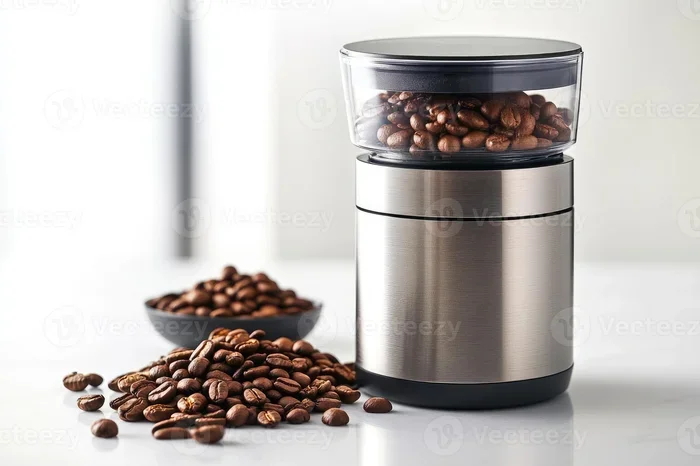
Buy whole beans and grind them just before brewing. Pre-ground coffee loses its freshness much faster. A simple burr grinder at home makes a world of difference. The aroma of freshly ground beans in the morning is one of life’s small but meaningful pleasures.
Light, Medium, or Dark Roast?
Many people wonder whether roast level affects the health benefits of coffee. The truth is that all roast levels contain similar amounts of antioxidants. Light roasts tend to have slightly more acidity and fruit-forward flavors. Medium roasts offer a balanced taste with caramel notes. Dark roasts have a bolder, smokier profile with lower acidity.
For healthy coffee at home, choose the roast level you enjoy most. The best coffee is the coffee you will actually drink consistently. There is no single “healthiest” roast. It is all about finding what tastes great to you and sticking with it.
The Best Brewing Methods for Healthy Coffee
How you brew your coffee matters just as much as what beans you use. Different coffee brewing methods extract different flavors, oils, and compounds from the grounds. Some methods produce a cleaner cup, while others create a richer, more full-bodied experience.
Drip Brewing
Drip coffee makers are the most common way people brew coffee at home. They are convenient, easy to use, and produce a consistent cup every time. With a drip brewer, hot water passes through a filter and coffee grounds, dripping into a carafe below.
One advantage of drip brewing is that the paper filter catches most of the oils called cafestol. Cafestol can raise cholesterol levels in some people. So if you are watching your cholesterol, drip brewing with a paper filter is a smart choice for healthy coffee at home.
Pour-Over Method
The pour-over method gives you more control over the brewing process. You slowly pour hot water over coffee grounds in a filter, allowing the coffee to drip into your cup below. This method produces a clean, bright cup that highlights the subtle flavors of the beans.
Pour-over brewing takes a little more time and attention, but many coffee lovers swear by it. The result is a low calorie coffee drink that tastes restaurant-quality. All you need is a pour-over dripper, a paper filter, and a gooseneck kettle. It is one of the best ways to make healthy coffee at home.
French Press
A French press creates a rich, full-bodied cup by steeping coarsely ground coffee in hot water for about four minutes. Then you press a metal plunger down to separate the grounds from the liquid. Because there is no paper filter, more of the natural oils remain in the final brew.
The French press method gives you a more robust flavor and retains more antioxidants. However, it also retains more cafestol. If you drink multiple cups a day and are concerned about cholesterol, consider alternating between French press and filtered methods.
Cold Brew Coffee
Cold brew coffee healthy options have become incredibly popular in recent years, and for good reason. Cold brewing involves steeping coarse coffee grounds in cold water for 12 to 24 hours. The result is a smooth, low-acid concentrate that is gentle on the stomach.
Cold brew is naturally less bitter than hot-brewed coffee, which means you may not need as much sweetener. It is also incredibly versatile. You can dilute it with water, add coffee with almond milk, or blend it with ice for a refreshing summer drink. Cold brew is one of the easiest ways to enjoy healthy coffee at home without any bitterness.
Natural Sweeteners and Healthy Add-Ins
One of the biggest mistakes people make with coffee is adding too much sugar or using artificial sweeteners. The good news is that there are plenty of natural alternatives that enhance flavor without compromising your health goals.
Ditch the Refined Sugar
Refined sugar adds empty calories and causes blood sugar spikes. Over time, this can lead to weight gain, energy crashes, and other health issues. If you love sweet coffee, it is time to explore better options.
Switching to natural sweeteners for coffee is one of the easiest upgrades you can make. Honey, maple syrup, and stevia are all excellent choices. They add sweetness with fewer calories and less impact on your blood sugar. Even a small drizzle of raw honey adds a lovely depth of flavor to your morning cup.
Nutritious Add-Ins That Boost Your Coffee
Beyond sweeteners, there are many add-ins that can turn your coffee into a functional health drink. Here are some of the best options for healthy coffee at home:
- Cinnamon: Adds natural sweetness and helps regulate blood sugar levels. A sprinkle of cinnamon on top of your coffee is delicious and beneficial.
- Cocoa powder: Unsweetened cocoa adds a rich chocolate flavor and is loaded with antioxidants. It makes your coffee feel like a treat without the guilt.
- Collagen peptides: Adding a scoop of collagen supports skin, joint, and gut health. It dissolves easily and has no taste, making it perfect for coffee.
- MCT oil: Medium-chain triglycerides provide quick, sustained energy. MCT oil blends smoothly into coffee and is popular in low calorie coffee drink recipes.
- Coconut milk or almond milk: These dairy free coffee creamer options add creaminess without the saturated fat found in heavy cream. They work beautifully in both hot and cold coffee.
- Vanilla extract: A few drops of pure vanilla extract add warmth and sweetness naturally, without any sugar or calories.
Building Your Perfect Morning Coffee Recipe
Creating your own homemade coffee drinks is fun and rewarding. Start with a base of freshly brewed organic coffee. Then add your preferred healthy add-ins. Here is a simple recipe to get you started:
- Brew one cup of organic coffee using your preferred method.
- Add one tablespoon of almond milk or coconut milk.
- Stir in half a teaspoon of raw honey or a few drops of stevia.
- Sprinkle a pinch of cinnamon on top.
- Add a half scoop of collagen peptides if desired.
- Stir well and enjoy your healthy coffee creation.
This recipe takes under three minutes and delivers a cup that tastes amazing while supporting your health. You can experiment with different combinations until you find your personal favorite.
Setting Up Your Kitchen for Healthy Coffee Habits
Making healthy coffee at home is not just about the coffee itself. It is also about creating a kitchen environment that supports your healthy habits. When your space is organized and your tools are ready, it becomes much easier to stick with your morning routine.
Keep Your Equipment Clean
Clean equipment makes better-tasting coffee and keeps harmful bacteria at bay. Regular maintenance of your coffee brewing methods tools is essential. For example, if you use a toaster oven for warming breakfast items alongside your coffee, make sure to clean the bottom tray of your toaster oven regularly to prevent grease buildup and off-flavors in your kitchen.
A clean coffee grinder, fresh filters, and a well-maintained brewer all contribute to a better cup. Set a weekly reminder to deep-clean your equipment. It only takes a few minutes and makes a big difference in taste and hygiene.
Set Up for Success with Smart Kitchen Habits
If you are setting up a new kitchen or refreshing your current one, start by organizing your coffee station. Keep your beans, grinder, sweeteners, and creamers in one accessible area. When everything is within reach, you are far more likely to make your coffee at home instead of grabbing something less healthy on the go.
Similarly, if you have recently invested in new kitchen appliances, take the time to learn how to use them properly. For instance, if you just purchased a new oven, read through the guide on how to use a brand new oven so you can confidently incorporate it into your meal prep and breakfast routines alongside your coffee ritual.
Meal Prep and Coffee: A Winning Combo
Pairing your morning coffee with a nutritious breakfast sets the tone for the entire day. When you meal prep on weekends, you can have healthy breakfast options ready to go. Warming up your breakfast in the oven is quick and easy. You can also keep breakfast items warm in the oven so that your morning runs smoothly without any stress.
The goal is to create a morning routine that feels effortless and enjoyable. When your coffee and breakfast are both healthy and convenient, you build habits that last.
Common Mistakes to Avoid When Making Coffee at Home
Even with the best intentions, it is easy to make mistakes that undermine the health benefits of your coffee. Here are some common pitfalls and how to avoid them.
Using Tap Water with Chlorine or Impurities
The water you use matters more than you might think. Tap water can contain chlorine, minerals, and other impurities that affect the taste of your coffee. Always use filtered water for the best flavor and the cleanest cup. Good water brings out the natural sweetness and complexity of your beans.
Using the Wrong Water Temperature
Water that is too hot will over-extract the coffee and create a bitter taste. Water that is too cool will under-extract and leave your coffee weak and sour. The ideal brewing temperature is between 195 and 205 degrees Fahrenheit. Invest in a simple kitchen thermometer if you are unsure. Getting the temperature right is one of the easiest ways to improve your healthy coffee at home experience.
Adding Too Much Creamer or Flavoring
It is tempting to load up your coffee with flavored creamers, but many of these products contain hydrogenated oils, artificial flavors, and excessive sugar. These additions can add hundreds of calories and negate the health benefits of your coffee. Stick to natural options like almond milk, coconut milk, or a small amount of real cream.
Buying Pre-Made Coffee Drinks
Store-bought coffee drinks from convenience stores and coffee shops are often loaded with sugar, calories, and artificial ingredients. A single flavored latte can contain 300 or more calories and 40 grams of sugar. By making your own healthy coffee at home, you save money and take control of every ingredient that goes into your cup.
Expert Tips for Making the Perfect Cup Every Time
Brewing great coffee at home is both an art and a science. A few expert tips can elevate your daily cup from ordinary to extraordinary. These simple habits make a noticeable difference in taste, aroma, and health benefits.
Grind Size Matters
Different brewing methods require different grind sizes. A coarse grind works best for French press, while a medium grind is ideal for drip coffee makers. A fine grind is suited for espresso. Using the wrong grind size can result in over-extraction or under-extraction, leading to a bitter or weak cup.
Invest in a quality burr grinder that allows you to adjust the grind size. This single upgrade can transform the flavor of your healthy coffee at home.
Store Beans Properly
Oxygen, light, heat, and moisture are the enemies of fresh coffee beans. Store your beans in an airtight container in a cool, dark place. Avoid storing them in the freezer, as the moisture can degrade the quality. When stored correctly, your beans will stay fresh for up to two weeks after opening.
Experiment and Have Fun
The beauty of making coffee at home is that you can experiment until you find your perfect cup. Try different beans, roast levels, brewing times, and add-ins. Keep a coffee journal if you want to track what works best. The journey of discovering your ideal healthy coffee at home routine is just as enjoyable as the final result.
Conclusion
Making healthy coffee at home every single day is one of the simplest and most rewarding habits you can build. From choosing organic coffee beans and the right brewing methods to adding natural sweeteners and nutritious boosters, every step counts. You have the power to turn your morning coffee into a health-boosting ritual that tastes amazing and supports your well-being.
Start with small changes. Switch to filtered water, try a new natural sweetener, or experiment with a different brew method. Over time, these small steps add up to a big transformation in how you feel each morning. The best part is that once you taste the difference, you will never want to go back to sugary, processed coffee drinks again.
Your morning cup of coffee deserves to be as healthy and delicious as possible. Now that you have all the tools and knowledge, it is time to put them into practice. Make your next cup of coffee count. Your body and your taste buds will thank you.
Frequently Asked Questions
What makes coffee healthy?
Coffee is naturally rich in antioxidants and contains minimal calories when consumed black. The key to keeping it healthy is avoiding added sugars, artificial creamers, and excessive caffeine. Using organic beans, filtered water, and natural add-ins like cinnamon or almond milk makes your coffee even better for you.
Is black coffee the healthiest option?
Black coffee is the lowest calorie and most natural form of coffee. It contains no added sugars or fats, allowing you to fully benefit from the antioxidants and nutrients in the beans. However, adding healthy ingredients like collagen or MCT oil can also be beneficial depending on your goals.
Can I use artificial sweeteners in my coffee?
While artificial sweeteners are generally considered safe, they can disrupt gut health and increase sugar cravings over time. Natural sweeteners like raw honey, stevia, or maple syrup are better alternatives for long-term health. They add sweetness with fewer negative side effects.
How many cups of healthy coffee should I drink per day?
Most health experts recommend limiting caffeine intake to about 400 milligrams per day, which is roughly three to four cups of brewed coffee. Listen to your body and adjust your intake if you experience jitters, anxiety, or sleep problems. Quality matters more than quantity.
What is the best milk alternative for healthy coffee?
Almond milk and coconut milk are excellent dairy-free options that add creaminess without excess calories or saturated fat. Oat milk is another popular choice that froths well and has a naturally sweet flavor. Choose unsweetened versions to keep your coffee low calorie and healthy.
Can I reuse coffee grounds at home?
Yes, you can reuse coffee grounds for a second, weaker brew or use them in other ways around the home. Reused grounds still contain some antioxidants and can be added to compost, used as a natural deodorizer, or mixed into a body scrub. However, the second brew will have fewer flavors and less caffeine than the first.