How To Brew Fine Ground Coffee for the Perfect Cup
Brewing fine ground coffee is easier than you think. This guide covers everything you need to know about choosing the right grind, water temperature, and brewing method. You will learn how to make a rich, flavorful cup of coffee that rivals your favorite cafe.
Key Takeaways
- Grind Size Matters: Fine ground coffee extracts faster and needs the right method to avoid bitterness.
- Use the Right Ratio: A 1:15 to 1:17 coffee-to-water ratio delivers the best flavor.
- Water Temperature Is Critical: Brew between 195°F and 205°F for optimal extraction.
- Choose the Right Brewer: Methods like pour over, AeroPress, and moka pot work great with fine grounds.
- Freshness Counts: Grind your beans just before brewing for the freshest taste.
- Avoid Common Mistakes: Over-extraction, wrong water temperature, and stale beans ruin your cup.
📑 Table of Contents
Understanding Fine Ground Coffee and Why It Matters
Coffee lovers know that the grind size is one of the most important factors in making a great cup. Fine ground coffee has a texture similar to table salt or powdered sugar. This tiny particle size creates more surface area, which means the water extracts flavor faster. Understanding this basic concept helps you avoid common brewing mistakes and enjoy a much better cup every morning.
Fine ground coffee is not just one thing. It is a category that includes several grind sizes, from extra fine to moderately fine. Each type works best with a specific brewing method. When you use the right grind for the right method, you unlock the full potential of your coffee beans. The result is a rich, complex coffee flavor that tastes balanced and satisfying.
What Makes a Grind Fine
The grind size refers to how coarsely or finely the coffee beans are crushed. A fine grind means the particles are very small. Think of flour or powdered sugar. This is much finer than a medium grind, which looks like sand, or a coarse grind, which looks like sea salt. The smaller the particles, the more quickly they release their oils and flavors into the water.
Grinding your own beans gives you full control over the grind size. Pre-ground coffee loses freshness fast because the tiny particles are exposed to air. If you want the best results, invest in a good coffee grinder and grind your beans just before brewing. This simple step makes a huge difference in taste and aroma.
How Grind Size Affects Your Brew
Grind size directly impacts coffee extraction. Extraction is the process where hot water pulls flavors, oils, and compounds from the grounds. Fine grounds extract faster because more surface area touches the water. If you brew too long with fine grounds, the coffee becomes over-extracted and bitter. If you brew too short, the coffee tastes under-extracted and sour.
Think of it like steeping tea. A fine grind is like using crushed tea leaves. They release flavor quickly. A coarse grind is like whole tea leaves. They take longer. Getting the balance right is the key to a perfect cup of coffee every single time.
Common Uses for Fine Ground Coffee
Fine ground coffee is used in several popular brewing methods. Espresso machines rely on very fine grounds to create the high pressure needed for a shot. Turkish coffee also uses an ultra-fine grind that is almost like powder. AeroPress brewing works well with fine to medium-fine grounds. Some people even use fine grounds in a drip coffee maker, though this requires careful attention to brewing time and water flow.
If you are new to coffee brewing with fine grounds, start with a pour over method. It gives you the most control over brewing time and coffee temperature. Once you master pour over, you can experiment with other methods like the AeroPress or moka pot. Each method brings out different qualities in the same fine grounds.
The Best Brewing Methods for Fine Ground Coffee
Not every coffee maker works well with fine grounds. Some methods are designed specifically for them, while others can produce bitter or muddy results. Choosing the right coffee maker is essential for getting the best coffee taste from your ground coffee. Let us explore the top methods that deliver outstanding results.
Pour Over Brewing
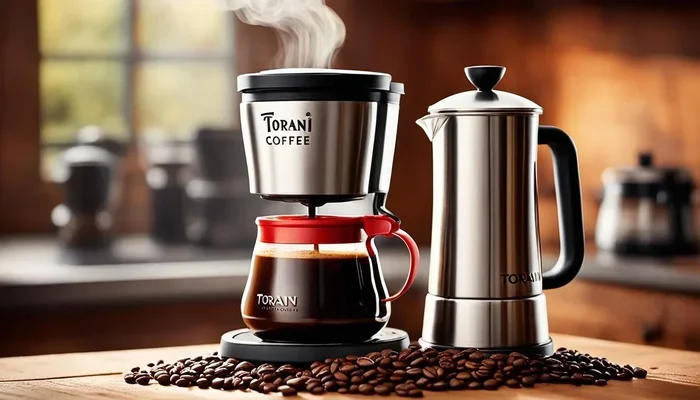
Pour over coffee is one of the best ways to brew fine ground coffee at home. This method gives you complete control over every variable. You decide the water temperature, the pour speed, and the total brewing time. A pour over cone with a coffee filter catches the fine particles while letting the liquid pass through into your cup.
To brew pour over coffee, place a filter in your dripper and add the grounds. Slowly pour hot water over the grounds in a circular motion. Let the coffee drip through into your mug or carafe. The total brew time should be around three to four minutes. This method produces a clean, bright cup that highlights the unique flavors of your fresh coffee.
If you are making a full breakfast alongside your coffee, warming pita bread in the oven pairs wonderfully with a fresh cup of coffee. The warm, soft bread complements the rich flavors of a well-brewed pour over.
AeroPress Method
The AeroPress is a versatile and portable brewer that works wonderfully with fine grounds. It uses air pressure to push water through the coffee, similar to an espresso machine but much simpler to operate. The result is a smooth, full-bodied cup with low acidity and a clean finish.
Add fine grounds to the AeroPress chamber, pour in hot water, stir gently, and let it brew for one to two minutes. Then press the plunger down slowly and steadily. The coffee filter inside the AeroPress catches all the fine particles, giving you a clean and sediment-free cup. This method is perfect for people who want espresso-like results without expensive equipment. It is also incredibly easy to clean, making it ideal for daily use.
Moka Pot Brewing
A moka pot is a stovetop espresso maker that has been a kitchen staple for decades. It uses steam pressure to push water through fine ground coffee. The result is a strong, rich brew that is close to espresso but slightly less intense and more approachable for everyday drinking.
Fill the bottom chamber with water up to the valve, add fine grounds to the filter basket without packing them too tightly, and screw the top on securely. Place it on the stove over medium heat. The coffee will start to rise into the top chamber within a few minutes. Remove it from the heat as soon as you hear a hissing sound. This prevents over-extraction and keeps the coffee flavor smooth and enjoyable.
Espresso Machine
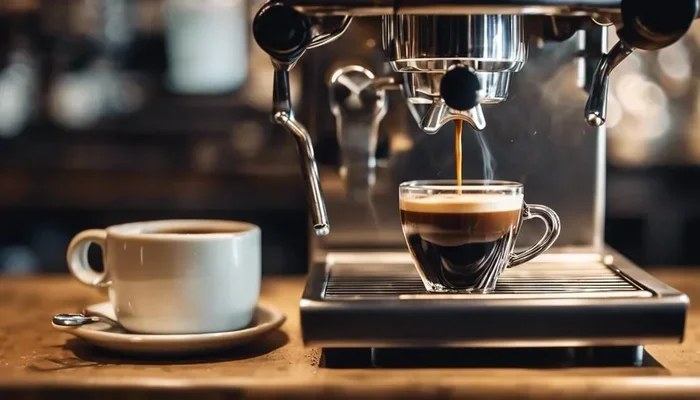
If you have an espresso machine, you already know that it demands a very fine grind. The machine forces hot water through the grounds at high pressure. This rapid extraction pulls out the oils and flavors that create the rich, creamy texture of a proper espresso shot.
Using fine ground coffee in an espresso machine requires precision and practice. The grind must be consistent, and the dose must be correct. A good starting point is about 18 grams of coffee for a double shot. The brewing time should be around 25 to 30 seconds. If the shot runs too fast, grind finer. If it runs too slow, grind coarser. Dialing in your espresso machine takes patience, but the reward is a genuinely exceptional cup.
The Perfect Coffee-to-Water Ratio
Getting the ratio right is just as important as choosing the correct grind size. Too much coffee makes your drink strong and bitter. Too little leaves it weak and watery. The right balance brings out the best in your fine ground coffee and ensures every sip is satisfying.
Why Ratios Matter
The coffee ratio determines how concentrated your brew will be. A standard ratio is 1:15, which means one part coffee to 15 parts water. For example, 20 grams of coffee to 300 grams of water. This ratio works well for most coffee brewing methods and produces a balanced, flavorful cup that is neither too strong nor too weak.
If you prefer a stronger cup, try a 1:14 ratio. For a lighter, more delicate taste, go with 1:17. Adjusting the ratio is an easy way to customize your brew without changing the grind or the method. Think of it like tuning a musical instrument. Small adjustments make a big difference in the final result.
How to Measure Your Coffee and Water
Using a digital scale is the most accurate way to measure your coffee and water. Scoops and tablespoons are not consistent because the size of each scoop varies. A scale gives you precise measurements every time. This is especially important when working with fine ground coffee because small changes in amount can significantly affect the taste and strength of your brew.
Start with 20 grams of ground coffee and 300 grams of water. Brew your cup and taste it carefully. If it is too strong, add a little more water next time. If it is too weak, add a little more coffee. Keep adjusting until you find your ideal ratio. This process is called dialing in, and it is how professional baristas perfect their brew every single day.
Water Temperature and Brewing Time
Water temperature and brewing time work together to control extraction. Get both right, and your coffee will taste amazing. Get either one wrong, and the flavor suffers. This is where many beginners go wrong, so pay close attention to these two variables.
Getting the Temperature Right
The ideal coffee temperature for brewing is between 195°F and 205°F. Water that is boiling at 212°F is too hot and will over-extract the grounds, leading to bitterness and harshness. Water that is too cool will under-extract and produce a sour, weak cup that lacks depth.
If you do not have a thermometer, bring your water to a boil and then let it sit for 30 to 45 seconds. This brings it down to the ideal range. Using water at the correct coffee temperature is one of the simplest ways to improve your brew instantly. It is a small change that makes a noticeable difference in every cup.
How Long Should You Brew Fine Ground Coffee
The brewing time depends on the method you are using. For pour over coffee, aim for three to four minutes total. For AeroPress, one to two minutes is ideal. Moka pots usually take four to five minutes from start to finish. Espresso shots should pull in 25 to 30 seconds.
With fine grounds, time is critical. Because the particles are so small, they release flavor very quickly. Leaving fine grounds in hot water for too long causes over-extraction. This makes the coffee taste harsh, bitter, and unpleasant. Set a timer and stick to it. Consistency is the secret to a great perfect cup of coffee every single day.
Common Mistakes That Ruin Fine Ground Coffee
Even experienced coffee drinkers make mistakes. Knowing what to avoid saves you from wasted coffee and disappointment. Here are the most common errors people make when brewing with fine grounds, and how to fix them.
Using Water That Is Too Hot
Boiling water is the enemy of fine ground coffee. It extracts too many bitter compounds and strips away the pleasant, nuanced flavors that make coffee enjoyable. Many people boil the water and pour it straight onto the grounds. This is the quickest way to ruin an otherwise good batch of fresh coffee.
Always let your water cool slightly before brewing. If you notice your coffee tastes bitter or burnt, the water is probably too hot. Adjust the temperature and try again. Small changes lead to big improvements in coffee flavor and overall enjoyment.
Grinding Too Far in Advance
Once you grind coffee, the clock starts ticking. Fine grounds lose their freshness much faster than coarse grounds because more surface area is exposed to air. Oxidation strips away the aromatic oils that give coffee its rich smell and full-bodied taste.
Grind only what you need for each brew. If you must grind ahead, store the grounds in an airtight container away from light and heat. But even then, they will not taste as fresh as beans ground right before brewing. The difference is noticeable, especially with high-quality dark roast or medium roast beans. Freshness is the single biggest factor in coffee taste.
Ignoring Water Quality
Water makes up over 98 percent of your cup of coffee. If your water tastes bad, your coffee will taste bad too. Hard water with high mineral content can also build up in your equipment and affect the coffee extraction process over time.
Use filtered water for the best results. Avoid distilled water because it lacks the minerals that help extract flavor from the grounds. Good water quality is one of the easiest ways to improve your coffee taste without changing anything else about your routine. It is a simple upgrade that pays off immediately.
Skipping the Pre-Wet Step
Many brewing methods benefit from a pre-wet step, also called blooming. This involves pouring a small amount of hot water over the grounds and letting them sit for 30 to 45 seconds. This releases carbon dioxide from the fresh coffee and allows for more even and thorough extraction.
Skipping the bloom can lead to uneven brewing, where some grounds extract fully while others do not. The result is a cup with inconsistent coffee taste and muted flavors. Take the extra minute to bloom your grounds. Your palate will thank you for the difference in clarity and depth.
Tips for the Perfect Cup of Coffee Every Time
Now that you know the methods, ratios, and common mistakes, here are some pro tips to take your brewing to the next level. These small adjustments can transform your daily routine and help you consistently achieve coffee brewing excellence.
Start with Fresh, High-Quality Beans
The foundation of great coffee is great beans. Buy whole beans from a reputable roaster and check the roast date. Coffee tastes best within two to four weeks of roasting. Store your beans in an airtight container away from light, heat, and moisture. Do not keep them in the freezer, as condensation can damage the flavor and oils.
If you are buying pre-ground fine ground coffee, look for brands that use quality beans and seal the packaging well. Freshness matters just as much with pre-ground options. Always check the expiration date and buy from stores with high turnover to ensure you are getting the freshest product possible.
Clean Your Equipment Regularly
Oil and residue build up in coffee makers, grinders, and brewers over time. This old oil goes rancid and taints the flavor of your next brew. Clean your equipment after every use and deep clean it weekly. Run water through your machine without coffee to flush out any remaining oils and buildup.
A clean coffee maker produces a cleaner cup. This is one of the most overlooked tips for improving coffee taste and extending the life of your equipment. Make it a habit, and you will notice the difference immediately. Your morning cup will taste noticeably fresher and more vibrant.
Experiment and Keep Notes
Every bag of coffee is different. The ideal ratio, temperature, and time can vary depending on the roast, origin, and freshness of your beans. Keep a simple notebook where you record your settings for each brew. Note the grind size, ratio, water temperature, and time. Over time, you will develop a personal playbook for brewing the perfect cup.
This is how real coffee enthusiasts refine their craft. Do not be afraid to experiment. Try different beans from various origins, adjust the ratio slightly, and see what works best for your palate. The journey of discovering your ideal brew is one of the most rewarding parts of making coffee at home.
Pair Your Coffee with a Great Breakfast
Brewing coffee is part of a larger morning ritual that sets the tone for your day. If you are cooking breakfast, consider warming up some breakfast items while your coffee brews. Keeping burgers warm in the oven is a great way to prepare a hearty morning meal alongside your fresh cup of coffee. The combination of a warm, savory breakfast and a fresh brew creates a perfect start to any day.
For a lighter option, you can reheat leftover meals like chicken alfredo in the oven while you enjoy your first sip. This saves time and makes busy mornings easier without sacrificing the quality of your meal or your coffee.
Conclusion
Brewing fine ground coffee at home is a rewarding skill that anyone can learn and enjoy. The key is understanding your grind size, choosing the right method, and paying attention to the details that make the difference. Start with the basics and gradually refine your technique with each cup you brew. Every attempt teaches you something new about your own preferences and taste.
Remember the fundamentals. Use fresh beans, the right ratio, proper water temperature, and the correct brewing time. Avoid the common mistakes that spoil an otherwise great cup. With practice and patience, you will consistently brew a rich, flavorful, and satisfying cup of coffee that rivals any cafe. So go ahead, grind those beans, heat your water, and enjoy the art of coffee brewing at its finest. Your perfect cup is waiting for you.
Frequently Asked Questions
Can I Use Fine Ground Coffee in a Regular Drip Coffee Maker?
Yes, you can use fine ground coffee in a drip coffee maker, but it requires careful attention. Fine grounds can clog the filter and slow down the water flow, leading to over-extraction and bitterness. If you try this method, use a high-quality filter and monitor the brew time closely. Many people prefer to stick with a medium grind for drip machines to avoid these issues and achieve a cleaner cup.
How Is Fine Ground Coffee Different from Espresso Grind?
Fine ground coffee and espresso grind are very similar, but there is a subtle difference. Espresso grind is typically even finer than standard fine ground coffee. This extra fineness is necessary because espresso machines use high pressure to force water through the grounds. If you do not have an espresso machine, standard fine ground coffee works perfectly for pour over, AeroPress, and moka pot brewing methods.
How Long Does Fine Ground Coffee Stay Fresh?
Fine ground coffee stays fresh for about one to two weeks after grinding if stored properly in an airtight container. However, for the best flavor, it is ideal to grind your beans just before brewing. Pre-ground coffee loses its aromatic oils quickly, which diminishes the coffee flavor and aroma. Buying whole beans and grinding them fresh each morning is the best approach for enjoying truly fresh coffee at home.
What Is the Best Grind Size for a French Press?
A French press works best with a coarse grind, not fine ground coffee. The coarse particles allow the coffee to steep properly without slipping through the metal filter. Using fine grounds in a French press results in a gritty, over-extracted cup that tastes harsh. Stick with a coarse or medium-coarse grind for the best French press results and a smooth, clean cup.
Can I Reheat Coffee Made from Fine Ground Coffee?
You can reheat coffee, but it is not recommended because it can make the flavor taste flat and bitter. If you need to warm up leftover coffee, do so gently on the stove rather than boiling it. Alternatively, you can reheat food items like chicken alfredo in the oven while enjoying a fresh cup of coffee instead of reheating the old brew.
Do I Need a Special Grinder for Fine Ground Coffee?
A burr grinder is the best choice for achieving a consistent fine grind. Blade grinders chop the beans unevenly, which leads to a mix of fine and coarse particles. This inconsistency affects extraction and coffee taste. A burr grinder lets you adjust the setting precisely, ensuring every particle is the same size for a balanced, flavorful, and satisfying brew every morning.