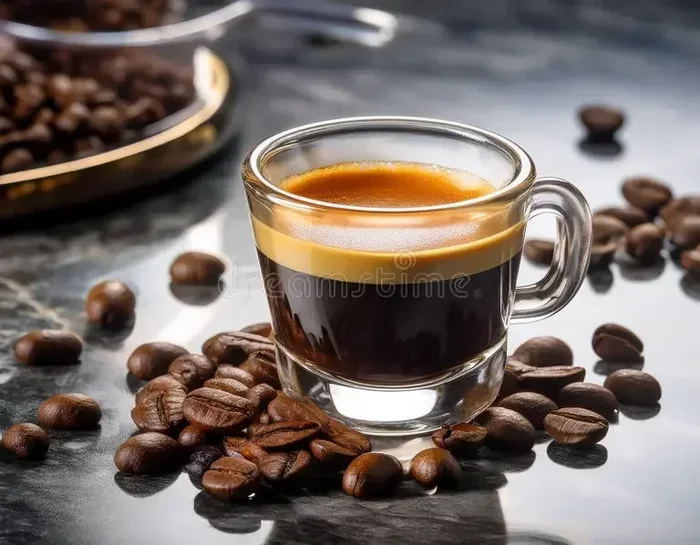
How Is Espresso Different Than Your Morning Coffee
Espresso and coffee may look similar, but they differ in brewing method, flavor, caffeine content, and preparation. Espresso uses high pressure and fine grounds to create a bold, concentrated drink, while regular coffee relies on gravity and coarse grounds for a milder brew. Understanding these differences helps you choose the right cup for your taste and energy needs.
You walk into your kitchen every morning and reach for a cup of coffee. But have you ever wondered how espresso is different from the coffee you drink every day? At first glance, they might seem like the same thing. Both come from coffee beans. Both give you that morning boost. But the truth is, espresso and regular coffee are quite different in several important ways.
Espresso is not just a stronger version of coffee. It is a completely different brewing method that produces a unique drink with its own flavor, texture, and caffeine profile. Whether you are a casual coffee drinker or someone who is curious about trying espresso for the first time, understanding these differences can change the way you think about your morning cup.
In this article, we will break down everything you need to know about espresso vs coffee. We will look at how each is brewed, how they taste, what the caffeine differences are, and how you can make espresso at home. By the end, you will know exactly which drink fits your lifestyle and your taste buds.
Key Takeaways
- Brewing Method: Espresso uses pressure; regular coffee uses gravity and drip.
- Grind Size: Espresso requires a fine grind, while coffee uses a coarse grind.
- Caffeine Levels: A single espresso shot has less caffeine than a full cup of drip coffee.
- Flavor Profile: Espresso is bold and concentrated, while coffee is smoother and more mellow.
- Crema: Espresso produces a unique layer of crema that regular coffee does not.
- Home Brewing: You can make espresso at home with the right equipment and beans.
- Personal Preference: Both drinks have their place, and many people enjoy both throughout the day.
📑 Table of Contents
What Is Espresso?
The Origins of Espresso
Espresso was invented in Italy in the early 1900s. A man named Luigi Bezzera wanted to find a faster way to brew coffee for workers. He created a machine that used high pressure to push hot water through finely ground coffee. The result was a small, concentrated cup of coffee that was rich and bold. This became known as espresso, which means “pressed out” in Italian.
Today, espresso is the base for many popular drinks like lattes, cappuccinos, and americanos. It is served in small shots, usually about one ounce. Despite its small size, espresso delivers a powerful punch of flavor and energy.
What Makes Espresso Unique
What sets espresso apart from regular coffee comes down to four key factors. First, the brewing method uses pressure. Second, the grind size is much finer. Third, the brew time is very short. Fourth, the result is a concentrated drink with a layer of crema on top.
When you order an espresso shot, you get a small but intense cup. The espresso flavor is bold, rich, and often slightly sweet. It is nothing like the milder taste of a regular coffee brew from your drip machine.
How Is Espresso Brewed Differently Than Regular Coffee?
The biggest difference between espresso and regular coffee lies in how each drink is prepared. The brewing process changes everything about the final cup.
The Role of Pressure
Espresso machines use about 9 bars of pressure to force hot water through coffee grounds. This high brewing pressure extracts flavors and oils that regular methods cannot reach. The result is a thick, full-bodied drink with a complex flavor profile.
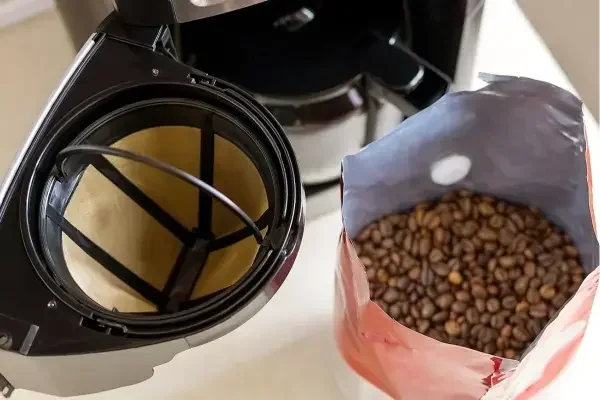
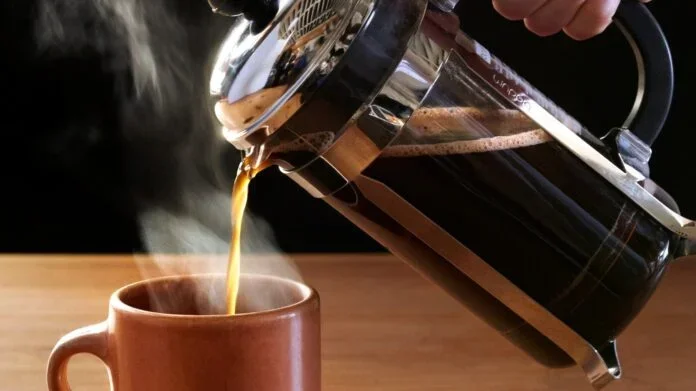
Regular coffee, on the other hand, uses gravity. Water drips through a filter filled with coarse grounds. This process is slower and gentler. It produces a lighter, cleaner cup that many people enjoy every day.
Grind Size Matters
Espresso requires a fine grind, almost like powdered sugar. The small particles allow the water to extract maximum flavor in just 25 to 30 seconds. If the grind is too coarse, the water passes through too quickly and you get a weak shot.
Regular coffee uses a coarse grind, more like sea salt. The larger particles slow down the extraction as water drips through. This gives regular coffee its familiar, smooth taste. You can think of it as the difference between a quick burst of flavor and a slow, steady steep.
Brew Time Compared
A single espresso shot takes only about 25 to 30 seconds to brew. The entire process from grinding to pouring happens in under a minute. This speed is what made espresso so popular in busy Italian cafes back in the day.
A regular pot of coffee takes anywhere from 4 to 8 minutes to brew. The drip method is much slower, but that is part of what gives regular coffee its milder, more balanced flavor. The longer extraction pulls out different compounds than the quick, pressurized method used for espresso.
Taste and Flavor Differences
Espresso Flavor Profile
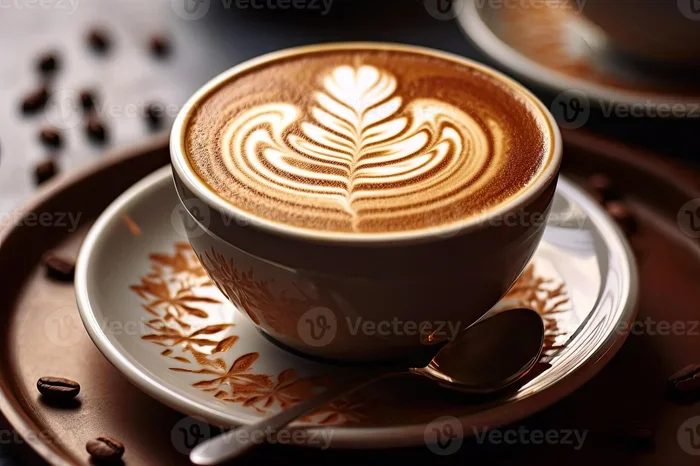
The taste of espresso is intense and concentrated. You will notice notes of dark chocolate, caramel, and sometimes fruit or nuts, depending on the espresso beans used. The espresso flavor is thick and syrupy, with a slightly creamy texture from the crema.
Because espresso is served in such small amounts, the flavors hit your tongue all at once. This is why many people describe it as bold and robust. A single sip can tell you a lot about the quality of the beans and the skill of the barista.
Regular Coffee Flavor Profile
Regular coffee has a much milder and more balanced taste. The flavors are spread out over a larger volume of water, which makes each sip gentler. You might taste hints of chocolate, nuts, or berries, but they are softer and less intense.
The coffee flavor also depends heavily on the roast. A light roast coffee will taste bright and acidic, while a dark roast will taste bold and smoky. Espresso is almost always made from dark roast beans, which brings out the rich, bitter notes that define the drink.
Why the Taste Differs So Much
The difference in taste between espresso and regular coffee comes down to extraction. High pressure and a fine grind extract more oils and solids from the beans. This creates the thick, bold flavor of espresso. Gravity brewing pulls out fewer solids, resulting in a cleaner, lighter cup.
Think of it this way. If regular coffee is like a gentle wave, espresso is like a splash of ocean water all at once. Both come from the same source, but the experience is completely different.
Caffeine Content: Espresso vs Coffee
Caffeine in a Single Shot
One common misconception is that espresso has more caffeine than regular coffee. In reality, a single espresso shot (about 1 ounce) contains around 63 milligrams of caffeine. A standard 8-ounce cup of drip coffee contains about 95 milligrams.
So per ounce, espresso has more caffeine. But because you drink a much smaller volume, the total caffeine intake from a single shot is actually lower than a full cup of regular coffee.
Caffeine by Volume
When you compare caffeine content by volume, espresso wins easily. A 1-ounce shot of espresso packs about 63 mg of caffeine per ounce. An 8-ounce cup of drip coffee has about 12 mg per ounce.
This is why espresso feels so strong and energizing, even in a small serving. The concentration of caffeine in each sip is much higher than what you get from sipping a regular cup of coffee.
How Much Caffeine Do You Actually Consume?
Here is where it gets interesting. Most people drink more than one shot of espresso at a time. A double shot (2 ounces) has about 126 mg of caffeine. A triple shot has about 190 mg. A regular cup of drip coffee at 8 ounces has about 95 mg.
So if you drink a double espresso, you are consuming more caffeine than a single cup of regular coffee. But if you stick to a single shot, you are getting less caffeine overall. The key is understanding how much you are actually drinking.
How to Make Espresso at Home
Making espresso at home is easier than you might think. You do not need to be a professional barista to pull a great shot. With the right equipment and a little practice, you can enjoy fresh espresso every morning.
Choosing the Right Equipment
The most important piece of equipment for making espresso at home is an espresso machine. There are many options available, from simple stovetop models to fully automatic machines. A basic espresso machine will cost between 50 and 200 dollars and is a great place to start.
If you are on a budget, a moka pot is a good alternative. It sits on your stove and uses steam pressure to brew a strong coffee that is very similar to espresso. It is not exactly the same, but it is a solid option for beginners.
Selecting Your Beans
For the best espresso, use freshly roasted espresso beans. Look for beans labeled specifically for espresso or dark roast. These beans are roasted longer, which brings out the oils and flavors that make espresso so rich.
You can also use regular coffee beans, but the flavor will be different. Espresso beans are typically blended for optimal extraction under pressure. They are ground finer and brewed faster than regular coffee beans.
The Brewing Process Step by Step
Here is a simple process to brew espresso at home:
- Grind your beans to a fine grind, like powdered sugar.
- Add 18 to 20 grams of grounds to your portafilter.
- Tamp the grounds evenly with firm pressure.
- Lock the portafilter into your espresso machine.
- Brew for 25 to 30 seconds.
- Enjoy your fresh espresso shot with a layer of crema on top.
It takes a few tries to get the perfect shot, but once you do, there is nothing like it. The rich aroma and bold flavor of fresh espresso will make your regular coffee taste completely different.
Which One Should You Choose?
When to Drink Espresso
Espresso is perfect when you want a quick, intense boost. It is ideal for a morning pick-me-up or an afternoon energy surge. Because it is concentrated, a single shot gives you flavor and caffeine without the volume of a full cup.
Espresso is also great if you enjoy the ritual of making coffee. The process of grinding, tamping, and pulling a shot is satisfying and meditative. Many coffee lovers appreciate the craft behind every espresso shot.
When to Stick with Regular Coffee
Regular coffee is the better choice when you want to sip slowly throughout the morning. It is milder, smoother, and easier to drink in larger quantities. If you are not used to the intensity of espresso, regular coffee is a more approachable starting point.
Regular coffee is also more convenient for many people. You can brew a full pot in a coffee maker and have multiple cups ready for the whole household. It requires less skill and fewer steps than making espresso.
Can You Enjoy Both?
Absolutely. Many coffee lovers enjoy both espresso and regular coffee throughout the day. You might start with a cup of drip coffee in the morning and switch to a shot of espresso after lunch. There are no rules about which drink is better.
If you are new to espresso, try ordering a latte or cappuccino at your local cafe. These drinks combine espresso with steamed milk, which softens the bold flavor and makes it more approachable. Once you find what you like, you can explore the world of espresso drinks at home.
And speaking of enjoying coffee alongside food, a warm snack like toasted pecans from the oven pairs beautifully with a strong shot of espresso in the afternoon. If you are baking on the weekends, try making cupcakes in your toaster oven and serving them alongside your favorite espresso drink for a delightful treat. For a heartier pairing, warming up a chicken pot pie in the oven makes for a comforting meal that goes wonderfully with a rich cup of espresso or a milder pot of regular coffee on a chilly day.
The beauty of espresso and regular coffee is that both have a place in your daily routine. It all comes down to your personal taste, your schedule, and what you are in the mood for.
Common Mistakes People Make With Espresso
Using the Wrong Grind Size
The most common mistake beginners make is using the wrong grind size. If your grounds are too coarse, the water rushes through and you get a weak, sour shot. If they are too fine, the water cannot pass through and your shot takes too long. The right grind is essential for a balanced espresso shot.
Not Tamping Properly
Tamping is the act of pressing the coffee grounds into the portafilter. If you do not tamp evenly, the water finds gaps and bypasses the grounds. This leads to an uneven extraction and a bad-tasting shot. Always tamp with firm, even pressure for the best results.
Using Old or Stale Beans
Espresso is all about freshness. Stale beans lose their oils and flavor over time. Always use beans that were roasted within the last two to four weeks. Store them in an airtight container away from light and heat.
Expert Tips for the Best Espresso at Home
Want to take your home espresso to the next level? Here are some tips from experienced barista professionals:
- Use filtered water for the cleanest flavor.
- Preheat your machine and portafilter before brewing.
- Weigh your grounds with a scale for consistency.
- Clean your machine regularly to prevent buildup.
- Experiment with different espresso beans to find your favorite roast.
- Watch the color of the stream during brewing. It should flow like warm honey.
These small adjustments make a big difference in the quality of your espresso. With a little practice, you will be pulling shots that rival those from your favorite cafe.
Conclusion
Espresso and regular coffee are two distinct drinks that share the same origin. Espresso uses pressure, fine grounds, and a short brew time to create a bold, concentrated shot. Regular coffee uses gravity, coarse grounds, and a longer brew time for a milder, smoother cup.
The caffeine content, flavor profile, and preparation method all differ between the two. Neither is better than the other. They simply serve different purposes and suit different moods and moments in your day.
Whether you prefer the intense boldness of espresso or the gentle comfort of a regular coffee brew, both drinks deserve a place in your daily routine. Now that you understand the differences, you can make a more informed choice every time you reach for a cup. So go ahead, experiment with both, and find the perfect coffee experience that suits you.
Frequently Asked Questions
Can you use regular coffee beans for espresso?
Yes, you can use regular coffee beans for espresso, but the flavor will be different. Espresso beans are specifically roasted and blended for optimal extraction under pressure. Regular beans can work, but you may notice a less rich and less bold flavor compared to using dedicated espresso beans.
Is espresso stronger than regular coffee?
Espresso is stronger in terms of flavor concentration and caffeine per ounce. However, a single shot contains less total caffeine than a full cup of drip coffee. The strength of espresso comes from its brewing method, which uses high pressure to extract more oils and solids in a short time.
Why does espresso have crema on top?
Crema is the golden-brown layer that forms on top of a fresh espresso shot. It is created by carbon dioxide and oils being forced out of the coffee grounds during the high-pressure brewing process. Fresh beans produce more crema, and it is a sign of a well-prepared shot.
Can you make espresso without an espresso machine?
Yes, you can make a similar drink without a traditional espresso machine. A moka pot uses steam pressure to brew a strong coffee that resembles espresso. AeroPress can also be used with a fine grind and pressure to create a concentrated coffee drink that is close to espresso.
Does espresso have more caffeine than regular coffee?
Per ounce, espresso has more caffeine than regular coffee. But a single shot is only about one ounce, while a standard cup of coffee is eight ounces. So a full cup of drip coffee typically contains more total caffeine than a single shot of espresso. A double or triple shot of espresso will have more caffeine than one cup of regular coffee.
Is espresso bad for you?
Espresso is not bad for you when consumed in moderation. It contains antioxidants and can boost energy and focus. However, drinking too much espresso can lead to jitteriness, insomnia, or an upset stomach. Stick to one or two shots per day and pay attention to how your body responds.