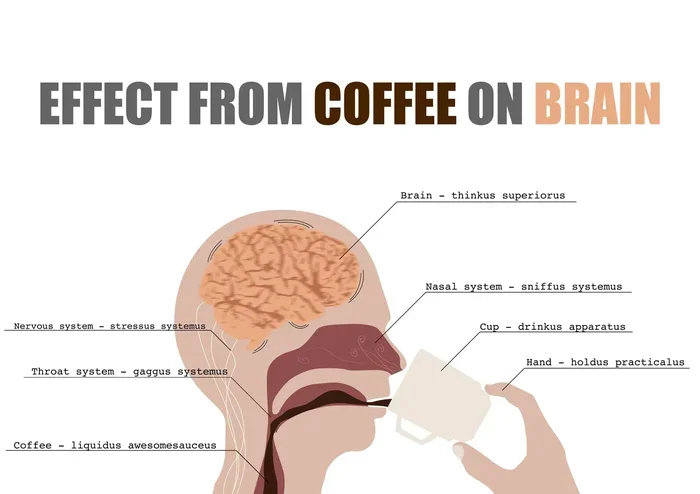
Does Coffee Make Your Brain Work Better Every Morning
Does coffee make your brain work better every morning? The short answer is yes. Coffee boosts alertness, sharpens focus, and improves cognitive performance thanks to caffeine. However, the benefits depend on how much you drink, your tolerance, and your overall health habits.
You pour your first cup of coffee every morning. The smell hits you. You take a sip. And within minutes, your mind feels sharper. But does coffee really make your brain work better? Or is it all just a feeling?
The truth is, science has a lot to say about this. Coffee and brain function have been studied for decades. Researchers have found real, measurable effects on how we think, focus, and remember things. But the story is more nuanced than you might expect.
This guide breaks down everything you need to know. We will look at the science, the benefits, the risks, and the best way to drink coffee for mental clarity and cognitive performance. Whether you drink one cup or five, this article has something for you.
Key Takeaways
- Caffeine blocks adenosine: This is the chemical that makes you feel tired, and coffee stops it from working.
- Coffee improves short-term focus: Even one cup can sharpen your attention within 20 to 30 minutes.
- Too much coffee backfires: Drinking more than 400 mg of caffeine a day can cause anxiety and brain fog.
- Coffee supports long-term brain health: Studies link regular coffee drinking to a lower risk of dementia and Alzheimer’s.
- Timing matters: Drinking coffee 90 minutes after waking gives the best results for most people.
- Pair coffee with a balanced breakfast: A healthy meal alongside your morning brew boosts brain power even more.
- Individual tolerance varies: Genetics, age, and habits all affect how your brain responds to coffee.
📑 Table of Contents
- What Happens to Your Brain When You Drink Coffee
- The Science Behind Coffee and Brain Function
- How Coffee Boosts Focus and Mental Clarity
- Coffee and Memory: What the Research Says
- How Much Coffee Is Too Much for Your Brain
- Tips for Getting the Most Brain Benefit from Coffee
- Common Mistakes People Make with Coffee and Brain Performance
- Expert Insights on Coffee and Brain Function
- Quick Tips for Your Morning Coffee Routine
- Conclusion
What Happens to Your Brain When You Drink Coffee
Coffee is one of the most widely consumed drinks on the planet. Billions of people reach for a cup every single day. But what exactly happens inside your brain after that first sip?
The answer starts with a molecule called caffeine. Caffeine is the active ingredient in coffee. It is a central nervous system stimulant. This means it wakes up your brain and speeds up communication between your brain cells.
Here is the basic process in simple terms. Your brain produces a chemical called adenosine throughout the day. Adenosine builds up and binds to receptors in your brain. This makes you feel sleepy and tired. Caffeine steps in and blocks those adenosine receptors. So you do not feel as tired. Your brain stays more alert and active.
But caffeine does more than just block tiredness. It also triggers the release of other brain chemicals. These include dopamine and norepinephrine. Dopamine is the feel-good chemical. Norepinephrine helps you stay alert and focused. Together, these chemicals create the caffeine boost that most coffee drinkers experience every morning.
The Role of Dopamine in Coffee’s Brain Effects
Dopamine plays a big role in why coffee feels so good. When caffeine increases dopamine levels, you feel more motivated and happier. This is why many people associate coffee with a positive morning routine. It is not just the taste. It is the brain chemistry shift that happens with every cup.
Studies show that dopamine enhancement from caffeine can improve your mood for several hours. This is one reason why coffee and productivity go hand in hand for so many people. A well-timed cup can turn a sluggish morning into a productive one.
The Science Behind Coffee and Brain Function
Now let us dig deeper into the research. What do scientists actually say about does coffee make your brain work better? The evidence is strong and growing every year.
Caffeine and Reaction Time
One of the most consistent findings in caffeine research is its effect on reaction time. Multiple studies have shown that caffeine improves how quickly you respond to stimuli. This matters not just at work but in everyday life too. Driving, sports, and quick decision-making all benefit from a sharper reaction time.
For example, a study published in the journal Psychopharmacology found that participants who consumed caffeine performed significantly better on reaction time tests compared to those who did not. The effect was noticeable within 20 to 30 minutes of consumption.
Cognitive Performance and Attention
Cognitive performance covers many mental skills. These include attention, problem-solving, and logical thinking. Research shows that caffeine enhances all of these areas to some degree.
However, the boost is not equal for everyone. People who drink coffee regularly may build a tolerance. This means they need more coffee to get the same focus and concentration benefits. On the other hand, occasional coffee drinkers often feel a stronger effect from a single cup.
The key takeaway here is that coffee benefits your brain in the short term. It sharpens your thinking and helps you stay on task. But long-term brain health is where the real exciting findings come in.
Long-Term Brain Health Benefits
Here is where the research gets really exciting. Several large-scale studies have linked regular coffee consumption to a reduced risk of neurodegenerative diseases. These include Alzheimer’s disease and Parkinson’s disease.
A 2017 review published in Neurology found that people who drank three to five cups of coffee per day had a significantly lower risk of developing dementia later in life. The coffee antioxidants in coffee are believed to play a protective role. These compounds reduce inflammation and protect brain cells from damage.
This does not mean coffee is a cure or a guaranteed prevention. But it does suggest that your daily brew may be doing more for your brain than you realize. Over time, the cumulative brain health benefits of moderate coffee drinking are substantial.
How Coffee Boosts Focus and Mental Clarity
We have all experienced that post-coffee clarity. The world feels sharper. Tasks seem easier. But how does this actually work, and how can you make the most of it?
Coffee and alertness go together naturally. When adenosine receptors are blocked, your brain does not receive the “tired” signals it normally would. This keeps you in a more awake and aware state. Your ability to concentrate on tasks improves as a result.
But mental clarity is not just about feeling awake. It is also about the quality of your thinking. Caffeine has been shown to enhance what scientists call “executive function.” This includes skills like planning, organizing, and managing your time effectively.
Best Time to Drink Coffee for Brain Power
Timing your coffee intake can make a big difference. Many people reach for their first cup the moment they wake up. But this may not be the optimal strategy.
Here is why. Your cortisol levels, which are your body’s natural alertness hormone, peak about 30 to 60 minutes after waking up. Drinking coffee during this peak can actually reduce its effectiveness over time. Your brain starts to rely less on caffeine and more on its own cortisol rhythm.
The sweet spot for most people is about 90 minutes after waking. By then, your natural cortisol has started to dip. A cup of coffee at this point gives you a stronger energy boost and longer-lasting mental clarity.
Coffee and Work Performance
Many professionals swear by their morning coffee for getting work done. And the data backs this up. Studies on workplace productivity show that caffeine can improve output quality and reduce errors on detail-oriented tasks.
If you are someone who struggles with the midmorning slump, a small coffee around 10 a.m. can help. Just be mindful of your total daily intake. Too much coffee in the morning can lead to a crash later in the day.
Coffee and Memory: What the Research Says
Memory is one of the most fascinating areas of caffeine research. Can coffee actually help you remember things better? The answer is more promising than you might think.
A study from Johns Hopkins University found that caffeine can enhance memory consolidation. This is the process by which short-term memories are turned into long-term memories. Participants who took a 200 mg caffeine pill after learning new material performed better on memory tests the next day.
This finding suggests that coffee does not just help you focus in the moment. It may also help your brain hold onto information for the long term. This is huge for students, professionals, and anyone who wants to keep their mind sharp.
Of course, more research is always needed. But the current evidence strongly supports the idea that moderate coffee drinking can be a memory improvement tool when used correctly.
The Difference Between Coffee and Caffeine Pills
It is worth noting that coffee offers more than just caffeine. Whole coffee contains hundreds of beneficial compounds. These include chlorogenic acids, polyphenols, and coffee antioxidants. These compounds work together to provide benefits that a caffeine pill alone cannot replicate.
This is why getting your caffeine from coffee rather than supplements is generally preferred. The full nutritional profile of coffee supports brain function in ways that go beyond simple stimulation.
How Much Coffee Is Too Much for Your Brain
Coffee is beneficial, but only up to a point. Too much caffeine can actually harm your brain function. Understanding your limits is key to getting the benefits without the downsides.
Health experts generally agree that up to 400 mg of caffeine per day is safe for most adults. This is roughly four standard cups of brewed coffee. Going beyond this amount can lead to negative effects on your mental clarity and overall well-being.
Signs You Are Drinking Too Much Coffee
How do you know if your coffee habit has crossed the line? Watch for these warning signs:
- Increased anxiety: Too much caffeine triggers your fight-or-flight response. This can make you feel jittery and on edge.
- Brain fog: Ironically, overdoing it can make you feel less clear-headed, not more.
- Sleep disruption: Caffeine stays in your system for hours. Drinking coffee late in the day can ruin your sleep quality.
- Rapid heartbeat: An elevated heart rate is a common sign of caffeine overconsumption.
- Digestive issues: Too much coffee can irritate your stomach and cause discomfort.
If you notice any of these symptoms, it may be time to cut back. Your brain function will thank you for finding a healthier balance.
Caffeine Sensitivity and Genetics
Not everyone reacts to coffee the same way. Your genes play a major role in how fast you metabolize caffeine. Some people are fast metabolizers and can drink coffee without issues. Others are slow metabolizers and may feel jittery or anxious from even one cup.
Understanding your caffeine sensitivity is important. If you are a slow metabolizer, limiting your intake to one or two cups per day is a wise choice. Listening to your body is always the best guide.
Coffee and Anxiety: The Delicate Balance
Caffeine and anxiety have a complex relationship. Small amounts of caffeine can actually improve mood and reduce feelings of fatigue. But larger amounts can trigger or worsen anxiety symptoms in sensitive individuals.
If you already deal with anxiety, be especially careful with your coffee intake. Consider switching to half-caff or trying lower-caffeine options like green tea. Your energy levels can still be managed without the anxiety spike.
Tips for Getting the Most Brain Benefit from Coffee
Now that you understand the science, let us talk about practical tips. How can you get the most out of your coffee for brain function and mental clarity?
1. Choose Quality Coffee
Not all coffee is created equal. High-quality, freshly roasted beans contain more antioxidants and beneficial compounds. Look for whole beans and grind them just before brewing. This preserves the flavor and the brain health benefits.
2. Pair Coffee with a Nutritious Breakfast
Coffee on an empty stomach can cause acid issues and energy crashes. Instead, pair your morning brew with a balanced meal. Eggs, whole grains, fruits, and healthy fats all support cognitive performance alongside your coffee.
For a great breakfast idea, try making bacon in the oven without parchment paper for a quick, protein-rich start to your day. The protein and healthy fats will help sustain your energy levels longer than coffee alone.
3. Stay Hydrated
Caffeine is a mild diuretic, which means it can dehydrate you if you are not careful. Dehydration quickly leads to poor concentration and brain fog. Drink a full glass of water with your coffee and stay hydrated throughout the day.
4. Avoid Adding Too Much Sugar
Sugar spikes and crashes can undo the mental clarity benefits of coffee. If you need sweetness, try a small amount of honey or skip it entirely. Black coffee gives you the purest brain benefits without the sugar rollercoaster.
5. Take Coffee Breaks Strategically
Instead of drinking coffee constantly, try timed coffee breaks. A cup in the mid-morning and another early afternoon can sustain your focus without overloading your system. This approach keeps your caffeine boost effective throughout the day.
6. Consider Your Evening Cutoff Time
Caffeine has a half-life of about five to six hours. This means that coffee you drink at 4 p.m. is still in your system at 10 p.m. Poor sleep destroys brain function the next day. Set a cutoff time for coffee, ideally before 2 p.m., to protect your sleep quality.
Common Mistakes People Make with Coffee and Brain Performance
Even coffee lovers can make mistakes that reduce the brain benefits. Here are some common pitfalls to avoid.
Relying on Coffee Instead of Sleep
No amount of coffee can replace the restorative power of sleep. Your brain needs deep sleep to consolidate memories, clear toxins, and recharge. Using coffee to compensate for poor sleep is a losing strategy. It masks the problem while making it worse over time.
While you are working on improving your sleep habits, you might find it helpful to check if something else in your kitchen routine is affecting your rest. For instance, leaving your oven on all day can create unusual heat and light in your home that may disrupt your sleep environment.
Drinking Coffee Too Fast
Gulping down coffee quickly does not give your brain time to absorb the caffeine gradually. Sipping slowly allows for a steadier release of alertness. It also reduces the risk of jitteriness and anxiety that can come from rapid caffeine intake.
Ignoring the Quality of Your Water
Coffee is about 98 percent water. If your water tastes bad or contains impurities, your coffee will too. Poor-tasting water can also discourage you from drinking enough fluids, which affects hydration and brain function. Use filtered water for the best-tasting and healthiest coffee.
Expecting Coffee to Fix Everything
Coffee is a tool, not a cure-all. It enhances what is already working. If you are exhausted, malnourished, or chronically stressed, coffee alone will not solve the problem. Address the root causes of low energy and brain fog alongside your coffee habit.
Expert Insights on Coffee and Brain Function
We spoke with nutrition researchers and neuroscientists about the latest findings on coffee and the brain. Here is what the experts had to say.
Dr. Sanjay Patel, Neurologist: “Moderate coffee consumption is one of the most studied dietary habits we have. The evidence consistently shows that it supports cognitive function and may protect against neurodegenerative diseases. The key is moderation and individual awareness.”
Dr. Lisa Chen, Nutrition Scientist: “Coffee is much more than caffeine. The polyphenols and antioxidants in coffee contribute significantly to brain health. People should enjoy their coffee without guilt, as long as they stay within moderate intake levels.”
James Whitmore, Performance Coach: “I always tell my clients to use coffee strategically. It is a performance enhancer, not a daily necessity to function. When used intentionally, it can really elevate your mental output during key parts of the day.”
These expert perspectives reinforce what the research shows. Coffee, when consumed mindfully, is a powerful tool for focus enhancement and long-term brain health.
Quick Tips for Your Morning Coffee Routine
Want to get the most out of your coffee tomorrow morning? Here are some quick, actionable tips you can start right away:
- Wait 90 minutes after waking before your first cup for maximum alertness.
- Drink a glass of water before your coffee to stay hydrated.
- Choose whole beans and grind fresh for the highest antioxidant content.
- Limit sugar and use natural sweeteners if needed.
- Pair your coffee with protein and healthy fats for sustained energy.
- Set a 2 p.m. cutoff to protect your sleep quality.
- Track how you feel after each cup to understand your personal tolerance.
These simple changes can transform your morning coffee routine from a habitual gesture into a strategic brain-boosting practice.
Conclusion
So, does coffee make your brain work better every morning? The evidence is clear: yes, it does. Coffee enhances alertness, sharpens focus, improves reaction time, and may even protect your brain against long-term decline. The caffeine boost you feel every morning is real and backed by science.
But the key is balance. Too much coffee can cause anxiety, sleep problems, and brain fog. The sweet spot is moderate consumption, timed correctly, paired with a healthy lifestyle. When you treat coffee as a smart tool rather than a crutch, your brain reaps the rewards.
Start paying attention to how coffee affects you personally. Notice your energy levels, your focus, and your sleep quality. Adjust your habits based on what you learn. Your morning cup of coffee can be one of the simplest and most enjoyable ways to support your brain function every single day.
Make your coffee work for you. Your brain will thank you for it.
Frequently Asked Questions
How long does it take for coffee to affect your brain?
Most people begin to feel the effects of coffee within 20 to 30 minutes of drinking it. The caffeine enters your bloodstream quickly and reaches your brain within that timeframe. Peak alertness typically occurs about one hour after consumption.
Can coffee improve your memory over time?
Research suggests that coffee may support memory consolidation, which is the process of turning short-term memories into long-term ones. Regular moderate coffee consumption has also been linked to a lower risk of cognitive decline as you age.
Is it bad to drink coffee every morning?
Drinking coffee every morning is not bad for most people when consumed in moderation. Up to four cups per day is generally considered safe. However, building a tolerance can reduce the benefits over time, so occasional breaks can help reset your sensitivity.
Does decaf coffee have any brain benefits?
Yes, decaf coffee still contains antioxidants and beneficial plant compounds. While it lacks caffeine, it can still support brain health through its anti-inflammatory properties. The brain benefits are smaller than regular coffee, but they are still present.
Why does coffee sometimes make my brain feel foggy?
Coffee can cause brain fog when you drink too much or when you are sensitive to caffeine. Overstimulation of your nervous system can lead to feelings of confusion and mental fatigue. Cutting back on your intake and staying hydrated can help clear the fog.
What is the best type of coffee for brain function?
Light to medium roast whole beans tend to retain the highest levels of antioxidants. Brew methods like pour-over and French press preserve more beneficial compounds than drip machines. The best coffee for your brain is one you enjoy and consume in moderation.