How To Cook Spaghetti Squash In Oven For Beginners
Learn how to cook spaghetti squash in oven with this foolproof beginner’s guide. Spaghetti squash roasts into tender, noodle-like strands that make a perfect low-carb pasta alternative. You’ll master cutting, seasoning, and serving this versatile winter squash in under an hour.
Learning how to cook spaghetti squash in oven is one of the easiest kitchen skills you can pick up. This golden, nutty winter squash turns into delicate, noodle-like strands when roasted, making it a hit with pasta lovers and health-conscious eaters alike. Whether you are looking for a gluten free pasta option, a low carb side dish, or a fun way to add more vegetables to your plate, spaghetti squash delivers every time.
The beauty of this method is its simplicity. You do not need fancy equipment or complicated recipes. A basic oven, a sharp knife, and a few pantry staples are all you need. In this guide, I will walk you through every step, from selecting the right squash at the store to serving it in creative ways. By the end, you will feel confident enough to make oven roasted spaghetti squash a regular part of your meal rotation.
Many people hesitate because they have never cut or cooked a whole squash before. I promise it is easier than you think. With a few practical tips, you will avoid common pitfalls and enjoy perfectly tender strands every single time. Let us dive into the details of how to cook spaghetti squash in oven for beginners.
Key Takeaways
- Perfect oven temperature: 400°F yields fluffy strands in 40–50 minutes.
- Simple prep: Halve, scoop, oil, and season before baking.
- Fork test is key: Strands should pull apart easily with a fork.
- Endless serving options: Use as a pasta base, in boats, or as a side dish.
- Avoid common mistakes: Don’t skip the rest period and always oil the cut sides.
- Store leftovers safely: Keep cooked squash in the fridge for up to 5 days.
📑 Table of Contents
Why Spaghetti Squash Is a Kitchen Staple
Spaghetti squash belongs to the winter squash family, alongside acorn squash and butternut squash. Its mild, slightly sweet flavor and unique noodle-like texture make it incredibly versatile. You can use it as a base for sauces, a side dish, or even a base for breakfast scrambles. Because it is naturally gluten free and low in calories, it fits into many dietary plans, including vegan, paleo, and keto eating styles.
Nutritional Benefits of Spaghetti Squash
A one-cup serving of cooked spaghetti squash provides about 42 calories, 10 grams of carbohydrates, and 2 grams of fiber. It is also a good source of vitamin C, vitamin A, and potassium. Unlike regular pasta, it offers a nutrient-dense alternative that helps you feel full without the heavy, bloated feeling. Adding it to your healthy meal prep routine is a smart move for anyone watching their carb intake.
Spaghetti Squash vs. Other Winter Squash
While acorn squash and butternut squash have a more mashed or creamy texture, spaghetti squash stands out for its stringy,分离的 flesh. This makes it an ideal low carb pasta alternative. You can mix it with marinara, pesto, or simple butter and herbs. Its neutral taste takes on whatever flavors you add, which is why it works so well in both savory and slightly sweet dishes.
Choosing the Perfect Spaghetti Squash
Picking a good squash is the first step toward a great result. A fresh spaghetti squash should feel heavy for its size, which indicates plenty of moisture inside. The skin should be firm, with no soft spots, cracks, or blemishes. Look for a uniform pale yellow color. Avoid squashes with green streaks, as those are underripe and will not cook evenly.
Size Matters
Spaghetti squash typically ranges from 2 to 5 pounds. A 2-pound squash will yield about 4–5 cups of strands, which is perfect for a family of four. If you are cooking for a larger group, choose a bigger squash or plan to roast two smaller ones. When you buy spaghetti squash halves pre-cut at the store, use them within a day or two for the best flavor and texture.
Storing Your Squash
Whole, uncut spaghetti squash keeps well in a cool, dark pantry for up to a month. Once cut, wrap the halves tightly in plastic wrap and refrigerate them for up to 2 days. If you want to prep ahead, you can even roast the squash in advance and store the strands in an airtight container for quick healthy meal prep during the week.
How To Cook Spaghetti Squash In Oven: Step-by-Step
Now let us get into the core of the process. How to cook spaghetti squash in oven is a straightforward method that produces consistent, delicious results. Follow these steps carefully, and you will have perfect strands every time.
Step 1: Prep Work
Preheat your oven to 400°F (200°C). While it heats, line a baking sheet with parchment paper or a silicone mat. This prevents sticking and makes cleanup a breeze. Gather your tools: a sharp chef’s knife, a sturdy spoon or ice cream scoop, olive oil, salt, and pepper. Having everything ready before you start makes the process smooth and safe.
Step 2: Cutting and Scooping
Place the whole squash on a stable cutting board. Using a sharp knife, carefully slice it in half lengthwise from stem to end. If the squash is hard to cut, microwave it for 2–3 minutes to soften the skin slightly. Then use a spoon to scoop out the seeds and stringy pulp from each half. You can save the seeds to roast later as a snack, or simply discard them.
Step 3: Seasoning and Baking
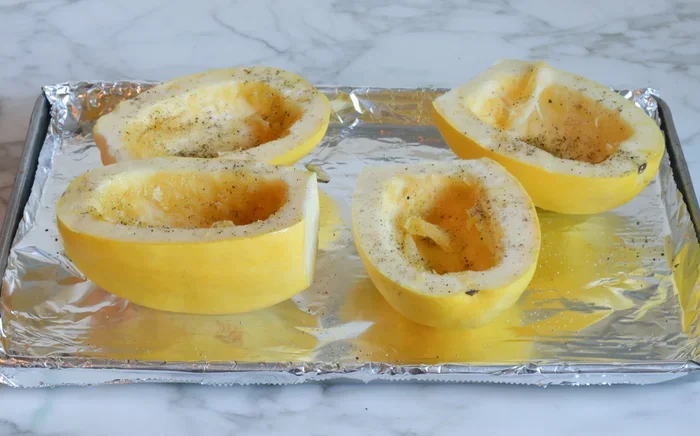
Drizzle a little olive oil over the cut sides of each half. Use your hands or a brush to spread the oil evenly. Sprinkle with salt and pepper to taste. You can also add minced garlic, a pinch of paprika, or dried Italian herbs for extra flavor. Place the squash halves cut-side down on the prepared baking sheet. This position allows steam to escape and helps the flesh cook evenly.
Bake in the preheated oven for 40–50 minutes. The exact cooking time depends on the size of your squash. A smaller squash may be done in 35 minutes, while a larger one might need up to an hour.
Step 4: The Fork Test
After baking, remove the sheet from the oven and let the squash cool for 10–15 minutes. The flesh should be tender and golden. Use a fork to gently scrape the inside of one half. If the strands pull apart easily into thin, noodle-like pieces, your spaghetti squash is ready. If it still feels firm or crunchy, return it to the oven for another 5–10 minutes and check again.
Oven Temperature and Time Guide
Getting the right balance of temperature and time is essential for perfectly cooked spaghetti squash. Too low and it will take forever; too high and the edges may dry out before the center is tender. The 400°F method is the most reliable for beginners, but you can adjust based on your preferences.
| Oven Temperature | Approximate Cooking Time | Result |
|---|---|---|
| 375°F (190°C) | 50–60 minutes | Very tender, slightly more moist strands |
| 400°F (200°C) | 40–50 minutes | Balanced texture, slightly caramelized edges |
| 425°F (220°C) | 35–45 minutes | Firmer strands, more roasted flavor |
How Long to Bake Spaghetti Squash
As a general rule, bake a 2-pound squash at 400°F for about 45 minutes. If you are in a hurry, you can cut the squash into quarters instead of halves. This reduces the cooking time to about 25–30 minutes. Just keep an eye on it, as smaller pieces can dry out faster. For a hands-off approach, I recommend the halves method because it requires less attention and produces more uniform strands.
Quick Tips for Timing
- Start checking early: Begin testing with a fork at the 35-minute mark for smaller squashes.
- Use a timer: Set a reminder so you do not forget the squash in the oven.
- Adjust for altitude: At higher elevations, add 5–10 minutes to the baking time.
Serving Ideas and Flavor Variations
Once you have mastered the basic oven method, the fun part begins: serving. Spaghetti squash is a blank canvas that pairs beautifully with a wide range of flavors. Here are some of my favorite ways to enjoy it.
Simple Buttered Squash
For a classic side dish, fluff the baked strands with a fork and toss them with a little butter, salt, and pepper. Add a sprinkle of fresh parsley or grated Parmesan cheese. This simple preparation lets the natural sweetness of the squash shine. It is a perfect accompaniment to roasted chicken or grilled fish.
Spaghetti Squash Boats
Turn your spaghetti squash into a fun, edible bowl. Scoop out the strands, mix them with your favorite sauce (marinara, pesto, or Alfredo), and pile the mixture back into the squash half. Top with mozzarella cheese and broil for 2–3 minutes until bubbly. These spaghetti squash boats make a wonderful vegan dish when you skip the cheese and use a dairy-free sauce.
Vegan and Gluten-Free Twists
Because spaghetti squash is naturally vegan and gluten free, it works brilliantly in plant-based meals. Toss the strands with sautéed mushrooms, spinach, and a splash of lemon juice. Or mix them with black beans, corn, and avocado for a Tex-Mex-inspired bowl. For a breakfast option, combine the squash with scrambled tofu, turmeric, and nutritional yeast. The possibilities are endless when you know how to cook spaghetti squash in oven properly.
Common Mistakes to Avoid
Even with a simple recipe, it is easy to make small errors that affect the final result. Here are the most common mistakes I see, along with how to avoid them.
Skipping the Rest Period
After removing the squash from the oven, resist the urge to immediately shred it. Let it cool for 10–15 minutes. This resting period allows the strands to firm up slightly, making them easier to separate with a fork. If you try to scrape it while it is piping hot, the flesh will be too soft and mushy.
Not Oiling the Cut Sides
Oiling the flesh before baking helps the squash caramelize and prevents it from drying out. Some beginners skip this step, resulting in a bland, slightly tough texture. A light coating of olive oil or avocado oil makes a noticeable difference in flavor and tenderness.
Using a Dull Knife
Cutting through a whole spaghetti squash requires a sharp, sturdy knife. A dull blade can slip and cause injury. If you struggle with the initial cut, microwave the squash for a few minutes to soften the rind. Always cut away from your body and use a stable cutting surface.
Overbaking
Leaving the squash in the oven too long turns the strands mushy and darkens the edges. Set a timer and check for doneness early. Remember that the squash continues to soften as it cools, so slightly underdone is better than overdone.
Expert Insights for Perfect Spaghetti Squash Every Time
I have roasted dozens of spaghetti squashes over the years, and a few pro tips have made all the difference in my kitchen. Here is what I have learned.
Rotate the baking sheet halfway through. Ovens have hot spots, and turning the pan ensures even browning. If you notice one side browning faster, simply rotate the sheet 180 degrees.
Save the seeds. Spaghetti squash seeds are edible and nutritious. Rinse them, toss with a little oil and salt, and roast at 300°F for 15–20 minutes. They make a crunchy, healthy snack packed with magnesium and zinc.
Use the squash in meal prep. Cook a batch of oven roasted spaghetti squash on Sunday and store the strands in the fridge for up to 5 days. Reheat them quickly in a skillet with a splash of water or broth. This saves time during busy weekdays and makes it easy to stick to your healthy meal prep goals.
Experiment with flavors. While a simple oil-and-salt seasoning is delicious, do not be afraid to get creative. A drizzle of balsamic glaze and fresh thyme works wonderfully. For a smoky twist, add smoked paprika and a squeeze of lime juice before serving.
Key Takeaways
- Start with a ripe squash: Heavy, firm, and uniformly yellow.
- Cut carefully and scoop thoroughly: Remove all seeds and pulp for even cooking.
- Bake at 400°F cut-side down: This position yields the best texture.
- Let it rest before shredding: A 10–15 minute rest makes fork separation easy.
- Store leftovers properly: Refrigerate cooked strands in an airtight container for up to 5 days.
- Get creative with toppings: From simple butter to hearty marinara, the options are endless.
Mastering how to cook spaghetti squash in oven opens the door to a world of quick, nutritious, and satisfying meals. Once you try this method, you will wonder how you ever lived without it. The process is forgiving, the results are consistently delicious, and the squash keeps well for leftovers. Grab a spaghetti squash from your local grocery store this week and give it a try. You will be amazed at how a simple oven-roasted vegetable can become a star of your dinner table.
Frequently Asked Questions
Can I cook spaghetti squash in the oven without cutting it in half?
Yes, you can poke holes in the whole squash with a fork and bake it at 400°F for about 1 hour. Once cooled, slice it open and scoop out the strands. However, cutting it in half reduces the cooking time and makes it easier to season the flesh evenly.
How do I know when spaghetti squash is done?
The fork test is the best indicator. Gently scrape the inside with a fork; if the strands pull apart easily into thin, noodle-like pieces, it is ready. The flesh should be golden and tender, not hard or crunchy in the center.
Can I freeze cooked spaghetti squash?
Absolutely. Let the cooked strands cool completely, then place them in a freezer-safe bag or container. Freeze for up to 3 months. Thaw in the refrigerator overnight and reheat in a skillet with a little oil or broth to restore the texture.
What is the best way to cut a spaghetti squash safely?
Use a sharp, heavy chef’s knife and a stable cutting board. If the squash is hard to cut, microwave it for 2–3 minutes to soften the rind. Always cut away from your body and apply steady, even pressure. A dull knife requires more force and is more likely to slip.
Is spaghetti squash good for weight loss?
Yes, spaghetti squash is an excellent low-calorie, low-carb alternative to pasta. A one-cup serving has only about 42 calories and 10 grams of carbs, compared to over 200 calories and 40 grams of carbs in a cup of regular pasta. It is high in fiber, which helps you feel full longer.
Can I use the microwave instead of the oven?
You can. Poke the whole squash with a fork, microwave on high for 5–10 minutes, turning halfway through. Let it cool, then cut it in half and scoop out the strands. The oven method, however, produces better caramelization and a more noodle-like texture.