Why Does My Gas Oven Take So Long To Preheat Today
Your gas oven may take long to preheat because of a weak igniter, faulty thermostat, or clogged burner. Understanding the root cause helps you fix the issue fast and get back to cooking. This guide covers the most common reasons and simple solutions for slow gas oven preheating.
You put your favorite dish in the oven and set the timer. Then you wait. And wait. And wait some more. A gas oven that takes forever to preheat can throw off your entire cooking plan. Whether you are making pizza, roasting chicken, or baking cookies, a slow oven is frustrating.
The good news is that this problem is very common. In most cases, the fix is simple and affordable. This guide will walk you through every reason your gas oven might be slow to preheat. You will also learn easy tips to speed things up and keep your oven running at its best.
Let us dive into the most common causes and solutions for why does my gas oven take so long to preheat today. By the end, you will know exactly what to check and how to fix it.
Key Takeaways
- Dirty or clogged burners are one of the most common reasons gas ovens preheat slowly.
- A weak igniter can fail to light the gas properly, causing long wait times.
- Oven thermostat issues may prevent the oven from reaching the target temperature efficiently.
- Oven rack placement and thermal mass can affect how fast your oven heats up.
- Regular maintenance like cleaning burner ports and checking the door seal helps improve preheat speed.
- Gas supply problems such as low pressure can significantly slow down the heating process.
- Replacing old parts like the igniter or temperature sensor often solves the problem quickly.
📑 Table of Contents
- Understanding How a Gas Oven Heats Up
- Common Reasons Your Gas Oven Preheats Slowly
- How Oven Rack Placement Affects Preheat Speed
- How to Speed Up Your Gas Oven Preheat
- When to Call a Professional
- How to Test Your Oven Temperature
- Energy Efficiency and Preheat Time
- Gas Oven vs Electric Oven Preheat Time
- Final Thoughts
Understanding How a Gas Oven Heats Up
Before we look at the problems, it helps to understand how a gas oven works. When you turn the oven on, the gas valve opens. Gas flows to the burner. The igniter sparks and lights the gas. The flame heats the oven cavity. A thermostat monitors the temperature and turns the gas on or off to maintain the set heat.
This whole process should take about 10 to 15 minutes for most ovens. If your oven is taking 20, 30, or even 45 minutes, something is not working right. Let us look at the most common reasons.
The Role of the Igniter
The igniter is a small glow plug that lights the gas. Over time, it can wear out. A weak igniter may glow but not get hot enough to light the gas quickly. This causes a long delay before the oven starts heating. In some cases, the igniter fails completely and the oven will not heat at all.
Common Reasons Your Gas Oven Preheats Slowly
Clogged or Dirty Burner Ports
Food spills, grease, and crumbs can build up around the burner. This blocks the gas ports. When the gas cannot flow freely, the flame is weak and uneven. A weak flame means slower heating. This is one of the easiest problems to fix at home.
Take a look at your burner. Do you see food debris around the holes? Use a toothpick or a thin needle to gently clear each port. A soft brush can also help remove buildup. Doing this regularly keeps your oven heating efficiently.
Faulty or Weak Igniter
As mentioned above, the igniter plays a big role in how fast your oven heats. Most igniters last about 5 to 7 years. After that, they start to weaken. A weak igniter draws more amps but produces less heat. It takes longer to reach the glow temperature needed to light the gas.
If you notice your oven taking more than 15 minutes to preheat, the igniter might be the culprit. Replacing it is usually inexpensive and straightforward. You can find replacement igniters for most oven models online or at appliance parts stores.
Oven Thermostat or Temperature Sensor Issues
The thermostat controls when the gas turns on and off. If it is not working correctly, the oven may not heat properly. A faulty thermostat can cause the oven to underheat or overheat. It might also take longer to reach the set temperature because the gas is not flowing at the right rate.
The temperature sensor is a small metal probe inside the oven. It tells the thermostat what the current temperature is. If the sensor is bent, dirty, or broken, it sends wrong readings. This confuses the thermostat and slows down the preheat process.
Low Gas Supply Pressure
Your oven needs a steady flow of gas to heat quickly. If the gas pressure is too low, the flames will be small and weak. Several things can cause low gas pressure.
- A partially closed gas valve on the line leading to the oven.
- A clogged gas filter in the supply line.
- Multiple gas appliances running at the same time on the same line.
- Issues with the gas meter or main supply line.
If you suspect a gas supply issue, check the valve first. Make sure it is fully open. If the problem continues, contact your gas company for help. Do not try to fix gas line issues yourself unless you are a trained professional.
Worn Out Oven Door Seal
The door seal, also called the gasket, keeps heat inside the oven. Over time, this seal can crack, peel, or become loose. When heat escapes through gaps in the door, the oven has to work harder and longer to maintain the set temperature. This directly affects preheat time.
Check your door seal by running your hand along the edges when the oven is on. If you feel heat escaping, the seal needs replacement. A new gasket is usually affordable and easy to install. Simply remove the old one and snap the new seal into place.
Too Many Items Inside the Oven
This one is simple but often overlooked. If you place pans, trays, or dishes on the racks before preheating, they absorb a lot of heat. This is called thermal mass. The more items inside, the longer it takes for the oven to reach the target temperature.
For best results, preheat the oven empty. Wait until it reaches the desired temperature before putting your food inside. This is especially important for baking, where precise oven temperature matters a lot.
How Oven Rack Placement Affects Preheat Speed
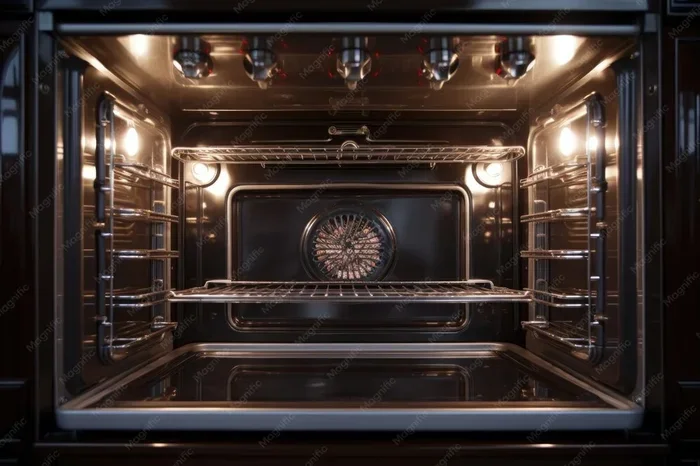
Where you place the oven rack can influence how fast the oven heats up. Racks placed lower in the oven cavity are closer to the burner. This means they receive more direct heat. Racks placed in the upper third of the oven are farther from the heat source and may heat more slowly.
For the fastest preheat, place your rack in the middle position. This allows air to circulate evenly and helps the oven reach the target temperature more quickly. If you need to cook on multiple racks, wait until the oven is fully preheated before adding the second rack with food.
Quick Tip: Use the Right Rack for the Job
Different cooking tasks need different rack positions. For pizza and bread, use the lower rack near the bottom burner. For cakes and casseroles, the middle rack works best. For broiling, use the upper rack close to the top element. Choosing the right rack can improve both preheat speed and cooking results.
How to Speed Up Your Gas Oven Preheat
If your oven takes too long to heat, there are several things you can do. Here are practical tips to help speed up the preheat process.
Keep the Oven Clean
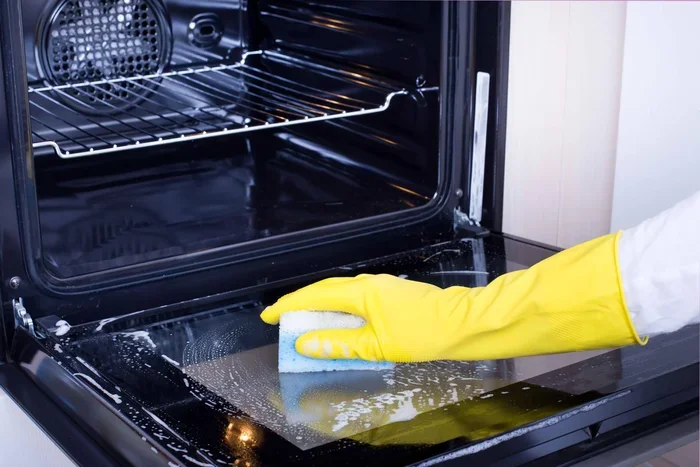
A clean oven heats more efficiently. Spills and grease inside the oven cavity can absorb heat and slow down the warming process. Wipe down the inside of your oven regularly. Focus on the areas around the burner and the oven floor.
Check the Door Seal Regularly
We mentioned the door seal above, but it is worth repeating. A good seal keeps heat inside and reduces preheat time. Make it a habit to inspect the seal every few months. Replace it as soon as you notice any damage or gaps.
Avoid Opening the Oven Door
Every time you open the oven door, heat escapes. The oven then has to use extra gas and time to recover the lost heat. Try to resist the urge to peek inside while preheating. Use the oven light and the window to check on progress instead.
Preheat with Purpose
Do not preheat the oven too early. If you turn it on 30 minutes before you need it, the oven will lose heat during that time. Turn the oven on only when you are ready to cook. This saves energy and ensures the oven is at the right temperature when your food goes in.
Consider the Oven Type
Not all gas ovens heat at the same speed. A convection gas oven uses a fan to circulate hot air. This can reduce preheat time significantly compared to a standard gas oven. If you are in the market for a new oven, a convection model might be worth considering for faster and more even cooking.
When to Call a Professional
Some preheat issues are easy to fix at home. But others require professional help. If you have tried cleaning the burner, checking the igniter, and inspecting the door seal, and your oven still takes too long to preheat, it is time to call in an expert.
Here are signs that you need professional help:
- The igniter glows but never lights the gas. This could be a gas valve issue.
- The oven temperature is consistently off by more than 25 degrees. The thermostat may need recalibration or replacement.
- You smell gas when the oven is on. This is a serious safety concern. Turn off the oven and contact your gas company immediately.
- The oven makes unusual noises during preheating. This could indicate a problem with the burner or gas flow.
A professional technician can run proper diagnostics and replace any faulty parts safely. Do not ignore gas-related issues. They can be dangerous if left unaddressed.
How to Test Your Oven Temperature
Even if your oven preheats quickly, it might not be reaching the right temperature. An oven that runs cool will cook food slowly and unevenly. This can feel like a preheat problem even when the real issue is calibration.
You can test your oven temperature with an independent oven thermometer. Place the thermometer in the center of the oven. Preheat to 350 degrees Fahrenheit. Wait until the oven beeps or the light turns off. Then check the thermometer reading.
If the thermometer shows 325 degrees, your oven is running 25 degrees low. Most ovens allow you to adjust the calibration. Check your oven manual for instructions on how to recalibrate the thermostat. Some modern ovens have a digital calibration feature that makes this easy.
Energy Efficiency and Preheat Time
A slow preheating oven wastes energy. The longer it takes to reach temperature, the more gas you use. This not only increases your utility bills but also adds unnecessary wear and tear on oven components like the igniter and thermostat.
Keeping your oven well-maintained helps it heat faster and use less gas. Simple habits like cleaning the burner, checking the door seal, and avoiding opening the door during preheat can make a real difference. Over time, these small steps save money and extend the life of your oven.
Gas Oven vs Electric Oven Preheat Time
It is worth noting that gas ovens and electric ovens preheat differently. Gas ovens generally heat up faster than electric ovens because the flame delivers heat directly to the oven cavity. Electric ovens rely on heating elements that take longer to warm up and distribute heat.
If you are comparing oven types, preheat speed is one factor to consider. However, electric ovens often provide more even heat distribution, which can be better for certain types of baking. Each type has its strengths. The best choice depends on your cooking style and preferences.
For most home cooks, a gas oven is the go-to choice for quick preheating and responsive temperature control. If your gas oven is slow to preheat, the tips in this guide should help you get back to fast, efficient cooking.
Final Thoughts
A gas oven that takes too long to preheat is a common problem with clear causes. Most of the time, the issue comes down to a dirty burner, a weak igniter, or a faulty thermostat. With a little troubleshooting and regular maintenance, you can often fix the problem yourself in minutes.
Remember to keep your burner ports clean, inspect the door seal, and avoid opening the oven door while preheating. These small habits go a long way in keeping your oven running efficiently. And if the problem persists, do not hesitate to call a professional for help.
Understanding why does my gas oven take so long to preheat today empowers you to take action. You do not have to waste time waiting for your oven to heat up. Use the tips in this guide, and you will be cooking with a properly heated oven in no time.
Frequently Asked Questions
Why is my gas oven taking 30 minutes to preheat?
A 30-minute preheat time is well above normal. This usually points to a weak igniter, a clogged burner, or a faulty thermostat. Start by cleaning the burner ports and checking the igniter. If those are not the issue, the thermostat may need professional testing or replacement.
Can a dirty oven affect preheat speed?
Yes, absolutely. Food debris and grease around the burner ports can block gas flow. This creates a weak flame that heats the oven much more slowly. Regular cleaning of the oven interior and burner area helps maintain optimal preheat performance.
How long should a gas oven take to preheat?
Most gas ovens should reach 350 degrees Fahrenheit in about 10 to 15 minutes. If your oven takes significantly longer, something is likely interfering with the heating process. Check the igniter, burner, door seal, and thermostat to identify the cause.
Is a weak igniter dangerous?
A weak igniter is not immediately dangerous, but it should be replaced soon. A failing igniter can cause incomplete gas combustion, which may produce carbon monoxide. If you ever smell gas or feel unwell while using your oven, turn it off, ventilate the area, and contact a professional right away.
Does opening the oven door really slow down preheating?
Yes, it does. Every time you open the door, a significant amount of heat escapes. The oven has to burn extra gas to recover the lost temperature. This can add several minutes to your preheat time. Use the oven light and window to check on your food instead.
Should I replace my gas oven if it preheats slowly?
Not necessarily. Slow preheating is often caused by replaceable parts like the igniter, thermostat, or door seal. Before replacing the entire oven, try fixing these components first. If the oven is old and has multiple issues, then a replacement might be the better long-term choice.