How To Cook Cabbage Rolls In The Oven Perfectly Every Time
Discover how to cook cabbage rolls in the oven with this foolproof recipe that delivers tender, flavorful rolls every single time. You will learn the best ingredients, step-by-step instructions, and expert tips that make oven-baked cabbage rolls a weeknight favorite. Whether you are a beginner or a seasoned cook, this guide covers everything you need to know.
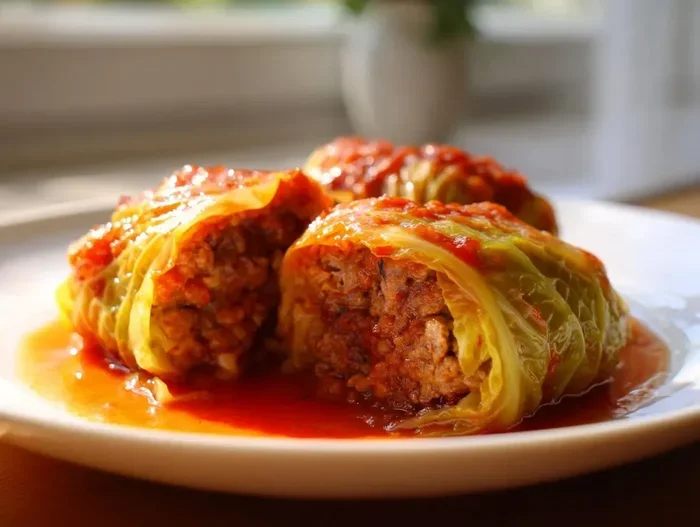
There is something truly special about a warm, hearty dish that fills your kitchen with the most amazing aroma. How to cook cabbage rolls in the oven is a question many home cooks ask, and the answer is simpler than you might think. Oven-baked cabbage rolls come out tender, flavorful, and incredibly satisfying without all the fuss of standing over a stove or waiting hours in a slow cooker.
Whether you grew up eating cabbage rolls or you are trying them for the very first time, this guide will walk you through every step. You will learn the best ingredients, the proper way to prep your cabbage, and how to get that perfect golden bake every time. How to cook cabbage rolls in the oven is a skill that will serve you well for years of delicious meals.
The beauty of this dish lies in its simplicity. You need just a handful of ingredients, a basic oven, and about an hour of your time. No special equipment is required. No fancy techniques are needed. Just real food that tastes incredible. Let us dive in and explore everything you need to know about making oven-baked cabbage rolls that your whole family will love.
Key Takeaways
- Oven-baked cabbage rolls are easier than you think and require minimal hands-on time compared to stovetop or slow cooker methods.
- Using the right cabbage leaves makes all the difference in how the rolls hold together and cook evenly.
- The filling and sauce are simple but pack big flavor with ground meat, rice, tomato sauce, and seasonings.
- Meal prep is a breeze because you can assemble cabbage rolls ahead of time and bake them when ready.
- Oven temperature and timing matter for achieving the perfect texture without dry or soggy rolls.
- There are many variations to customize cabbage rolls based on your taste preferences and dietary needs.
📑 Table of Contents
- Why Oven-Baked Cabbage Rolls Are the Best Choice
- Ingredients You Will Need for Perfect Cabbage Rolls
- Step-by-Step: How To Cook Cabbage Rolls In The Oven
- Tips for the Best Oven Cabbage Rolls
- Variations and Serving Ideas
- Common Mistakes to Avoid When Making Cabbage Rolls
- How Long to Cook Cabbage Rolls in the Oven
- Oven-Baked Cabbage Rolls vs Other Cooking Methods
- Nutritional Benefits of Cabbage Rolls
- Storing and Reheating Leftover Cabbage Rolls
- Conclusion
Why Oven-Baked Cabbage Rolls Are the Best Choice
You might wonder why oven-baked cabbage rolls deserve a spot in your regular cooking rotation. The answer comes down to convenience, flavor, and consistency. When you how to cook cabbage rolls in the oven, you get even heat distribution that cooks every roll perfectly. There are no hot spots or uneven cooking to worry about.
Easy and Hands-Off Cooking
One of the biggest advantages of baking cabbage rolls in the oven is how little effort is required once they are assembled. You place them in a baking dish, pour over your sauce, and let the oven do the work. While they bake, you can prepare a side salad, set the table, or simply relax. This makes oven-baked cabbage rolls ideal for busy weeknights when you still want a homemade meal on the table.
Consistent Results Every Time
When you simmer cabbage rolls on the stove, it can be tricky to maintain a steady temperature. The liquid might boil too fast or too slow. In the oven, the heat surrounds the dish evenly. This means your stuffed cabbage rolls cook at a consistent temperature, resulting in perfectly tender cabbage and well-cooked filling every single time.
Better Texture and Flavor
Oven baking gives cabbage rolls a slightly caramelized edge that stovetop cooking simply cannot match. The tomato sauce thickens beautifully in the oven, coating each roll in rich flavor. The cabbage becomes silky and tender without turning mushy. If you have been wondering how to get restaurant-quality cabbage rolls at home, the oven is your best tool.
Ingredients You Will Need for Perfect Cabbage Rolls
Great cabbage rolls start with great ingredients. You do not need anything fancy or hard to find. Most of these items are probably already in your pantry or fridge. Here is what you will need to make a batch of delicious oven-baked cabbage rolls.
For the Cabbage Rolls
- 1 large head of green cabbage – look for firm, heavy heads with crisp leaves.
- 1 pound ground beef or pork – you can also use a mix of both for extra flavor.
- 1 cup cooked white rice – instant rice works great and saves time.
- 1 small onion, finely diced – adds sweetness and depth to the filling.
- 2 cloves garlic, minced – fresh garlic makes a big difference.
- 1 egg – this helps bind the filling together.
- Salt and pepper to taste – keep it simple and let the natural flavors shine.
For the Baking Sauce
- 1 can (14 oz) crushed tomatoes – use quality canned tomatoes for the best flavor.
- 1/2 cup tomato sauce – this adds extra richness and body to the sauce.
- 1 tablespoon tomato paste – a little goes a long way for umami depth.
- 1 teaspoon paprika – smoked paprika adds a wonderful warmth.
- 1/2 teaspoon caraway seeds – this is a traditional cabbage roll seasoning.
- 1 bay leaf – adds a subtle herbal note during baking.
- 1 tablespoon sugar – balances the acidity of the tomatoes beautifully.
- Salt and pepper to taste
Substitution Ideas
Do not like beef? Use ground turkey or chicken instead. Vegetarian? Try lentils or mushrooms in place of the meat. You can also use canned cabbage rolls if you are short on time, though fresh always tastes better. The beauty of this recipe is its flexibility. Make it your own and enjoy the process.
Step-by-Step: How To Cook Cabbage Rolls In The Oven
Now for the part you have been waiting for. How to cook cabbage rolls in the oven is straightforward once you know the process. Follow these steps and you will have a beautiful pan of cabbage rolls ready to enjoy in about 75 minutes total.
Step 1: Prepare the Cabbage Leaves
Start by bringing a large pot of salted water to a boil. Core the cabbage and carefully lower it into the boiling water. Let it cook for about 2 to 3 minutes until the outer leaves begin to soften and separate. Use tongs to gently peel off the softened leaves one at a time. Place them on a clean kitchen towel to cool and drain.
If your cabbage is too tight to peel easily, you can trim a thin slice off the bottom and let it sit for a few minutes. The leaves will loosen up naturally. Do not worry about small tears – you can overlap torn pieces when wrapping the rolls. This is a common tip for anyone learning how to make cabbage rolls.
Step 2: Prepare the Filling
While the cabbage leaves cool, heat a skillet over medium heat. Add a splash of oil and sauté the diced onion until it turns translucent, about 3 to 4 minutes. Add the minced garlic and cook for another 30 seconds until fragrant.
Add the ground meat to the skillet and cook until browned, breaking it apart with a spoon. Season with salt and pepper. Remove from heat and let it cool slightly. In a large bowl, combine the cooked meat mixture with the cooked rice, the egg, and a pinch of salt and pepper. Mix everything together until well combined. This is your cabbage roll filling, and it is ready to go.
Step 3: Wrap the Cabbage Rolls
Take a cabbage leaf and place it on a clean surface with the thick vein facing up. Spoon about 2 to 3 tablespoons of filling onto the bottom center of the leaf. Fold the bottom edge up over the filling, then fold in the sides. Roll the leaf upward tightly, like a little burrito. Place the finished roll seam-side down in your baking dish.
Continue wrapping until all the filling is used. You should get about 10 to 12 rolls depending on the size of your cabbage. If you have extra small leaves, you can tuck them into any gaps in the baking dish. These will cook just fine and add extra flavor.
Step 4: Prepare the Sauce
In a medium bowl, whisk together the crushed tomatoes, tomato sauce, tomato paste, paprika, caraway seeds, sugar, salt, and pepper. Stir until smooth. Remove the bay leaf for now – you will add it directly to the dish in the next step.
Step 5: Bake the Cabbage Rolls
Pour the sauce evenly over the cabbage rolls in the baking dish. Make sure most of the rolls are covered with liquid. If you have a few rolls peeking above the sauce, that is okay. They will still cook through and absorb flavor as they bake.
Cover the baking dish tightly with aluminum foil. This traps moisture and helps the cabbage cook gently and evenly. Place the dish in a preheated oven set to 375°F (190°C). Bake for 60 minutes covered. Then remove the foil and bake for an additional 15 minutes uncovered. This last step allows the tops to get slightly golden and the sauce to thicken.
When the cabbage rolls are done, the cabbage should be silky and tender, and the filling should be fully cooked through. Let them rest for 5 minutes before serving. This helps the sauce settle and makes serving easier.
Tips for the Best Oven Cabbage Rolls
Even though how to cook cabbage rolls in the oven is simple, a few pro tips can take your results from good to absolutely perfect. Here are the tips that make the biggest difference.
Choose the Right Cabbage
Look for a cabbage that is firm and heavy for its size. A tight head of green cabbage works best for wrapping. Savoy cabbage has softer leaves that tear more easily, so it is not ideal for rolling. If you can only find savoy, handle the leaves gently and consider using them in a cabbage roll casserole instead.
Do Not Skip the Blanching Step
Blanching the cabbage in boiling water softens the leaves just enough to make them pliable for wrapping. Skipping this step can result in tough, rubbery cabbage that is difficult to roll and does not cook evenly in the oven. This is one of the most important steps in the entire process.
Let the Rolls Rest After Baking
It can be tempting to dig in right away, but letting the cabbage rolls rest for 5 to 10 minutes after baking makes a noticeable difference. The sauce thickens slightly, the rolls firm up a bit, and they are much easier to serve without falling apart. Patience here pays off.
Make Ahead and Reheat
Cabbage roll meal prep is one of the best things about this dish. You can assemble and wrap the rolls the night before, cover the dish, and refrigerate it overnight. In the morning, take it out of the fridge and let it come to room temperature for 20 minutes before baking. You can also freeze assembled, unbaked cabbage rolls for up to 3 months. Just add 10 to 15 extra minutes to the baking time when cooking from frozen.
Use a Deep Baking Dish
A deep baking dish or Dutch oven works best because it holds the rolls snugly in place and contains the sauce. If your dish is too shallow, the rolls may not stay submerged in the sauce and could dry out on top. A 9×13-inch baking dish is the perfect size for a standard batch.
Variations and Serving Ideas
How to cook cabbage rolls in the oven gives you a fantastic base that you can customize in so many fun ways. Here are some popular variations and serving suggestions to keep things interesting.
Polish-Style Cabbage Rolls
For a traditional Polish twist, add a splash of sauerkraut juice to your tomato sauce. This gives the rolls a tangy, slightly sour flavor that is deeply authentic. Some cooks also add a small handful of dried mushrooms to the filling for an earthy, umami-rich boost. Serve with a dollop of sour cream on top.
Turkey and Vegetable Cabbage Rolls
For a lighter version, swap ground beef for ground turkey and mix in finely diced zucchini and carrots with the filling. This adds moisture, nutrients, and a subtle sweetness. Turkey cabbage rolls are especially popular among health-conscious eaters who still want a hearty, satisfying meal.
Cheesy Cabbage Rolls
If you love cheese, sprinkle shredded mozzarella or cheddar over the rolls during the last 10 minutes of baking. The melted cheese adds a rich, gooey layer that pairs beautifully with the tomato sauce. This variation is a hit with kids and adults alike.
Serving Suggestions
Cabbage rolls are a complete meal on their own, but they pair wonderfully with a few simple sides. Consider serving them with crusty bread to soak up the sauce, a simple green salad for freshness, or roasted potatoes for a comforting classic combination. A side of tangy sauerkraut is also a traditional pairing that adds a nice contrast in flavor.
Common Mistakes to Avoid When Making Cabbage Rolls
Even experienced cooks can run into trouble when making cabbage rolls. Knowing what to avoid saves time, ingredients, and frustration. Here are the most common mistakes people make and how to prevent them.
Using Cabbage Leaves That Are Not Soft Enough
If you skip the blanching step or do not boil the cabbage long enough, the leaves will be too stiff to roll. They may also tear apart during baking and not cook through properly. Always blanch until the leaves are clearly softened and pliable.
Overstuffing the Rolls
It is tempting to pack in as much filling as possible, but overstuffed rolls are hard to wrap and often burst open during baking. Keep your filling portions small and consistent, about 2 to 3 tablespoons per roll. You can always make extra rolls instead of making each one too large.
Not Enough Sauce
Cabbage rolls need sauce to stay moist during baking. If the rolls are not partially submerged, the exposed parts can dry out and become tough. Make sure you have enough sauce to cover at least two-thirds of the rolls. You can always add a little extra broth or water if needed.
Baking at Too High a Temperature
A common mistake is setting the oven too hot in hopes of speeding up the process. High heat can cause the cabbage to toughen and the filling to dry out before the rolls are cooked through. Stick to 375°F and let the oven do the work at a moderate, steady temperature.
Removing the Foil Too Early
The covered baking phase is essential for steaming the rolls and cooking them evenly. If you remove the foil too early, the moisture escapes and the cabbage can become dry and chewy. Keep the foil on for the full 60 minutes, then uncover for just the last 15 minutes.
How Long to Cook Cabbage Rolls in the Oven
Timing is key when it comes to oven-baked cabbage rolls. The total baking time is typically about 75 minutes, but this can vary depending on your oven and the size of your rolls. Here is a quick reference guide.
- 60 minutes covered at 375°F – This is the main cooking phase where the rolls steam and the filling cooks through completely.
- 15 minutes uncovered at 375°F – This final phase lets the sauce reduce and the tops get a light golden color.
- Total time: approximately 75 minutes – plus 10 to 15 minutes for prep and assembly.
If you are cooking frozen cabbage rolls, add an extra 15 to 20 minutes to the covered baking time. Always check that the internal temperature of the filling reaches 165°F to ensure food safety. A meat thermometer is your best friend here.
Oven-Baked Cabbage Rolls vs Other Cooking Methods
There are several ways to cook cabbage rolls, and each method has its own strengths. Here is how oven-baked cabbage rolls compare to the most popular alternatives.
| Method | Hands-On Time | Total Time | Texture | Best For |
|---|---|---|---|---|
| Oven Baked | 30 minutes | 75 minutes | Tender, slightly caramelized | Even cooking, easy cleanup |
| Stovetop Simmered | 35 minutes | 90 minutes | Soft, saucy | Small batches, stovetop lovers |
| Slow Cooker | 20 minutes | 6 to 8 hours | Very tender, fall-apart | Set-it-and-forget-it cooking |
| Instant Pot | 30 minutes | 35 minutes | Tender, moist | Fastest cooking method |
As you can see, how to cook cabbage rolls in the oven strikes a great balance between convenience and quality. The oven method is faster than slow cooking, easier than stovetop simmering, and does not require special equipment like an Instant Pot. For most home cooks, oven-baked cabbage rolls are the sweet spot.
Nutritional Benefits of Cabbage Rolls
Cabbage rolls are not just delicious – they are also packed with nutritional benefits. Cabbage is an excellent source of vitamin C, vitamin K, and fiber. It is low in calories and rich in antioxidants that support overall health. The combination of meat, rice, and vegetables makes cabbage rolls a well-rounded meal that provides protein, complex carbohydrates, and essential nutrients.
A typical serving of oven-baked cabbage rolls contains approximately 250 to 300 calories, depending on the type of meat and amount of sauce used. This makes them a satisfying portion that fits well into a balanced diet. They are also naturally gluten-free, which makes them a great option for those with dietary restrictions.
Storing and Reheating Leftover Cabbage Rolls
One of the best things about cabbage rolls is that they taste even better the next day. The flavors meld together and deepen overnight in the fridge. Store leftover cabbage rolls in an airtight container for up to 4 days. To reheat, place them in a baking dish, cover with foil, and warm in the oven at 350°F for about 15 to 20 minutes. You can also reheat individual portions in the microwave, though the oven method helps maintain the best texture.
Freezing is another great option. Place cooled cabbage rolls in a freezer-safe container or zip-lock bag and freeze for up to 3 months. To reheat from frozen, cover with sauce and foil and bake at 375°F for about 45 to 50 minutes until heated through. This makes cabbage rolls an excellent choice for cabbage roll meal prep and batch cooking.
Conclusion
How to cook cabbage rolls in the oven is a skill that anyone can master with a little practice and patience. From choosing the right cabbage to wrapping the perfect roll and baking it to golden perfection, every step is simpler than it seems. The oven method gives you consistent, delicious results with minimal effort, making it the best way to prepare this classic dish at home.
Whether you stick with the traditional recipe or experiment with fun variations, oven-baked cabbage rolls are sure to become a family favorite. They are hearty, flavorful, and perfect for meal prep, weeknight dinners, or special occasions. Now that you know the secrets to how to cook cabbage rolls in the oven, it is time to head to the kitchen and give it a try. Your taste buds will thank you.
Start with the basic recipe, follow the tips, and soon you will be making cabbage rolls that rival any restaurant or family tradition. The best part is that every batch gives you the chance to tweak the flavors and make the dish truly your own. So preheat that oven, grab a head of cabbage, and enjoy the process of creating something warm, comforting, and absolutely delicious.
Frequently Asked Questions
Can I use frozen cabbage instead of fresh for oven cabbage rolls?
Yes, you can use frozen cabbage, but the texture will be slightly different. Thaw the cabbage completely and pat the leaves dry before wrapping. Frozen cabbage tends to be softer, so handle it gently when rolling. Fresh cabbage gives the best results, but frozen works in a pinch when you need to save time.
How long do oven cabbage rolls last in the fridge?
Properly stored oven cabbage rolls last up to 4 days in the refrigerator. Keep them in an airtight container to maintain moisture and freshness. They actually taste better the next day as the flavors continue to develop and meld together overnight.
Can I make cabbage rolls without meat?
Absolutely. You can make delicious vegetarian cabbage rolls by replacing the ground meat with cooked lentils, mushrooms, or a mix of diced vegetables and rice. The sauce and baking process remain the same, and the rolls will still be flavorful and satisfying.
What temperature should I bake cabbage rolls at?
Bake cabbage rolls at 375°F (190°C) for the best results. This moderate temperature cooks the filling thoroughly while keeping the cabbage tender and preventing the sauce from reducing too quickly. Always preheat your oven before placing the dish inside.
Can I assemble cabbage rolls ahead of time and bake them later?
Yes, you can assemble the rolls and refrigerate them for up to 24 hours before baking. Cover the baking dish tightly with plastic wrap or foil. You may need to add 5 to 10 extra minutes to the baking time if the rolls go straight from the fridge into the oven.
What is the best way to reheat leftover oven cabbage rolls?
The best way to reheat cabbage rolls is in the oven at 350°F for 15 to 20 minutes, covered with foil to retain moisture. This keeps the cabbage tender and the filling warm throughout. Microwaving works in a pinch but can make the cabbage slightly rubbery compared to oven reheating.