How Long To Roast Lamb In Oven For Perfect Tender Meat
This guide answers how long to roast lamb in oven for a juicy, tender result. You’ll learn the best oven temperature, timing for different cuts, and simple steps to avoid dry meat. Whether you’re using a leg of lamb, lamb shoulder, or rack of lamb, you’ll get clear, foolproof instructions.
There is something deeply satisfying about a roast lamb in the oven. The aroma fills the kitchen, the meat turns tender and juicy, and you end up with a centerpiece that feels both special and simple. If you have ever wondered how long to roast lamb in oven, you are in the right place. This guide takes all the guesswork out of the process. You will learn the right oven temperature, the exact timing for different cuts, and the small tricks that make the difference between dry meat and a showstopper roast. I will walk you through each step like a friend in the kitchen. By the end, you will feel confident enough to roast a perfect leg of lamb or a lamb shoulder any day of the week.
Oven-roasted lamb is a classic for a reason. It brings people together. It works for Sunday dinners, holiday meals, and casual weeknight feasts when you have a little extra time. The beauty of roast lamb is that it does not need constant attention. You season it, pop it in the oven, and let the heat do the work. But knowing how long to roast lamb in oven is the key. Too short and it is raw in the middle. Too long and it turns tough and dry. That is why we break it all down here. You will find practical tips, clear times, and the science behind a perfect roast. Let us get started.
Key Takeaways
- Low and slow wins: Roasting at 325°F (165°C) keeps lamb juicy and tender.
- Timing depends on the cut: A leg of lamb needs about 20 minutes per pound, while a shoulder may need 25-30 minutes.
- Always use a meat thermometer: Pull lamb at 135°F for medium-rare or 145°F for medium.
- Rest the meat: Let lamb rest 15-20 minutes before slicing to lock in juices.
- Sear first for extra flavor: A quick sear on the stovetop before oven roasting adds a delicious crust.
- Marinate or dry-brine overnight: This boosts flavor and moisture, especially for leaner cuts.
📑 Table of Contents
- Why Oven-Roasted Lamb Is a Sunday Favorite
- Picking the Best Cut for Your Roast
- The Perfect Oven Temperature for Lamb
- How Long to Roast Lamb In Oven (By Cut and Weight)
- Step-by-Step: Roasting Lamb Like a Pro
- Common Mistakes That Dry Out Your Lamb
- Serving and Storing Your Roast
- Final Thoughts on How Long to Roast Lamb In Oven
Why Oven-Roasted Lamb Is a Sunday Favorite
Roast lamb in oven is one of the most forgiving meats you can cook. It does not demand constant stirring or flipping. Once it is in the oven, you can set the table, prep a salad, or relax with a glass of wine. The slow, even heat of an oven gently breaks down the connective tissues in lamb. This is what gives you that melt-in-your-mouth tenderness. Unlike a skillet that can scorch the outside before the inside is done, an oven surrounds the meat with consistent warmth. The result is a uniform tender lamb with a golden, flavorful crust.
Many home cooks shy away from lamb because they fear it will be gamey or dry. But with the right oven temperature and timing, lamb can be the most comforting dish on the table. A leg of lamb roasts beautifully. A lamb shoulder becomes fall-apart tender. Even smaller cuts like a rack of lamb or lamb loin cook quickly and stay juicy. The key is to understand the relationship between weight, cut, and time. This guide gives you that understanding.
Picking the Best Cut for Your Roast
Not all lamb cuts are the same. Some need long, slow cooking. Others are ready in a flash. Choosing the right cut is the first step to a perfect roast lamb. Here are the most popular options and what to expect.
Leg of Lamb vs. Shoulder
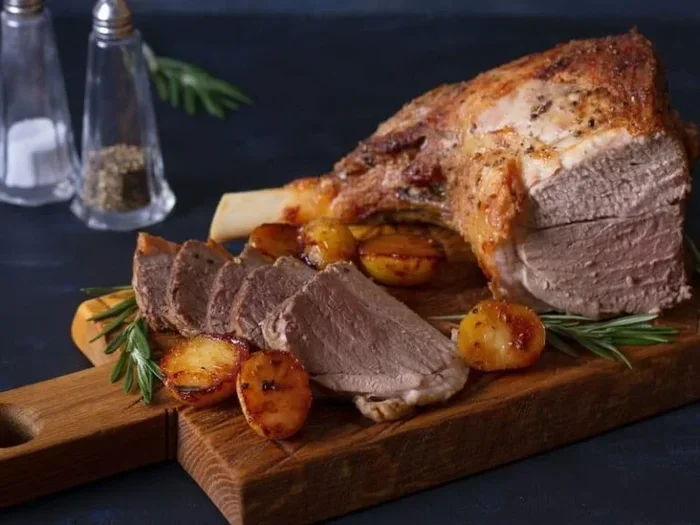
The leg of lamb is the classic roast. It is lean and elegant. A bone-in leg makes a stunning presentation. You can roast it whole or butterfly it for faster cooking. A boneless leg is easier to carve. Expect about 20 minutes per pound at 325°F for a leg of lamb. The meat should reach an internal temperature of 135°F for medium-rare or 145°F for medium.
The lamb shoulder is a tougher cut with more fat and connective tissue. That is actually a good thing. During a long roast, the collagen melts and turns the meat incredibly juicy and rich. A shoulder needs more time than a leg. Plan for 25 to 30 minutes per pound. It is the perfect cut for slow roast lamb or pulling into sandwiches later. If you want the most flavorful, succulent result, the shoulder is hard to beat.
Rack and Loin for Quick Roasts
If you are short on time, the rack of lamb or lamb loin are excellent choices. A rack is the rib section, often trimmed and frenched for a clean look. It cooks in about 20 to 25 minutes per pound. The meat is tender and mild. A lamb loin is similar, often sold as a boneless roast. Both cuts benefit from a quick sear before going into the oven. This builds a flavorful crust without overcooking the inside.
For smaller gatherings, lamb chops can be roasted in the oven as well. Thick-cut chops take only 10 to 15 minutes at a higher temperature. They are great for a weeknight lamb dinner when you want something special but fast.
The Perfect Oven Temperature for Lamb
The oven temperature you choose has a big impact on the final texture. Too hot and the outside burns before the inside is cooked. Too low and the meat dries out over a long period. The sweet spot for most roast lamb is 325°F (165°C). This moderate heat allows the meat to cook evenly from edge to center. It also gives you time for the fat to render and baste the meat naturally.
Why 325°F Is the Sweet Spot
At 325°F, the proteins in lamb denature slowly. This means the muscle fibers stay tender instead of seizing up and squeezing out moisture. The collagen in tougher cuts has time to break down into gelatin. This is what gives a lamb shoulder its silky texture. For a leg of lamb, 325°F produces a perfect pink center with a caramelized outer layer. The meat stays juicy for days after cooking, making it ideal for leftovers.
If you prefer a well-done roast, you can cook a bit longer at the same temperature. Just keep an eye on the internal thermometer. You can also raise the temperature to 350°F for a slightly faster cook. This works well for smaller, tender cuts like a rack of lamb. The higher heat helps develop a deeper brown crust in less time.
High-Heat Roast for Crispy Crust
Some cooks like to start with a blast of high heat. They set the oven to 425°F or 450°F for the first 15 to 20 minutes. This sears the outside quickly, locking in juices and creating a crispy, flavorful crust. Then they drop the temperature to 325°F to finish the roast gently. This method works beautifully for a leg of lamb or a lamb shoulder. The initial sear adds depth of flavor that slow roasting alone cannot achieve. Just remember to adjust the total time, because the high-heat phase adds some cooking.
How Long to Roast Lamb In Oven (By Cut and Weight)
Now we get to the heart of the matter. How long to roast lamb in oven depends on the cut and the weight. The times below are for an uncovered roast at 325°F. Always use a meat thermometer to check the internal temperature. This is the only way to be sure your lamb is perfectly cooked.
| Cut of Lamb | Weight | Time at 325°F | Target Internal Temp |
|---|---|---|---|
| Bone-in Leg | 7-8 lbs | 2 hours 15 min – 2 hours 40 min | 135°F (medium-rare) |
| Boneless Leg | 4-5 lbs | 1 hour 30 min – 1 hour 50 min | 135°F (medium-rare) |
| Bone-in Shoulder | 6-8 lbs | 3 hours 30 min – 4 hours | 195°F (fall-apart tender) |
| Boneless Shoulder | 4-5 lbs | 2 hours 30 min – 3 hours | 195°F (fall-apart tender) |
| Rack of Lamb | 1.5-2 lbs | 35 min – 45 min | 130°F (medium-rare) |
| Lamb Loin Roast | 2-3 lbs | 45 min – 1 hour | 135°F (medium-rare) |
| Lamb Chops (thick) | 8-12 oz each | 12 min – 18 min | 130°F (medium-rare) |
Leg of Lamb Timing
A leg of lamb is the star of many holiday tables. For a bone-in leg, estimate about 20 minutes per pound at 325°F. So an 8-pound leg will need roughly 2 hours and 40 minutes. A boneless leg cooks a bit faster because there is no bone to conduct heat. Plan for 15 to 18 minutes per pound. The meat is done when a thermometer inserted into the thickest part reads 135°F for medium-rare. If you like your lamb more done, aim for 145°F. Remember that the temperature will rise 5 to 10 degrees during resting.
Quick Tip: If you want a crispy, herb-crusted exterior, mix chopped rosemary, garlic, and olive oil with salt. Rub it all over the lamb before roasting. The herbs toast in the oven and create an incredible aroma.
Shoulder and Shanks
Lamb shoulder is the ultimate comfort cut. It needs patience. A bone-in shoulder can take 3.5 to 4 hours. The meat is ready when it pulls apart easily with a fork. The internal temperature should reach 195°F to 205°F. This high temperature is what breaks down the tough collagen. Do not be tempted to rush it. Low and slow is the secret to a tender lamb shoulder.
Lamb shanks work the same way. They become silky and rich after a long roast. You can braise them in the oven with a little liquid, or roast them dry for a deeper flavor. Both methods are forgiving and produce stunning results.
Rack and Loin
A rack of lamb is a showstopper for elegant dinners. It cooks quickly because it is small and tender. At 325°F, a 2-pound rack needs about 35 to 45 minutes. The goal is a pink, juicy center. Overcooking a rack makes it dry and chewy. Use a instant-read thermometer and pull it at 130°F. The carryover heat will bring it up to 135°F while resting.
A lamb loin roast is similar. It is often tied for even cooking. Roast it for 45 minutes to 1 hour, depending on the weight. The loin is lean, so do not overcook it. A little pink in the center is your friend.
Step-by-Step: Roasting Lamb Like a Pro
Now that you know the times and temperatures, let us walk through the actual process. Following these steps will give you a perfect roast lamb every time. The process is simple, but the details make the difference.
Seasoning and Searing
Take the lamb out of the refrigerator at least 30 minutes before cooking. This lets it come to room temperature. Cold meat in a hot oven cooks unevenly. Pat the lamb dry with paper towels. Dry surfaces brown better. Season generously with salt and pepper. You can also add garlic cloves, rosemary sprigs, or a drizzle of olive oil. For a deeper flavor, rub the lamb with a paste of minced garlic, Dijon mustard, and fresh herbs.
Heat a large oven-safe skillet or roasting pan over medium-high heat. Add a little oil. Sear the lamb on all sides until it gets a rich brown crust. This step takes only a few minutes. It adds a layer of flavor that you cannot get from the oven alone. Once seared, transfer the pan to the preheated oven.
The Roast and the Rest
Place the lamb in the oven, fat side up if it has a fat cap. Do not cover it with foil during the main roast. Covering traps steam and prevents browning. You want that golden, caramelized exterior. Insert a meat thermometer into the thickest part of the meat, avoiding bone if there is one. Check the temperature as you approach the estimated finish time.
When the thermometer reads 5 degrees below your target, pull the lamb out. The internal temperature will rise during resting. This is called carryover cooking. For a medium-rare roast, pull at 130°F. For medium, pull at 140°F. Transfer the lamb to a cutting board and tent it loosely with foil. Let it rest for 15 to 20 minutes. This is a non-negotiable step. Resting allows the juices to redistribute. If you slice too early, the juices run out and the meat dries out.
Expert Insight: Many cooks worry about resting because they fear the meat will get cold. In reality, the temperature only drops 5 to 10 degrees during a 20-minute rest. The flavor and juiciness gain far outweigh any small temperature change.
Common Mistakes That Dry Out Your Lamb
Even experienced cooks can make mistakes. Knowing what to avoid helps you serve juicy lamb every time. Here are the most common pitfalls and how to fix them.
Skipping the Rest
This is the number one mistake. You take the lamb out of the oven and immediately slice into it. The juices, which have been relaxing inside the meat, flood out onto the cutting board. You end up with a dry roast. Always let the lamb rest. Use a warm cutting board if you are in a hurry. The rest time also gives you a chance to make a quick pan sauce with the drippings.
Overcooking by a Few Degrees
Lamb is forgiving, but it has a limit. A leg of lamb that goes from 135°F to 155°F can feel like a big difference in texture. The proteins tighten up and squeeze out moisture. The best way to avoid this is to pull the lamb early. Trust the thermometer. The carryover heat will finish the job. If you do not have a thermometer, learn to judge by weight and time, but know that a thermometer is the only truly reliable tool.
Using the Wrong Pan or Rack Position
Do not put your lamb on the top rack of the oven. The top element radiates intense heat, which can brown the top too quickly while the inside stays raw. Place the pan on the middle rack. This ensures even airflow around the roast. Also, use a pan with low sides. A deep roasting pan with a rack works well, but a rimmed baking sheet is fine for smaller cuts like a rack of lamb.
Serving and Storing Your Roast
Once your lamb has rested, it is time to carve and serve. The right technique keeps the meat tender and juicy. For a leg of lamb, slice against the grain. This shortens the muscle fibers and makes each bite easier to chew. For a shoulder, you can simply pull the meat apart with two forks. It should be tender enough to shred naturally.
Leftover roast lamb is a gift. It makes incredible sandwiches the next day. Chop the meat and toss it with a little sauce, fresh herbs, and crusty bread. You can also add it to salads, pasta, or shepherd’s pie. Store cooked lamb in an airtight container in the refrigerator for up to 4 days. Reheat gently in a low oven or microwave, adding a splash of broth to keep it moist.
Final Thoughts on How Long to Roast Lamb In Oven
How long to roast lamb in oven is really a question of the right cut, the right temperature, and a little patience. With a leg of lamb, you need about 20 minutes per pound at 325°F. With a shoulder, give it 25 to 30 minutes per pound and let the collagen do its work. For quick cuts like a rack of lamb, 20 to 25 minutes per pound is all you need. Always use a meat thermometer. Always let the meat rest. And always remember that oven-roasted lamb is a forgiving, delicious dish that will impress everyone at the table.
The next time you are planning a dinner, think about roast lamb. It does not have to be complicated. Pick your favorite cut, season it well, and let the oven do the work. You will be rewarded with tender, juicy meat that tastes like a holiday, no matter what day of the week it is. Happy roasting.
Frequently Asked Questions
Can I roast a frozen lamb in the oven?
It is not recommended to roast a frozen lamb directly. Thaw it in the refrigerator for 24 to 48 hours first. Cooking from frozen leads to uneven doneness and can leave the outer edges overcooked while the center remains unsafe. If you must cook from frozen, increase the roasting time significantly and use a thermometer to check the internal temperature throughout.
What is the best internal temperature for lamb?
For tender, juicy lamb, aim for 135°F for medium-rare and 145°F for medium. The meat will continue to rise a few degrees while resting. If you prefer well-done, cook to 160°F, but note that leaner cuts may become drier past medium. Always let the lamb rest for at least 15 minutes before slicing.
Should I cover my lamb with foil while roasting?
No, do not cover the lamb during the main roast. Covering traps steam and prevents the outside from browning and crisping. Leave it uncovered for the full cooking time. Only tent it loosely with foil during the resting period to keep it warm while the juices redistribute.
How do I know if my lamb is done without a thermometer?
A meat thermometer is the most reliable tool. However, you can use the touch test for approximate doneness. Press the center of the thickest part with your finger. For medium-rare, it should feel soft and springy, like the base of your thumb when your hand is relaxed. For medium, it should feel firmer but still give slightly. This method takes practice and is less precise than a thermometer.
Can I use a slow cooker instead of the oven?
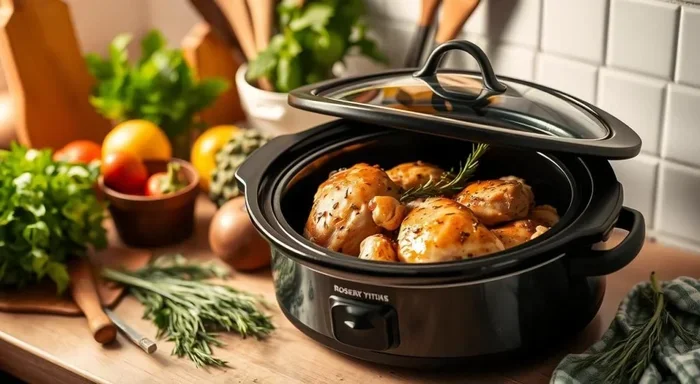
Yes, a slow cooker is a great alternative for tougher cuts like shoulder. It uses low, moist heat over many hours and produces very tender results. However, it does not create the same caramelized crust as an oven roast. If you want that crispy exterior, you can sear the lamb first and then transfer it to the slow cooker, or finish it under the broiler after slow cooking.
What herbs pair best with roast lamb?
Rosemary and garlic are classic companions for lamb. Thyme, oregano, and mint also work beautifully. You can make a paste with chopped herbs, olive oil, and salt and rub it into the meat before roasting. Fresh herbs added in the last 20 minutes of cooking stay vibrant and aromatic. Dried herbs can be added earlier as they need more time to release their flavor.