Can Steam Table Pans Go In The Oven Safely Right Now
Can steam table pans go in the oven? The short answer is yes, but it depends entirely on the material and construction. Stainless steel and aluminum steam table pans are generally oven safe, while plastic handles and disposable options need careful handling. This guide covers everything you need to know about baking in steam pans safely and effectively.
Have you ever wondered whether your steam table pans can handle the heat of an oven? Maybe you are prepping for a big catering event and want to save time by baking directly in your food service pans. Or perhaps you are just curious about whether your aluminum steam table trays can double as baking dishes.
The truth is, can steam table pans go in the oven is a question many home cooks and professional kitchen staff ask. The answer is not as simple as a yes or no. It depends on what the pan is made of, what temperature you plan to use, and whether the pan has any parts that cannot handle high heat. In this article, we will walk you through everything you need to know about using steam table pans in the oven safely and confidently.
Whether you run a commercial kitchen, cater events, or just love cooking at home, understanding the limits of your pans is essential. Safe cooking starts with knowing your equipment. So let us dive right in and explore the world of oven-safe steam pans together.
Key Takeaways
- Not all steam table pans are oven safe: Always check the material and manufacturer guidelines before placing any pan in the oven.
- Stainless steel and aluminum pans handle high oven temperatures well and are the safest choices for baking.
- Temperature limits vary by material: Most oven-safe steam pans handle up to 400-450 degrees Fahrenheit, but some have lower thresholds.
- Remove plastic handles or lids before putting steam table pans in the oven to prevent melting and damage.
- Disposable aluminum foil pans work in the oven but lack the durability of reusable commercial pans.
- Always let pans cool gradually: Sudden temperature changes can cause warping and reduce the lifespan of your catering equipment.
📑 Table of Contents
What Are Steam Table Pans?
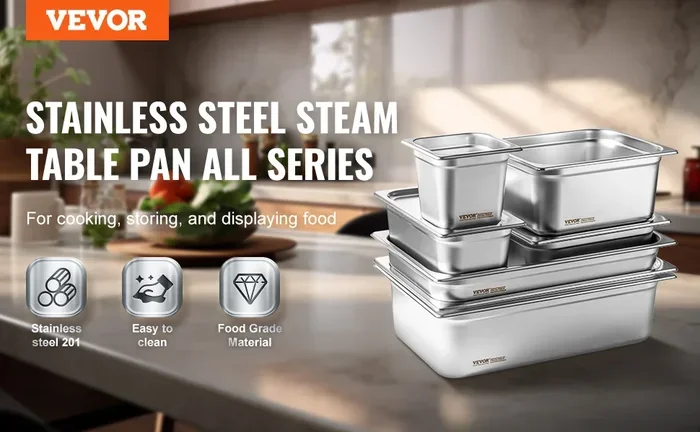
Steam table pans are shallow, rectangular containers designed to sit inside steam tables. These tables keep food warm during service at buffets, banquets, and cafeterias. The pans hold food above simmering water, which creates steam that gently heats the contents.
They come in standard sizes that fit most catering equipment setups. The most common sizes are full-size, half-size, and quarter-size pans. These pans are also known as steam table accessories and are a staple in any food service operation.
Most steam table pans are made from stainless steel or aluminum. Some have reinforced rims for extra durability. Others come with matching glass lids that help retain moisture and let you see the food inside. Understanding what your pan is made of is the first step in answering whether it can go in the oven.
Types of Steam Table Pans
Not all steam pans are created equal. Here are the most common types you will encounter:
- Stainless steel pans: Durable, long-lasting, and resistant to rust. These are the gold standard for professional kitchens.
- Aluminum pans: Lightweight and excellent at conducting heat. They heat up quickly but can dent more easily.
- Aluminum foil pans: Disposable and convenient for one-time use. Great for large events where cleanup is not a priority.
- Non-stick coated pans: Easy to release food but may have temperature limitations that prevent oven use.
- Pans with plastic handles: Common in home-style steam tables but usually not oven safe due to the plastic components.
Can You Put Steam Table Pans In The Oven?
So, can steam table pans go in the oven? The answer depends on the specific pan you are using. Many steam table pans are indeed oven safe, but not all of them are. The key is to check the material and any manufacturer labels before you place a pan in a hot oven.
Stainless steel steam table pans are almost always oven safe. They can handle high temperatures without warping or releasing harmful chemicals. Aluminum steam table pans are also generally safe for oven use, though they may warp if exposed to temperatures above their limit.
Here is a simple rule of thumb: if the pan is made entirely of metal and has no plastic, rubber, or wooden parts, it is likely oven safe. But always double-check. Some pans have silicone grips or plastic rivets that can melt or release toxins when heated.
For disposable steam pans made from aluminum foil, the answer is also yes, they can go in the oven. However, they are thinner and less durable than reusable pans. They may buckle under heavy food loads or at very high temperatures. Use them at moderate heat for best results.
Why People Use Steam Pans in the Oven
There are several reasons why cooks choose to bake in steam pans:
- Convenience: You can prep, bake, and serve all in the same pan. No need to transfer food to a different dish.
- Consistency: Steam table pans are designed for even heat distribution, which helps food cook uniformly.
- Large capacity: These pans hold a lot of food, making them perfect for catering and batch cooking.
- Cost savings: If you already own steam pans, you do not need to buy separate baking dishes.
- Easy cleanup: Most stainless steel pans go straight into the dishwasher after use.
Materials Matter: Which Pans Are Oven Safe?
When it comes to heat resistance, not all materials are created equal. The material your pan is made from determines whether it can safely go in the oven and at what temperature. Let us break down the most common materials used for steam table pans.
Stainless Steel
Stainless steel is the most oven-friendly material for steam table pans. It can handle temperatures up to 500 degrees Fahrenheit or more without any issues. Stainless steel does not warp, warp, or leach chemicals when exposed to high heat. This makes it the top choice for commercial kitchen environments where pans see a lot of use.
One thing to watch for is that stainless steel pans can get very hot in the oven. Always use oven mitts when handling them. Also, stainless steel takes longer to heat up than aluminum, so plan your cooking time accordingly.
Aluminum
Aluminum is another excellent choice for oven use. It heats up quickly and distributes heat evenly, which is great for baking in steam pans. Most aluminum steam table pans can handle temperatures between 400 and 450 degrees Fahrenheit.
The downside of aluminum is that it can warp if exposed to very high temperatures or sudden temperature changes. It is also softer than stainless steel and can dent more easily. If you use aluminum pans, avoid sliding them across rough surfaces and never plunge a hot pan into cold water.
Aluminum Foil Pans
Disposable aluminum foil pans are thin and lightweight. They work fine in the oven at moderate temperatures, usually up to 400 degrees Fahrenheit. Because they are so thin, they are more prone to warping and leaking. If you are catering supplies for a large event, foil pans are a practical option, but handle them with care.
Do not use foil pans at temperatures above 450 degrees Fahrenheit. The thin metal can buckle, and any food juices can cause the foil to break down faster. For best results, place foil pans on a sturdy baking sheet before putting them in the oven.
Non-Stick Coated Pans
Some steam table pans come with a non-stick coating. These pans are convenient for releasing food easily, but they often have lower temperature limits. Most non-stick coatings start to break down above 400 degrees Fahrenheit. If you plan to use a coated pan in the oven, check the manufacturer’s instructions carefully. Exceeding the temperature limit can damage the coating and release harmful fumes.
Plastic and Wooden Components
Many steam table pans come with plastic handles, knobs, or rivets. These parts are not oven safe. Plastic can melt at relatively low temperatures, and wooden handles can burn or char. If your pan has any non-metal parts, remove them before placing the pan in the oven.
Some manufacturers sell oven-safe replacement handles made from metal or high-temperature silicone. These are a great investment if you want to use your pans in the oven regularly.
Temperature Limits and Safety Guidelines
Understanding oven temperature limits is crucial for safe and effective cooking. Every material has a threshold, and exceeding it can damage your pan or even create safety hazards. Here is what you need to know about high temperature limits for different steam table pans.
General Temperature Guidelines
- Stainless steel: Safe up to 500 degrees Fahrenheit and beyond.
- Aluminum (reusable): Safe up to 400-450 degrees Fahrenheit.
- Aluminum foil (disposable): Safe up to 400 degrees Fahrenheit.
- Non-stick coated: Usually safe up to 350-400 degrees Fahrenheit.
- Pans with plastic parts: Not safe for oven use unless the plastic is specifically rated for high heat.
How to Check If Your Pan Is Oven Safe
Before you put any pan in the oven, follow these steps:
- Look for a label or stamp on the bottom of the pan that says “oven safe.”
- Check the manufacturer’s website or product manual for temperature ratings.
- Inspect the pan for any plastic, rubber, or wooden parts that could melt.
- If you are unsure, contact the manufacturer directly for guidance.
- When in doubt, do not put the pan in the oven.
What Happens When You Exceed Temperature Limits
Using a pan beyond its heat limit can cause serious problems. Warping is the most common issue. A warped pan will not sit flat on the oven rack or the steam table, which affects cooking performance. In extreme cases, the pan can buckle or collapse, spilling hot food and creating a dangerous mess.
Non-stick coatings can release toxic fumes when overheated. Melting point of plastic components is surprisingly low, sometimes as low as 200 degrees Fahrenheit. Always respect the temperature limits of your equipment.
Quick Tips for Temperature Safety
- Always preheat the oven before placing the pan inside.
- Never place a cold pan directly into a hot oven. Let it come to room temperature first.
- Use an oven thermometer to verify your oven’s actual temperature.
- If the pan starts to discolor or warp, stop using it in the oven immediately.
- Keep a fire extinguisher nearby when cooking at high temperatures in any kitchen.
Common Mistakes People Make
Even experienced cooks make mistakes when using steam table pans in the oven. Learning from others’ errors can save you time, money, and frustration. Here are the most common pitfalls to avoid.
Using Pans with Plastic Handles
This is the number one mistake. Many people assume that because the pan body is metal, the whole thing is oven safe. But plastic handles melt, and melted plastic can ruin your food and your oven. Always remove plastic handles or knobs before placing the pan in the oven.
Overcrowding the Oven
Steam table pans are often large and deep. It can be tempting to fit as many as possible into the oven at once. However, overcrowding blocks airflow and leads to uneven cooking. Leave space between pans so hot air can circulate freely around each one.
Ignoring Warping Signs
If you notice your pan is starting to warp, retire it from oven use immediately. A warped pan does not sit properly, which means food may cook unevenly or spill. Continuing to use a damaged pan can also cause it to fail completely in the middle of cooking.
Placing Hot Pans on Cold Surfaces
After removing a hot pan from the oven, never place it directly on a cold or wet surface. The sudden temperature change can cause the pan to warp or crack. Use a wooden cutting board, a trivet, or a thick towel as a buffer.
Using Foil Pans at Too High a Temperature
Disposable foil pans are convenient, but they have limits. Using them at very high temperatures causes the foil to thin out, buckle, and potentially leak. Stick to moderate oven temperatures for foil pans, and always place them on a baking sheet for stability.
Skipping the Lid When Baking
Many people forget that glass lids for steam table pans are also oven safe, but only up to a certain temperature. Most glass lids can handle up to 350-400 degrees Fahrenheit. Check the lid’s rating before covering your pan in the oven. Using a lid that is not oven safe can cause it to shatter.
Best Practices for Using Steam Table Pans in the Oven
Now that you know what is safe and what is not, let us talk about how to get the best results when baking in steam pans. Following these best practices will extend the life of your pans and improve your cooking outcomes.
Grease the Pan Before Baking
Even with non-stick pans, a light coat of oil or cooking spray helps prevent food from sticking. This is especially important for baked goods like casseroles, lasagnas, and cobblers. Greasing the pan also makes cleanup much easier.
Use Parchment Paper or Aluminum Foil Liners
Lining your steam table pan with parchment paper or foil makes cleanup a breeze. It also prevents food from sticking to the bottom. This is a great trick for catering supplies where you need to serve food directly from the pan and then wash it quickly.
Let Pans Cool Before Washing
Never plunge a hot pan into cold water. The thermal shock can cause warping and damage the surface. Let the pan cool to room temperature before washing it. Most stainless steel pans are dishwasher safe, but hand washing with warm water and mild soap will extend their lifespan.
Store Pans Properly
Store your steam table pans in a dry place. Moisture can cause rust, even on stainless steel pans over time. If you stack pans, place a soft cloth or paper towel between them to prevent scratching.
Rotate Pans During Baking
For even browning and cooking, rotate your pans halfway through the baking time. This is especially important when baking multiple pans at once. Ovens have hot spots, and rotating ensures all sides of the food get equal exposure to heat.
Match Pan Size to Oven Rack
Make sure your steam table pan fits properly on the oven rack. A pan that is too large can block airflow or touch the heating elements, creating a fire hazard. If the pan is slightly too big, use a smaller rack position or choose a different pan.
Invest in Quality Pans
Cheap pans may save money upfront, but they warp, dent, and degrade faster. Investing in high-quality stainless steel or heavy-gauge aluminum pans pays off in the long run. Look for pans with reinforced rims and sturdy construction. Your commercial kitchen or home kitchen will thank you.
Expert Insight: When to Use Steam Table Pans vs. Traditional Baking Dishes
While steam table pans are versatile and oven safe, they are not always the best choice for every baking task. Traditional baking dishes with tall sides are better for recipes that rise significantly, like cakes and breads. Steam table pans shine for casseroles, roasted vegetables, lasagnas, and large-batch meals where even heat distribution matters most.
If you are catering an event, having a set of oven-safe steam table pans saves time and reduces the number of dishes you need to wash. For everyday home baking, a mix of traditional baking dishes and steam table pans gives you the most flexibility.
Key Takeaways
- Not all steam table pans are oven safe: Always check the material and manufacturer guidelines before placing any pan in the oven.
- Stainless steel and aluminum pans handle high oven temperatures well and are the safest choices for baking.
- Temperature limits vary by material: Most oven-safe steam pans handle up to 400-450 degrees Fahrenheit, but some have lower thresholds.
- Remove plastic handles or lids before putting steam table pans in the oven to prevent melting and damage.
- Disposable aluminum foil pans work in the oven but lack the durability of reusable commercial pans.
- Always let pans cool gradually: Sudden temperature changes can cause warping and reduce the lifespan of your catering equipment.
Frequently Asked Questions
Can I put a steam table pan with a plastic handle in the oven?
No, you should not. Plastic handles melt at relatively low temperatures and can release harmful chemicals into your food. Always remove plastic components before placing any pan in the oven, or replace them with oven-safe metal or silicone alternatives.
What temperature can stainless steel steam table pans withstand?
Most stainless steel steam table pans can handle temperatures up to 500 degrees Fahrenheit or higher. Stainless steel is one of the most durable and heat-resistant materials available, making it ideal for both stovetop and oven use in any commercial kitchen or home setting.
Are disposable aluminum foil steam pans safe for oven use?
Yes, disposable aluminum foil pans are generally safe for oven use at moderate temperatures, typically up to 400 degrees Fahrenheit. However, they are thinner than reusable pans and can warp or leak at higher temperatures. Always place them on a baking sheet for extra stability.
Can I bake a cake in a steam table pan?
You can, but the shallow depth of most steam table pans means the cake may not rise as much as it would in a deeper baking dish. Steam table pans work best for sheet cakes, brownies, and bar cookies. For tall cakes or breads, use a traditional baking dish instead.
How do I know if my glass lid is oven safe?
Check the manufacturer’s label or product manual for the temperature rating. Most glass lids for steam table pans are oven safe up to 350-400 degrees Fahrenheit. Never place a cold glass lid directly into a hot oven, as the sudden temperature change can cause it to shatter.
Can I use steam table pans on a stovetop burner?
Yes, most stainless steel and aluminum steam table pans can be used on a stovetop burner. They heat evenly and work well for simmering sauces, boiling liquids, and preparing foods before transferring them to the steam table for serving. Always use a burner size that matches the pan diameter for best results.
=== CONCLUSION ===
The question of can steam table pans go in the oven comes down to one simple principle: know your pan and respect its limits. Stainless steel and aluminum steam table pans are generally oven safe and can handle high temperatures with ease. Just remember to remove any plastic parts, check the temperature rating, and never exceed the manufacturer’s guidelines.
Using steam table pans in the oven opens up a world of convenience for catering equipment users, food service professionals, and home cooks alike. From baking casseroles to roasting vegetables, these versatile pans prove their worth far beyond the steam table.
By following the tips and safety guidelines in this article, you can confidently use your steam table pans in the oven for years to come. Safe cooking starts with understanding your tools. Now that you know how to use them properly, go ahead and get creative in the kitchen. Your steam table pans are ready for the heat.