
How Long To Preheat Your Oven For Fresh Cinnamon Rolls
Preheating your oven for cinnamon rolls typically takes 10 to 15 minutes at 350°F (175°C). Getting the temperature right is the first and most important step toward baking perfect homemade cinnamon rolls. A properly preheated oven ensures even rising, golden-brown tops, and a warm, gooey center that makes every bite irresistible.
Key Takeaways
- Preheat Time: Most ovens need 10 to 15 minutes to reach the ideal 350°F for cinnamon rolls.
- Temperature Matters: Baking at the right heat ensures the dough rises properly and the frosting sets perfectly.
- Use an Oven Thermometer: Built-in dials can be inaccurate, so a separate thermometer gives you confidence.
- Rack Position Is Key: Center rack placement promotes even baking and prevents burnt tops.
- Avoid Common Mistakes: Skipping preheating or opening the door too early can ruin your rolls.
- Frosting Timing: Apply cream cheese frosting right after baking for the best sticky, sweet finish.
📑 Table of Contents
- How Long To Preheat Your Oven For Fresh Cinnamon Rolls
- The Ideal Oven Temperature For Cinnamon Rolls
- Step-By-Step Preheating Process
- Common Mistakes When Preheating For Cinnamon Rolls
- Tips For Perfect Cinnamon Rolls Every Time
- How To Know When Cinnamon Rolls Are Done
- Frequently Asked Questions
- Conclusion
How Long To Preheat Your Oven For Fresh Cinnamon Rolls
There is nothing quite like the smell of fresh cinnamon rolls filling your kitchen on a quiet Sunday morning. But here is the thing most people overlook. The secret to perfect homemade cinnamon rolls starts long before you mix the dough or roll out the butter.
It starts with your oven preheat time. Getting the temperature right and giving your oven enough time to heat up makes all the difference between flat, doughy rolls and pillowy, golden-brown perfection. In this guide, we walk you through exactly how long to preheat oven for cinnamon rolls, the best oven temperature settings, and all the little tricks that turn a good batch into a great one.
Whether you are a first-time baker or a seasoned home cook looking to refine your cinnamon roll recipe, this article covers everything you need. We will break down the science behind preheating, share practical step-by-step instructions, and point out the mistakes that even experienced bakers make. By the end, you will feel confident walking into your kitchen and pulling out bakery-quality butter rolls every single time.
So grab a cup of coffee, tie on your apron, and let us talk about how to get your preheated oven ready for the best cinnamon rolls you have ever made.
The Ideal Oven Temperature For Cinnamon Rolls
The standard baking temperature for most homemade cinnamon rolls is 350°F (175°C). This moderate heat allows the dough to rise fully while the butter and sugar caramelize into that beautiful golden top. But temperature is not just one number. Several factors influence how your oven performs.
Why 350°F Works Best
At 350°F, the yeast activation process slows down just enough to let the dough set. The butter melts slowly, soaking into the layers. The cinnamon sugar mixture blooms and releases its aroma. And the cream cheese frosting on top gets warm without melting off entirely.
Higher temperatures can brown the outside too fast while leaving the inside raw. Lower temperatures dry the rolls out and make them dense. Sticking with 350°F gives you the golden brown exterior and soft, warm interior that everyone loves.
Altitude And Oven Type Considerations
Not all kitchens are the same. If you live at a high altitude, you may need to adjust your oven temperature slightly. High-altitude baking often requires a small increase in heat and a decrease in sugar. Similarly, if you use a convection oven, it circulates hot air differently than a conventional oven. Convection ovens can bake rolls faster, so you might need to lower the temperature by 25 degrees.
The type of baking sheet you use also matters. Dark pans absorb more heat and can brown the bottom of your rolls faster. Light-colored pans distribute heat more evenly. If you are using a glass pan, add a few extra minutes to your baking time since glass retains heat differently than metal.
Step-By-Step Preheating Process
Now let us get into the practical side. Here is exactly how to preheat your oven for fresh cinnamon rolls. Follow these steps and you will never second-guess yourself again.
Step 1: Clear The Oven
Before you turn the dial, make sure the oven is empty. Remove any leftover dishes, aluminum foil, or baking trays. A clean oven heats more evenly and prevents any burnt-on residue from affecting the smell or taste of your cinnamon roll recipe.
Step 2: Set The Temperature
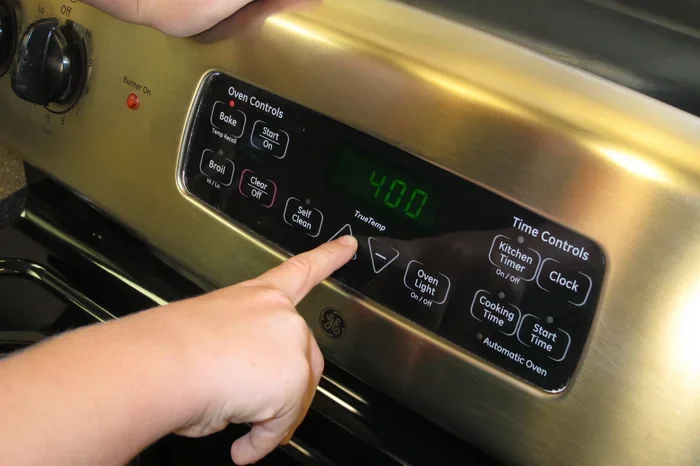
Turn your oven to 350°F. If your oven has multiple settings, choose conventional bake mode, not broil. Most modern ovens beep or show a light when they have reached the target temperature. But here is the key question many bakers ask.
How long to preheat oven for cinnamon rolls? The answer is usually 10 to 15 minutes. Some ovens take as little as 8 minutes. Others, especially older models or large double ovens, can take up to 20 minutes. The real goal is to wait until the oven reaches a stable baking temperature before you put the rolls inside.
Step 3: Use An Oven Thermometer
This is a kitchen tip that changes everything. The temperature dial on your oven is not always accurate. In fact, many ovens run 25 degrees hotter or cooler than what the display says. An inexpensive oven thermometer placed on the center rack gives you a real reading of what is happening inside.
Simply place the thermometer in the oven, set it to 350°F, and wait. When the thermometer reads 350°F, your oven is truly ready. This small tool removes all the guesswork and helps you bake evenly every single time.
Step 4: Position The Rack Correctly
While the oven is heating, place the oven rack in the center position. The center rack allows hot air to circulate around the cinnamon rolls from all sides. This promotes even rising and prevents the tops from burning before the inside is fully cooked.
If you are baking a large batch on multiple trays, you can use the upper and lower thirds. But rotate the trays halfway through baking time for even results.
Step 5: Load The Rolls At The Right Moment
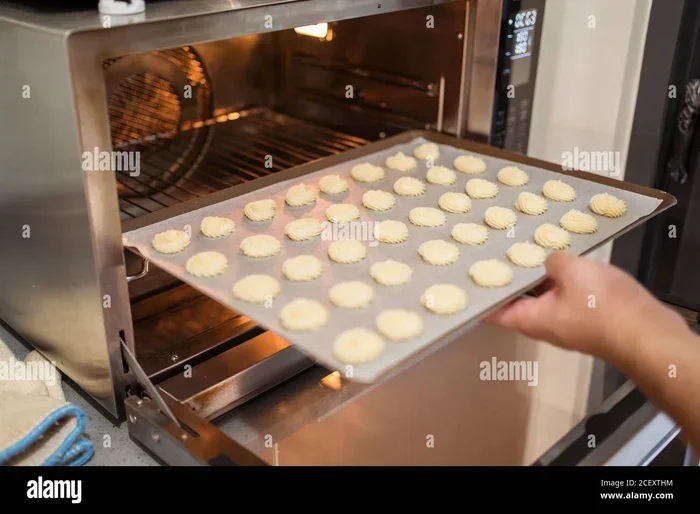
Once the oven has reached the target temperature, it is time to load your rolls. Place the tray of cinnamon rolls gently on the center rack. Close the door quickly to trap the heat. The longer the door stays open, the more heat escapes, and the longer your preheated oven has to work to recover.
Set a timer for your baking time, which is usually 20 to 30 minutes depending on the size of the rolls. Large pull-apart rolls may need 30 to 35 minutes, while smaller rolls might be done in 18 to 22 minutes.
Common Mistakes When Preheating For Cinnamon Rolls
Even experienced bakers make mistakes when it comes to preheating. Here are the most common errors and how to avoid them.
Skipping The Preheat Entirely
Some people put their dough into a cold oven and turn the heat on at the same time. This is one of the biggest mistakes you can make. A cold oven means the rolls start baking slowly. The yeast activation happens unevenly, the butter does not melt properly, and the cinnamon sugar does not caramelize the way it should.
Always give your oven time to reach the full temperature before the rolls go in. Think of it like warming up before a workout. Your oven needs to be ready before the cinnamon rolls come in.
Opening The Oven Door Too Often
Every time you open the oven door, you lose heat. The temperature can drop by 25 to 50 degrees in just a few seconds. This causes the dough to deflate or rise unevenly. Resist the urge to peek. Use the oven light to check on the golden brown color of the tops instead.
Using The Wrong Pan Size
If your baking sheet is too large, the rolls spread out and bake too quickly on the edges. If it is too small, the rolls crowd each other and do not rise properly. A standard 9×13-inch pan works great for most homemade cinnamon rolls. For pull-apart styles, a round or square 9-inch pan is ideal.
Not Letting The Dough Rise First
Preheating is only one part of the process. Your cinnamon roll dough needs time to rise and proof before it goes into the oven. Skipping this step gives you dense, heavy rolls instead of pillowy, soft ones. Let the shaped rolls rise for about 30 to 45 minutes in a warm spot until they have nearly doubled in size. By the time the oven preheat is complete, your rolls will be ready to go.
Tips For Perfect Cinnamon Rolls Every Time
Here are some extra kitchen tips that separate good cinnamon rolls from absolutely amazing ones.
Cold Butter Makes Better Layers
When you are rolling out the dough, use cold butter. Cold butter creates layers as it melts in the hot oven. Room-temperature butter spreads out too quickly and does not give you those distinct, flaky layers. Keep your butter in the fridge until the last moment before spreading it on the dough.
Let The Rolls Cool Slightly Before Frosting
Fresh out of the oven, the rolls are incredibly hot. If you add cream cheese frosting right away, it melts right off and pools at the bottom. Let the rolls cool for 5 to 10 minutes. The frosting will stick better and set into a nice, creamy layer on top.
Make The Frosting While The Rolls Bake
Use the baking time wisely. While the rolls are in the oven, whisk up your cream cheese frosting on the stovetop or in a bowl. By the time the rolls come out, the frosting is ready to go. This simple kitchen tip saves time and keeps the workflow smooth.
Store Leftovers Properly
Any leftover butter rolls should be stored in an airtight container at room temperature for up to two days. You can also freeze them for up to three months. To reheat, wrap a roll in a damp paper towel and microwave for 15 to 20 seconds. The result is warm, soft, and almost as good as fresh.
Experiment With Fillings And Toppings
Once you master the basic cinnamon roll recipe, try adding nuts, raisins, or cream cheese filling inside. Some people love a streusel topping instead of frosting. Others prefer a simple glaze made from powdered sugar and vanilla. The possibilities are endless, and the preheating process stays exactly the same no matter what variation you try.
How To Know When Cinnamon Rolls Are Done
Knowing when your homemade cinnamon rolls are finished baking is a skill that comes with practice. Here is what to look for.
- Color: The tops should be a deep golden brown. If they are pale, they need more time.
- Smell: Your kitchen should smell like warm cinnamon and butter. If the smell is faint, give them a few more minutes.
- Touch: Gently press the top of a roll. If it springs back, it is done.
- Internal Temperature: Use a meat thermometer to check the center of a roll. 190°F to 200°F is the sweet spot.
Overbaking is just as bad as underbaking. Pull the rolls out as soon as they pass these checks. They will continue to set as they cool slightly on the baking sheet.
Frequently Asked Questions
How long does it take to preheat an oven to 350°F?
Most ovens take 10 to 15 minutes to preheat to 350°F. Older ovens or larger models may take a few minutes longer. Using an oven thermometer helps you know exactly when the target temperature is reached, rather than relying on the oven’s built-in signal.
Can I put cinnamon rolls in a cold oven?
You should never put cinnamon rolls in a cold oven. The gradual temperature rise causes uneven yeast activation and poor rising. The butter melts inconsistently, and the cinnamon sugar does not caramelize properly. Always preheat fully before baking.
Do I need to cover cinnamon rolls while they rise?
Yes, covering the rolls with a damp towel or plastic wrap while they rise and proof prevents a dry skin from forming on the surface. This helps them rise evenly and stay soft. Let them rise in a warm, draft-free spot for about 30 to 45 minutes.
What is the difference between cinnamon rolls and sticky buns?
The main difference is the pan and the topping. Sticky buns are baked in a pan with a brown sugar and nut mixture on the bottom, then flipped upside down after baking. Cinnamon rolls are typically frosted on top with cream cheese frosting or a simple glaze. The preheat time and oven temperature are the same for both.
Can I use a microwave to reheat cinnamon rolls?
Yes, a microwave works for reheating, but it can make the texture slightly different. Wrap the roll in a damp paper towel and heat for 15 to 20 seconds. For a crisper result, warm them in a preheated oven at 300°F for 5 to 7 minutes. The oven method keeps the golden brown texture closer to fresh-baked.
How do I know if my oven temperature is accurate?
The easiest way is to use a standalone oven thermometer. Place it on the center rack, set the oven to 350°F, and compare the reading. If there is a big difference, you can adjust your oven temperature accordingly in future bakes. This is one of the best kitchen tips for consistent results.
Conclusion
Baking the perfect cinnamon rolls at home is easier than most people think. The key is understanding how long to preheat oven for cinnamon rolls and respecting the process. Give your oven 10 to 15 minutes to reach 350°F, use a reliable oven thermometer to confirm the temperature, and place the rolls on the center baking sheet for even baking time and a beautiful golden brown finish.
Avoid the common pitfalls like skipping the preheat, opening the door too often, or rushing the dough proofing stage. Follow the step-by-step preheating process we outlined, and you will notice an immediate difference in the quality of your homemade cinnamon rolls. The layers will be fluffier, the butter will be perfectly melted, and the cinnamon sugar aroma will fill your entire home.
Preheat your oven properly, follow your favorite cinnamon roll recipe closely, and trust the process. With a little practice and attention to detail, you will be pulling out bakery-quality butter rolls that your family and friends will rave about. So go ahead, turn on that oven, and get ready to bake the best cinnamon rolls of your life.



One Comment