Can You Make Scotch Eggs In Air Fryer The Simple Way
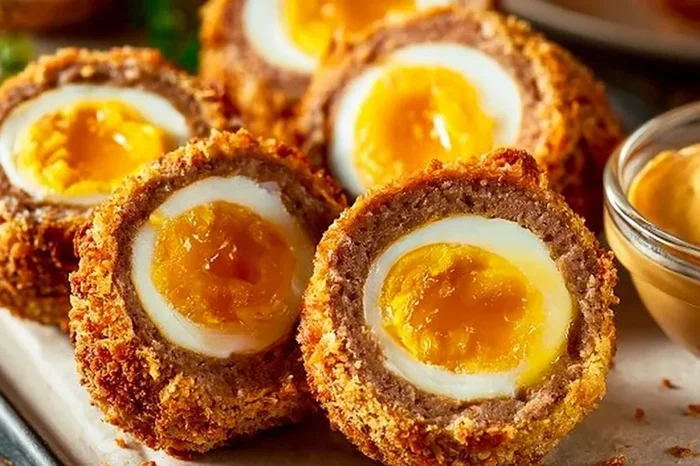
Yes, you can absolutely make perfect Scotch eggs in air fryer — and it’s far easier than you think! This simple method delivers a crispy golden shell and a perfectly cooked center every single time, without the mess or hassle of deep frying. Whether you’re a beginner or a seasoned cook, air fryer Scotch eggs are a total game-changer for quick snacks, meal prep, or crowd-pleasing party food.
Can You Make Scotch Eggs In Air Fryer The Simple Way
Have you ever wondered can you make scotch eggs in air fryer and get that perfect crispy shell without all the mess of deep frying? The answer is a resounding yes! Scotch eggs are one of those beloved snacks that hit the sweet spot between breakfast, lunch, and a satisfying bite any time of day. Traditionally, they involve wrapping a hard boiled egg in seasoned sausage meat, coating it in breadcrumbs, and deep frying until golden brown. But here is the thing — deep frying can be messy, messy, and not exactly the healthiest cooking method around.
That is where the air fryer steps in as your new best kitchen companion. This handy appliance uses hot air circulation to create that irresistible crispy exterior while keeping the inside perfectly cooked. Making scotch eggs in an air fryer cuts down on oil, reduces cleanup, and still delivers that satisfying crunch you crave. Whether you are meal prepping for the week or looking for a quick protein-packed snack, this method is a total game changer.
If you have been curious about trying this classic British favorite in your air fryer, you are in the right place. Below, you will find a complete guide covering everything from ingredients to serving tips. Let us dive in and make some delicious scotch eggs the easy way.
Key Takeaways
- Preheat your air fryer to 350°F for perfectly even cooking every time.
- Wrap sausages tightly around boiled eggs to prevent filling from leaking during cooking.
- Brush with oil before air frying for a golden, crispy exterior finish.
- Cook for 12-15 minutes, flipping halfway, until the coating turns golden brown.
- Rest for 5 minutes before serving to let juices settle inside.
- Use a meat thermometer to confirm the sausage reaches a safe internal temperature.
- Make ahead and store in the fridge for quick, easy meal prep.
📑 Table of Contents
- What Are Scotch Eggs and Why Use an Air Fryer?
- Ingredients You Will Need for Perfect Scotch Eggs
- Step-by-Step Guide to Making Scotch Eggs in the Air Fryer
- Tips for the Crispiest Scotch Eggs Every Time
- Common Mistakes to Avoid When Making Scotch Eggs
- Serving Suggestions and Creative Variations
- Nutritional Benefits of Scotch Eggs
- How to Store and Reheat Scotch Eggs
- Final Thoughts on Making Scotch Eggs in the Air Fryer
What Are Scotch Eggs and Why Use an Air Fryer?
A Quick History of Scotch Eggs
Scotch eggs have been a staple of British cuisine for centuries. The concept is simple yet brilliant. A soft or hard boiled egg gets wrapped in seasoned sausage meat, coated in breadcrumbs, and then cooked until the outside turns golden and crispy. They originated as a practical way to preserve eggs and make a portable meal for travelers and workers. Fast forward to today, and they have become a beloved snack found at pubs, markets, and brunch tables everywhere.
The beauty of the scotch egg lies in its versatility. You can eat it warm or cold. It works as a breakfast item, a midday snack, or even part of a picnic spread. Once you learn how to make them in an air fryer, you will wonder why you ever bothered with the traditional deep frying method.
Why the Air Fryer Works So Well
Using an air fryer for scotch eggs offers several real advantages. First, you use a fraction of the oil compared to deep frying. This means fewer calories and less grease splatter all over your stovetop. Second, the air fryer circulates hot air evenly around the egg, which helps the breadcrumb coating turn uniformly golden brown. Third, cleanup is a breeze. Most air fryer baskets are non-stick and dishwasher safe, so you spend less time scrubbing and more time enjoying your food.
If you are new to air fryer cooking, understanding how an air fryer toaster oven works can help you get the most out of your appliance. The same principles apply here — hot air does the heavy lifting, and you get consistently great results without the fuss.
Ingredients You Will Need for Perfect Scotch Eggs
Getting the right ingredients is the foundation of making great scotch eggs. The good news is you probably already have most of these items in your kitchen. Here is what you will need for a batch of four scotch eggs.
Core Ingredients
- Eggs: Large eggs work best. You want them fresh for the best texture after boiling.
- Sausage meat: Pork sausage meat is the traditional choice. Look for a good quality brand with decent fat content. The fat helps bind everything together.
- Breadcrumbs: Plain or seasoned breadcrumbs create that signature crispy coating. Panko breadcrumbs give an extra crunch if you want to level up.
- Flour: A light dusting of flour helps the egg wash adhere to the sausage meat.
- Egg wash: One beaten egg mixed with a splash of milk acts as the glue between the sausage and breadcrumbs.
- Seasonings: Salt, black pepper, and a pinch of mustard powder add depth of flavor. Some people like to add sage or thyme for an extra layer of taste.
- Oil spray: A light mist of oil helps the breadcrumbs crisp up in the air fryer.
Optional Add-Ins for Extra Flavor
Feel free to get creative with your seasoning mix. A little garlic powder or smoked paprika can take your scotch eggs to the next level. Some cooks like to mix finely chopped herbs like parsley or chives right into the sausage meat. If you prefer a spicier kick, a pinch of cayenne pepper or chili flakes works wonders. The beauty of making scotch eggs at home is that you control every flavor detail.
Step-by-Step Guide to Making Scotch Eggs in the Air Fryer
Now for the fun part. Follow these steps and you will have perfectly cooked scotch eggs in no time. The process is straightforward and hard to mess up, even if you are a beginner in the kitchen.
Step 1: Boil the Eggs
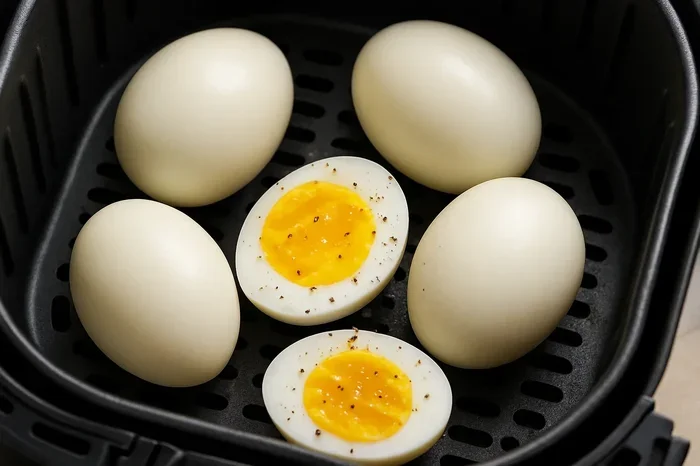
Place your eggs in a saucepan and cover them with cold water. Bring the water to a rolling boil, then reduce the heat and let them simmer for about 7 to 8 minutes for a hard boil. Once done, transfer the eggs to a bowl of ice water. This stops the cooking process and makes them easier to peel. Let them cool completely before moving on to the next step.
Step 2: Prepare the Sausage Meat
Take the sausage meat out of its casing and divide it into four equal portions. Flatten each portion into a disc shape, making sure it is thick enough to fully wrap around the egg. Season the meat lightly with salt, pepper, and any other spices you like. The seasoning should be subtle since the breadcrumb coating will add its own flavor on top.
Step 3: Wrap the Eggs
Remove the peeled eggs from the ice water and pat them dry. Place one egg in the center of a sausage disc and carefully roll the meat around it. Make sure there are no gaps or thin spots. A thin layer of sausage meat is all you need. Too much meat and the scotch egg becomes heavy and takes longer to cook through.
Step 4: Set Up Your Breading Station
Set up three shallow dishes in a row. Place flour in the first dish, beaten egg wash in the second, and breadcrumbs in the third. Roll each wrapped egg gently in the flour first, shaking off any excess. Then dip it into the egg wash, letting the excess drip off. Finally, roll it in the breadcrumbs, pressing gently to ensure an even coating.
Step 5: Air Fry the Scotch Eggs
Preheat your air fryer to 375°F (190°C). Lightly spray the breaded scotch eggs with oil. This helps the coating crisp up beautifully. Place the eggs in the air fryer basket with enough space between them for air to circulate. Cook for 12 to 15 minutes, turning them halfway through. The eggs are done when the coating is golden brown and the sausage is fully cooked through.
If you want to learn more about using specific air fryer models for recipes like this, check out our guide on how to use a Farberware air fryer toaster oven for helpful tips on temperature and timing adjustments.
Step 6: Rest and Serve
Let the scotch eggs rest for a couple of minutes before cutting into them. This allows the sausage to set slightly and makes slicing much easier. Serve them warm with your favorite dipping sauce. They are fantastic on their own, but a side of hot sauce or a simple mustard dip takes them to another level.
Tips for the Crispiest Scotch Eggs Every Time
Getting that perfect crunch is all about the details. Here are some tried and tested tips that will elevate your scotch eggs from good to absolutely outstanding.
Chill Before Cooking
After breading the eggs, place them in the refrigerator for 15 to 20 minutes before air frying. This chilling step helps the coating set and stick better during cooking. It also ensures the sausage meat firms up, which leads to a more even cook throughout.
Do Not Skip the Oil Spray
Even though the air fryer uses less oil than deep frying, a light spray goes a long way. The oil helps the breadcrumbs toast evenly and achieve that golden color. Without it, the coating can look pale and feel slightly dry.
Turn the Eggs Halfway
Flipping the scotch eggs midway through cooking is essential for even browning. The air fryer heats from the top and bottom, so turning ensures all sides get equal exposure to the hot air. Use tongs to gently rotate each egg without disturbing the breadcrumb coating.
Do Not Overcrowd the Basket
Give each scotch egg enough room in the air fryer basket. Overcrowding blocks the airflow and leads to uneven cooking. If you are making a larger batch, cook them in two rounds instead of squeezing them all in at once. The wait is worth it for that perfect crispy finish.
Use Panko for Extra Crunch
Regular breadcrumbs work fine, but panko breadcrumbs take the texture up a notch. Panko is lighter and flakier, which creates a crunchier coating that stays crispy even after the eggs cool down slightly. It is a small change that makes a big difference.
Common Mistakes to Avoid When Making Scotch Eggs
Even with a straightforward recipe, a few common missteps can affect the final result. Here is what to watch out for so your scotch eggs turn out perfectly every time.
Using Too Much Sausage Meat
It is tempting to wrap the egg in a thick layer of sausage, but this creates problems. Thick sausage takes longer to cook through, and the outside can burn before the inside reaches a safe temperature. A thin, even layer is all you need to encase the egg properly.
Not Cooking the Eggs Long Enough
Undercooked sausage meat is a food safety concern. Make sure the internal temperature of the sausage reaches at least 160°F (71°C). If you are unsure, cut one open to check before serving the rest. The air fryer cooks fast, so timing is key.
Skipping the Egg Wash
The egg wash is what makes the breadcrumbs stick to the sausage meat. Skipping it results in a coating that falls off during cooking. Do not rush this step. It makes a noticeable difference in the final appearance and texture of your scotch eggs.
Cooking at Too High a Temperature
While the air fryer works great for scotch eggs, setting the temperature too high can burn the breadcrumbs before the sausage cooks through. Stick to 375°F for the best balance of crispy exterior and fully cooked interior. Every air fryer model runs a bit differently, so keep an eye on them during the first batch.
Peeling the Eggs Incorrectly
Rough peeling can tear the sausage meat when you wrap the eggs. Cooling the eggs in ice water and peeling them gently under running water helps create a smooth surface. A smooth surface means the sausage wraps around more easily and evenly.
Serving Suggestions and Creative Variations
Scotch eggs are wonderful on their own, but pairing them with the right accompaniments and trying fun variations keeps things interesting. Here are some ideas to inspire your next batch.
Dipping Sauces That Pair Perfectly
- Classic mustard: A sharp English mustard cuts through the richness of the sausage perfectly.
- Chipotle mayo: Mix mayo with a touch of chipotle sauce for a smoky, creamy dip.
- Hot sauce: Sriracha or your favorite hot sauce adds a spicy kick that complements the savory flavors.
- Gravy: For a traditional pub-style experience, serve warm gravy alongside your scotch eggs.
Mini Scotch Eggs for Parties
Want to impress your guests? Make mini scotch eggs using quail eggs instead of chicken eggs. They are bite-sized, incredibly fun to eat, and perfect for appetizers. The same process applies, but the cooking time drops to about 8 to 10 minutes in the air fryer.
Meal Prep Friendly
Scotch eggs are fantastic for meal prep. You can make a batch in advance and store them in the refrigerator for up to three days. To reheat, pop them back in the air fryer at 350°F for 3 to 4 minutes. The breadcrumb coating stays surprisingly crispy even after reheating. This makes them a great grab-and-go breakfast or lunch option for busy mornings.
Sweet Potato Crusted Scotch Eggs
For a healthier twist, swap regular breadcrumbs for crushed sweet potato chips or a mixture of ground oats and spices. The sweet potato coating adds a subtle sweetness that pairs beautifully with the savory sausage and egg inside. It is a creative variation that still follows the same simple air fryer method.
For more air fryer recipe inspiration, you might enjoy our article on how to make meatloaf in a toaster oven for other creative ways to use your air fryer or toaster oven for classic comfort foods.
Nutritional Benefits of Scotch Eggs
Scotch eggs are not just delicious. They also pack a nutritional punch that makes them a satisfying part of a balanced diet. Each scotch egg provides a good amount of protein from both the egg and the sausage meat. Protein helps keep you full longer, which makes scotch eggs a great option for a mid-morning snack or a light lunch.
Using an air fryer instead of deep frying significantly reduces the fat content. You still get the satisfying crunch and rich flavor without the extra calories from absorbing cooking oil. For those watching their calorie intake, this is a meaningful difference that does not sacrifice taste.
The eggs themselves provide essential vitamins and minerals. They contain vitamin B12, vitamin D, and choline, all of which support energy levels and brain function. Combined with the sausage meat, you get a well-rounded mini meal that fuels you through a busy day.
How to Store and Reheat Scotch Eggs
Leftover scotch eggs store well and reheat beautifully in the air fryer. Here is how to handle them properly.
- Refrigeration: Store cooled scotch eggs in an airtight container for up to 3 days.
- Freezing: Uncooked breaded scotch eggs can be frozen for up to 2 months. Place them on a baking sheet first, freeze until solid, then transfer to a freezer bag.
- Reheating: Air fry frozen scotch eggs at 360°F for 8 to 10 minutes. For refrigerated eggs, 3 to 4 minutes at 350°F is plenty.
- Avoid the microwave: The microwave will make the breadcrumb coating soggy. Always reheat in the air fryer for the best texture.
For more air fryer storage and cooking tips, our guide on how much the Ninja air fryer oven costs includes helpful information about maximizing your air fryer investment for batch cooking and meal prep.
Final Thoughts on Making Scotch Eggs in the Air Fryer
So, can you make scotch eggs in air fryer? Absolutely, and the results are impressive. The air fryer gives you a cleaner, healthier way to enjoy this classic snack without sacrificing that satisfying crunch. The process is simple enough for beginners yet flexible enough for experienced cooks to get creative with flavors and variations.
Once you try making scotch eggs this way, you will not want to go back to deep frying. The convenience, the reduced mess, and the consistently great results make the air fryer the ideal tool for this recipe. Whether you are cooking for yourself, your family, or a crowd of friends, these air fryer scotch eggs are sure to be a hit.
Grab your ingredients, fire up your air fryer, and give this recipe a try today. You will be glad you did. Once you master the basic method, you can experiment with different seasonings, coatings, and serving styles to make the recipe your own. Happy cooking.
Frequently Asked Questions
Can You Make Scotch Eggs In Air Fryer?
Yes, you absolutely can make scotch eggs in an air fryer, and it is one of the easiest methods available. The hot circulating air cooks the sausage wrapping evenly while keeping the egg perfectly cooked inside. You get a crispy golden finish without the mess or hassle of deep frying.
What Temperature and Time Should You Use for Scotch Eggs in the Air Fryer?
Set your air fryer to 375°F and cook the scotch eggs for about 12 to 15 minutes. Turn them halfway through to ensure even browning on all sides. The exact time may vary depending on the size of your eggs and how thick the sausage layer is.
Do You Need to Boil the Eggs First When Making Scotch Eggs in the Air Fryer?
Yes, you should always start with hard-boiled eggs before wrapping them in sausage meat. Boiling the eggs first ensures they are fully cooked and firm, which makes them much easier to handle and wrap. This step is essential for the best results in any cooking method, including the air fryer.
Can You Make Scotch Eggs in the Air Fryer Ahead of Time?
You can prepare scotch eggs ahead of time and store them in the fridge before air frying. Simply wrap them tightly in plastic wrap or keep them in an airtight container until you are ready to cook. When you want to serve them, just pop them in the air fryer for a few extra minutes to reheat and crisp up the outside.
How Do You Keep the Sausage From Unwrapping During Air Frying?
The trick is to make sure the sausage meat is snug and evenly distributed around the egg. Use a little water on your hands to smooth out any cracks or gaps in the wrapping. If you are still worried, you can use toothpicks to hold the sausage in place, though remember to remove them before serving.
Can You Freeze Scotch Eggs Made in the Air Fryer?
Yes, you can freeze scotch eggs either before or after air frying them. If freezing before cooking, wrap them well and air fry them straight from frozen, adding a few extra minutes to the cook time. For best results, it is usually better to freeze them uncooked and air fry them fresh when you are ready to eat.