How To Quickly Stop Philips Air Fryer From Smoking
Dealing with a smoking Philips Air Fryer? How to stop Philips Air Fryer from smoking is simpler than you think — and it usually comes down to a few quick fixes like cleaning the basket, adjusting the temperature, and checking for food buildup. In this guide, you’ll learn the fastest and most effective methods to eliminate smoke from your air fryer so you can get back to cooking crispy, delicious meals without the worry.
How To Quickly Stop Philips Air Fryer From Smoking
There is nothing more frustrating than firing up your Philips air fryer only to be greeted by a cloud of smoke. You set out to make a quick, healthy meal, and suddenly your kitchen looks like a sauna with an alarm going off. If you have ever wondered how to stop Philips air fryer from smoking, you are in the right place. This guide walks you through every cause, every fix, and every prevention tip you need.
Smoke from an air fryer is more common than most people think. It happens with Philips air fryer smoking issues across nearly all models. The good news is that most of the time, the fix is simple and takes just a few minutes. Whether you are a beginner or a seasoned cook, this article will help you get back to smoke-free air frying in no time.
We will cover everything from the root causes of smoke to deep cleaning routines that keep your machine running smoothly. You will also learn which foods tend to cause the most trouble and how to adjust your cooking habits for a cleaner experience. Let us dive in and solve this problem together.
Before we get into fixes, it helps to understand what an air fryer actually does. Unlike a traditional oven, an air fryer toaster oven uses rapid hot air circulation to cook food. A small amount of smoke is sometimes normal, especially with very fatty foods. But heavy or persistent smoke means something needs your attention. Think of it like this your fryer is trying to tell you something, and we are here to translate.
Key Takeaways
- Always preheat your Philips air fryer before cooking to prevent excess smoke buildup.
- Pat food dry thoroughly before air frying to eliminate excess moisture and oil splatter.
- Never overfill the basket — overcrowding traps steam and causes excessive smoking.
- Clean the fryer after every use to remove grease and food residue that causes smoke.
- Use the right temperature settings for each food type to avoid burning and smoke.
- Check for damaged parts regularly to ensure safe, smoke-free operation of your Philips air fryer.
📑 Table of Contents
- Why Does Your Philips Air Fryer Produce Smoke?
- Quick Fixes To Stop The Smoking Right Now
- How To Prevent Smoke During Cooking
- Cleaning And Maintenance Tips For A Smoke-Free Fryer
- When To Seek Professional Help For Your Philips Air Fryer
- Tips From Everyday Cooks Who Use Philips Air Fryers Daily
- Final Thoughts On Keeping Your Philips Air Fryer Smoke-Free
Why Does Your Philips Air Fryer Produce Smoke?
Understanding the cause is the first step to fixing the problem. Most people jump straight to panic mode when they see smoke, but often the reason is simple. Let us break down the most common culprits behind Philips air fryer smoking.
Excess Fat and Grease Dripping Onto the Heating Element
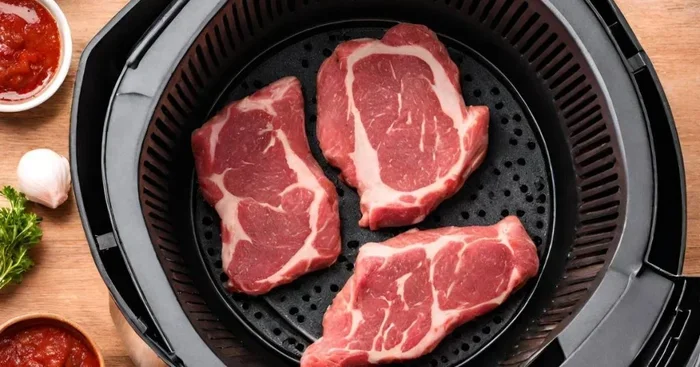
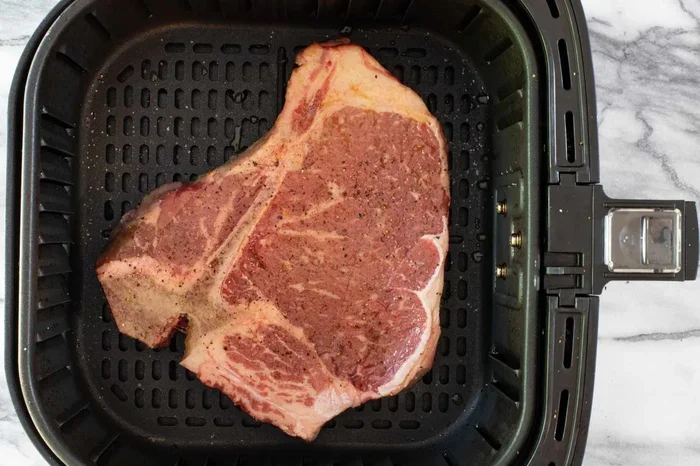
This is the number one reason air fryers smoke. When you cook fatty foods like bacon, sausage, or chicken with skin, the grease can drip past the basket and hit the heating element at the bottom. That contact creates smoke instantly. It is not a machine defect. It is just physics.
The Philips air fryer design routes excess grease into a drip tray, but if the tray is full or the food is very greasy, smoke happens. This is especially true when you cook at high temperatures above 400 degrees Fahrenheit. The fat breaks down faster than the tray can catch it.
Food Residue and Built-Up Grease on Internal Parts
Over time, tiny bits of food and grease build up on the inside of your fryer. The heating element, the walls, and the basket all collect residue. When you run the fryer again, that old residue burns and creates smoke. This is why regular cleaning matters so much for air fryer maintenance.
Even if you wipe the basket after every use, invisible grease can stick to harder-to-reach spots. The back wall and the area around the heating element are common buildup zones. Without proper cleaning, these spots become smoke factories.
Cooking at Too High a Temperature
High heat is great for crispy results, but it can also cause smoke. When you set your Philips air fryer too high, especially with oily foods, the oil starts to smoke before the food is even done. Think of it like heating oil in a pan on the stove. There is a point where it just starts to smoke, and the same thing happens inside your fryer.
Most recipes work perfectly at 375 to 400 degrees Fahrenheit. Going above that range without a reason often leads to smoke problems. A little temperature management goes a long way.
Wrong Type of Oil or Too Much Oil
Not all oils handle high heat well. Oils with low smoke points, like extra virgin olive oil, start smoking at lower temperatures. Even if your recipe calls for oil, using too much of it can overwhelm the fryer. The Philips air fryer uses very little oil by design. A light spray or a teaspoon is usually plenty.
Using the wrong oil type is one of the most overlooked causes of smoke. Many people assume any cooking oil works the same way. That is not true. Oils like avocado oil or refined olive oil handle high heat much better than unrefined options.
New Unit Off-Gassing
If you just bought your Philips air fryer, some smoke during the first few uses is normal. New machines sometimes have manufacturing residues that burn off during the initial heating cycles. This type of smoke usually clears up after two or three uses. It is nothing to worry about.
To speed up the process, run the fryer empty at a high temperature for about 10 minutes. This burns off any leftover residues from the factory. Open a window while you do this, just in case.
Quick Fixes To Stop The Smoking Right Now
So your fryer is smoking and you need it to stop fast. Here are the immediate steps you can take. These work for almost every Philips air fryer smoking situation.
Step One: Turn Off the Fryer and Let It Cool
Do not panic. Turn the machine off and unplug it. Let it cool for at least 10 to 15 minutes. This stops the heating element from making things worse. While it cools, open your windows or turn on your range hood to clear the smoke.
Step Two: Check the Drip Tray
Pull out the drip tray and look at it. If it is full of grease, that is likely your problem. Pour out the excess grease and wipe the tray clean with a paper towel. Put it back in and restart the fryer. This alone fixes the smoke issue more often than you might think.
Step Three: Remove and Inspect the Basket
Take out the cooking basket and check for stuck-on food bits. Use a soft sponge and warm soapy water to wipe it down. If the basket is very greasy, let it soak for a few minutes first. Avoid using steel wool or abrasive scrubbers. They can damage the non-stick coating and make smoke problems worse over time.
Step Four: Wipe Down the Interior
With a damp cloth, wipe the inside walls and the area around the heating element. You do not need any special cleaners. Warm water and a little dish soap work perfectly. Just make sure the machine is completely cool before you do this. Never put water directly on the heating element.
Step Five: Restart at a Lower Temperature
Once everything is clean and dry, plug the fryer back in. Set the temperature lower than you originally planned, maybe 350 degrees Fahrenheit instead of 400. Run the fryer for a few minutes and check if the smoke has stopped. In most cases, it will.
How To Prevent Smoke During Cooking
Prevention is always better than fixing a problem after it starts. These tips will help you keep your Philips air fryer running smoke-free every single time you use it.
Use a Light Coat of Oil or an Oil Sprayer
You do not need much oil in an air fryer. A light mist is all it takes to get crispy results. Consider buying a simple oil sprayer bottle. You can fill it with any high-smoke-point oil and spray a thin layer directly onto your food. This gives you control and prevents excess oil from pooling and smoking.
Avoid pouring oil directly onto food in the basket. It pools in one spot and heats unevenly. A fine mist covers the surface evenly and reduces smoke dramatically.
Choose Foods Wisely
Some foods are just more prone to causing smoke than others. Fatty cuts of meat, sausages, and foods with heavy breading tend to produce the most grease. If you are new to air frying, start with leaner proteins like chicken breast, fish, or vegetables. These create far less smoke and are easier to manage.
When you do cook fatty foods, place a small piece of parchment paper in the basket first. This catches some of the grease before it reaches the heating element. Just make sure the parchment does not cover the air vents.
Do Not Overfill the Basket
It is tempting to pack the basket full to save time, but overfilling causes problems. Food needs space for hot air to circulate properly. When the basket is too full, grease gets trapped and pools, leading to smoke. Fill the basket no more than two-thirds full for best results.
Cooking in smaller batches might take a little longer, but it keeps your food cooking evenly and your fryer smoke-free. The extra few minutes are worth it.
Regularly Clean the Heating Element Area
This is the spot most people forget. The heating element sits at the bottom of the fryer, and grease tends to collect around it. Once a week, wipe this area carefully with a damp cloth. Do not use anything abrasive. Keeping this area clean prevents grease buildup air fryer problems before they start.
Preheat Properly and Do Not Exceed Recommended Temperatures
Preheating your Philips air fryer for three to five minutes before adding food helps cook more evenly. It also reduces the chance of smoke from cold food hitting a hot surface. Always stay within the recommended temperature range for your specific model. Most Philips models work best between 350 and 400 degrees Fahrenheit.
| Smoke Cause | Quick Fix | Prevention Tip |
|---|---|---|
| Excess grease hitting heating element | Empty and clean drip tray | Use oil sprayer instead of pouring oil |
| Food residue buildup inside | Wipe interior with warm soapy cloth | Clean after every 3 to 5 uses |
| Temperature set too high | Lower temperature and restart | Stay between 350 and 400 degrees F |
| Wrong oil type used | Remove food, wipe basket, restart | Use oils with high smoke points only |
| New unit off-gassing | Run empty at high heat for 10 minutes | Do this once after unboxing |
| Overfilled basket | Remove some food and restart | Fill no more than two-thirds full |
Cleaning And Maintenance Tips For A Smoke-Free Fryer
Keeping your Philips air fryer clean is the single best way to prevent smoke. A clean fryer cooks better, lasts longer, and stays smoke-free. Here is how to keep yours in top shape.
Clean the Basket After Every Use
Get in the habit of cleaning the basket right after you finish cooking. Let it cool for a few minutes, then wash it with warm water and mild dish soap. A soft sponge works best. For stubborn stuck-on bits, soak the basket in warm soapy water for 15 minutes before scrubbing gently.
Never put the basket in the dishwasher unless your model’s manual specifically says it is safe. The harsh detergents can damage the non-stick coating over time, leading to more smoke and uneven cooking.
Deep Clean Once a Week
Beyond the basket, give your fryer a deeper clean once a week. Remove the drip tray and wash it separately. Wipe down the interior walls, the heating element area, and the outside of the machine. Use a soft cloth dampened with warm water and a drop of dish soap.
For tough grease spots, make a paste with baking soda and water. Apply it to the spot, let it sit for 10 minutes, then wipe it away. This natural cleaner works wonders without damaging any parts of your fryer.
Check the Air Vents Regularly
The air vents on your Philips air fryer need to stay clear for proper airflow. When vents get blocked by grease or food particles, the fryer works harder and can overheat. Overheating leads to smoke. Use a soft brush or a damp cloth to clean the vents at least once a week.
Descale If You Live in a Hard Water Area
If your tap water is hard, mineral buildup can affect your fryer’s performance over time. Fill the basket halfway with water and a splash of white vinegar. Run the fryer at 350 degrees for 10 minutes. Then empty it and wipe the inside. This removes mineral deposits and keeps your machine running smoothly.
When To Seek Professional Help For Your Philips Air Fryer
Most smoke issues are easy to fix at home. But sometimes, smoke points to a deeper problem that you cannot solve with cleaning or temperature adjustments. Know the signs that mean it is time to call for help.
Smoke Comes From the Power Cord or Plug Area
If you see smoke or smell burning near the power cord or plug, unplug the fryer immediately. This is not a normal issue. It could indicate an electrical problem that needs professional repair. Do not try to use the fryer again until a technician has checked it.
Smoke Persists After Thorough Cleaning
If you have cleaned every part of your fryer, used the right oil, and kept the temperature moderate, but smoke still appears, something is wrong internally. This could be a faulty heating element or a problem with the thermostat. Contact Philips customer support for guidance. Most models come with a warranty, so you may get a free repair or replacement.
Unusual Smells Along With Smoke
A slight smoky smell from fatty foods is normal. But if you smell something burning, plastic-like, or chemical, stop using the fryer right away. These smells often indicate a part is melting or malfunctioning. Safety always comes first.
If your Philips air fryer is still under warranty, do not try to open or repair it yourself. Doing so could void the warranty. Reach out to the manufacturer and follow their support process. They have trained technicians who can diagnose and fix the problem quickly.
Tips From Everyday Cooks Who Use Philips Air Fryers Daily
Over the years, home cooks have shared plenty of wisdom about keeping their air fryers smoke-free. Here are some of the best tips that actually work.
Pat your food dry before cooking. Moisture on the surface of food creates steam, and steam mixed with grease creates smoke. A simple pat-down with a paper towel before putting food in the basket makes a big difference.
Shake the basket halfway through cooking. This redistributes the food and allows grease to drip into the tray instead of pooling under one piece. It also helps food cook more evenly. Most Philips air fryer recipes recommend this step, but many people skip it.
Line the basket with perforated parchment paper. This catches grease and prevents it from reaching the heating element. Just make sure the paper has holes for air circulation. Never use regular wax paper. It can melt and cause a mess.
Let the fryer cool between batches. If you are cooking multiple rounds, give the machine a few minutes to cool down between batches. This prevents heat buildup that can cause smoke. It also gives you time to wipe out any grease from the first batch.
Use the Philips air fryer for what it is designed for. It is not a deep fryer. It uses a fraction of the oil. Trying to deep-fry in an air fryer will always lead to smoke and poor results. Stick to the recipes and methods designed for air frying, and your machine will reward you with great food and no smoke.
For more detailed guidance on using different air fryer models, you can check out this guide on using Farberware air fryer toaster oven for general air fryer tips that apply across brands.
Final Thoughts On Keeping Your Philips Air Fryer Smoke-Free
Dealing with a smoking air fryer is annoying, but it is almost always fixable. The most common causes are excess grease, food buildup, and cooking at too high a temperature. With regular cleaning, smart oil choices, and proper temperature management, you can enjoy smoke-free air frying every single day.
Remember that a little smoke from very fatty foods is sometimes normal and not a sign of a broken machine. But persistent or heavy smoke means it is time to take action. Use the quick fixes and prevention tips from this guide, and your Philips air fryer will stay in great shape for years to come.
Start with the simplest fixes first. Clean the drip tray, wipe down the basket, and lower the temperature. Nine times out of ten, that is all it takes. If the problem continues, dig deeper into the cleaning and maintenance steps we covered. And if nothing works, do not hesitate to reach out to Philips support for professional help.
A smoke-free kitchen makes cooking more enjoyable for everyone. Take a few minutes today to give your fryer some attention, and you will thank yourself next time you fire it up for dinner. Happy cooking, and here is to many more perfectly crisp, smoke-free meals ahead.
Frequently Asked Questions
Why Is My Philips Air Fryer Smoking During Cooking?
Your Philips air fryer may smoke because of excess oil, food residue, or grease buildup on the heating element. When fats from food reach high temperatures, they can produce smoke that fills the cooking chamber. This is a common issue that usually happens when cooking fatty or oily foods without proper drainage.
How To Stop Philips Air Fryer From Smoking While Cooking?
To stop your Philips air fryer from smoking, start by reducing the amount of oil you use and patting food dry before cooking. You should also clean the basket and drip tray regularly to remove built-up grease that can burn during cooking sessions. Adding a small amount of water to the bottom of the drawer can help suppress excess smoke from fatty foods.
Is It Normal for an Air Fryer to Produce Smoke?
Some light smoke is normal, especially when cooking high-fat foods like bacon or sausages at high temperatures. However, heavy or persistent smoke usually signals a problem that needs attention. If the smoke is thick or has a burning smell, you should stop the appliance immediately and check for food debris or excess oil.
What Causes Excessive Smoke From a Philips Air Fryer?
Excessive smoke is often caused by overcrowding the basket, which prevents proper air circulation and causes food to burn. Using too much oil or cooking greasy foods without a drip tray can also lead to smoke buildup. Food particles stuck to the heating element or the bottom of the fryer will burn and create smoke during the cooking process.
How Can I Fix a Smoking Philips Air Fryer Quickly?
You can fix a smoking air fryer by turning it off, letting it cool, and removing the basket to check for any food debris or grease buildup. Wipe down the heating element and the interior with a damp cloth, then restart the appliance at a lower temperature. If the smoke persists, avoid using the fryer until you thoroughly clean all removable parts and the heating area.
Will Smoking Damage My Philips Air Fryer Over Time?
Occasional light smoke usually will not cause permanent damage, but constant smoking can affect the lifespan of your air fryer. Repeated exposure to burnt grease and smoke can degrade internal components and leave stubborn odors in the appliance. Regular cleaning and proper cooking habits will help prevent long-term damage and keep your fryer working efficiently.