How To Roast A Whole Pumpkin In The Oven Step By Step
Learning how to roast a whole pumpkin in the oven is simpler than you think. This step-by-step guide walks you through everything from picking the right pumpkin to pulling out beautifully caramelized, tender flesh. You will master the perfect roasting temperature, timing, and prep tricks that make the process foolproof and rewarding.
There is something truly magical about pulling a whole pumpkin out of the oven and seeing how it has transformed. The skin is slightly charred, the inside is golden and tender, and your kitchen smells like autumn perfection. Roasting a whole pumpkin in the oven is one of the easiest and most rewarding things you can do in the kitchen, especially during the fall season.
Whether you want to make roasted pumpkin puree, add caramelized pumpkin to your favorite recipes, or simply enjoy the process of cooking with seasonal produce, this guide has everything you need. I will walk you through every single step, from choosing the right pumpkin at the store to pulling it out of the oven perfectly roasted. No guesswork, no stress, just simple and delicious results.
If you have ever been curious about whole pumpkin cooking but felt unsure where to start, you are in the right place. By the end of this article, you will feel confident enough to roast your very own pumpkin from start to finish. Let us get into it.
Key Takeaways
- Roasting a whole pumpkin is hands-off and easy: You barely need to prep it, and the oven does most of the work for you.
- Sugar pumpkins are the best choice: They are smaller, sweeter, and have fewer strings than large carving pumpkins.
- 400°F is the ideal roasting temperature: It creates a perfect balance of caramelization and tender flesh without drying it out.
- Roasting time depends on pumpkin size: Small pumpkins take 45-60 minutes, while larger ones may need up to 90 minutes.
- Don’t throw away the seeds: Roasted pumpkin seeds are a delicious and nutritious byproduct of the whole process.
- Roasted pumpkin freezes well: You can store it for months and use it in soups, pies, and smoothies all year long.
📑 Table of Contents
- Why Roasting A Whole Pumpkin In The Oven Is Worth It
- Choosing The Right Pumpkin For Roasting
- Preparing Your Pumpkin For The Oven
- The Roasting Process: Temperature And Time
- Using Your Roasted Pumpkin: Recipes And Ideas
- Tips For Perfect Pumpkin Roasting Results Every Time
- Storing And Freezing Roasted Pumpkin
- Nutritional Benefits Of Roasted Pumpkin
- Conclusion: Your Journey To Perfect Roasted Pumpkin Starts Now
Why Roasting A Whole Pumpkin In The Oven Is Worth It
You might wonder why anyone would roast a pumpkin whole instead of cutting it into pieces first. The answer is simple: convenience and flavor. When you roast a pumpkin whole, the flesh steams inside its own skin, which keeps it incredibly moist and full of natural sweetness. The skin also acts as a protective shell, so the pumpkin does not dry out while it cooks.
There are several real benefits to this method:
- Less prep work: You do not have to peel or cut the pumpkin before roasting. The skin does the hard work for you.
- Even cooking: A whole pumpkin roasts evenly because the heat surrounds it completely.
- Better flavor: The slow roasting process caramelizes the natural sugars inside, creating a deeper, richer taste than stovetop methods.
- Easy storage: Roasted whole pumpkin keeps its shape, making it simple to scoop out and store the flesh when you are ready.
- More uses: You can use the roasted pumpkin flesh for soups, pies, smoothies, pasta sauces, and even baby food.
Once you try oven roasted pumpkin this way, you will never go back to cutting it up first. It really is that good.
What Happens When You Roast A Pumpkin Whole
Understanding the science behind whole pumpkin roasting helps you appreciate the process even more. When a whole pumpkin goes into a hot oven, the heat slowly penetrates through the thick skin. Inside, the moisture gently steams the flesh while the exterior begins to caramelize. This dual action creates a texture that is creamy and soft on the inside with a slightly toasted outer layer.
The natural sugars in the pumpkin undergo a process called the Maillard reaction. This is the same reaction that makes roasted coffee, toasted bread, and grilled vegetables so delicious. It is what gives roasted pumpkin flesh that beautiful golden-brown color and deep, sweet flavor you cannot get any other way.
The pumpkin also shrinks slightly as the moisture escapes through the skin. This is totally normal and actually a good sign. It means the pumpkin is concentrating its flavors and the flesh is becoming dense and rich.
Choosing The Right Pumpkin For Roasting
Not all pumpkins are created equal when it comes to whole pumpkin roasting. Picking the right one makes a huge difference in the final result. You want a pumpkin that is dense, heavy for its size, and has a smooth, unblemished skin.
Sugar Pumpkins vs Jack-O-Lantern Pumpkins
This is the most important decision you will make before you start. Sugar pumpkins, also called pie pumpkins, are small, round, and about the size of a softball. They have sweet, dense flesh with very few strings. They are specifically grown for eating and baking, and they roast beautifully.
Jack-o-lantern pumpkins, on the other hand, are large and grown for carving. Their flesh is watery, stringy, and not very flavorful. While you can technically roast a carving pumpkin, the results will be disappointing compared to a sugar pumpkin. The taste is bland and the texture is mushy.
Here is a quick comparison to help you choose:
- Sugar pumpkins: Sweet, dense, small (4-8 pounds), perfect for eating and roasting.
- Jack-o-lantern pumpkins: Large (10-25 pounds), watery flesh, better for carving than cooking.
- Mini pumpkins: Great for individual servings but may roast too quickly on the outside while staying raw inside.
When you are at the store or farmers market, look for pumpkins that feel heavy in your hands. A heavy pumpkin means it has a lot of moisture and flesh inside. Avoid any with soft spots, cracks, or wrinkled skin, as these are signs of age or damage.
Best Pumpkin Varieties For Oven Roasting
While sugar pumpkins are the go-to choice, there are a few other pumpkin varieties for roasting that deserve a mention. Sugar Pie pumpkins are the most common and widely available. However, if you can find them, Baby Pam pumpkins, Cinderella pumpkins (Rouge Vif d’Étampes), and Musquée de Provence pumpkins all roast wonderfully.
Each variety has a slightly different flavor profile. Sugar Pie pumpkins are the sweetest and most versatile. Cinderella pumpkins have a slightly nuttier taste and a beautiful deep orange color. Musquée de Provence pumpkins are large and have a rich, almost buttery flavor that is incredible in soups and purees.
If you are growing your own or visiting a pumpkin patch, these heirloom varieties are worth seeking out for your next seasonal pumpkin recipes.
Preparing Your Pumpkin For The Oven
One of the best things about roasting a whole pumpkin is how little prep is required. You do not need to peel it, cube it, or do any complicated cutting. Just a few simple steps and you are ready to go.
Tools You Will Need
Before you begin, gather these basic kitchen tools:
- A whole sugar pumpkin
- A sharp chef’s knife or serrated knife
- A large spoon or ice cream scoop
- A cutting board
- A sharp paring knife
- A rimmed baking sheet or roasting pan
- Parchment paper or aluminum foil (optional but helpful)
- A vegetable peeler (optional, for after roasting)
That is it. You do not need any special equipment. Most of these items are already in your kitchen.
Step-By-Step Pumpkin Preparation
Here is how to prep your pumpkin for the oven. Follow these steps and you will have a perfectly roasted pumpkin in no time.
Step 1: Wash the pumpkin. Rinse the outside of the pumpkin under cool running water. Use a vegetable brush if you have one to remove any dirt or debris. Pat it dry with a clean towel. This step is important because you want to remove any bacteria or residue from the skin before it goes into the oven.
Step 2: Cut off the stem. Place the pumpkin on a stable cutting board. Use a sharp knife to carefully cut a circle around the stem at the top. Remove the stem cap. This creates an opening that allows steam to escape during roasting. Without this opening, steam can build up inside and make the pumpkin soggy or even cause it to burst.
Step 3: Scoop out the seeds and strings. Use a large spoon or ice cream scoop to scrape out all the seeds and stringy pulp from the inside. You can set the seeds aside to roast separately later. Make sure the inside is clean and smooth.
Step 4: Poke a few holes in the skin. Use a fork or a sharp knife to poke several holes around the body of the pumpkin. This gives steam another way to escape and helps the pumpkin cook more evenly. Do not worry about the appearance of these holes. They will not affect the final result.
Step 5: Place it on the baking sheet. Set the prepared pumpkin on a lined baking sheet or roasting pan. You can place it cut-side up or on its side, depending on what fits in your oven. Cutting it in half is not necessary for whole pumpkin roasting.
That is all the prep you need. It really is that simple. The entire preparation process takes about 10 minutes, which means you are only a short time away from enjoying caramelized pumpkin straight from the oven.
The Roasting Process: Temperature And Time
Now comes the fun part. Roasting a whole pumpkin in the oven requires very little hands-on effort, but getting the temperature and timing right makes all the difference.
What Temperature To Roast A Whole Pumpkin
The ideal pumpkin roasting temperature is 400°F (200°C). This high heat encourages caramelization on the outside while slowly cooking the flesh through. It strikes the perfect balance between developing deep flavor and keeping the inside moist and tender.
Some recipes call for 375°F, which works well too if you are using a very large pumpkin. The lower temperature gives you more time for the heat to penetrate to the center without burning the exterior. However, 400°F is the sweet spot for most standard-sized sugar pumpkins.
Make sure your oven is fully preheated before you put the pumpkin in. Placing it in a cold oven will throw off the cooking time and may result in uneven roasting.
How Long To Roast A Whole Pumpkin
The pumpkin oven time depends primarily on the size of your pumpkin. Here is a general guide:
- Small pumpkins (2-4 pounds): 45 to 60 minutes at 400°F
- Medium pumpkins (5-8 pounds): 60 to 75 minutes at 400°F
- Large pumpkins (9-15 pounds): 75 to 90 minutes at 400°F
The best way to check if your pumpkin is done is to insert a fork or knife into the thickest part of the flesh. It should slide in with almost no resistance. The flesh should feel completely soft and give slightly when you press on the outside of the pumpkin.
If the fork meets resistance, simply put the pumpkin back in the oven for another 10 to 15 minutes and check again. Every pumpkin is slightly different, so the times above are guidelines rather than strict rules.
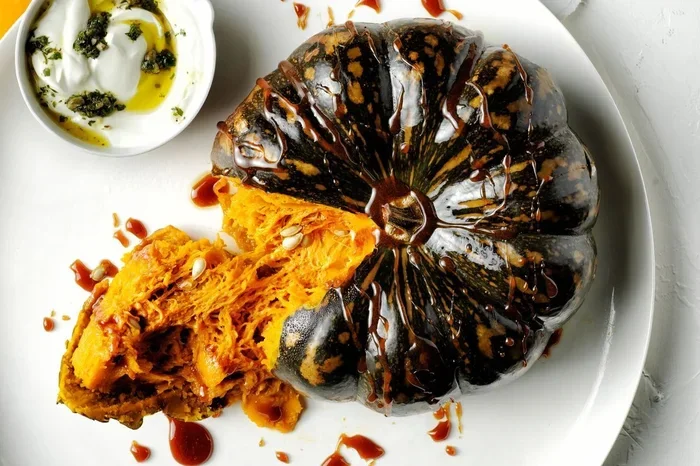
You will also notice that the skin may begin to wrinkle or darken slightly. This is a great visual indicator that the pumpkin is ready. The flesh inside will be deep orange, glossy, and incredibly tender.
Can You Roast A Pumpkin At Lower Temperatures?
Yes, you can roast a pumpkin at 350°F, but it will take longer. Low and slow roasting at 325°F is another option if you prefer a very gentle cook. This method takes 2 to 3 hours depending on size, but it can result in exceptionally creamy flesh because the moisture has more time to break down the fibers slowly.
The trade-off is that you will not get as much caramelization on the skin and outer flesh. If you love that slightly charred, caramelized flavor, stick with 400°F. If you prefer a more subtle, clean pumpkin taste, lower temperatures work well too.
Using Your Roasted Pumpkin: Recipes And Ideas
Once your pumpkin comes out of the oven, the real fun begins. Roasted pumpkin flesh is incredibly versatile and can be used in so many delicious ways. Here are some of the best ideas to make the most of your oven-roasted pumpkin.
Making Roasted Pumpkin Puree
Roasted pumpkin puree is the most common use for your roasted pumpkin, and it is incredibly easy to make. Simply let the pumpkin cool until it is safe to handle, then cut it open and scoop out the soft flesh with a spoon. Place the flesh in a food processor or blender and pulse until smooth.
You can add a small splash of water if the puree seems too thick. For extra flavor, try blending in a pinch of cinnamon, a touch of nutmeg, or a drizzle of maple syrup. Homemade puree tastes so much better than canned and has a richer, more complex flavor.
Store your puree in airtight containers in the refrigerator for up to one week, or freeze it for up to six months. Frozen puree works perfectly in pies, muffins, pancakes, and bread.
Creative Recipes With Roasted Pumpkin
Beyond puree, there are countless ways to use your oven roasted pumpkin. Here are some ideas to inspire you:
- Roasted pumpkin soup: Blend the pumpkin flesh with vegetable broth, a little cream, and warm spices for a comforting autumn soup.
- Pumpkin pasta: Toss roasted pumpkin cubes with sage, brown butter, and pasta for a simple but elegant dish.
- Smoothie booster: Add a scoop of roasted pumpkin to your morning smoothie along with banana, yogurt, and a dash of cinnamon.
- Roasted pumpkin hummus: Blend pumpkin with chickpeas, tahini, lemon juice, and garlic for a unique twist on classic hummus.
- Pumpkin oatmeal: Stir mashed roasted pumpkin into your morning oatmeal with brown sugar and pecans.
- Stuffed pumpkin: Halve a small pumpkin, fill it with rice, vegetables, and cheese, then bake until bubbly and golden.
The possibilities are truly endless. Once you have roasted pumpkin ready in your fridge, you will find yourself adding it to meals more often than you expected.
What To Do With Your Roasted Pumpkin Seeds
Do not forget about the seeds you scooped out during prep! Roasted pumpkin seeds are a delicious and healthy snack. Rinse them well to remove any remaining pulp, pat them dry, toss with a little olive oil and salt, and spread them on a baking sheet. Roast at 300°F for 20 to 30 minutes, stirring halfway through, until they are golden and crunchy.
You can get creative with seasonings too. Try tossing the seeds with paprika and garlic powder, cinnamon and sugar, or everything bagel seasoning. They make a great topping for salads, yogurt, and oatmeal.
Tips For Perfect Pumpkin Roasting Results Every Time
Even though roasting a whole pumpkin is straightforward, a few pro tips can help you get the best results every single time.
Quick Tips For Success
- Always cut off the stem first: This is essential for steam release and prevents the pumpkin from bursting in the oven.
- Line your baking sheet: Parchment paper or foil makes cleanup a breeze since pumpkin flesh can be sticky and messy.
- Let the pumpkin cool before handling: It will be very hot right out of the oven. Give it at least 20 to 30 minutes to cool down.
- Save the roasting liquid: As the pumpkin roasts, it releases sweet, fragrant juice. This liquid is fantastic for adding to soups, sauces, or smoothies.
- Rotate the pumpkin halfway through: If your oven has hot spots, rotating the pumpkin ensures even cooking on all sides.
- Use the pumpkin flesh within a few days: Fresh roasted pumpkin does not last as long as canned. Plan to use it within 3 to 4 days for the best quality.
Common Mistakes To Avoid
Here are a few pitfalls to watch out for when you are learning how to roast a whole pumpkin in the oven:
- Skipping the stem removal: This is the number one mistake people make. Without cutting off the stem, steam has nowhere to go, and your pumpkin can burst open in the oven.
- Using a pumpkin that is too large: Very large pumpkins take a long time to roast through and often end up with overcooked exteriors and undercooked centers. Stick with a medium-sized sugar pumpkin for the best results.
- Not poking holes in the skin: Just like the stem removal, skipping the holes can cause pressure to build up inside the pumpkin during roasting.
- Cutting the pumpkin in half before roasting: When you are learning whole pumpkin roasting, resist the urge to cut it open first. The whole method is specifically designed to keep the flesh moist and flavorful.
- Overcooking the pumpkin: Every oven is different, so start checking at the minimum time. Overcooked pumpkin turns mushy and loses its sweet flavor.
By avoiding these common mistakes, you will set yourself up for roasting success every time you try this method.
Storing And Freezing Roasted Pumpkin
One of the greatest advantages of roasting a whole pumpkin is that you can easily store the leftovers. Roasted pumpkin storage is simple and flexible, which makes this method perfect for meal prep and batch cooking.
In the refrigerator, place the roasted pumpkin flesh in an airtight container or zip-lock bag. It will keep for 4 to 5 days. If you have a lot of leftover pumpkin, consider pureeing it first and then storing the puree. Puree takes up less space and is ready to use whenever you need it.
For long-term storage, freezing is your best option. Portion the puree or flesh into freezer-safe bags or containers, removing as much air as possible. Label each bag with the date and use within six months for the best quality. Frozen roasted pumpkin thaws quickly on the counter or in the microwave, making it a convenient ingredient for quick weeknight meals.
You can also freeze the whole roasted pumpkin if you prefer. Wrap it tightly in plastic wrap and then in aluminum foil. When you are ready to use it, let it thaw in the refrigerator overnight and scoop out the flesh as needed.
Nutritional Benefits Of Roasted Pumpkin
Beyond its delicious taste, roasted pumpkin nutrition is impressive. Pumpkin is naturally low in calories and high in fiber, making it a great choice for healthy eating. It is packed with vitamin A, which supports eye health and immune function, and vitamin C, which helps your body fight off illness.
Pumpkin also contains potassium, which is important for heart health and muscle function, and beta-carotene, a powerful antioxidant that gives pumpkin its vibrant orange color. When you roast pumpkin, these nutrients remain largely intact, especially if you do not overcook it.
The seeds are nutritional powerhouses too. Roasted pumpkin seeds are rich in magnesium, zinc, and healthy fats. They make an excellent snack on their own or as a topping for salads and bowls.
Incorporating roasted pumpkin into your diet is an easy and tasty way to boost your nutrient intake during the fall and winter months. It is one of those seasonal foods that is both satisfying and good for you.
Conclusion: Your Journey To Perfect Roasted Pumpkin Starts Now
How to roast a whole pumpkin in the oven is a skill that anyone can master with just a little practice. From selecting the right pumpkin at the store to pulling out perfectly caramelized, tender flesh, this method is simple, rewarding, and incredibly versatile. Whether you are making puree for your favorite pie recipe, adding roasted pumpkin to soups and smoothies, or just enjoying the process of cooking with seasonal ingredients, this technique delivers outstanding results every time.
The beauty of whole pumpkin roasting is that it requires minimal effort and almost no special equipment. You just need a pumpkin, an oven, and a little patience. The oven does all the hard work for you, transforming a humble pumpkin into something truly delicious.
So the next time you see a beautiful sugar pumpkin at the farmers market or grocery store, grab one and bring it home. Try this method for yourself and discover how easy and satisfying it is to roast a whole pumpkin in the oven. Once you taste the difference between home-roasted and canned, you will never go back. Happy roasting!
Frequently Asked Questions
Can you roast any type of pumpkin in the oven?
You can technically roast any pumpkin, but sugar pumpkins and other small edible varieties produce the best results. Large carving pumpkins have watery, stringy flesh that does not taste as good and can be more difficult to work with after roasting.
How do you know when a whole pumpkin is done roasting?
The pumpkin is done when a fork or knife slides easily into the thickest part of the flesh with no resistance. The skin will also look wrinkled and slightly darkened, and the pumpkin will feel lighter in weight compared to before roasting.
Is it better to roast a pumpkin whole or cut it in pieces?
Roasting a whole pumpkin keeps the flesh more moist and flavorful because it steams inside its own skin. Cutting it into pieces is faster and works well if you are in a hurry, but the whole method produces superior texture and taste for most recipes.
Can you eat the skin of a roasted pumpkin?
The skin is technically edible after roasting, but most people prefer to scoop out the flesh and discard the skin. It can be tough and fibrous, especially on thicker-skinned pumpkin varieties. However, some people enjoy blending it into smoothies where the texture is not noticeable.
How long does roasted pumpkin last in the fridge?
Fresh roasted pumpkin flesh keeps in the refrigerator for 4 to 5 days when stored in an airtight container. If you make puree from the roasted flesh, it has the same shelf life. For longer storage, freezing is the best option and keeps pumpkin fresh for up to six months.
What can I do with leftover roasted pumpkin seeds?
Roasted pumpkin seeds make a wonderful snack on their own. You can toss them with olive oil and salt, or experiment with seasonings like cinnamon sugar, paprika, or rosemary. They also work well as a topping for salads, yogurt, oatmeal, and trail mix for added crunch and nutrition.