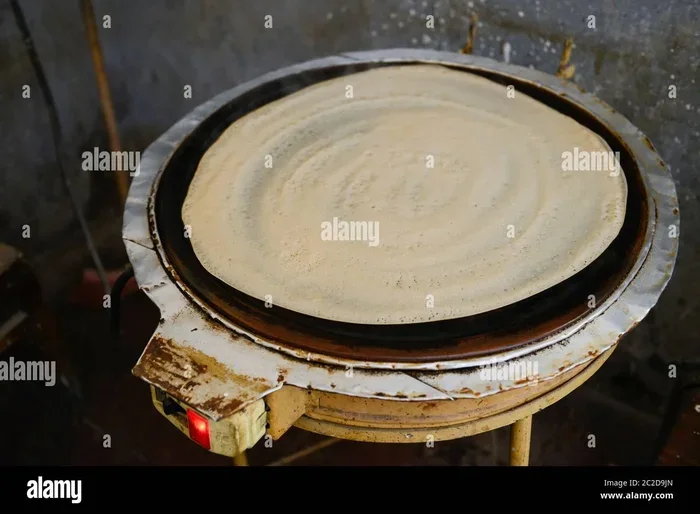
How To Reheat Injera In Oven And Get Perfect Results
Reheating injera in the oven brings back its soft, spongy texture without drying it out. This guide will show you exactly how to reheat injera in oven for perfect results every time. You’ll learn the best temperature, timing, and tips to keep your injera fresh and flavorful.
If you love Ethiopian food, you know that injera is the star of the table. This spongy, tangy flatbread is perfect for scooping up stews and salads. But what happens when you have leftovers? Reheating injera can be tricky. You want it soft, not tough or dry. Learning how to reheat injera in oven is the secret to bringing back that fresh, airy texture. In this guide, I will walk you through the best method step by step.
Many people reach for the microwave because it is fast. But the microwave changes the texture of your bread. It can make it rubbery and chewy. The oven, on the other hand, gently warms the injera. It keeps the spongy holes intact. It also adds a slight crispness to the edges. This method works for leftover injera from last night or meal-prepped batches for the week. Follow these simple steps and enjoy restaurant-quality injera at home.
- Low and slow is the secret: A warm oven of 300°F (150°C) keeps injera soft and prevents tough edges.
- Always add moisture: Wrapping injera in a damp cloth or foil traps steam and restores fluffiness.
- Timing matters: 5 to 10 minutes is all you need for a single layer of injera.
- Avoid the microwave: The oven gives you crispy yet pliable bread, while the microwave makes it rubbery.
- Store properly first: Keeping leftover injera in an airtight container in the fridge sets it up for perfect reheating.
- Reheat only what you need: Reheating the whole stack can dry out the pieces you are not eating yet.
- Use parchment paper: It prevents sticking and helps distribute heat evenly across the flatbread.
📑 Table of Contents
- Why Reheating Injera In The Oven Is The Best Method
- How To Reheat Injera In Oven: A Simple Step-by-Step Guide
- The Ideal Oven Temperature And Timing For Injera
- Tips To Keep Your Injera Soft And Fluffy
- Common Mistakes People Make When Reheating Injera
- How To Store Injera So It Reheats Perfectly
- Conclusion
Why Reheating Injera In The Oven Is The Best Method
The oven is a gentle, even heat source. It warms the bread from all sides. This is important for a thin, delicate flatbread like injera. The microwave heats from the inside out. It creates steam that turns into a rubbery mess. The oven avoids this problem. It lets the moisture redistribute slowly. Your injera texture stays close to fresh.
Oven vs Microwave: Why Oven Wins
Here is a quick look at the two methods. This table shows why the oven is better for reheat flatbread like injera.
| Method | Texture Result | Time | Best For |
|---|---|---|---|
| Oven | Soft, spongy, slightly crispy edges | 5–10 minutes | Fresh-like reheating |
| Microwave | Rubbery, tough, chewy | 30–60 seconds | Speed only |
The oven gives you control. You can set a low temperature. You can cover the bread to trap steam. The microwave offers no such control. It zaps the moisture away. For the best soft injera, always choose the oven.
The Science Behind Reheating Flatbread
Injera is made from teff flour and fermented batter. This gives it a unique spongy structure. The holes in the bread trap air. When you cool the bread, the starch molecules tighten. Reheating gently relaxes those molecules. The steam from a damp cloth helps too. It rehydrates the surface. This is why how to reheat injera in oven works so well. You are not just warming it. You are restoring its structure.
Also, the oven’s dry heat does not create soggy spots. The bottom stays slightly crisp. The top stays pillowy. This contrast is what makes reheated injera so enjoyable. It is a simple science of low heat and moisture control.
How To Reheat Injera In Oven: A Simple Step-by-Step Guide
Now that you know why the oven works, let’s get into the steps. How to reheat injera in oven is easier than you think. You do not need any special tools. Just your oven, a baking sheet, and a damp cloth. Follow these steps for flawless results every time.
- Preheat your oven to 300°F (150°C). A low temperature is essential. It warms the bread slowly without burning it. High heat will dry out the injera fast.
- Prepare your injera pieces. If the bread is stuck together, gently separate the layers. You want each piece to have air around it. This helps the heat circulate evenly.
- Wrap the injera in a damp cloth. Use a clean kitchen towel or paper towel. Dampen it slightly and wring out excess water. The cloth creates a mini steam chamber. This keeps the bread moist from the inside.
- Place the wrapped injera on a parchment-lined baking sheet. Parchment paper prevents sticking. It also helps with even browning. You can also use an oven-safe dish covered with foil.
- Heat for 5 to 10 minutes. Check at the 5-minute mark. The bread should be warm to the touch. If you have a thicker stack, add 2–3 more minutes. Do not overheat.
- Remove and let it rest for 1 minute. This resting time allows the steam to settle. It makes the injera even softer. Then unwrap and serve immediately.
That is it! How to reheat injera in oven takes just a few minutes of active time. The result is bread that tastes almost freshly made. The spongy texture comes back to life. The tangy flavor is still bright. You will not believe it is a leftover.
The Ideal Oven Temperature And Timing For Injera
Temperature and timing are the two most important factors. Getting them right ensures your reheat injera turns out perfect every time. Too hot and it dries out. Too long and it becomes hard. Let us break down the ideal settings.
What Temperature Is Best?
The sweet spot is 300°F (150°C). This is a low, gentle heat. It warms the bread without cooking it further. Injera is already cooked. You are just bringing it back to life. If your oven runs hot, you can go as low as 275°F (135°C). The goal is to avoid any browning or crisping beyond the edges.
Some people ask if they can use a higher temperature to save time. The answer is no. A hot oven will create crispy, dry edges. It will also cause the center to stay cold. Low and slow is the rule for soft injera. Stick to 300°F and you will not go wrong.
How Long To Reheat Injera
The timing depends on the thickness of the stack and your oven. Here is a general guide to help you.
| Stack Thickness | Oven Temp | Reheat Time | Result |
|---|---|---|---|
| Single layer | 300°F (150°C) | 5–7 minutes | Warm, soft, fluffy |
| 2–3 layers | 300°F (150°C) | 7–10 minutes | Evenly warm throughout |
| 4+ layers | 300°F (150°C) | 10–12 minutes | Fully heated but still moist |
Always check the bread at the minimum time. You can always add a minute or two. You cannot undo overcooked injera. The bread should feel warm and flexible. If it springs back when you press it, it is ready.
Tips To Keep Your Injera Soft And Fluffy
Reheating is an art, but these tips make it easy. Follow these reheating tips and your leftover bread will taste amazing.
Use A Damp Cloth Or Parchment Paper
Moisture is your best friend. A damp cloth traps steam around the bread. This steam rehydrates the surface. It prevents the injera from drying out. If you do not have a cloth, lightly spritz the bread with water before wrapping. Parchment paper also helps. It creates a barrier that keeps the bread from sticking to the pan.
Do Not Skip The Resting Time
After you take the injera out of the oven, let it rest for 1 minute. This might seem small, but it matters. The heat continues to distribute. The steam settles into the bread. The result is a more uniform softness. Unwrapping too early lets the steam escape. That steam is what makes the bread fluffy.
Reheat Only What You Need
If you have a large stack, reheat only a few pieces at a time. Reheating the whole batch can lead to overcooked edges on the outside pieces. The inside pieces may stay cool. By reheating in small batches, you get perfect results every time. This is one of the best reheating bread strategies.
Quick Tips For Perfect Reheated Injera
- Warm the oven first. A preheated oven ensures even cooking from the start.
- Use a damp kitchen towel. It adds just enough moisture without making the bread soggy.
- Place the wrapped injera on the middle rack. This ensures heat circulates evenly around the bread.
- Do not unwrap until serving. Keeping the cloth on retains the steam until the last moment.
- Add a sprinkle of water if needed. If the bread looks dry, a light spritz before wrapping works wonders.
Common Mistakes People Make When Reheating Injera
Even with the best intentions, mistakes happen. Knowing what to avoid saves your leftover bread. Here are the most common errors and how to fix them.
Using Too High Heat
This is the number one mistake. A hot oven will scorch the edges. The center will still be cool. The bread will lose its spongy texture. Always use a low temperature of 300°F. Patience is key when you reheat injera.
Forgetting To Moisten The Bread
Ovens dry things out. Without added moisture, your injera will become stiff. The damp cloth solves this. It creates a humid environment. This mimics the steaming process used when the bread was fresh. Skipping this step leads to tough, chewy results.
Reheating For Too Long
Overheating turns soft bread into a hard, crunchy cracker. Set a timer and check early. Five minutes is often enough for a single layer. If you go past 10 minutes, you risk drying the bread completely. Watch it closely.
Skipping The Cover
Leaving the injera uncovered lets the steam escape. The bread dries out quickly. Always wrap it in a damp cloth or cover with foil. This simple step makes a huge difference. It keeps the bread soft and pliable.
How To Store Injera So It Reheats Perfectly
Proper storage sets you up for success. If you store the bread correctly, reheating is a breeze. This is especially important for leftover injera or meal-prepped batches.
Storing Leftover Injera In The Fridge
Let the bread cool completely before storing. Place the pieces in an airtight container or zip-lock bag. You can layer the injera with parchment paper between each piece. This prevents sticking. The fridge keeps the bread fresh for up to 3 days. Cold storage slows down the staling process.
Freezing Injera For Later
Freezing is a great option if you have more bread than you can eat in a few days. Wrap individual pieces tightly in plastic wrap. Then place them in a freezer bag. Remove as much air as possible. Frozen injera keeps for up to 2 months. When you are ready to eat, thaw it at room temperature for 10 minutes. Then reheat using the oven method described above.
Thawing And Reheating Frozen Injera
Do not reheat frozen bread directly. The outside will burn before the inside thaws. Let it thaw first. Then wrap it in a damp cloth and place it in the warm oven. The oven temperature of 300°F works perfectly for thawed and frozen bread alike. You will get soft, fluffy results every time.
Conclusion
Learning how to reheat injera in oven is a simple skill that changes everything. You no longer have to eat cold, dry leftover bread. With just a little moisture and low heat, you can bring your injera back to life. The oven gives you soft, spongy, and flavorful bread every single time. It is the best method for reheating this traditional Ethiopian flatbread.
Remember the key steps: preheat to 300°F, wrap in a damp cloth, and heat for 5 to 10 minutes. Avoid common mistakes like high heat and skipping the cover. Store your bread properly to make reheating even easier. Follow these tips and your injera texture will be almost as good as fresh.
Next time you have leftover injera, do not throw it away. Use your oven and enjoy a warm, fluffy flatbread with your favorite stews. You will wonder why you ever used the microwave. How to reheat injera in oven is the way to go. Your taste buds will thank you.
Frequently Asked Questions
Can I reheat injera in the microwave?
Yes, you can, but the texture will not be as good. The microwave makes injera rubbery and tough. The oven is the best method for keeping it soft and spongy. If you must use a microwave, cover the bread with a damp paper towel and heat in short 10-second bursts.
What is the best way to reheat leftover injera?
The best way is to wrap the bread in a damp cloth and heat it in a 300°F oven for 5 to 10 minutes. This method restores moisture and keeps the spongy texture. It is simple, fast, and gives you the most flavorful results.
How do you keep injera soft when reheating?
Always use a damp cloth or parchment paper to trap steam. Low heat is also essential. A warm oven at 300°F gently reheats the bread without drying it out. Let it rest for a minute after heating to lock in the moisture.
Can you reheat injera more than once?
It is best to reheat only what you plan to eat. Each reheat cycle further dries out the bread. If you must reheat again, add a little more moisture with a damp cloth and keep the oven temperature low.
Is it safe to reheat injera the next day?
Absolutely. Leftover injera stored in the fridge is safe to eat for up to 3 days. Reheating it in the oven not only warms it but also refreshes the texture. Just make sure it was stored properly in an airtight container.
What temperature should you reheat injera at?
Reheat injera at 300°F (150°C). This low temperature warms the bread evenly without burning or drying it out. Higher temperatures will ruin the soft, spongy texture that makes injera so special.