How To Make Italian Coffee Stove Top The Authentic Way
Making Italian coffee stove top style is easier than you think. A stovetop espresso maker lets you brew rich, authentic espresso right on your burner. You only need a Moka pot, fresh coffee grounds, and hot water. This guide walks you through every step for perfect results. Whether you are a beginner or a coffee lover, you will master the art of stovetop espresso.
There is something magical about Italian coffee stove top brewing. It connects you to generations of coffee lovers who enjoyed rich espresso without fancy machines. The aroma that fills your kitchen as the coffee brews is simply unbeatable. This method has been a staple in Italian households for over a century. And the best part? You do not need expensive equipment to make it work.
If you have ever wondered how Italians make their perfect cup of coffee at home, the answer is simpler than you think. They use a stovetop espresso maker, often called a Moka pot. This small, affordable tool produces coffee that is bold, rich, and full of flavor. In this guide, we will show you exactly how to make Italian coffee stove top style like a pro. You will learn the right technique, the common mistakes to avoid, and tips that elevate your brew every single time.
Key Takeaways
- A Moka pot is the key tool for authentic Italian coffee stove top brewing at home.
- Use finely ground coffee and avoid packing it too tight for the best flavor.
- Heat on medium-low to prevent burning and bitter coffee.
- Remove the pot early once you hear a gurgling sound to stop extraction.
- Clean your Moka pot properly to keep your coffee tasting fresh every time.
- Warm your water first for faster brewing and better flavor extraction.
- Practice makes perfect — your first few cups may need small adjustments.
📑 Table of Contents
- What Is Italian Coffee Stove Top Brewing?
- Why Choose The Stovetop Method For Your Coffee?
- What You Need To Get Started
- Step By Step Guide To Making Italian Coffee Stove Top
- Tips For Perfect Stovetop Espresso Every Time
- Common Mistakes And How To Avoid Them
- How To Maintain Your Moka Pot For Long Lasting Use
- Final Thoughts On Making Italian Coffee Stove Top
What Is Italian Coffee Stove Top Brewing?
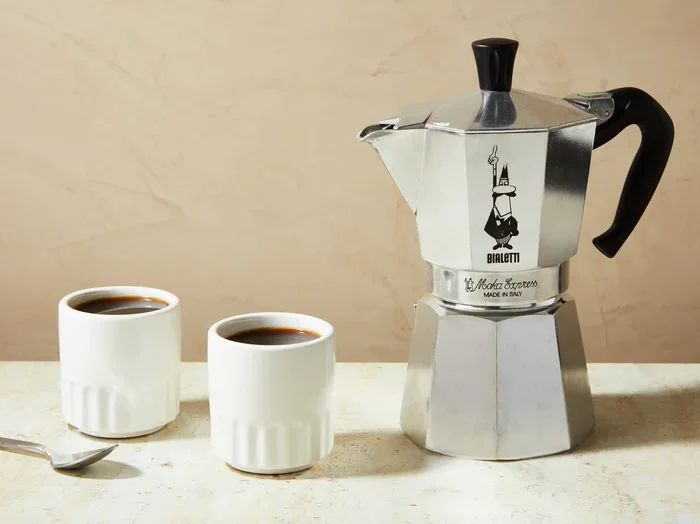
Italian coffee stove top brewing refers to making espresso using a stovetop coffee maker. The most popular tool for this is the Moka pot, invented by Alfonso Bialetti in 1933. It uses steam pressure to push hot water through coffee grounds. The result is a strong, concentrated cup that tastes similar to espresso but with its own unique character.
This method is at the heart of Italian coffee culture. Families gather around the stove each morning to brew their daily coffee. Unlike drip coffee makers, a Moka pot gives you full control over the brewing process. You decide the water temperature, the grind size, and the brewing time. That hands-on approach is what makes stovetop espresso so special.
The coffee produced is not quite as strong as commercial espresso. But it is much richer than regular drip coffee. Many people describe it as having a beautiful crema on top and a deep, satisfying flavor. It is the perfect base for milk drinks or simply enjoyed on its own.
Why Choose The Stovetop Method For Your Coffee?
There are many reasons to choose Italian coffee stove top brewing over other methods. Let us look at why this approach wins the hearts of coffee lovers everywhere.
It Is Simple And Affordable
A Moka pot costs far less than an espresso machine. You can find a good one for under thirty dollars. There are no complicated buttons or settings to learn. The design has barely changed in decades because it works so well. Anyone can learn to use one in minutes.
It Gives You Rich Flavor
Stovetop brewing extracts more oils and flavors from your coffee grounds. The steam pressure creates a full-bodied cup with intense aroma. Many coffee experts say Moka pot coffee has a depth that drip machines simply cannot match. If you love bold coffee, this method delivers every time.
It Works Without Electricity
Unlike electric espresso machines, a Moka pot works on any stove. Gas, electric, or induction — it does not matter. This makes it perfect for camping trips, power outages, or kitchens with limited outlets. It is truly one of the most versatile coffee makers you can own.
It Fits Into Any Kitchen
Moka pots come in different sizes. You can get a single-cup size or a larger one for the whole family. They take up very little counter space. Cleaning is quick and easy, much like keeping your kitchen gear tidy. A simple rinse after each use keeps everything in great shape.
What You Need To Get Started
Before you start brewing, make sure you have everything ready. Setting up properly makes a huge difference in your final cup.
The Right Moka Pot
Choose a Moka pot that fits your needs. The classic Bialetti Moka Express is the most popular choice. It comes in sizes from one cup to eighteen cups. For beginners, a three-cup size is perfect. It makes enough for a couple of servings without wasting coffee.
Look for pots made from aluminum or stainless steel. Aluminum heats quickly and evenly. Stainless steel is more durable and easier to clean. Both work great for stovetop espresso. Pick whichever feels right in your hands.
Fresh Coffee Grounds
Use freshly ground coffee for the best results. Buy whole beans and grind them yourself if possible. The ideal grind size is medium-fine, similar to table salt. Too coarse and the water rushes through without extracting enough flavor. Too fine and the coffee becomes bitter and clogged.
Many Italian coffee lovers use a dark roast blend. But you can use any roast you enjoy. Medium roast also works well and gives a smoother taste. Experiment until you find your perfect match. The quality of your beans matters more than anything else.
Good Water
Use filtered water for the cleanest taste. Tap water with heavy chlorine or mineral content can affect flavor. Cold, fresh water is all you need. Some people like to warm the water first, which speeds up brewing and reduces the time the metal touches the coffee.
Optional Extras
You do not need much else to make great stovetop coffee. But a few extras can enhance your experience:
- A small kitchen scale for measuring coffee precisely
- A heat diffuser to prevent overheating on electric stoves
- A warm cup to keep your coffee hot longer
- Milk frother if you like milky coffee drinks
Step By Step Guide To Making Italian Coffee Stove Top
Now let us get to the fun part. Follow these steps carefully and you will brew authentic Italian coffee right on your stove.
Step One: Fill The Bottom Chamber With Water
Take the bottom part of your Moka pot. Fill it with hot water up to the safety valve. The valve is a small metal piece on the side. Do not cover it. Using hot water instead of cold helps the brewing process start faster. It also prevents the coffee from sitting on the heat too long, which can cause bitterness.
If you are using a new pot for the first time, think of it like breaking in a brand new oven — the first few brews may need a little extra attention. Some people rinse the pot with water before the first use to remove any manufacturing residue.
Step Two: Add The Coffee Grounds
Remove the filter basket from the bottom chamber. Fill it with ground coffee. Use a spoon to level the grounds. Do not pack them down tightly. The water needs room to flow through the coffee. Pressing too hard slows the extraction and can make your coffee taste sour.
A good rule of thumb is two tablespoons of coffee per cup. Adjust this based on how strong you like your brew. For a milder cup, use a little less. For a bolder cup, add a bit more.
Step Three: Assemble The Pot
Place the filter basket back into the bottom chamber. Make sure it sits evenly. Then screw the top chamber onto the bottom. Tighten it firmly but do not force it. The seal needs to be snug to build proper pressure. A loose seal will cause steam to escape and weaken your brew.
Step Four: Heat The Pot
Place the Moka pot on the stove over medium-low heat. Keep the lid open so you can watch the process. This is the most important step in stovetop brewing. High heat will burn the coffee and create a bitter taste. Medium-low heat gives the water time to extract the full flavor from the grounds.
On gas stoves, use a flame that covers the base evenly. On electric stoves, consider using a heat diffuser. This spreads the heat and prevents hot spots that can scorch the coffee. If you have an induction cooktop, make sure your Moka pot is compatible.
Step Five: Watch For The Gurgling Sound
After about three to five minutes, you will hear a gurgling sound. This means the coffee is rising into the top chamber. The sound starts as a gentle bubbling and then becomes louder. When the gurgling turns into a hissing, sputtering sound, it is time to act fast.
Remove the pot from the heat immediately. Do not wait for all the water to boil away. Taking it off early preserves the smooth flavor and prevents bitterness. Some people like to cool the bottom of the pot under cold running water. This stops the extraction right at the perfect moment.
Step Six: Serve And Enjoy
Pour the coffee into warm cups. Stovetop espresso is best enjoyed fresh. The aroma fades quickly once it sits. If you like milky coffee, add steamed milk or frothed milk to taste. You can also drink it straight to fully appreciate the bold flavor.
Many Italians drink their Moka coffee at the kitchen counter. They sip it slowly and savor every moment. Making it a ritual adds to the joy of the experience. Try to make it part of your morning routine.
Tips For Perfect Stovetop Espresso Every Time
Even after you master the basics, there are always ways to improve. These expert tips will help you get the most out of every brew.
Always Use Fresh Beans
Coffee starts losing flavor within two weeks of grinding. Buy whole beans and grind them just before brewing. This gives you the freshest possible cup. Store your beans in an airtight container away from light and heat.
Preheat Your Water
Starting with hot water reduces the total brewing time. This means less time for the metal to affect the taste. Many experienced Moka pot users swear by this simple trick. It makes a noticeable difference in the final flavor.
Do Not Leave The Pot On The Heat
This is the number one mistake beginners make. Leaving the pot on the stove after brewing starts will ruin the coffee. The continued heat creates a burnt, bitter taste. Always remove the pot the moment you hear the loud hissing sound.
Clean Your Pot Regularly
Oil buildup from coffee grounds can make your next cup taste stale. Rinse the pot with warm water after each use. Never use soap on the inside parts. Soap can leave a residue that affects flavor. Instead, just rinse thoroughly and let it air dry.
Experiment With Different Beans
Do not be afraid to try different coffee blends. Each bean variety brings out different flavors in stovetop brewing. Light roasts give you brighter, fruitier notes. Dark roasts provide deep, smoky richness. Finding your favorite blend is part of the fun.
Use A Timer
Timing matters in Italian coffee stove top brewing. If you find your coffee consistently tastes bitter, try reducing the brew time. If it tastes weak, increase it slightly. Keeping track of your brew times helps you dial in the perfect cup. You can even note your settings for future reference.
Common Mistakes And How To Avoid Them
Even experienced coffee makers sometimes make errors. Here are the most common mistakes and how to fix them.
Using Too Fine A Grind
Extra fine grounds clog the filter basket and slow the water flow. This causes over-extraction and bitter coffee. Stick to a medium-fine grind. It should feel like sand but not like flour.
Overfilling The Filter Basket
Piling too much coffee in the basket creates pressure buildup. This can cause the pot to leak or even burst. Fill the basket loosely and level it off with a spoon. Never tamp the grounds down.
Using Boiling Water
While hot water helps brewing, boiling water can scorch the coffee. Aim for water that is just off the boil. Let it sit for about thirty seconds after boiling before pouring it in.
Ignoring The Safety Valve
The safety valve is there for a reason. Never block it or fill water above it. If it becomes clogged, clean it carefully with a toothpick. A blocked valve can cause dangerous pressure buildup.
Skipping The Preheating Step
Starting with cold water extends the brewing time significantly. The longer the water sits on the heat, the more bitter compounds get extracted. Always use hot water to keep the process quick and efficient.
How To Maintain Your Moka Pot For Long Lasting Use
Taking care of your Moka pot ensures it lasts for years. A well-maintained pot brews better coffee with every use.
After each use, disassemble the pot completely. Remove the filter basket, the funnel, and the gasket seal. Rinse all parts under warm water. Let them dry completely before reassembling. This prevents mold and keeps the seals flexible.
Replace the gasket seal every six to twelve months. A worn seal lets steam escape and reduces pressure. You can find replacement gaskets at most kitchen supply stores. The rubber seal is inexpensive and easy to swap out.
For a deep clean, soak the parts in a mixture of baking soda and warm water. This removes oil buildup and restores fresh flavor. Never put a Moka pot in the dishwasher. The harsh detergents damage the aluminum and affect coffee taste.
If you notice your coffee tasting metallic, it is time to deep clean. The buildup of coffee oils inside the pot can affect flavor. A thorough cleaning brings back the pure taste of your beans.
Final Thoughts On Making Italian Coffee Stove Top
Italian coffee stove top brewing is more than just making coffee. It is a ritual that brings warmth and tradition into your home. With a simple Moka pot and a few minutes of your time, you can enjoy espresso that rivals what you find in Italian cafes. The process is straightforward, the results are delicious, and the experience is deeply satisfying.
Start with the basics and do not worry about being perfect from day one. Every cup you brew teaches you something new about your taste and your technique. Soon, making stovetop espresso will feel like second nature. You will wonder how you ever lived without it.
Remember to use fresh beans, the right grind size, and medium-low heat. Keep your pot clean and remove it from the stove at the right moment. These small habits make a big difference. Before long, you will be brewing authentic Italian coffee that impresses everyone who tastes it.
The beauty of this method is its simplicity. No complex machinery, no electricity needed, no expensive pods. Just good coffee, hot water, and a trusty Moka pot. That is the heart of Italian coffee stove top culture, and now it is yours to enjoy.
Frequently Asked Questions
Can I use regular ground coffee in a Moka pot?
Yes, but the grind size matters. Use a medium-fine grind, similar to table salt. Regular pre-ground coffee from the store often works fine. Just make sure it is not too coarse or too fine for the best extraction.
How long does it take to brew coffee on a stovetop?
A typical Moka pot brew takes about three to five minutes. The exact time depends on your stove, pot size, and how much coffee you are making. Keep an eye on the pot and listen for the gurgling sound.
Is Moka pot coffee the same as espresso?
Moka pot coffee is similar to espresso but not identical. It uses steam pressure like an espresso machine but at lower pressure. The result is strong and rich but slightly less concentrated than true espresso. Many people enjoy it as their own version of stovetop espresso.
Can I make more than one cup at a time?
Absolutely. Moka pots come in many sizes, from single-cup to large family sizes. The brewing process stays the same no matter the size. Just adjust the amount of coffee and water accordingly.
Why does my stovetop coffee taste bitter?
Bitter taste usually comes from over-extraction. This happens when the pot stays on the heat too long or the grind is too fine. Remove the pot from heat as soon as you hear loud hissing. Also make sure you are not packing the coffee grounds too tightly.
How often should I replace my Moka pot?
A well-maintained Moka pot can last for many years. Replace the gasket seal every six to twelve months. If you notice rust, warping, or a change in taste, it might be time for a new pot. But with proper care, your pot will serve you for a long time.