How To Make Coffee Using Ground Beans Step By Step
Making coffee with ground beans is simpler than you think. This guide walks you through every step, from selecting the right coffee grounds to mastering your brewing time and coffee ratio. You will learn proven methods that deliver fresh coffee with rich coffee flavor and perfect coffee aroma every single morning.
There is something truly special about a warm cup of coffee in the morning. Whether you are a casual coffee drinker or a dedicated enthusiast, how to make coffee using ground beans is a skill worth mastering. Ground coffee beans open up a world of flavor, aroma, and customization that pre-packaged options simply cannot match. In this guide, we will walk you through every step of the process, from choosing your beans to pulling the perfect cup.
Making coffee at home does not require expensive equipment or years of experience. With the right coffee grounds, a simple coffee maker, and a little know-how, you can brew a cup that rivals your favorite café. This article covers everything you need to know about brewing coffee with ground beans. We will explore the tools you need, the best techniques, and common pitfalls to avoid. By the end, you will feel confident brewing fresh coffee every single morning.
The beauty of working with ground coffee beans is the control it gives you. You decide the strength, the flavor profile, and the brewing method. Whether you prefer a bold, strong cup or a light, smooth brew, the choice is yours. Let us dive into the details and help you make the perfect cup of coffee at home.
Key Takeaways
- Use Freshly Ground Beans: Freshly ground coffee delivers the best flavor and aroma compared to pre-ground options.
- Master Your Coffee Ratio: The right ratio of coffee grounds to water is the key to a balanced cup.
- Control Water Temperature: Hot water between 195°F and 205°F extracts the best coffee flavor without bitterness.
- Choose the Right Grind Size: Different brewing methods require different coffee grind sizes for optimal extraction.
- Try Multiple Brewing Methods: From pour over coffee to French press, there are several ways to brew great coffee at home.
- Avoid Common Mistakes: Over-extraction, wrong water temperature, and stale beans can ruin your morning coffee.
📑 Table of Contents
What You Need to Make Coffee Using Ground Beans
Before you start brewing, you need the right tools and ingredients. Having everything ready makes the process smoother and more enjoyable. Here is what you will need to get started with your coffee brewing journey.
Essential Equipment for Brewing Coffee
You do not need a lot of equipment to brew great coffee. A few basic items will get you started. First, you need a source of hot water. A kettle works perfectly for this. Next, you need a way to contain the coffee grounds during brewing. This could be a coffee filter, a French press, or a coffee maker with a built-in filter.
You will also need a measuring spoon to get the right coffee ratio. A kitchen scale is even better because it gives you precise measurements. Finally, a mug or carafe to serve the coffee in completes the setup. That is it. You do not need fancy gadgets to make excellent coffee at home.
Choosing the Right Coffee Beans
The quality of your coffee beans matters a lot. Fresh, high-quality beans make a noticeable difference in taste. Look for beans that have a roast date on the bag rather than an expiration date. Whole beans stay fresh longer, but pre-ground coffee works fine too if you use it within a few weeks of opening.
Consider the roast level when you choose. Light roasts have more acidity and fruity notes. Medium roasts offer a balanced flavor profile. Dark roasts bring bold, smoky, and chocolatey notes. Pick the roast that matches your taste preference. There is no wrong choice here. It is all about what you enjoy drinking.
Also think about the origin of your beans. Single-origin beans come from one specific region and showcase unique terroir flavors. Blended beans combine multiple origins for a balanced and consistent taste. Both options work great for home brewing. Try different origins to discover what you like best.
Understanding Coffee Grind Size and Its Impact
The size of your coffee grind plays a huge role in the final cup. Different grind sizes work best with different coffee brewing methods. Getting this right is one of the most important steps in the whole process.
Why Grind Size Matters
Grind size affects how water interacts with the coffee grounds. Finer grinds have more surface area, which means faster extraction. Coarser grinds extract more slowly. If your grind is too fine, the coffee can turn bitter and over-extracted. If it is too coarse, the brew may taste weak and underwhelming.
Finding the sweet spot takes a little practice. But once you get the hang of it, you will notice a big difference in coffee flavor and coffee strength. The goal is balanced extraction, where the water pulls out the right amount of flavors and oils from the grounds. Too much extraction leads to harsh bitterness. Too little extraction leaves the coffee sour and thin.
If you want to dive deeper into how grind size affects your brew, check out will grinding coffee beans finer make it stronger to understand the science behind extraction and strength.
Different Grind Sizes for Different Methods
Each brewing method works best with a specific grind size. Here is a simple breakdown:
- Extra Coarse: Best for cold brew. Large particles slow down extraction over long steeping times.
- Coarse: Ideal for French press. The grounds need room to expand and steep properly.
- Medium-Coarse: Works well for pour over coffee and Chemex brews.
- Medium: The standard grind for drip coffee makers and most coffee makers.
- Fine: Perfect for espresso machines. The fine particles create the rich, concentrated shot.
- Extra Fine: Used for Turkish coffee. These very fine grounds create a thick, strong brew.
If you are unsure about your grind size, start with medium and adjust from there. The coffee grounds should match the method you are using for the best results. A burr grinder gives you more consistent particle sizes than a blade grinder, which makes a noticeable difference in the final cup.
Step-by-Step Guide to Brewing Coffee With Ground Beans
Now that you have your equipment and the right grind size, it is time to brew. Follow these simple steps to make a great cup of coffee every time.
Step 1: Measure Your Coffee Grounds
Start by measuring your coffee grounds. The standard coffee ratio is about two tablespoons of grounds per six ounces of water. This gives you a balanced cup that is not too strong and not too weak. If you prefer a stronger brew, add a little more coffee. If you like it milder, use a bit less.
Using a scale is the most accurate way to measure. Aim for about 15 grams of coffee for every 250 milliliters of water. This ratio works well for most brewing methods and gives you consistent results every time you brew. The coffee ratio is the foundation of a great cup, so do not skip this step.
Step 2: Heat the Water to the Right Temperature
Water temperature is critical for proper coffee extraction. The ideal range is between 195°F and 205°F (90°C to 96°C). Water that is too hot will over-extract the grounds and create a bitter taste. Water that is too cool will under-extract and leave your coffee tasting flat.
If you do not have a thermometer, just bring your water to a boil and then let it sit for about 30 seconds. This brings it down to the sweet spot. The hot water temperature needs to be just right for the best coffee taste and coffee aroma. Investing in a simple kettle with temperature control can make this step much easier and more consistent.
Step 3: Brew Your Coffee
Now it is time to brew. Place your coffee grounds in the filter or press. Slowly pour the hot water over the grounds in a circular motion. Let the coffee brew for about four to five minutes. The exact time depends on your method and grind size.
If you are using a coffee maker, simply add the grounds and water and let the machine do the work. For pour over methods, control the pour speed and make sure all the grounds are evenly saturated. The brewing time is an important factor that affects the final cup. Too short and the coffee will be weak. Too long and it will be over-extracted and bitter.
If you do not have a traditional coffee maker or filter, do not worry. You can still brew excellent coffee with basic kitchen tools. Learn how to make coffee without filter or machine using simple methods that work with items you already have in your kitchen.
Step 4: Serve and Enjoy Your Fresh Coffee
Once the brewing is complete, pour the coffee into your favorite mug. Fresh coffee tastes best when served right away. The coffee aroma is at its peak in the first few minutes after brewing, so try not to let it sit too long. The flavors and oils begin to dissipate as the coffee cools.
If you need to keep your coffee warm, a simple insulated mug works great. Avoid reheating coffee on the stove or in the microwave, as this can degrade the flavor and create a burnt taste. The goal is to enjoy each cup at its freshest and most flavorful. Take a moment to savor the aroma before your first sip.
Popular Coffee Brewing Methods for Ground Beans
There are many ways to brew coffee with ground beans. Each method brings out different flavors and characteristics. Here are some of the most popular coffee brewing methods you can try at home.
Pour Over Coffee
Pour over coffee is a favorite among home brewers. It gives you full control over the brewing process. You need a pour over dripper, a coffee filter, and hot water. Place the filter in the dripper, add your grounds, and slowly pour water over them in circles.
This method produces a clean, bright cup that highlights the unique flavors of the beans. It takes a little practice to get the pour right, but the results are worth it. Pour over coffee is perfect for single servings and lets you experiment with different beans and grind sizes. The slow, deliberate pour allows for even saturation and balanced extraction.
French Press Method
The French press is one of the simplest and most popular brewing methods. You just add coarsely ground coffee to the press, pour in hot water, wait four minutes, and press down the plunger. The result is a rich, full-bodied cup with lots of natural oils and flavors.
French press coffee tends to be heavier and more robust than drip coffee. It is a great choice if you like your coffee strong and hearty. The method is forgiving and works well even if you are not perfect with your timing or water temperature. The metal filter also lets more oils through, which adds to the rich mouthfeel.
Drip Coffee Maker
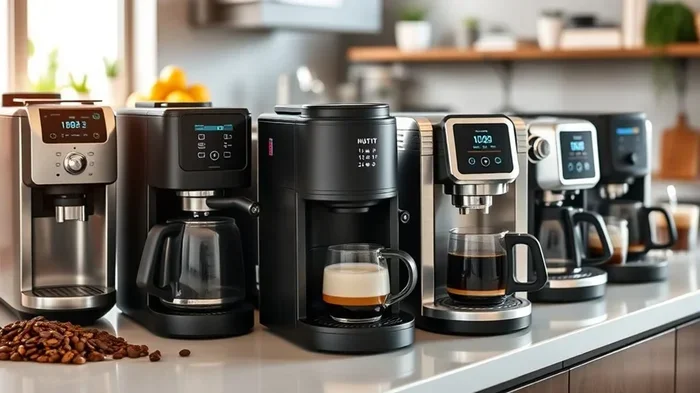
A drip coffee maker is the most convenient option for many people. You add water to the reservoir, place a filter with grounds in the basket, and press start. The machine heats the water and drips it through the grounds automatically.
Drip coffee makers are great for making multiple cups at once. They are easy to use and require very little effort. If you want a reliable morning coffee routine without any fuss, a good drip machine is hard to beat. Look for models with adjustable brew strength and temperature settings for the best results.
Common Mistakes That Ruin Your Coffee
Even experienced coffee drinkers make mistakes sometimes. Avoiding these common errors will help you brew better coffee every single time.
Using the Wrong Water Temperature
Water temperature is one of the most overlooked factors in brewing coffee. Boiling water (212°F) is too hot and will scorch the grounds, creating a bitter taste. Water that is not hot enough will not extract properly, leaving the coffee weak and sour.
Always aim for that 195°F to 205°F range. If you are unsure, let boiling water cool for 30 to 45 seconds before pouring. Getting the temperature right is one of the easiest ways to improve your cup significantly. Many people assume hotter is better, but that is simply not true when it comes to coffee extraction.
Ignoring the Brew Time
Brew time matters just as much as water temperature. Over-brewing leads to a bitter, harsh cup. Under-brewing results in weak, watery coffee. For most methods, four to five minutes is the sweet spot. French press needs about four minutes. Pour over takes about three to four minutes.
Set a timer if you need to. It is easy to get distracted and forget about your coffee while it is brewing. The brewing time directly impacts the coffee strength and overall coffee taste. A little attention to timing goes a long way toward a better cup.
Using Stale or Low-Quality Grounds
Old, stale coffee grounds taste flat and lifeless. Always check the roast date on your bag and try to use your grounds within two to four weeks of opening. Store them in an airtight container away from light and heat. Fresh coffee grounds make a world of difference in the final cup.
Also, avoid buying pre-ground coffee that has been sitting on a store shelf for months. The flavor degrades quickly once beans are ground. If possible, buy whole beans and grind them just before brewing. This simple change can transform the quality of your morning coffee.
Tips for the Perfect Cup of Coffee Every Morning
Making great coffee is a combination of good technique, quality ingredients, and a little experimentation. Here are some tips to help you get the best results every time you brew.
Store Your Coffee Grounds Properly
Proper storage keeps your coffee fresh longer. Store your grounds in an airtight container at room temperature. Avoid the freezer, as moisture and odors can affect the flavor. Keep the container away from the stove, sunlight, and other heat sources. A cool, dark pantry is the best spot for your coffee grounds.
Do not store coffee in the original bag if it is not sealed well. Transfer it to a container with a tight-fitting lid. Oxygen is the biggest enemy of fresh coffee. Minimizing exposure to air preserves the flavor and aroma for a longer period.
Experiment With Coffee-to-Water Ratios
The standard ratio is a good starting point, but do not be afraid to adjust it. If you like strong coffee, try using a little more grounds. If you prefer a lighter cup, use less. Experimentation is part of the fun of making coffee at home. Keep notes on what works best for your taste buds.
Everyone’s palate is different. What tastes perfect to one person might be too strong or too weak for another. The beauty of making coffee at home is that you control every variable. Adjust the coffee ratio, the grind size, and the brewing time until you find your perfect combination.
Clean Your Equipment Regularly
Clean equipment brews better coffee. Oils and residue from previous brews can build up and affect the flavor of your next cup. Wash your French press, dripper, and carafe after each use. Run a vinegar cycle through your coffee maker once a month to remove mineral buildup. Clean gear equals better coffee taste.
Hard water can also cause mineral deposits inside your machine over time. Using filtered water in your coffee maker not only improves taste but also extends the life of your equipment. A little maintenance goes a long way toward consistently great coffee.
Try Adding Flavors Naturally
Once you have mastered the basics, you can start experimenting with flavors. A pinch of cinnamon, a splash of vanilla extract, or a few cocoa nibs can transform your morning coffee. These natural additions add depth and complexity without relying on sugary syrups. Get creative and find your perfect combination.
You can also try adding a small pinch of salt to reduce bitterness. It sounds unusual, but it works. The salt neutralizes the bitter compounds on your tongue and enhances the sweetness of the coffee. These small tweaks can make a big difference in your daily cup.
How to make coffee using ground beans is a rewarding skill that anyone can learn. With the right coffee grounds, proper water temperature, and a little practice, you can brew a delicious cup of fresh coffee right at home. The key is to pay attention to the details, from grind size to brewing time and coffee ratio.
Remember that great coffee comes from quality beans, proper technique, and a willingness to experiment. Try different coffee brewing methods and find the one that suits your lifestyle and taste. Whether you prefer the simplicity of a drip machine or the art of a pour over, the most important thing is that you enjoy your morning coffee.
So grab your favorite coffee beans, grind them to the right size, and start brewing. Your perfect cup of coffee is just a few steps away. Happy brewing! If you are also cooking other dishes in the kitchen, you might want to learn how to keep burgers warm in oven for your next brunch gathering.
Frequently Asked Questions
Can I Use Any Ground Coffee for Brewing?
Yes, you can use any ground coffee, but the grind size should match your brewing method. Fine grounds work best for espresso, while coarse grounds are ideal for French press. Using the wrong grind size can lead to over-extraction or under-extraction, which affects the final taste of your coffee.
How Long Does Ground Coffee Stay Fresh?
Ground coffee stays freshest for about two to four weeks after opening the bag. Store it in an airtight container at room temperature, away from light and moisture. For the best flavor and aroma, try to use your grounds within this timeframe and avoid keeping them for too long.
What Is the Best Water Temperature for Brewing Coffee?
The ideal water temperature for brewing coffee is between 195°F and 205°F. Water that is too hot will extract too much and create bitterness, while water that is too cool will under-extract and leave your coffee tasting weak. If you do not have a thermometer, let boiling water rest for about 30 seconds before using.
How Much Coffee Should I Use Per Cup?
The standard recommendation is about two tablespoons of coffee grounds per six ounces of water. This ratio produces a balanced cup. If you prefer a stronger brew, add more grounds. If you like it milder, use less. A kitchen scale can help you get precise measurements for consistent results every time.
Can I Reheat Coffee After It Has Cooled Down?
It is best to drink coffee fresh rather than reheating it. Reheating breaks down the flavors and can create a burnt or stale taste. If you need to keep coffee warm for a while, use an insulated thermal mug instead of reheating it on the stove or in the microwave.
Is Filtered Water Better for Making Coffee?
Yes, filtered water is generally better for making coffee. It removes chlorine and other impurities that can affect the taste of your brew. Clean, fresh water allows the true flavors of the coffee grounds to shine through, resulting in a cleaner and more enjoyable cup of coffee.