How To Make Coffee Less Watery And Enjoy Better Flavor
Watery coffee ruins your morning. You will learn how to make coffee less watery with easy fixes like adjusting your brew ratio, grind size, and extraction time. These simple tips will transform weak coffee into rich, flavorful cups every single day.
There is nothing worse than pouring a cup of coffee only to find it tastes like weak, watery brown water. You expected a rich, bold morning pick-me-up, but what you got was a disappointing sip. If you have been wondering how to make coffee less watery, you are in the right place. This guide will walk you through every fix, tip, and trick to get better flavor in your cup.
Many people deal with watery coffee every single morning. The problem usually comes down to a few simple mistakes that are easy to fix. Whether you use a drip machine, a pour-over, or a French press, the same principles apply. You will learn how to adjust your coffee grounds, water amount, and brewing time to get the perfect cup.
Let us dive into the easy changes that will transform your coffee from weak to wonderful.
Key Takeaways
- Fix Your Brew Ratio: Using too much water is the #1 cause of watery coffee. A simple ratio change makes a huge difference.
- Grind Size Matters: Coarse grounds brew faster and weaker. Adjusting your grind can fix weak coffee fast.
- Check Your Coffee Machine: A dirty machine or wrong settings lead to thin coffee. Cleaning and tuning helps a lot.
- Water Temperature Is Key: Water that is too cool won’t extract flavors properly. Aim for the right heat every time.
- Try Different Brewing Methods: Some methods naturally produce stronger coffee. Switching methods can solve watery problems.
- Fresh Beans Make a Difference: Old or low-quality beans brew weak coffee. Fresh, quality beans improve flavor greatly.
📑 Table of Contents
Why Does Coffee Become Watery?
Understanding the root cause is the first step to fixing watery coffee. Most of the time, the problem is simple and easy to solve. Let us look at the main reasons your coffee tastes thin and weak.
Too Much Water, Not Enough Coffee
The most common reason for watery coffee is a bad brew ratio. If you add too much water relative to your coffee grounds, the result will be weak and thin. Think of it like making soup. If you add too much water, the flavor becomes diluted. The same thing happens with your coffee.
A standard ratio is about 1 to 2 tablespoons of coffee per 6 ounces of water. If you are using less coffee than this, your brew will likely taste watery. Many coffee machines have markings that make it easy to add too much water without thinking.
Grind Size Is Too Coarse
The size of your coffee grounds plays a big role in flavor extraction. Coarse grounds have less surface area, which means less flavor gets into the water. This leads to a weak, watery cup. On the other hand, finer grounds extract more flavor and create a richer taste.
If you are using a blade grinder or pre-ground coffee, the grind might be too coarse for your brewing method. Each method works best with a specific grind size. Getting this right is one of the biggest steps toward better coffee.
Short Brewing Time
Coffee needs enough time to extract flavors from the grounds. If your brewing time is too short, the water does not have time to pull out the good stuff. The result is a thin, weak cup with very little body or richness.
This is especially common with drip machines that run too fast or pour-over methods where water passes through too quickly. Slowing down the process, even by a few seconds, can make a noticeable difference.
How To Make Coffee Less Watery With Simple Fixes
Now that you know why coffee becomes watery, let us look at the practical fixes. These are simple changes you can make right away to get stronger, more flavorful coffee.
Adjust Your Coffee-to-Water Ratio
This is the single most effective fix for watery coffee. Start by using more coffee grounds relative to your water. Instead of the default scoop that your machine gives you, try adding an extra half scoop. You will notice a much richer flavor right away.
Here is a quick guide to get you started:
- Mild Coffee: 1 tablespoon per 6 ounces of water
- Medium Strength: 1.5 tablespoons per 6 ounces of water
- Strong Coffee: 2 tablespoons per 6 ounces of water
Experiment with these ratios to find what works best for your taste. Some people love bold coffee, while others prefer a milder flavor. The key is to start with more grounds and adjust from there.
Use Finer Coffee Grounds
Switching to a finer grind is one of the best ways to boost flavor. Finer grounds slow down the water flow and increase extraction. This means more coffee flavor ends up in your cup instead of being left behind in the grounds.
If you are not sure what grind size to use, here is a quick breakdown by method:
- French Press: Coarse to medium-coarse
- Pour-Over: Medium to medium-fine
- Drip Machine: Medium
- Espresso: Very fine
If you are using a coffee maker without a filter, a finer grind can still work well as long as you control the water flow carefully.
Increase Your Brewing Time
Give your coffee more time to brew. If you are using a pour-over method, try slowing down the pour. Let the water and grounds sit together for a few extra seconds before adding more water. This is called blooming, and it helps release more flavor.
For drip machines, check if your machine has a brew strength setting. Many modern machines do, and selecting a stronger setting will slow down the water flow. This gives the water more time to extract flavor from the grounds.
Check Your Water Temperature
Water temperature has a huge impact on coffee extraction. If your water is too cool, it will not extract flavors properly. The ideal temperature is between 195 and 205 degrees Fahrenheit. Boiling water can scorch the grounds, while water that is too cool makes weak coffee.
If you are using a kettle, let the water sit for about 30 seconds after boiling before pouring it over the grounds. This simple step can improve your coffee flavor significantly. Many people overlook this trick, but it really works.
Common Mistakes That Make Coffee Watery
Even experienced coffee drinkers make mistakes that lead to weak coffee. Here are the most common ones to avoid.
Using Old or Stale Coffee Beans
Fresh coffee beans make a world of difference. Stale beans lose their flavor over time, which means they cannot extract properly during brewing. The result is coffee that tastes flat, thin, and watery. Always check your roast date and try to use beans within two to four weeks of roasting.
Store your beans in an airtight container away from light and heat. Do not keep them in the fridge, as moisture can ruin the flavor. A cool, dark pantry is the best spot for your coffee beans.
Not Cleaning Your Coffee Machine
A dirty coffee machine can seriously affect your brew. Mineral buildup, old coffee oils, and residue all mix into your next cup and dilute the flavor. This is especially common with machines that are not cleaned regularly.
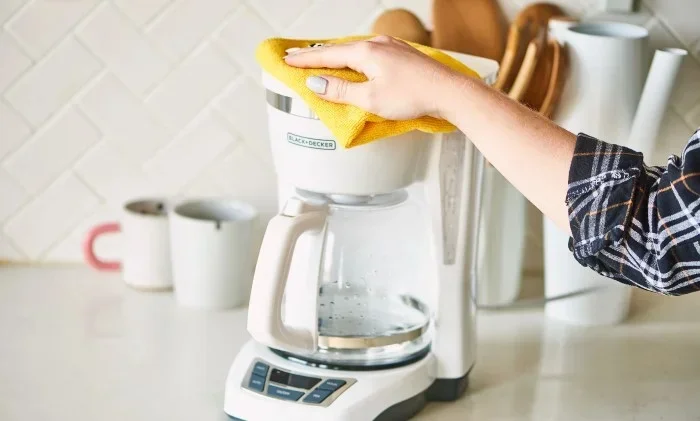
Cleaning your coffee machine water tank is one of the easiest maintenance tasks you can do. A clean machine brews better coffee. Run a vinegar and water cycle once a month to remove buildup and keep your coffee tasting fresh.
Using the Wrong Filter
Not all coffee filters are created equal. Paper filters can absorb some of the oils that give coffee its rich body. This can make your coffee taste thinner and more watery than it should. Reusable metal filters allow more oils through, which creates a fuller, richer cup.
If you love bold coffee, try switching to a metal filter. Just make sure to clean it well after each use. A clean filter lets the full flavor of your grounds come through without any unwanted particles.
Brewing Methods That Make Stronger Coffee
Your brewing method has a big impact on coffee strength. Some methods naturally produce a richer, less watery cup. Here are a few options to consider.
French Press
The French press is one of the best methods for strong, full-bodied coffee. The grounds steep directly in the water for several minutes, which allows for maximum flavor extraction. The metal filter lets the natural oils through, giving you a rich and robust cup.
To make French press coffee less watery, use a 1 to 15 ratio of coffee to water. This means 1 gram of coffee for every 15 milliliters of water. Adjust to your taste from there.
AeroPress
The AeroPress is a versatile little device that makes concentrated coffee. You can dilute it with water or milk to get your preferred strength. Because the brewing pressure is higher than most methods, extraction is more complete, which means less waste of flavor.
The AeroPress also gives you control over brewing time and temperature. This makes it easy to experiment and find your perfect cup. Many coffee lovers swear by it for making bold, rich coffee at home.
Moka Pot
A Moka pot brews coffee on the stove using steam pressure. It produces a strong, espresso-like cup that is much less watery than drip coffee. The brewing process is fast and concentrates the flavors from the grounds.
Moka pots are affordable and easy to use. They are a great option if you want stronger coffee without buying an expensive espresso machine. Just be careful not to overfill the water chamber, or you will end up with a different problem.
Expert Tips for Better Coffee Flavor
Beyond the basics, there are a few extra tips that can take your coffee to the next level. These small changes add up to a much better cup.
Weigh Your Coffee and Water
Scoops and measuring cups are not always accurate. A simple kitchen scale gives you precise measurements every time. Weighing your coffee and water ensures consistency, which is the foundation of great coffee.
Start with 15 grams of coffee for every 250 grams of water. Adjust from there based on your taste preferences. Once you find your perfect ratio, stick with it for consistent results every morning.
Preheat Your Equipment
Cold equipment can drop the temperature of your water, which hurts extraction. Always rinse your coffee maker, French press, or mug with hot water before brewing. This keeps the temperature stable and helps the coffee extract properly.
This is a small step that makes a surprisingly big difference. You will notice your coffee tastes warmer and more flavorful from the first sip to the last.
Grind Your Beans Fresh
Pre-ground coffee loses its flavor quickly after being exposed to air. Grinding your beans just before brewing ensures maximum freshness and flavor. A burr grinder gives you a consistent grind size, which is key to even extraction.
If you do not have a grinder yet, consider investing in a basic one. It is one of the best upgrades you can make for your morning coffee routine. Freshly ground coffee smells amazing and tastes much better than store-bought pre-ground.
Related reading: If you are curious about whether grinding your beans finer makes them stronger, check out our article on will grinding coffee beans finer make it stronger for more insights.
Quick Fixes for When You Already Have Watery Coffee
Sometimes you have already brewed a cup and it tastes too weak. Do not throw it away. Here are a few quick fixes to rescue watery coffee.
- Add a Pinch of Salt: Salt neutralizes bitterness and can make weak coffee taste more balanced. Just a tiny pinch does the trick.
- Mix in a Little More Coffee: Brew a fresh small batch of concentrated coffee and add it to your weak cup. This instantly boosts the flavor.
- Heat It Back Up: Sometimes coffee just tastes weak when it is cold. Warming it back up on the stove can bring out more flavor.
- Add Milk or Cream: Milk adds body and richness to thin coffee. It won’t fix the flavor completely, but it makes it more enjoyable.
These are not perfect solutions, but they work in a pinch. The best approach is always to prevent watery coffee in the first place by following the tips above.
Conclusion
Making coffee less watery is easier than you think. The secret is in the details: your brew ratio, grind size, water temperature, and machine cleanliness all matter. Small changes lead to big improvements in flavor and satisfaction.
Start by adjusting your coffee-to-water ratio. Then work on your grind size and brewing time. Clean your machine regularly and use fresh beans. Before long, you will be enjoying rich, bold coffee every single morning. You will never go back to watery coffee again.
Remember, great coffee is about consistency and attention to detail. Use these tips every day, and your morning cup will never be the same. Your taste buds will thank you.
Frequently Asked Questions
Why is my coffee so watery?
Watery coffee usually happens when you use too much water or too little coffee. Your brew ratio is likely off. Try adding more coffee grounds or reducing the amount of water you use. A simple ratio adjustment can fix this problem quickly.
Does grind size affect coffee strength?
Yes, absolutely. Finer grounds extract more flavor because they have more surface area. If your grind is too coarse, the water passes through too quickly and pulls out less flavor. Use a finer grind to get a stronger, less watery cup.
Can I fix watery coffee after it is brewed?
Yes, you can. Add a small amount of freshly brewed concentrated coffee to your weak cup. A pinch of salt can also help balance the flavor. These quick fixes work well when you do not have time to brew a new cup.
What is the best coffee-to-water ratio?
A good starting point is 1.5 tablespoons of coffee per 6 ounces of water. You can adjust this based on your taste. Some people prefer stronger coffee and use 2 tablespoons. Experiment to find your perfect ratio.
How does water temperature affect coffee?
Water that is too cool will not extract flavors properly, leading to weak coffee. The ideal temperature is between 195 and 205 degrees Fahrenheit. Let boiling water cool for about 30 seconds before pouring it over your grounds.
Should I use a paper or metal filter?
Metal filters allow more coffee oils through, which creates a richer, fuller cup. Paper filters absorb some of those oils, which can make coffee taste thinner. If you want less watery coffee, a metal filter is a great choice.